
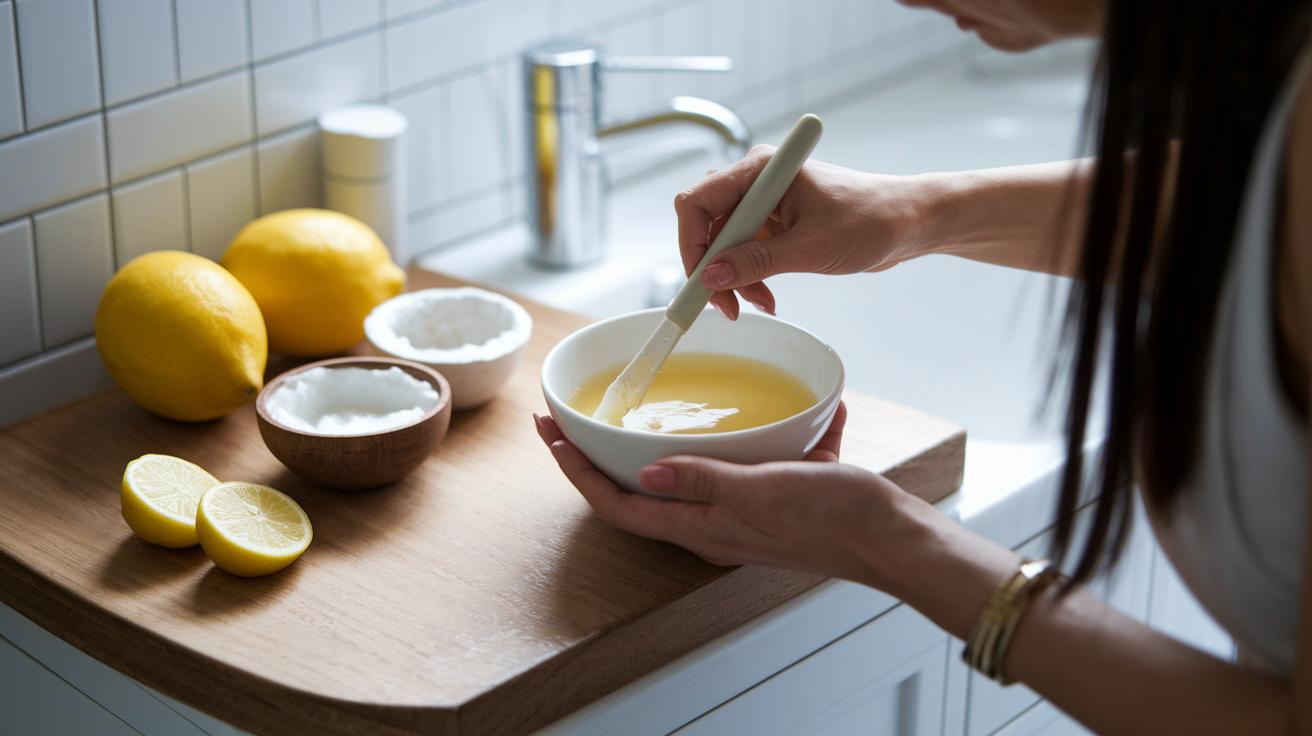

Quick take: Home remedies using everyday kitchen items may soothe mild dandruff.
Triage Box:
• Emergency: If you develop severe scalp pain, burning, or signs of infection, call emergency services now.
• Urgent: If you notice sudden hair loss or intense scalp swelling, seek same-day medical care.
• Self-care: For minor dandruff and irritation, try natural remedies and monitor your symptoms.
Dandruff can feel more upsetting than it really is. The itch and white flakes might make you feel self-conscious. But what if the key to calming your scalp is already in your kitchen? You can find simple, natural ways to reduce irritation and fight the fungus (a germ that may cause dandruff) with ingredients that are easy to find.
For example, tea tree oil is known to help fight fungus, and coconut oil can soothe and moisturize your scalp. These remedies work without adding harsh chemicals to your hair care routine. By trying these at-home tips, you can help restore a balanced scalp and feel more confident in your look.
DIY Dandruff Remedies at Home That Work
Dandruff happens when your scalp sheds skin cells too fast, often because of an overgrowth of a fungus called Malassezia (a type of yeast). This fast shedding leaves white flakes and can make your scalp itch badly. That sounds uncomfortable, but you can try simple remedies at home to help.
Using items from your kitchen can calm your scalp without harsh chemicals. These natural methods work by fighting the fungus, balancing your scalp’s pH (acid-base level), and easing irritation. They also gently remove dead skin cells so that flaking happens less often.
Try these treatments to help reduce itching and flaking while keeping your hair healthy:
- Tea tree oil fights the fungus with its natural antifungal power.
- Coconut oil moisturizes deeply and has mild germ-fighting properties.
- Aloe vera cools inflammation and speeds up the healing of irritated skin.
- Apple cider vinegar helps balance the scalp’s pH and stops the fungus from growing.
- Baking soda gently exfoliates away dead skin cells to prevent buildup.
These DIY remedies mix a light cleanse with effective antifungal and soothing actions. They are a practical way to control dandruff at home and help you feel comfortable again.
Key Ingredients for a Homemade Scalp Care Cure
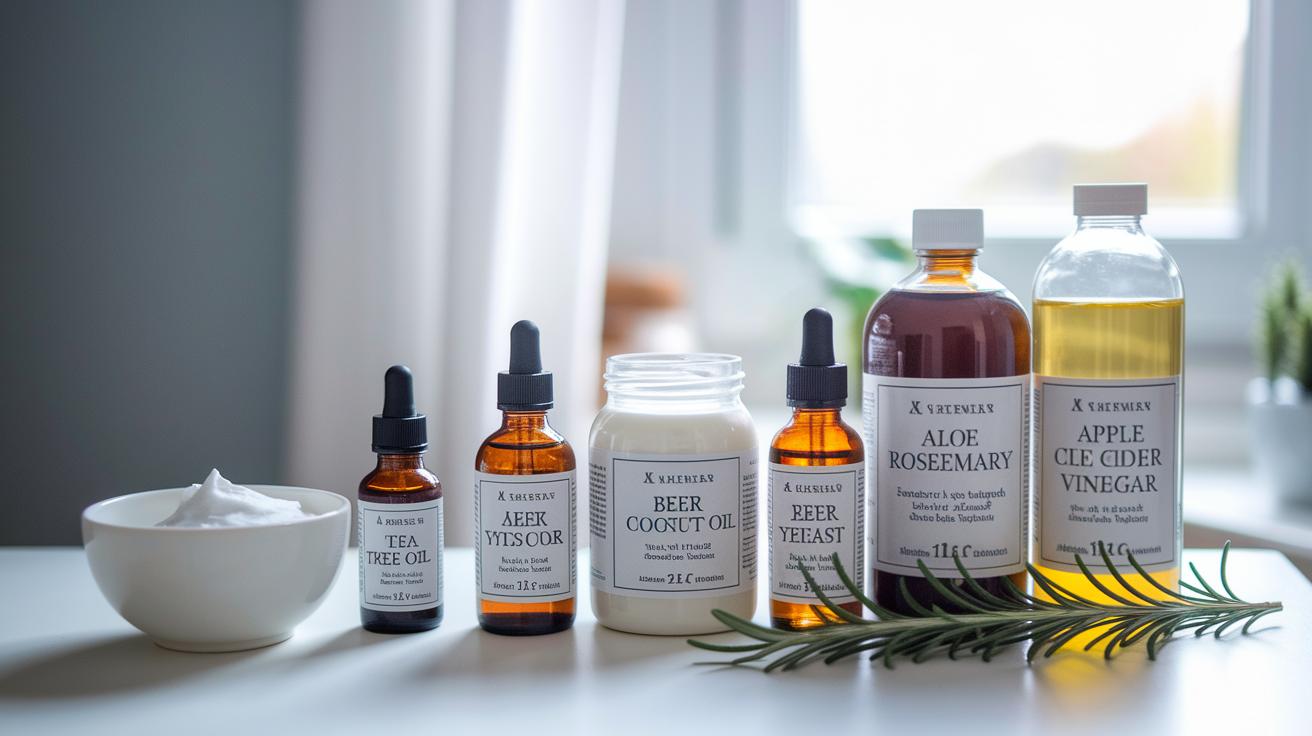
If you want a natural scalp treatment at home, you can use everyday kitchen items that work together to fight flakes and soothe irritation. Each ingredient below has a special role in clearing flakes and calming your scalp. They work in different ways, like fighting fungus, easing inflammation, or gently removing dead skin cells. For example, tea tree oil is known for its strong terpinen-4-ol that fights fungus, and coconut oil moisturizes with lauric acid and capric acid. The table below explains seven key components and how each one helps restore a healthy scalp.
| Ingredient | Primary Benefit | How It Works |
|---|---|---|
| Tea tree oil | Fights fungus | Terpinen-4-ol (a natural compound) attacks Malassezia fungus |
| Coconut oil | Deeply moisturizes | Lauric acid and capric acid help fight germs and lock in moisture |
| Aloe vera gel | Soothes irritation | Calms inflammation and supports healing of irritated skin |
| Apple cider vinegar | Restores pH balance | Makes the scalp more acidic to help stop fungal growth |
| Baking soda | Exfoliates gently | Helps remove dead skin cells and build-up |
| Neem extract | Provides antifungal support | Azadirachtin in neem extract fights fungal overgrowth |
| Plain yogurt | Exfoliates and hydrates | Lactic acid gently removes dead skin while adding moisture |
Detailed Step-by-Step Methods for Home Anti-Dandruff Treatments
Quick take: These simple home treatments may help manage dandruff. Always patch-test first, and stop if you notice any burning, itching, or redness.
● If you feel burning or irritation, stop immediately and seek advice from your doctor.
● Watch for increased redness or swelling.
● If the problem worsens, contact a healthcare provider.
Tea Tree Oil Scalp Massage
Start by mixing tea tree oil with a carrier oil. For every 95 drops of carrier oil (like coconut or olive oil), add 5 drops of tea tree oil. Apply the mixture evenly on your scalp. Use your fingertips to gently massage for about 5 minutes. Let it sit for 15 to 30 minutes so that the oil can work against the fungus called Malassezia (a common cause of dandruff). Rinse with lukewarm water afterwards. Always do a patch-test on a small skin area 24 hours before full use.
Coconut Oil Deep Treatment
Warm 2 tablespoons of coconut oil until it melts. Gently massage the warm oil into your scalp using a circular motion to help boost blood flow. Let it work on your scalp for 15 to 30 minutes. This helps the natural acids in coconut oil (lauric acid and capric acid) to nourish your skin and fight off microbes. Rinse out all the oil with warm water. Remember to test a small amount on your skin first.
Apple Cider Vinegar pH-Balancing Rinse
Mix equal parts apple cider vinegar and water in a small bowl. After you shampoo, pour the mixture evenly over your scalp and gently massage it in. Allow the rinse to sit for 15 minutes; this helps restore your scalp’s natural pH balance and keeps fungal growth in check. Finally, rinse off completely with water.
Baking Soda Exfoliating Scrub
Create a paste by mixing 1 tablespoon of baking soda with enough water to reach a spreadable consistency. Massage this paste onto your scalp for 2 to 3 minutes to gently remove dead skin cells and buildup. Rinse your scalp thoroughly to ensure no residue remains. This step helps clear away flakes without drying out your skin too much.
Aloe Vera Soothing Hair Mask
Apply pure aloe vera gel directly onto your scalp, making sure the whole area is covered. Leave it on for 20 minutes. The natural, anti-inflammatory properties of aloe vera help soothe irritation and reduce redness. Rinse it off completely. For the best outcome, use these treatments 2 to 3 times per week and adjust quantities as needed for your sensitive scalp.
Dandruff Remedy at Home: Easy Natural Fix
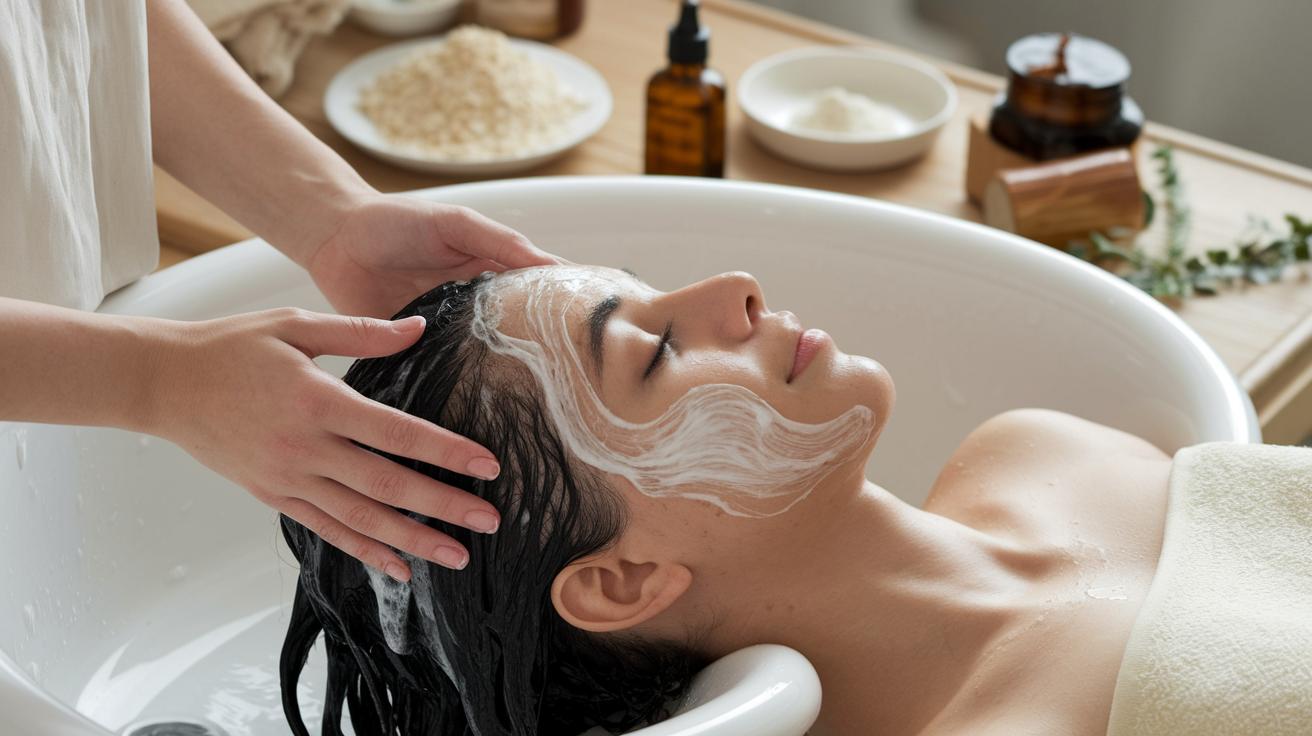
Clean your scalp gently 2–3 times a week. Use a mild cleanser with lukewarm water because hot water may dry out your skin. This cleansing routine helps remove buildup while keeping your natural oils safe.
After washing, massage your scalp using light oils such as jojoba or almond. A short massage boosts blood flow and brings nutrients to your skin. This step eases itching and helps control flakes naturally.
Once a week, try a gentle exfoliation with a soft scrub or an oatmeal mask. This removes dead skin and any residue without causing irritation. It also helps your scalp renew its protective layer.
Finally, add some healthy lifestyle tips like using a leave-in herbal toner (for example, diluted green tea), drinking plenty of water, and eating a balanced diet rich in vitamins. These steps support skin renewal and keep your scalp comfortable.
Warning Signs: When to Pause DIY Dandruff Remedy at Home
Quick take: If your dandruff does not improve in 4–6 weeks or you notice severe irritation, stop the home treatment and contact your doctor.
If your flakes keep coming or seem worse after 4–6 weeks of home care, your scalp might need something stronger than natural remedies. This could mean an underlying issue isn’t being resolved with gentle treatments alone.
Red flag signs include:
- Severe itch
- Intense redness or swelling
- Oozing or pain
If you see these signs, pause your current treatments immediately and consult a healthcare provider.
Also watch for hair loss or crusting on your scalp. These symptoms may point to conditions like psoriasis, eczema, or a stubborn fungal infection. In these cases, professional advice and possibly prescription treatments are needed instead of just home remedies.
Taking a break from your DIY treatments and getting a medical evaluation can help you understand what’s really going on and bring you the right care.
Expert Tips and FAQs on DIY Natural Hair Care Formula

Before you add any new ingredient to your routine, do a 24-hour patch test. This means you put a tiny amount on your skin to see if you react, especially with strong items like essential oils or acidic rinses. If you’re pregnant or unsure, test first and talk to your healthcare provider. This helps keep you safe and builds your confidence.
Keep a treatment journal. Write down what you try and how your scalp reacts. Note if you mix ingredients like apple cider vinegar (ACV) with tea tree oil. Record small batch experiments so you can adjust the mix and frequency based on your skin and local weather.
If problems arise, follow these steps. Many people ask how often to use baking soda. Start with 1-2 times a week and watch your skin for irritation. If your scalp feels dry or over-treated, cut back and change other ingredients as needed.
Final Words
In the action of trying these home methods, you’ve seen how natural ingredients like tea tree oil, coconut oil, and apple cider vinegar work together to soothe your scalp and reduce flakes. The guide explained clear step-by-step treatments, daily routines, and when to pause for professional help. Practical checklists and safety tips add confidence to your routine. This dandruff remedy at home approach puts effective, natural care within reach. Keep experimenting safely and track your progress for the best results. Stay positive and take charge of your scalp health.
FAQ
FAQ
What does dandruff shampoo do?
Dandruff shampoo minimizes scalp flaking by cleaning the scalp and controlling fungi growth. It offers temporary relief but works best when combined with natural treatments and a consistent care routine.
How can I achieve a permanent solution for dandruff at home?
A permanent at-home solution involves using natural treatments like tea tree oil, coconut oil, and apple cider vinegar along with proper scalp hygiene to reduce fungal growth and balance pH over time.
How quickly can I remove dandruff with home remedies?
Rapid relief can be achieved using fast-acting treatments such as a diluted apple cider vinegar rinse or a baking soda scrub, though complete removal in minutes is unlikely. You may see improvement within hours.
What are the best natural remedies that kill scalp dandruff?
Natural remedies like tea tree oil, coconut oil, and aloe vera combat scalp dandruff by reducing fungal overgrowth and soothing irritation, creating a balanced and healthier scalp environment.
How can I treat dandruff in kids safely?
Safe treatment for kids includes using gentle remedies like aloe vera or a diluted apple cider vinegar rinse. Always perform a patch test and consult a pediatrician to ensure the remedy is appropriate.