


Quick take: A one-minute daily check can boost your day and help you catch changes early.
Have you ever noticed how a small daily check on your food, sleep, activity, water, and stress can make a difference? Tracking these things is simple. It helps you find tiny shifts before they become bigger problems.
Try this simple routine:
• Write down what you eat, how well you sleep, your daily activity, how much water you drink, and your stress level.
• Look for small changes in your energy or mood.
• Adjust your daily habits based on what you notice.
• Celebrate even the small wins.
This easy checklist helps you track key habits, keep your energy balanced, and feel your best every day.
daily health checklist drives joyful wellness
A quick daily check can help you catch changes in your health before they build up. This simple list lets you track key areas like food, movement, sleep, water, and stress so you notice when something feels off.
Taking just one minute every day for a check-in boosts your awareness. It’s a fast way to spot small shifts and keep your routine balanced, giving you time to plan self-care before stress grows.
- Morning vitality check
- Nutritional intake
- Hydration tracking
- Physical activity log
- Sleep quality review
- Stress level assessment
This checklist works as your personal guide for daily wellness. It keeps things clear and focused by listing only a few important tasks. In just a minute, you can note how you feel and track your progress, helping you celebrate the little wins and adjust your routine when needed.
Nutrition and Hydration Metrics in Your Daily Health Checklist

Quick take: Daily tracking of food and water helps you stay energized and focused.
If you feel weak, dizzy, or lightheaded, check if your meals and drinks are balanced. If you often skip meals or drinks, start tracking them each day. Use these steps to manage your nutrition:
Eating well and staying hydrated fuel your daily activities. A simple checklist for your meals helps you notice when you need to make changes. A nutrition tracker lets you record key details like calories, protein (helps muscles repair and grow), and servings of fruits and vegetables. Similarly, a water tracker makes sure you hit your daily goal so you can keep your energy up and your mind clear.
| Metric | Target Range | Notes |
|---|---|---|
| Calories | Varies per person | Depends on age, gender, and activity |
| Protein | 15-25% of total calories | Helps muscle repair and growth |
| Fruits/Vegetables | 5-7 servings | Provides essential vitamins |
| Water Intake | 64-100 oz | Aim for this daily; adjust with higher activity |
Remember, your needs may change with your activity level and weight goals. If you exercise more, you might need extra calories and water. Using a daily tracker helps you notice trends so you can adjust your intake and keep your energy steady over time.
Logging Physical Activity on a Daily Health Checklist
Tracking your workouts gives you a clear snapshot of your fitness and helps prevent injuries while boosting your energy. It lets you see progress, tweak your routine, and stay motivated day by day.
Start by following these simple steps:
- Pick your exercise type, like walking, running, weight lifting, or joining a group class.
- Write down the workout duration in minutes so you can check if you meet your goals.
- Record your workout intensity by noting your heart rate (beats per minute, which shows your effort level).
- Log details specific to your exercise, such as sets and repetitions for strength training or the distance covered for cardio.
- Include recovery details like cool-down exercises, stretches, or any notes on how your body felt afterward.
Review your logs often. You might see that on days with more vigorous workouts, you need extra time to recover. Tracking helps you notice improvements in strength or endurance. It also guides you to adjust your workouts, for example, adding a few extra minutes or trying different exercises as your fitness evolves.
Keeping a daily fitness log not only makes your training safer but also helps build a balanced routine. By recording your progress, you create a helpful guide that leads you to more efficient and enjoyable workouts.
Monitoring Sleep Quality in Your Daily Health Checklist

Quick take: Watch your sleep habits closely, they give clues to how well you're resting.
Triage Box:
If you notice any of these emergency signs, call emergency services now:
• Gasping or frequent pauses in breathing during sleep
• Extreme daytime sleepiness that interferes with your routine
• Sudden changes in sleep that lead to falls or confusion
If you don’t have these signs, here’s a simple way to monitor your sleep:
Tracking your sleep helps you understand why you might feel tired. You can note how long you sleep, how quickly you fall asleep, and if you wake up during the night. Use a sleep rating (a simple 1–5 measure of how refreshed you feel) to check if your sleep was good. This low-tech check connects with your natural sleep-wake cycle (circadian rhythm) by linking to your daily sleep habits.
Key details to track:
- Bed time
- Wake time
- Sleep duration
- Sleep score
Noticing changes in these numbers can show you if your sleep routine needs adjustment. For example, if you often get a low sleep score or wake up many times, that might explain why you feel drained the next day. Keep track of these details to spot patterns between your nighttime sleep and your energy during the day. This can help you make small changes to boost your overall energy and reduce fatigue.
Tracking Mental Well-Being in Your Daily Health Checklist
Quick take: Keeping a daily check on your feelings can help you spot stress early and adjust your day.
If you feel unsafe or overwhelmed, seek help immediately:
- Call emergency services now if you feel you might hurt yourself or others.
- Get in touch with a trusted friend, family member, or mental health professional if your stress becomes unmanageable.
Taking a moment each day to note your feelings is simple but powerful. Your mood and stress affect everything you do. A daily check-in, like rating your stress or jotting down a few words about your mood, can help you spot trends over time.
Consider these quick steps:
- Stress rating: Rate your stress on a scale from 1 to 10.
- Mood keywords: Write down a few words that capture how you feel.
- Mindfulness minutes: Track the time you spend on calming activities like meditation or deep breathing.
- Social interaction: Note any meaningful interactions you have during the day.
- Coping technique: Record one method that helped you manage stress.
Keeping this regular log builds a clear picture of your emotional balance. Over days and weeks, you may notice patterns that signal what triggers your stress and anxiety. By adjusting your self-care habits based on these insights, you can improve how you handle stress and enjoy a more balanced life.
Customizing a Printable Daily Health Checklist Template
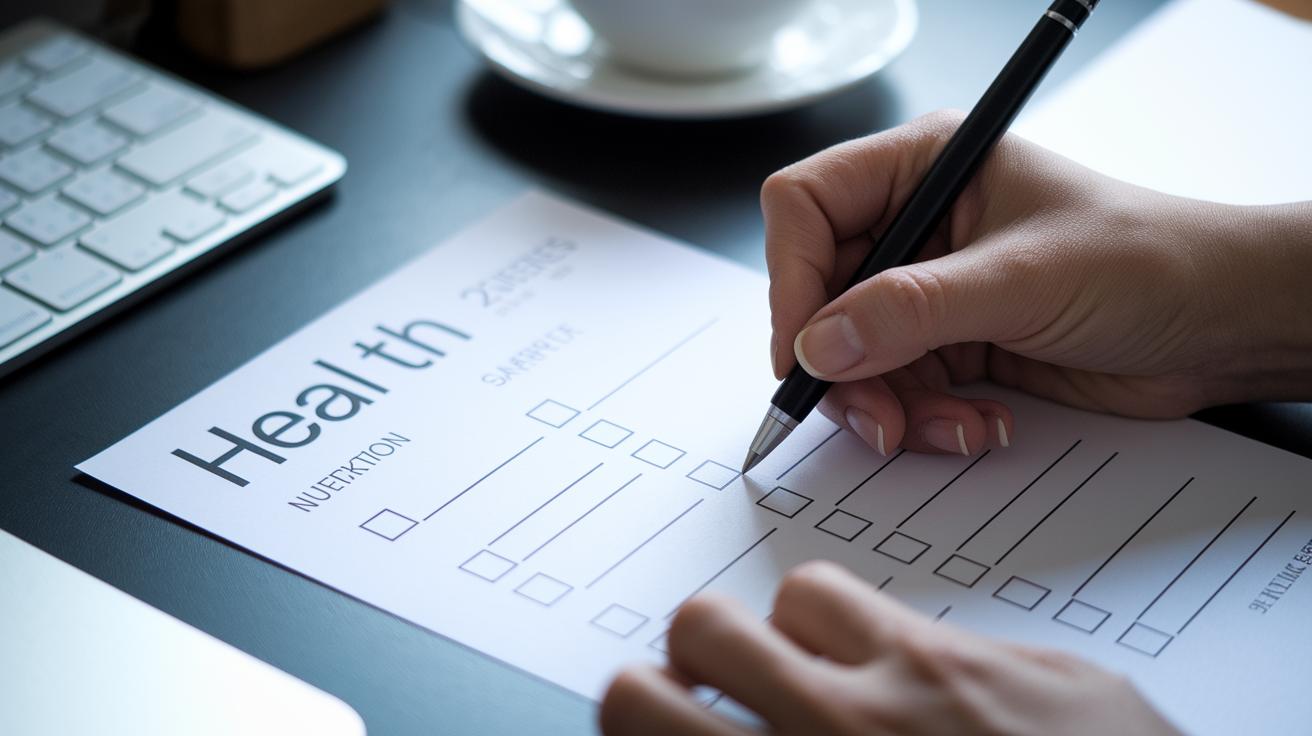
Paper tracking gives you a simple, hands-on way to manage your health. A printed checklist lets you mark tasks by hand so you can see your progress every day. It also cuts down on screen time and gives you a clear record of your self-care routine.
To make your own checklist, follow these steps:
- Choose a layout that fits your style.
- Pick a design with checkboxes for each task and columns for dates.
- List key tasks like a morning check and an evening review to capture how you feel at important times.
- Add sections for nutrition, physical activity, sleep, and stress to cover all parts of your day.
- Include extra fields for your needs, such as water intake or mood notes.
- Print a new weekly sheet so you can build consistency and spot trends over time.
Using printed templates like this can help you set up a strong self-care routine. Over time, this practice can lead to lasting changes that boost your overall wellness and energy.
Digital Tools for Managing Your Daily Health Checklist
Digital health apps offer a quick and friendly way to keep tabs on your everyday habits. They let you fill out simple wellbeing surveys and send you daily reminders to stick to your routine. These apps replace paper trackers with digital ease, so you can record how you feel wherever you are. You can easily note changes in your eating, exercise, sleep, and stress (stress means feeling overwhelmed or under pressure).
Many of these apps pack useful extras that make checking in engaging. You can view clear charts showing your progress over time and even sync your data with wearable devices, like watches that track your heart rate and sleep. These features help you see trends and know when to tweak your routine.
Useful features include:
| Feature | Description |
|---|---|
| Custom Checklists | Create lists that match your daily needs |
| Notification Schedules | Get timely reminders to check in |
| Data Export | Save or share your progress data |
| Community Support | Connect with others to stay motivated |
When choosing an app, look for one that fits easily into your life. It should let you log daily details, send friendly reminders, and work with your wearable devices. With the right digital tool, managing your daily health checklist becomes an empowering part of your day.
Using Daily Health Checklist Data to Improve Your Routine

Reviewing your daily checklist is a smart way to see trends in your energy, sleep, and stress levels. Every week, a quick look can show you what’s working and what might need a little change.
Try this simple four-step process each week:
- Collect your checklist entries from the past week.
- Note the high and low points for energy, sleep quality, and stress.
- Set clear goals for the next week, like eating a balanced breakfast or changing your exercise routine.
- Update your checklist to track these new changes. For example, if days with a good breakfast give you more energy, focus on keeping that habit.
By checking your routine regularly, you can spot small changes that add up over time. This steady review helps you fine-tune your habits, making it easier to plan meals and adjust workouts for a healthier daily routine.
Final Words
In the action, we broke down a daily health checklist that covers nutrition, physical activity, sleep, and mental well-being. We showed how to track key areas with simple, effective tasks and offered tips on using both digital and printable templates.
Each step on your daily health checklist is a move toward better understanding your overall wellness. Small, consistent check-ins build a routine that empowers you to feel better every day. Keep moving forward with confidence and a positive outlook.
FAQ
What does a daily health checklist template or PDF include?
The daily health checklist template offers a structured list of tasks—like tracking nutrition, sleep, physical activity, hydration, and stress—to quickly monitor your daily health. It’s available in PDF for easy use.
How does a child care daily health checklist form work, including Head Start versions and teacher observation checklists?
The child care daily health checklist form tracks children’s vital signs and early warning symptoms. It includes sections for Head Start programs and teacher observations to help ensure children’s safety throughout the day.
Why are daily health checks important?
The daily health checks help you notice changes in your well-being quickly by tracking routine tasks. They guide you to adjust habits and seek timely care, supporting a proactive approach to personal health.