
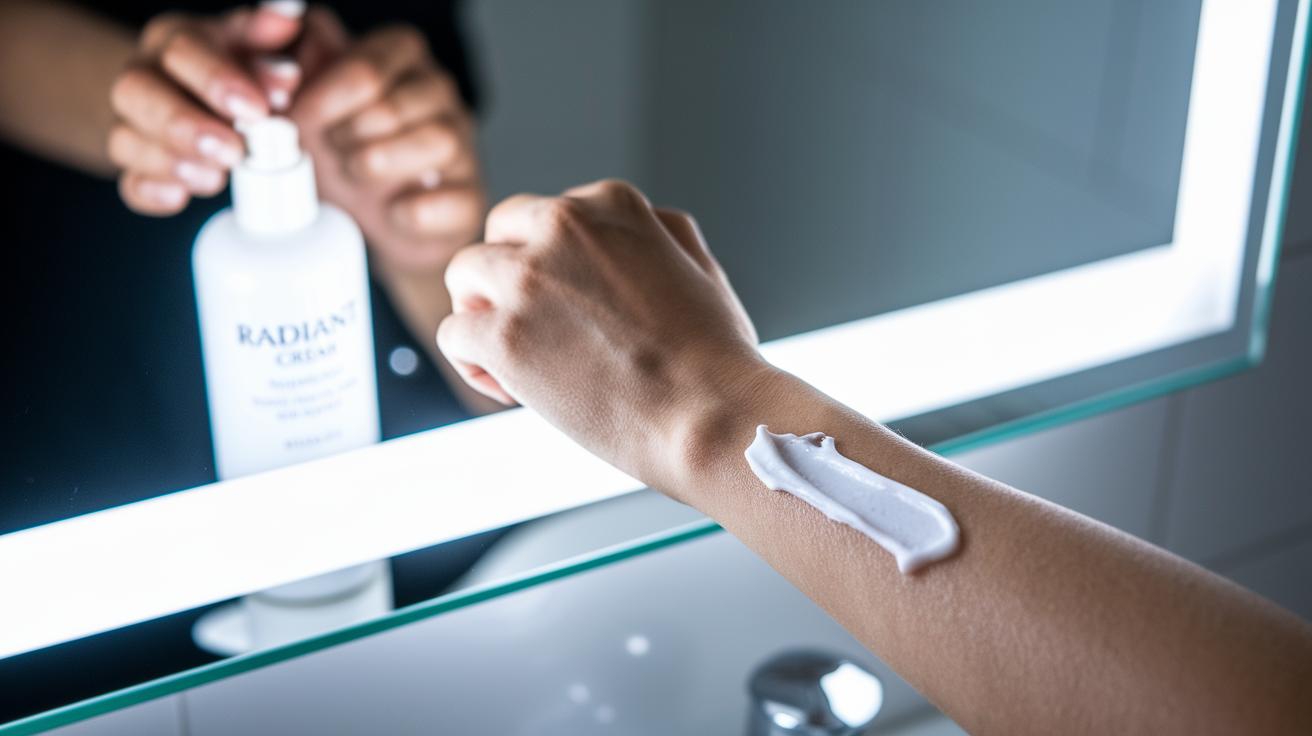

Quick take: With steady use, the right cream can help fade dark spots and even out your skin tone.
Have you ever looked in the mirror and wondered if a cream could brighten your skin? Many creams are designed to reduce dark spots and even out uneven skin. Some products use tranexamic acid (a substance that helps lighten skin) while others pack powerful antioxidants (ingredients that protect your skin from damage). When used carefully over several weeks, these creams may bring noticeable improvement. Keep reading to learn how a trusted cream might help your skin look more radiant every day.
Top Creams for Skin Discoloration: In-Depth Product Comparison
These creams use different ingredients to help even out your skin tone. They target dark spots and extra pigment (hyperpigmentation) with unique lightening agents. You might choose a cream that your doctor recommends or one that works to lessen dark spots on its own. Just note that you need to use the cream regularly for several weeks before you see a clear change. Pairing your treatment with sunscreen each day can boost your results, as one user shared that adding SPF helped brighten their skin gradually.
Below is a simple side-by-side guide that shows five popular creams for dark spots. Use this table to compare names, key ingredients, cost, and main benefit:
| Product | Active Ingredient(s) | Price | Key Benefit |
|---|---|---|---|
| SkinMedica Even & Correct | Tranexamic acid | $178 | Evens tone |
| SkinCeuticals Discoloration Defense + Phloretin CF | Tranexamic acid, Kojic acid, Niacinamide, HEPES | Varies | Dual-action brightening |
| Revision D.E.J Face Cream | 11 Antioxidants | Varies | Brightens while calming rosacea |
| Cyspera Intensive Pigment Corrector | Multiple actives* | Varies | Acclaimed as overall best |
| La Roche-Posay Mela B3 | Melasyl, Niacinamide | Varies | Top drugstore option |
This guide helps you choose the cream that fits your routine for a smoother and more even skin tone.
Key Active Ingredients in Cream for Skin Discoloration Radiates True Brilliance
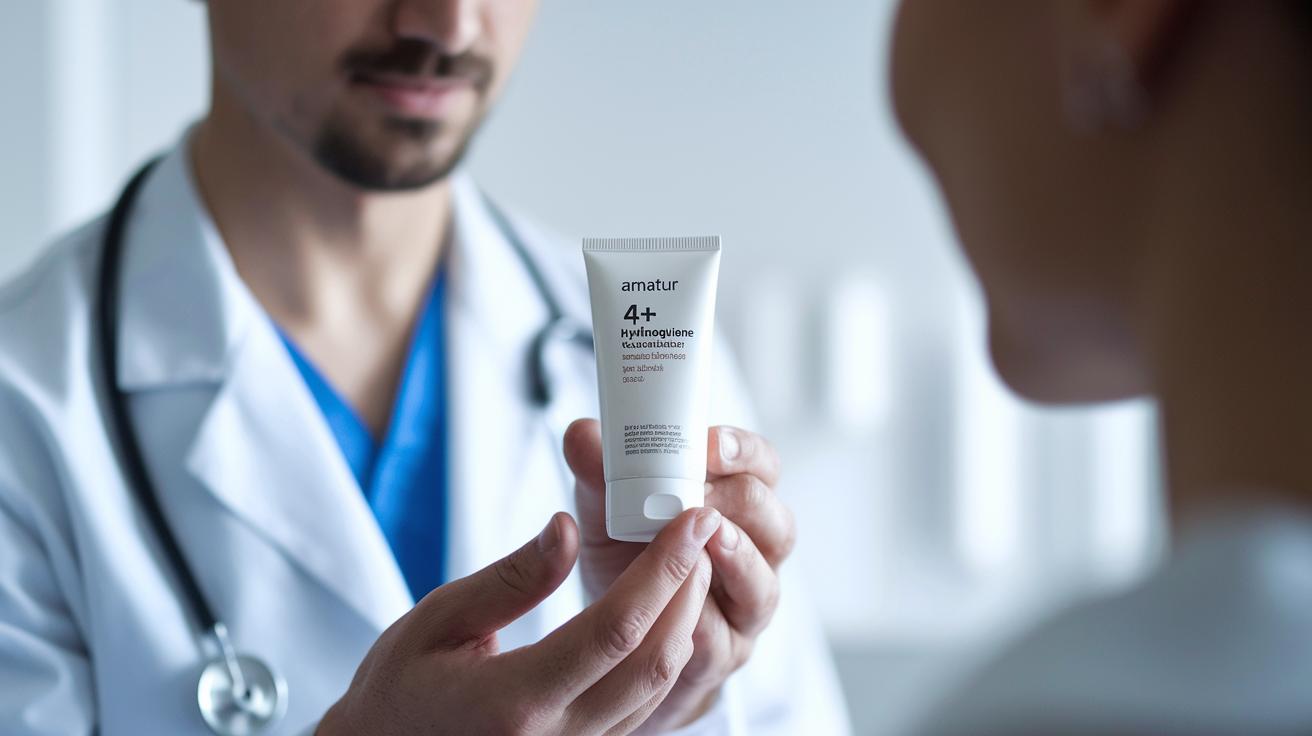
Hydroquinone is a trusted ingredient for reducing dark spots. It works by cutting down melanin production (the substance that gives your skin its color) by blocking the tyrosinase enzyme (a helper in pigment formation). Usually used in creams with more than 4% concentration, you need a prescription since September 2020. Use it under a dermatologist’s care because too much may dry out or irritate your skin. It is common in products meant for tough hyperpigmentation.
Tranexamic Acid helps even out your skin tone by stopping extra pigment buildup. It blocks the melanin process and is a newer choice in brightening creams. Found in products like SkinMedica Even & Correct, it is gentle enough for daily use and works gradually over time.
Kojic Acid comes from fungi and works by reducing the activity of the tyrosinase enzyme, much like hydroquinone, but in a more natural form. It helps lower abnormal pigment in the skin. Because it is milder, it can be a good option for sensitive skin looking for extra brightness.
Arbutin is a plant extract that serves as a gentler version of hydroquinone. It slows down melanin production to help lighten the skin. This makes it a good choice if you want steady results without too much irritation.
Azelaic Acid not only brightens the skin but also calms inflammation. It is especially useful for melasma (a skin condition that makes dark patches) by reducing both redness and pigment issues. Its gentle nature makes it suitable for sensitive skin types.
Niacinamide, a form of vitamin B3, works by reducing the transfer of melanin to the skin’s surface. This helps create a more even skin tone. It also works well with other lightening ingredients to boost overall results without adding extra irritation.
Retinol, a type of vitamin A, speeds up skin cell turnover to help fade dark spots over time. When carefully combined with other brightening agents, it can enhance the overall effect. Start with a low concentration to see how your skin handles it.
Proper Application and Timeline for Creams for Skin Discoloration
Quick take: Use your cream every day and be patient. It may take 4–8 weeks or even up to 6 months to notice changes. Stick with your product for at least 12 weeks before judging its full effect and use SPF every day to protect your skin from the sun.
When you start, use a cream with a lower strength to see how your skin reacts. If your skin handles it well, you can slowly increase the strength to boost results safely. Follow these steps for a gentle brightening routine:
- Wash your face with a gentle cleanser and pat it dry.
- Spread a thin layer of the cream over the discolored areas.
- Let the cream absorb for a few minutes before you apply other products.
- Immediately use a broad-spectrum SPF to shield your skin from the sun.
- Take photos every few weeks to track small changes.
Remember, daily care and careful use are key. This method helps correct pigmentation differences while keeping your skin safe. If you experience irritation or worsening skin, stop using the cream and contact your doctor.
Safety Considerations and Side Effects of Discoloration Creams
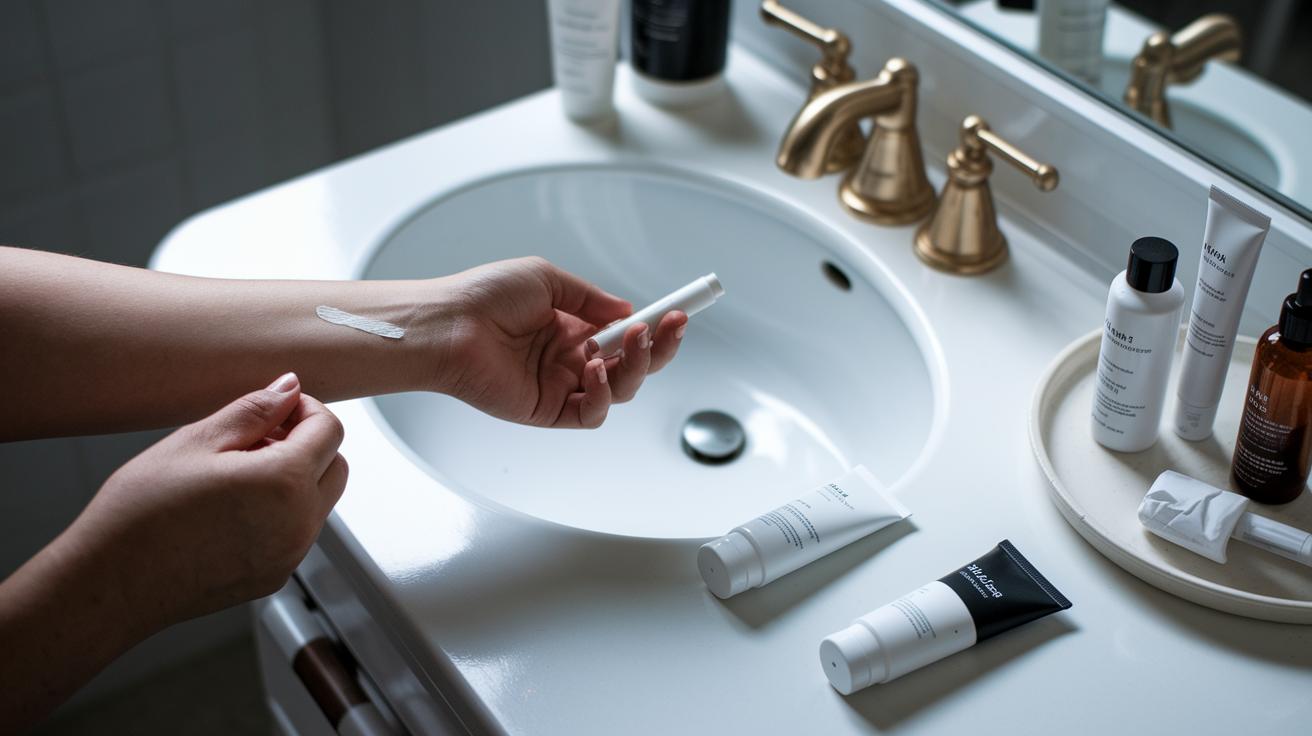
When using creams to even out skin tone, safety comes first. Hydroquinone (a chemical that lightens skin) can dry your skin, cause irritation, and in rare cases lead to ochronosis (a skin darkening condition) or problems due to contaminants. These risks are higher when the cream has more than 2% hydroquinone. Always test a small patch of skin with any new product before you use it fully.
Mixing hydroquinone with retinol (a form of vitamin A) or exfoliating acids like AHAs and BHAs can make your skin very sensitive. For example, using a product that blends retinol and hydroquinone may result in extra redness or peeling. Overusing these strong ingredients or mixing different ones can lead to more irritation rather than clear, even skin.
Gently brightening alternatives such as arbutin, tranexamic acid, and azelaic acid usually have a lower risk of irritation. They are milder choices for lightening your skin naturally while lowering the chance of side effects. No matter which product you choose, start slowly so your skin can get used to the ingredient.
Checklist for safe use:
- Test every new product on a small patch of skin.
- Start with lower concentrations and increase only if your skin tolerates it.
- If you notice ongoing irritation or discomfort, stop using the product and consult a dermatologist.
Prescription vs. Over-the-Counter Skin Discoloration Creams: What to Choose
Quick take: Prescription creams make dark spots fade quickly but need a doctor’s care, while over-the-counter options are gentler and easier to find.
Triage Checklist:
- If you notice sharp irritation or worsening spots, contact your doctor.
- Watch for signs of burning or allergic reactions.
- Use broad-spectrum sunscreen daily to protect your skin.
Prescription creams pack a stronger punch. They include ingredients like high-strength hydroquinone (4% or above) or combinations with tretinoin (a vitamin A derivative). Because these formulas work fast, your doctor usually checks you before starting to avoid irritation or darker spots. They can cost more, but their targeted strength often brings quicker results.
Over-the-counter creams use milder ingredients. You might see azelaic acid, kojic acid, niacinamide, or low-strength hydroquinone (less than 2%). These products give a safer, budget-friendly way to lighten dark patches. They might take longer for noticeable change, but they’re easy to pick up at stores or online. Both types need daily use and careful tracking of any new skin changes to keep your treatment safe and effective.
User Testimonials and Before-and-After Evidence for Creams for Skin Discoloration

Many people report using these creams and noticing steady improvements over time. For example, users with moderate hyperpigmentation saw changes after about 8 to 12 weeks of daily use. Those dealing with melasma mentioned that it took around 24 weeks before the dark patches began to fade significantly.
Photo evidence is common with products like Cyspera, SkinCeuticals, Revision, and Topicals Faded Serum. One user shared, "I took photos each month and noticed my skin starting to look smoother even before all the dark spots were gone." These images show that the cream not only lightens discoloration but also improves overall skin brightness and texture.
Users stress that applying the cream consistently and using a broad-spectrum sunscreen are key. They warn against expecting a quick fix and remind you that protecting your skin from sun exposure is very important. Stick with your routine and practice sun care, and you may start to see gradual, satisfying results.
Overall, consistent use, photo documentation, and careful sun protection seem to lead to a more even skin tone and clearer complexion.
Maintaining Even Skin Tone After Using Creams for Skin Discoloration
Quick take: Stick to a simple, gentle routine to keep your skin even after treatment.
Triage Box:
• If you notice severe redness, swelling, or blistering, call emergency services now.
• If you develop burning or pain that does not improve, seek same-day medical help.
• Otherwise, continue with your regular skin care routine.
Keep your skin balanced by using a tone balancing moisturizer every day and a broad-spectrum SPF to protect against sun damage. Add an antioxidant lightening cream or serum to help fight free radicals (unstable molecules that can harm skin) and prevent uneven spots.
Use a mild cleanser and a lightening lotion that does not dry out your skin. These steps help keep your skin hydrated and support your results. For extra help, ask your doctor about gentle in-office peels like the Perfect Derma Peel, which can enhance pigment correction and brighten your skin. Avoid harsh exfoliants that might irritate your skin or cause dark spots after irritation.
Stick to a simple and steady routine to enjoy long-lasting benefits from your pigment correction treatment.
Final Words
In the action, this guide compared top products and broke down the key ingredients, shared clear instructions for application, and noted safety tips. You learned how to pick between prescription and over-the-counter options and saw real success from users over time. The post even helped set proper expectations and offered ideas for long-term skin care. Follow these steps, track your progress, and remember that positive change is possible with a cream for skin discoloration.
FAQ
What cream works best for skin discoloration on the body and legs?
The best cream for skin discoloration on the body and legs typically contains active ingredients like tranexamic acid, kojic acid, or niacinamide. Dermatologists often recommend such formulas to safely reduce dark spots and even out skin tone.
Which prescription cream is best for pigmentation removal?
Prescription creams for pigmentation removal usually include higher concentrations of hydroquinone or retinol blends. These formulas offer stronger results for stubborn discoloration and require careful use under a clinician’s guidance.
What is the best treatment for skin discoloration?
The best treatment for skin discoloration combines dermatologist-approved creams, proper daily application for at least 12 weeks, and consistent use of broad-spectrum SPF. This approach helps reduce dark spots and maintain an even skin tone.
Is skin discoloration reversible?
Skin discoloration can be reversible when caused by environmental factors or mild pigmentation. Consistent treatment and sun protection can help fade these spots, although more persistent discoloration may require ongoing care and clinician advice.
How can I fix discolored skin naturally?
Fixing discolored skin naturally involves using gentle cleansers, antioxidant serums like vitamin C, and applying daily broad-spectrum SPF. These steps support gradual brightening and even tone while promoting overall skin health.