


Quick take: Everyday changes in your body, like vision issues or muscle weakness, could be early signs of multiple sclerosis (MS).
If you have any of these urgent signs, call emergency services now:
• Sudden, severe vision loss
• Extreme muscle weakness
• New, intense pain
MS is a condition where your immune system mistakenly attacks your nervous system (the network that helps your body send messages). This guide lists common changes you may notice that could be warning signs. By spotting issues like sudden vision changes or unexpected muscle weakness, you and your doctor can catch problems early. Keeping a simple record of these changes can help shape safer treatment steps and improve your quality of life.
Overview of the Complete MS Symptom List
Quick take: MS is a disease where your own immune system mistakenly attacks your nervous system. If you notice sudden, severe changes like major vision loss, intense weakness, or trouble speaking, call emergency services right away.
• Red flags:
- Sudden loss of vision or severe double vision
- Extreme muscle weakness or difficulty speaking highly impacts your safety
• Urgent concerns:
- New onset of numbness or tingling that spreads quickly
- Worsening balance and coordination issues that lead to falls
• Watch and self-manage:
- Track symptoms like fatigue, mild numbness, or subtle vision changes
- Monitor ongoing issues with cognition or pain and note when they get worse
Multiple sclerosis (MS) is an autoimmune condition in which your body’s defense misfires and attacks the nervous system. Most people, about 75-85%, go through relapsing and remitting phases, where symptoms come and then disappear. MS usually shows up between the ages of 20 and 50. Its unpredictable nature means that symptoms can be different at different times. Doctors diagnose MS using clinical exams and imaging scans, not just one test.
Knowing the full list of MS symptoms helps both you and your doctor spot important changes early. Keeping a detailed record of these signs can guide treatment decisions and may slow the disease’s progress. Here are some common symptoms to watch for:
• Numbness or tingling
• Muscle weakness or stiffness
• Fatigue that affects daily activities
• Vision changes, including blurred or double vision and optic neuritis (inflammation of the eye nerve)
• Problems with balance and coordination
• Difficulties with speech or swallowing
• Trouble with memory or concentration
• Different types of pain, such as nerve pain or muscle discomfort
Write down new or worsening symptoms with the date and time. This clear record helps your doctor understand the patterns in your condition. Tracking these changes may lead to faster treatment and better overall management of MS.
Neurological Signs in the Complete MS Symptom List

Quick take: MS can slow down your nerve signals, leading to numbness, tingling, and weakness.
Triage box:
- If you suddenly experience extreme weakness or a heavy loss of balance, call emergency services now.
- If you have abrupt changes in coordination that cause falls, seek urgent care.
- Track any new or worsening symptoms and share them with your clinician.
MS harms the protective covering around your nerves (myelin) that normally speeds up signals. Without this cover, nerve messages travel slowly or get lost. This disruption means your body’s signals may not reach your arms and legs properly.
You may notice numbness, tingling, or weakness in your limbs. Your arms or legs might feel asleep or weak, making everyday tasks, like holding a cup or buttoning a shirt, more difficult. If your fingers start tingling while you type, it might show that nerve signals are not being sent correctly.
As nerve damage increases, you might also struggle with balance, tremors (shaky movements), or muscle stiffness. You may feel a slight tremor when reaching for something, or notice that your balance is off when you walk. Stiff muscles can make movements jerky or unsteady. Since these symptoms can change over time, it’s important to monitor and record any shifts in how you feel.
Physical Manifestations in the Complete MS Symptom List
Quick take: MS can cause deep fatigue, vision problems, speech and swallowing difficulties, and muscle stiffness that may need quick attention.
If you have any of these emergency signs, call emergency services now:
• Sudden, complete loss of vision.
• Trouble breathing.
• Severe difficulty swallowing that risks choking.
Urgent:
• Noticeable worsening of symptoms that stop you from doing basic tasks.
• Rapid changes in vision or speech requiring immediate advice.
Watch and self-manage:
• Persistent, dull fatigue that does not improve with rest.
• Mild vision changes or muscle stiffness that you can track over time.
Fatigue in MS is more than just feeling a bit tired. You might find yourself completely drained even after plenty of rest. This isn’t like normal tiredness from a long day. It can make even simple tasks feel overwhelming and change how you work or enjoy hobbies.
Vision changes are also common. You might see things out of focus or even double. Some people may develop optic neuritis, which means the nerve that helps you see becomes inflamed and can lead to sudden vision loss. These changes are key signs that should be shared with your doctor.
MS can also affect your speech and swallowing. You might notice words coming out slurred, a problem called dysarthria (difficulty speaking clearly). Swallowing can also become unsafe. These changes can feel scary, so it’s important to tell your healthcare provider if they occur.
Many people with MS experience muscle stiffness or spasticity. Your muscles might feel unusually tight or rigid, and you could also feel neuropathic pain, a sharp or burning discomfort from nerve damage. These symptoms can come and go, making daily movement and comfort a challenge. Be sure to note any changes so you can discuss them with your clinician.
Cognitive and Emotional Aspects in the Complete MS Symptom List

Living with MS may lead to small changes in how you think each day. You might forget an appointment or an important detail, find it hard to stay focused, or struggle with planning tasks. These shifts can make work, home, or social life feel more challenging. When you notice problems with attention or decision-making, it can affect how you solve everyday issues. Spotting these signs early helps you and your doctor adjust your care and daily routine more easily.
| Symptom Type | Examples |
|---|---|
| Memory Loss | Missing appointments |
| Concentration | Difficulty reading or following along |
| Executive | Trouble planning or organizing tasks |
| Emotional | Mood swings and irritability |
Female Early Warning Signs in the Complete MS Symptom List
If you have MS, you might notice symptoms beginning between 20 and 50 years old. This is a key time for noticing signs early so you can take action and track changes that affect your everyday life.
Women often find that symptoms change along with their menstrual cycle and hormone shifts. You may feel extra tired, notice a prickling sensation (tingling), or experience brief trouble thinking clearly right before or during your period. Keeping a diary to record the date, time, and severity of these symptoms can help your clinician see any patterns linked to your cycle.
Some research also shows that MS signs can look similar to changes during menopause. Many women feel extra fatigue or brain fog as they near menopause. It is important to track your symptoms carefully, noting any changes that do not follow your usual cycle. This detailed record helps your healthcare provider decide if the cause is MS or simply hormone changes.
Diagnostic Criteria and Testing for the Complete MS Symptom List
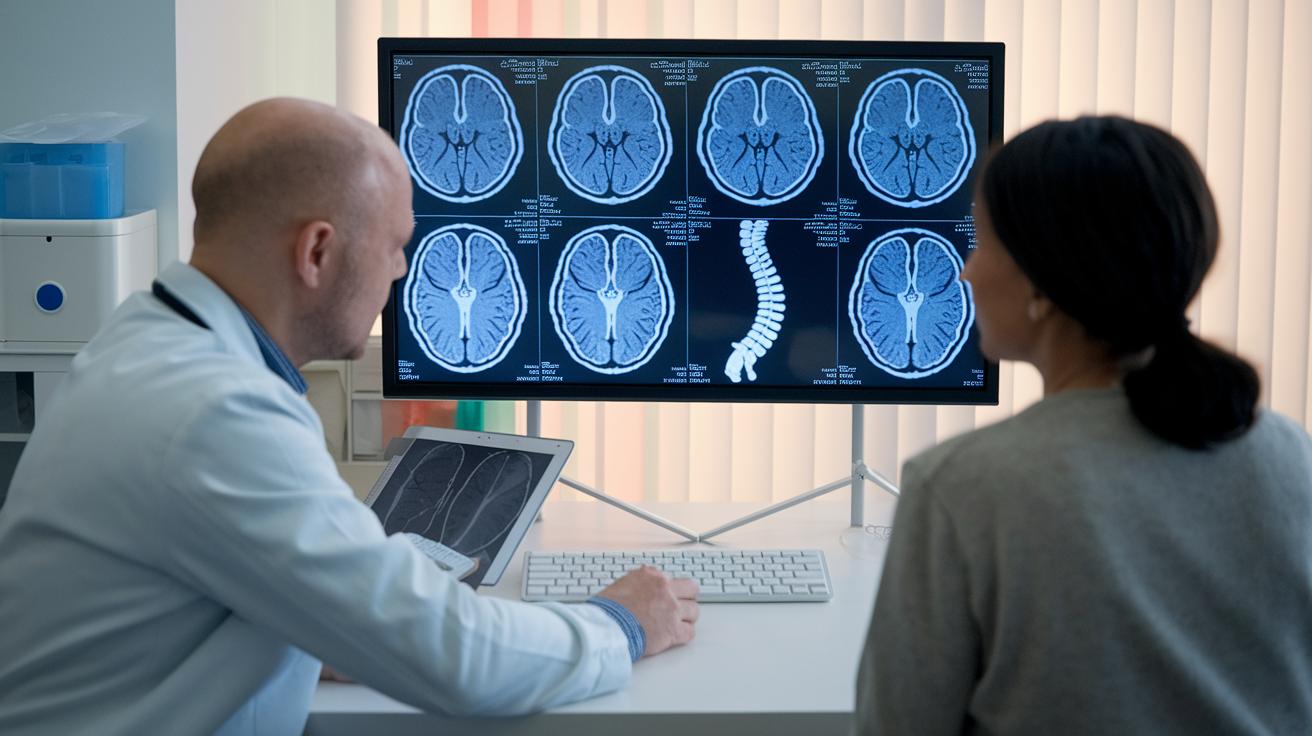
Quick take: MS is diagnosed with a mix of exams, imaging tests, and lab tests. Your doctor will look closely at your symptoms and history to decide the next steps.
When you visit your provider, they use the McDonald criteria. This means they do a careful exam and check tests like MRI scans and blood work. They also ask about when you notice symptoms coming and going (relapses and remissions) to help guide their choice.
MRI scans play a big role in checking for MS. An MRI is an imaging test that shows pictures of your brain and spine. It can reveal spots where the protective nerve covering (myelin) is damaged. These spots, known as lesions, support an MS diagnosis when they match your symptoms. Your neurologist will review these images closely.
In addition to imaging, blood tests and a lumbar puncture (a test that collects fluid from around your brain and spine) are used. These tests help rule out other conditions like infections or autoimmune issues that might act like MS. This careful check helps ensure you get the right treatment.
Keeping track of your symptoms is very important. Write down when they happen and how severe they are. This record can help your doctor tell MS apart from other conditions, like fibromyalgia, and plan further tests and treatments.
Self-Assessment and Tracking of the Complete MS Symptom List
Keep a daily record of your MS symptoms. Tracking your body’s signals helps you notice changes fast. Write down any times you feel extra tired, see changes in your vision, or experience tingling or numbness. For example, you might note, "On 04/10 at 3 PM, felt extra weak in my right arm." This record gives you and your doctor a clear picture of how your symptoms change over time.
You can track your symptoms using a digital app or a paper diary. Digital tools often let you set reminders and quickly add details like fatigue, pain, or numbness, along with rating how strong the symptom is. If you prefer writing by hand, a paper diary works well too. Sharing these notes with your healthcare provider during visits can help guide treatment choices and keep your care on track.
Final Words
In the action, the article walked through the key sections of MS symptoms, from the complete ms symptom list to neurological, physical, cognitive, and women-specific warning signs. It detailed testing criteria and practical tips to track and review symptoms at home. Each part aimed to give you a clear picture of what signs matter and how to record them for your clinician. Stay informed, keep monitoring, and take timely, focused steps to manage your health safely.
FAQ
What does a female MS symptoms checklist include?
A female MS symptoms checklist includes signs like fluctuating fatigue, vision changes, and occasional mood shifts. It helps you note patterns and details for discussion with your healthcare provider.
What does an MS symptom checklist for a doctor visit cover?
An MS symptom checklist for a doctor visit covers key signs such as numbness, muscle weakness, fatigue, and balance issues. It guides your conversation to help the doctor evaluate your condition accurately.
What is provided by an MS symptom checklist PDF?
An MS symptom checklist PDF offers a downloadable, easy-to-use list of symptoms like tingling, muscle spasms, and cognitive changes. It serves as a handy reference to track and share your symptoms with your doctor.
How do MS symptoms in feet manifest?
MS symptoms in feet often manifest as numbness, tingling, or weakness. These issues can affect your balance and walking, making it important to monitor these changes for timely care.
What does an MS symptom quiz assess?
An MS symptom quiz assesses potential signs such as fatigue, tingling, or vision disturbances. It is a self-assessment tool meant to raise awareness rather than provide a diagnosis.
How does an MS symptom tracker app work?
An MS symptom tracker app works by allowing you to document daily symptoms like fatigue, balance challenges, and vision issues. This ongoing record supports better communication with your healthcare provider.
How is an MS diagnosis determined?
An MS diagnosis is determined through clinical evaluations, MRI scans, and lab tests that look for signs like numbness and vision changes. A neurologist reviews all findings to confirm the condition.
Can MS symptoms come and go hourly?
MS symptoms can fluctuate, and while they typically vary over days, some people may experience hourly shifts. This variability should be tracked and reviewed with your doctor for proper management.