


Quick take: Your body sends signals with symptoms that could need attention.
Triage:
• If you experience severe headache, trouble breathing, or extreme tiredness, call emergency services immediately.
• If your symptoms worsen or you have new concerns, seek same-day medical care.
• Otherwise, keep track of your symptoms and talk with your clinician if they don’t improve.
Have you ever felt a headache or a lingering cough and wondered what it means? Every ache or sign is a clue about what might be happening inside your body. When you feel pain, have difficulty breathing, or experience unusual tiredness, it might be more than just a bad day. In this post, we explore common symptoms and the conditions they could signal. Paying attention to these clues may help you catch issues early and know when to seek care.
Understanding Common Symptoms and What They Indicate
Symptoms are feelings you experience, like pain or tiredness. Signs are what others can see, such as a fever or rash. Doctors often check five main groups when assessing health. These include pain, breathing problems, stomach troubles, changes in the brain (nervous system), and overall body signals. For instance, pain might show up as a headache, tight chest, or sore joints. Breathing problems can be a long-lasting cough or trouble breathing. Stomach issues include belly pain or unexpected nausea. Dizziness or sudden confusion are signs that something may be off with your brain. And ongoing tiredness might be a sign of a more serious matter.
It’s important to spot these changes early. A fever over 103°F or lasting more than 7 days, or losing more than 5% of your weight without trying could be warnings. These red flags might point to heart problems, infections, or even cancers. Keeping an eye on what your body tells you can help you decide when it’s time to see a doctor.
| Symptom Category | Examples | What It Might Mean |
|---|---|---|
| Pain | Headache, chest pain | Could be migraine or heart issues |
| Breathing | Cough over 3 weeks, shortness of breath | May indicate lung issues or pneumonia |
| Digestive | Abdominal pain, nausea | Could be appendicitis or gallstones |
| Neurological | Dizziness, confusion | May signal a stroke or seizures |
| Systemic | Fatigue, weight loss | Could be linked to diabetes or thyroid issues |
Pain Symptoms and What They Indicate

Quick take: Pain is your body’s alarm. It often tells you when something isn’t right.
Triage Box:
• Call emergency services now if you have chest pain with pressure that spreads to your jaw or arm, the worst headache of your life, or pain with shortness of breath, sudden weakness, or confusion.
Pain is your body’s way of alerting you to potential problems. Sometimes it’s a mild annoyance and other times it feels sharp and demands attention. Figuring out the type of pain you feel can help you decide if you need to see a doctor right away.
Here are some common examples:
| Pain Area | Possible Causes |
|---|---|
| Headache | migraine, stroke |
| Chest Pain | heart trouble (cardiac ischemia), pericarditis (heart lining inflammation) |
| Abdominal Pain | appendicitis, gallbladder issues |
| Joint Pain | arthritis, bursitis |
| Muscle Ache | viral infection, strain |
If your chest pain feels like pressure, tightness, or squeezing and spreads to your jaw or arm, it might signal heart trouble. A headache that seems like the worst ever could hint at a serious problem like a stroke. Sharp abdominal pain might point to issues such as appendicitis or gallstones. Joint and muscle pains are often linked to arthritis, injuries, or viral infections. Always get medical help if the pain is severe, lasts long, or comes with other concerning symptoms.
Respiratory Symptoms and What They Indicate
Quick take: Changes in your breathing can be a sign of a serious issue, so pay close attention and act when needed.
Triage Box:
- Call emergency services now if you have:
- Sudden, severe shortness of breath.
- Intense chest tightness that stops you from catching your breath.
- Urgent: Get same-day care if your breathing worsens quickly.
- Watch and self-manage: Monitor a cough that lasts more than 3 weeks.
Breathing problems are common and can point to different health issues. A cough that sticks around for more than 3 weeks might mean you have conditions like COPD, cancer, or chronic bronchitis. Shortness of breath (dyspnea, which means trouble breathing) can show signs of asthma, heart failure, or pneumonia. Wheezing, those unusual whistling sounds when you breathe, often happens when your airways begin to narrow during an asthma attack or allergy. Listening to your body is key to catching problems early.
When to Seek Emergency Care
If you suddenly experience very bad shortness of breath or feel chest tightness that makes breathing hard, act immediately. These could be signs of a serious condition like a pulmonary embolism (a blood clot in the lungs) or a heart issue. In these moments, call 911 without delay.
When to Schedule an Appointment
If your symptoms start slowly, such as a persistent cough or mild breathlessness that grows over time, schedule an appointment with your doctor. A careful check-up can help decide if you need further tests or treatment before things get worse.
Digestive Symptoms and What They Indicate
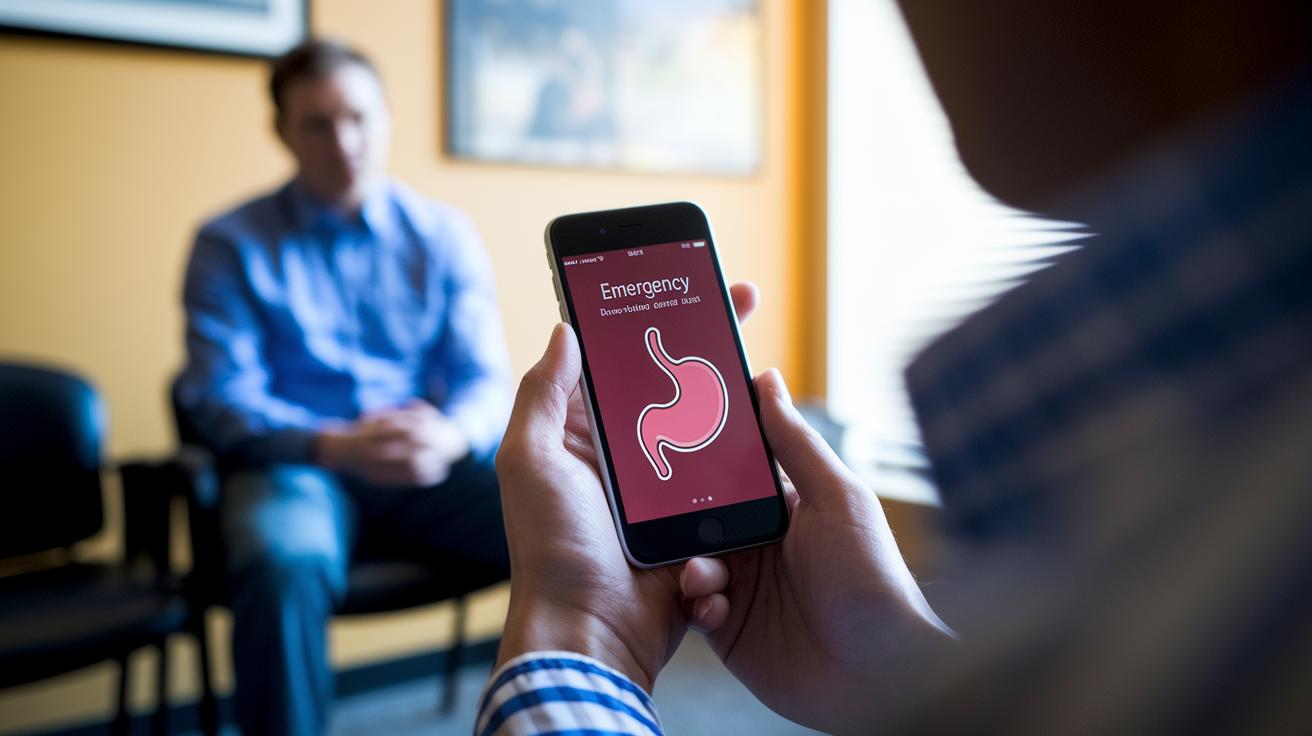
Quick take: Some stomach problems are simple, while others need prompt attention.
If you have any of these emergency signs, call emergency services now:
- Severe or recurring belly pain.
- Blood in your vomit or stool.
- Constant nausea or vomiting that leads to dehydration.
- Unexplained weight loss without changes in your diet or exercise.
Your digestive symptoms can show up in different ways. You might feel mild belly pain or occasional nausea, which can be signs of basic indigestion. But if you notice a change in weight or your discomfort becomes strong or long-lasting, it could point to infections (germs causing sickness), blockages (a stop in the normal flow in your digestive system), or even tumors (abnormal growths).
If your symptoms seem mild, try rest and keep track of what you feel. Write down the time your stomach troubles start, what you ate, and how long the discomfort lasts. This diary can really help when you talk with your doctor about your care.
Neurological and Fatigue Symptoms and What They Indicate
Quick take: Sudden changes with headache, confusion, or numbness might be serious.
Triage Box:
If you have any of these emergency signs, call emergency services now:
- A sudden, severe headache (you might describe it as the worst headache ever)
- Confusion or numbness on one side of your body
- Trouble keeping your balance or coordinating movements
Urgent: If you notice these symptoms, seek same-day care.
Summary:
Changes in your thinking, feeling, or coordination can be signals from your brain or nerves. These signs could mean a stroke, bleeding in the brain, or even an infection. It is important to act fast since early treatment can be lifesaving.
What to do now:
- Call emergency services if you experience a rushed, intense headache, confusion, or one-sided numbness.
- Go to urgent care if balance issues develop alongside these signs.
- Keep an eye on long-lasting fatigue, especially if you also notice shifts in mood or unusual tiredness. Recording when symptoms start and noting any changes can be useful.
Monitor and act:
If you feel increasingly unwell or start having thoughts of harm, it is important to get help immediately. Your symptoms give clues that something might be wrong and quick treatment can make all the difference.
Skin and Allergy Symptoms and What They Indicate

Quick take: Your skin can show early signs of health issues.
Triage Box:
• Emergency: If you have swelling in your face or throat, sudden widespread hives, or feel lightheaded, call emergency services now.
• Urgent: If a rash or spot does not heal or you notice your skin or eyes turning yellow (jaundice), contact your healthcare provider soon.
• Monitor: Keep track of any skin changes and share them with your doctor.
Rashes and other skin changes are important clues. A rash that sticks around or a spot that won’t heal might mean you have an infection or an autoimmune problem (when the body attacks itself). Hives are raised red bumps that appear fast, often without a clear reason. If your skin or eyes turn yellow, it could be an early sign that your liver isn’t working properly.
Allergic reactions also give important signals. Sudden hives or swelling in your face or throat can mean you are having an anaphylactic reaction (a severe, fast allergy), which can quickly lead to shock. In that case, it is crucial to call emergency services right away.
Noticing these changes early helps you decide when to seek care. Stay alert and talk with your healthcare provider if you’re worried.
Systemic and Miscellaneous Symptoms and What They Indicate
Quick Take: Small changes in your body can signal bigger health issues.
Triage Box:
- If you suddenly lose or gain a lot of weight, seek care soon.
- If your heart feels irregular or you have new high blood pressure, get checked.
- If you notice changes in your appetite or need to urinate more, talk with your doctor.
Changes in your body’s normal functions can be early hints that something isn’t right. When you see unexpected shifts in weight, appetite, heart rhythm, or how often you use the bathroom, it can mean that conditions like diabetes, thyroid problems, heart issues, or kidney trouble are developing. Spotting these signs early can help you decide whether you just need to monitor the situation or if it’s time for urgent care.
Weight and Appetite Changes
If you lose more than 5% of your body weight without trying, that could be a sign of diabetes, a thyroid problem, or even cancer. On the other hand, a quick weight gain along with swelling might point to heart failure or issues with your kidneys. Also, watching for sudden changes in how much you feel like eating can give you clues about problems with your metabolism or hormones.
Cardiovascular and Urinary Alerts
Feeling your heart skip a beat or beat unevenly might mean your heart is stressed. These palpitations can hint at arrhythmias (irregular heartbeats) or other heart issues. New high blood pressure, sometimes felt as recurring headaches, is another sign you shouldn’t ignore. Finally, if you find yourself urinating more often than usual, it might be an early sign of diabetes or a urinary tract infection. Keeping track of these changes and discussing them with your doctor can help with early diagnosis and proper care.
Medical Red Flags in Common Symptoms

Quick take: These warning signs may need urgent attention.
If you notice any of these red flag symptoms, act now:
- Chest pain with spreading pressure
- Severe headache
- Sudden trouble breathing
- Abrupt confusion
- Signs of a severe allergic reaction (anaphylaxis)
These issues are covered in the pain, breathing, brain, and allergy sections.
If you start having thoughts of suicide, call 911 right away.
If a skin sore does not heal in over 3 months and worsens, contact your doctor for evaluation.
Tracking Common Symptoms and Self-Assessment at Home
Quick take: Writing a simple symptom diary can help you spot changes and know when to get care.
If you experience any of these dangerous signs, call emergency services now:
- Sudden, severe chest pain
- Trouble breathing or shortness of breath
- Fainting or sudden dizziness
Keep a clear record of your symptoms. Write down what you feel, when it begins, how long it lasts, and how bad it is. This simple note-taking can reveal patterns that might otherwise go unnoticed. It also gives your doctor an easy way to see trends over time.
Note the time you feel each symptom, what you were doing at the time, and any things that seem to trigger or lessen your discomfort. Use a scale that makes sense to you for pain or discomfort. For a clear guide on how to set up your diary, check out this resource.
When you visit your doctor, bring your diary along. Sharing your records helps your clinician see a clear timeline of your symptoms and supports better, quicker decisions about your care.
Final Words
In the action, we broke down how to assess common symptoms and what they indicate. We reviewed different types of signs, from pain and respiratory to digestive and neurological alerts, and highlighted warning symptoms that require urgent attention. You now have clear steps to track your signs and communicate them effectively during appointments. Stay observant, note any changes, and act swiftly if red flags arise. Remember, understanding common symptoms and what they indicate helps you make safe, informed decisions every day.
FAQ
What is a symptom checker and what lists of symptoms can I find online?
A symptom checker is an online tool that compares your symptoms to common medical signs. It offers various lists—from A to Z—including free and AI-powered options for assessing health symptoms.
What are 5 examples of symptoms?
The five examples of symptoms include chest pain, headache, nausea, fatigue, and joint pain, each signaling potential health issues that may require attention.
What are two of the 10 symptoms you should never ignore?
The two critical symptoms you should never ignore are chest pain with pressure and a sudden severe headache, as they may indicate serious conditions like heart problems or a brain hemorrhage.
What are the 7 features of a symptom?
The seven features of a symptom are its onset, duration, intensity, location, quality (the type of pain or discomfort), accompanying signs, and triggers that make it better or worse.
What are the 10 most common illnesses?
The 10 most common illnesses include the common cold, influenza, strep throat, ear infections, bronchitis, pneumonia, sinus infections, urinary tract infections, gastroenteritis, and skin infections.