
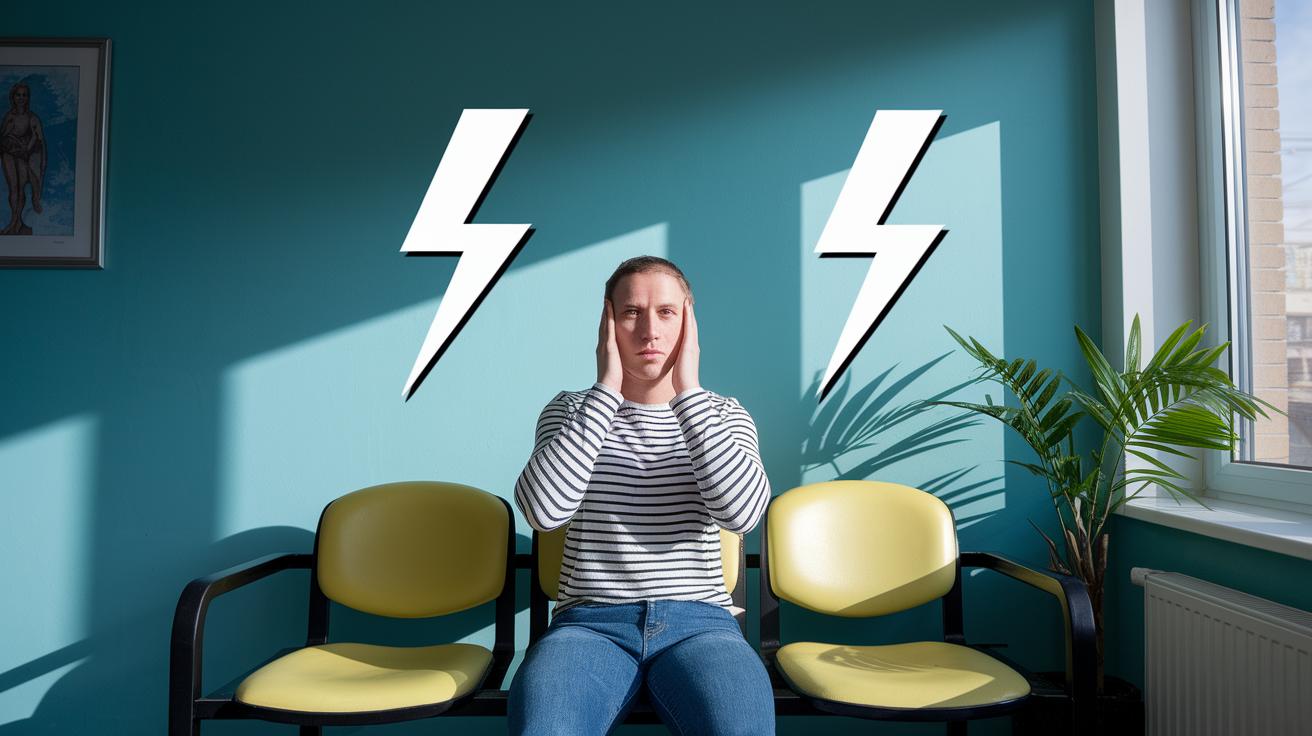

Quick Take: Cluster headaches may come in bouts or nearly constant waves, with each attack lasting 15 to 180 minutes and causing intense pain.
If you notice these emergency signs, call emergency services now:
• Sudden vision changes
• Weakness or numbness
• Difficulty speaking
• Confusion
Cluster headaches can follow two main patterns. Some come in clear cycles, while others seem almost constant. Each headache attack delivers sharp or overwhelming pain that can last from 15 to 180 minutes.
What to do:
• Track how long your headaches last and how strong the pain feels.
• Note if you experience other symptoms like vision changes, numbness, or trouble speaking.
• Share your notes with your clinician so they can help guide your treatment.
Understanding your headache pattern is important. It can help you and your clinician decide the best way to lessen the pain and manage the condition.
Cluster headache types: Clear insights for relief
Quick take: Cluster headaches are very painful attacks that follow either clear cycles with pain-free breaks or a nearly constant pattern.
Triage Box:
• If you experience new or worsening symptoms such as eye drooping, vision changes, or confusion, call emergency services now.
• If the pain becomes much more frequent or severe than usual, seek same-day medical attention.
• Otherwise, keep track of your symptoms and discuss them with your clinician.
Cluster headaches come in two main types. One type happens in clear clusters. You may have weeks or months of attacks followed by long pain-free periods. The other type appears almost continuously with little break from the pain. Each attack usually lasts between 15 and 180 minutes. About 1 in 1,000 people have these severe headaches, and they typically begin when you are between 20 and 40 years old.
The episodic form comes in cycles. During these periods, you face repeated bouts of sharp head pain. Then you enjoy long intervals without pain that can last from months to years. These clear cycles help you track and plan for when you might get an attack.
Chronic cluster headaches are different. In this form, the pain keeps coming for more than 1 year, with any break lasting less than 3 months. Although each attack still lasts 15 to 180 minutes, the short or missing breaks make this type very hard to manage every day.
| Feature | Episodic | Chronic |
|---|---|---|
| Cluster period length | Weeks to months | Persistent over 1 year |
| Remission interval | Months to years pain-free | Less than 3 months or none |
| Attack duration | 15–180 minutes | 15–180 minutes |
| Typical onset age | 20–40 years | 20–40 years |
Key Symptoms in Cluster Headache Types

Cluster headaches hit fast with one-sided, overwhelming pain around your eye or temple. This pain comes on sudden and hard to ignore.
When you have a cluster headache, the pain is very intense and is felt only on one side of your head. It often feels like a sharp, stabbing blow near your eye or temple, almost as if a heavy sledgehammer struck without warning. The pain is so severe that you might have to stop everything and sit down. Because it comes on abruptly and stays on one side, it is different from other headaches.
Along with the pain, you may notice changes in your eyes and nose. Your eye might tear up and your nose could feel stuffed or even run. You might also see a drooping eyelid or brief flashes of light before the pain starts. These signs happen because your body reacts automatically to the intense pain. It is common to feel restless and find it hard to remain still during an attack.
If you experience these symptoms, it is important to know that they are classic signs of a cluster headache and warrant specific care.
Understanding Triggers and Causes of Cluster Headache Types
Quick take: Changes in your daily habits or body can set off a cluster headache.
Triage Box:
• If you have sudden, severe headache pain with additional symptoms like eye pain, trouble seeing, or blocked nose, call emergency services right away.
• If your symptoms worsen or become very frequent, seek same-day medical help.
• Otherwise, watch your triggers and note any changes.
Everyday activities can trigger cluster headaches. For example, drinking alcohol, being near strong smells, or even napping can start an attack in some people. Watching for these triggers and making small changes, like cutting back on alcohol during active headache periods, might reduce how often you get hurt.
Doctors believe that one big reason for these headaches is a change in your blood vessels (tiny tubes that carry blood). When these vessels widen, they press on the trigeminal nerve (the nerve that feels pain in your face). Also, a part of your brain called the hypothalamus (which helps control sleep and daily cycles) may not work right. This can disrupt your body clock and affect when headaches happen.
Family history might also play a role. If others in your family have had cluster headaches, you might be more likely to develop them too. During an attack, your body releases substances like CGRP (a protein that causes inflammation) that irritate nerves and add to the pain. While some research has looked at hormones, they do not seem to have a major effect on triggering these headaches.
Understanding what may set off your attacks is an important step in managing cluster headaches. Keep track of what happens, and share this information with your healthcare provider to find the best way to protect yourself.
Diagnostic Criteria for Cluster Headache Types

A person may be diagnosed with cluster headaches if they have 5 or more attacks of very strong pain on one side of the head near the eye or temple. Each attack lasts from 15 to 180 minutes (from 15 minutes to 3 hours). You may also notice a sign on the same side as the pain, like tearing in the eye, a blocked nose, or a droopy eyelid.
Doctors will ask about your headache history and do a neurological exam. They often use imaging tests such as an MRI or CT scan to make sure nothing else is causing the pain.
Cluster headaches are different from other headaches. Migraines usually last longer and come with light sensitivity and nausea. Tension headaches are milder, usually affect both sides of the head, and do not include symptoms like eye tearing. These clear differences help your doctor decide if you have cluster headaches or another type.
Treatment Strategies for Cluster Headache Types
Cluster headaches are treated in two ways. One type of treatment helps stop an attack fast, and another helps lower the number and strength of future headaches.
Acute treatments work quickly:
- High-flow oxygen therapy: Breathe 100% oxygen at 12 L/min for 15 minutes. This helps about 70% of the time.
- Subcutaneous sumatriptan: A 6 mg injection can ease your pain rapidly.
- Intranasal zolmitriptan: This nasal spray targets the headache directly.
- Intranasal dihydroergotamine: An option if other fast treatments aren’t suitable for you.
Preventive treatments lower how often the attacks occur:
- Verapamil: Start with 240 mg per day and slowly increase to up to 720 mg per day under your doctor’s care.
- Lithium: This helps stabilize your mood. Your dose will be adjusted based on how you respond.
- Topiramate: Begin with a low dose that will be increased gradually to boost benefits and cut down on side effects.
If your headache attacks do not respond to these medications, your doctor may consider other options. In some severe cases, surgery might be an option, though it comes with risks like permanent facial numbness. Self-administered oxygen techniques and additional complementary treatments have also been explored. Always discuss any new treatment plan with your clinician to make sure it is safe and right for you.
Preventative Care and Quality of Life in Cluster Headache Types

Quick Take: Small lifestyle changes can help lower your cluster headache attacks.
Triage Box:
If you have any of these emergency signs, call emergency services now:
- Sudden extreme headache pain unlike your usual attacks.
- Vision changes or trouble speaking.
- Confusion or difficulty walking.
Urgent: Get same-day care if your headache patterns change or your usual steps no longer help.
Watch and Self-Manage: If your symptoms remain steady, track your changes and continue your self-care steps.
Lifestyle Adjustments:
Make small changes that may reduce your attacks. When you are in an active phase, avoid alcohol and tobacco because they can trigger more episodes. Change your diet by avoiding processed meats high in nitrites (chemicals that can trigger attacks). Stick to a steady sleep and wake schedule to support your body clock and help manage your headaches.
Tracking Your Symptoms:
It is important to measure how your headaches affect your life. Use tools like the HIT-6 (headache impact test) and MIDAS (migraine disability assessment) scores to track your daily function. Keep a simple log noting the score, the date, and any changes in your routine. This can help you see patterns, especially as episodic clusters may improve within 1-2 years, and lets you review your progress with your healthcare provider.
Long-Term Management:
Understanding how cluster headaches affect your quality of life helps with long-term care. Episodic clusters usually offer pain-free breaks, while chronic headaches can disrupt your day. Regular evaluation and simple lifestyle tweaks can ease the overall burden. Keep track of your progress and adjust your strategy as your symptoms change. This proactive approach can reduce the impact of headaches and help you feel more comfortable day to day.
Final Words
In the action, we broke down cluster headache types by comparing episodic and chronic forms, from cycle patterns and trigger factors to treatment options and quality of life strategies.
We reviewed key symptoms, diagnostic criteria, and various management tips to help you spot red flags early. This guide arms you with practical steps and focused information for effective care.
Keep moving forward with confidence, you have clear insights to handle these challenges.
FAQ
Cluster headache treatment
Cluster headache treatment involves both quick relief and preventive therapies. Acute treatments include high-flow oxygen and sumatriptan, while preventive medications like verapamil help reduce attack frequency and severity.
Is cluster headache dangerous
Cluster headaches are not typically life-threatening, but the severe pain and impact on daily activities require prompt evaluation and effective management.
What causes cluster headaches
Cluster headaches are linked to blood vessel dilation around the trigeminal nerve and hypothalamic dysfunction. Triggers such as alcohol and strong odors may also provoke an attack.
Can cluster headaches kill you
Cluster headaches are not known to be fatal. The extreme pain they cause is serious, but they do not directly lead to death. Proper treatment should be sought to avoid complications.
Cluster headache pain scale
The cluster headache pain scale reflects the extreme intensity of the pain, often rated very high. This rating highlights why these headaches are considered among the most painful of all headache disorders.
What causes cluster headaches everyday
What causes cluster headaches everyday can be due to a chronic pattern where neurovascular issues persist, triggering frequent daily attacks. Underlying abnormalities and ongoing exposure to triggers play a role.
Mild cluster headache
Mild cluster headache refers to instances where the pain may be less intense than typical attacks. However, cluster headaches are usually severe, so any notable headache should be evaluated by a clinician.
Cluster headache relief massage
Cluster headache relief massage suggests that gentle massage may ease muscle tension around the neck, offering some comfort. However, it is a secondary approach and should complement medical treatment.
Are there different types of cluster headaches?
There are different types of cluster headaches, mainly categorized as episodic and chronic forms. Episodic clusters come in active periods with pain-free intervals, while chronic clusters occur more continuously over time.
Can cluster headaches cause nausea?
Cluster headaches can cause nausea in some individuals. While nausea is more common with migraines, the severe pain and autonomic symptoms of cluster headaches may also lead to stomach discomfort.
How to fix cluster headache?
How to fix a cluster headache involves a combination of fast-acting treatments and preventative strategies. Quick relief is achieved with oxygen therapy or sumatriptan, while long-term treatment is customized by your healthcare provider.
Can pregnancy cause cluster headaches?
Cluster headaches during pregnancy are not typical; hormonal changes may alter headache patterns, but cluster headaches usually have other underlying origins. Discuss any new or worsening symptoms with your provider.