


Quick Take: You can ease chest pressure at home with simple breathing and rest, but if your symptoms worsen, call emergency services immediately.
If you have any of these emergency signs, call emergency services now:
- Severe chest pain
- Trouble breathing
- Feeling faint
Chest tightness can feel scary and even hurt. It often comes on when you're stressed or need a break. Here are some steps to try at home:
- Take slow, deep breaths. Inhale through your nose and exhale through your mouth.
- Sit in a comfortable position. Find a spot where you can relax and let your chest ease.
- Rest. Give yourself a break from whatever you’re doing.
If your symptoms get worse or you feel very unwell, seek help right away.
Immediate Chest Tightness Relief Techniques
Quick take: These techniques can calm mild chest tightness at home, but call emergency services right away if red flags develop.
Triage Box:
• If you have severe chest pain, pressure that spreads to your arm or jaw, trouble breathing, heavy sweating, or nausea, call emergency services now (911 in the US).
• If your tightness worsens quickly, seek same-day medical care.
• If your symptoms are mild, use these steps and monitor how you feel.
Chest tightness can feel scary, but these non-drug methods are designed to help ease your discomfort until you can get further care if needed. They work by calming your body and opening your airways quickly.
Here are some steps you can take right at home:
- Practice diaphragmatic breathing: Breathe in slowly through your nose for 4-5 seconds, hold your breath for 2-3 seconds, then slowly breathe out through pursed lips for 6-8 seconds.
- Rest in a comfortable position: Sit or lie down in a relaxed posture to ease the strain on your chest muscles.
- Use a humidifier: Adding moisture to the air can ease throat irritation and help you breathe more comfortably.
- Change your body position: Sitting upright or slightly elevating your head can help open your airways and reduce constriction.
If you notice your symptoms getting worse or if you experience severe pain, pressure spreading beyond your chest, sweating, or nausea, stop and call emergency services immediately. These home techniques are only for light chest tightness and are not a replacement for professional care. Keep track of your symptoms, note when they occur and any changes, and seek help as soon as you can if you feel unsafe.
Understanding Chest Tightness Relief: Common Causes

Quick Take: Chest tightness can come from breathing issues, heart problems, acid reflux, or anxiety. Check for danger signs and act quickly if symptoms worsen.
Triage Box:
- If you have severe chest pain, pain spreading to your jaw or arm, difficulty breathing, or you feel faint, call emergency services now.
- If your symptoms get worse or do not improve soon, seek same-day medical care.
- For mild symptoms, try simple home care and monitor your condition.
Breathing problems like asthma, bronchitis, or COPD often cause chest tightness along with wheezing, coughing, or shortness of breath. You might notice your chest feels tight when you are active and feels better when you rest. This may mean your airways are inflamed or narrowed. Using controlled breathing techniques and good posture can help ease the discomfort.
Heart issues and acid reflux can also lead to chest pressure. For instance, angina or heart failure may cause pain that spreads to your jaw or arm. Acid reflux often gives a burning feeling and pressure after meals. Recognizing these cues can help you decide whether you need to ease the chest pressure or address acid reflux with proper remedies.
Anxiety and panic attacks can trigger chest tightness too. You might feel a heavy pressure and breathe quickly even if your heart and lungs are normal. Simple calming exercises and mindfulness techniques are useful to relieve this kind of tightness and help restore a sense of calm.
Breathing Exercises for Chest Tightness Relief
Quick take: This simple breathing routine can help ease chest tightness and calm your body.
Start by sitting or lying comfortably. Deep, slow breaths can relax your muscles and boost oxygen flow.
- Breathe in slowly through your nose for 4-5 seconds. If a longer inhale feels better, adjust the timing slightly.
- Hold your breath for 2-3 seconds so oxygen can reach deep into your lungs.
- Exhale slowly through pursed lips for 6-8 seconds.
- Pause briefly after exhaling before starting the next breath.
Do this breathing routine for about 5 minutes, three times a day. With regular practice, your body may relax faster and ease chest tightness.
Calming Techniques and Stress Management for Chest Tightness Relief
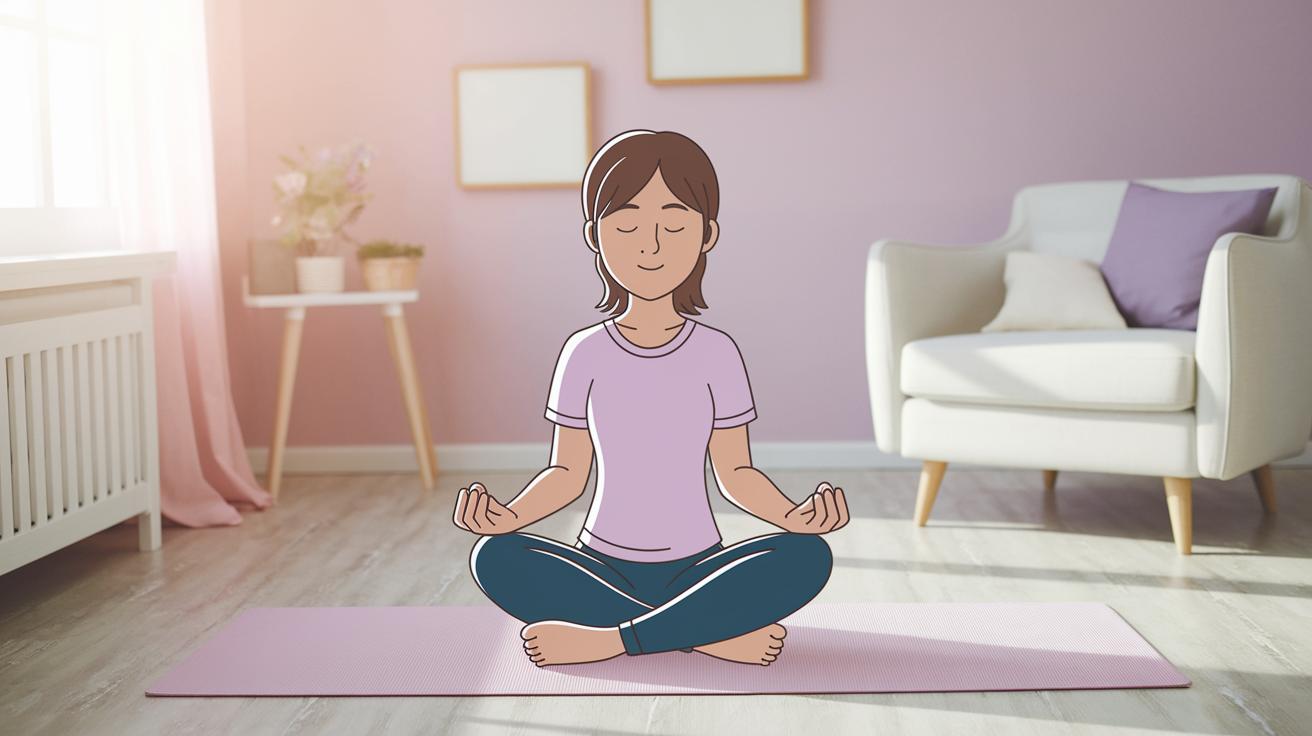
Quick take: Calming techniques can ease chest tightness caused by stress.
Triage Box:
• If you have severe chest pain, trouble breathing, or feel faint, call emergency services now.
• If your symptoms get worse quickly, seek same-day medical help.
• For mild symptoms, try these calming steps and track your progress.
Stress can make your chest feel tight. When you’re anxious, your body releases chemicals that tighten your muscles and cause shallow breaths. This makes your chest feel heavier. Using calming techniques can help slow these reactions and bring you relief.
Mindfulness Techniques
Mindfulness can help keep your thoughts grounded and ease stress. Try a simple body scan: slowly move your focus from your toes up to your head. Notice any spots where your muscles feel tight and gently let them relax. At the same time, pay attention to your breathing. Aim for 10 to 15 minutes each day. This routine can help you feel more centered and reduce chest tightness.
Yoga and Meditation Practices
Gentle yoga combined with meditation can relieve chest pressure. For example, try the child’s pose to stretch your back softly or a chest opener to widen your rib cage. While you hold these poses, take slow, deep breaths to encourage deeper relaxation. Spending 15 to 20 minutes on this routine can help ease both stress and the tight feeling in your chest.
Regular practice of these techniques may lower the chances of chest tightness and help you feel more at ease. Remember, if your symptoms worsen or new concerns arise, get help right away.
Chest Tightness Relief: Instant Calm Remedies
Quick Take: Natural remedies may ease mild chest tightness, but if you have severe pain or trouble breathing, get help immediately.
Triage Box:
• Call emergency services now if you experience severe chest pain that lasts, trouble breathing, or pain that spreads to your left arm or jaw.
• Seek same-day medical help if your chest tightness worsens or does not improve within a day.
• Use these simple self-care steps if your symptoms are mild and you feel safe at home.
Home care with natural remedies and small diet changes can help ease chest tightness. A warm cup of ginger tea may reduce swelling and soothe chest pressure. A warm compress placed on your chest can relax your muscles and lessen the tight feeling. Running a humidifier adds moisture to dry air, which helps open your airways and makes breathing easier. Eating balanced meals filled with fruits, vegetables, lean proteins, and whole grains can lower inflammation and support your overall comfort.
| Remedy | How to Use & Benefit |
|---|---|
| Ginger Tea | Sip ginger tea to use its natural benefits that lower swelling and relieve chest pressure. |
| Warm Compress | Gently place a warm cloth on your chest to help relax tight muscles. |
| Humidifier | Add moisture to the air with a humidifier to ease congestion and breathing problems. |
| Anti-inflammatory Meal | Eat a balanced diet rich in fruits, vegetables, lean proteins, and whole grains to reduce overall inflammation. |
Try to make these remedies part of your daily routine. Start your day with ginger tea and, later, use a warm compress to calm your chest muscles. Keep a humidifier running in dry weather, and try to enjoy meals that help lower inflammation. Notice how you feel and keep a simple note of any changes. This record might be useful if you need to discuss your symptoms with your healthcare provider.
When Chest Tightness Relief Needs Professional Care

If your chest feels tight and the pain keeps coming back with no clear reason, it’s time to see your doctor. Keep track of when the tightness starts, how long it lasts, and any extra symptoms you notice. For example, you might write down: "Started at 3:00 PM, lasted 10 minutes, felt a mild squeeze with some shortness of breath."
Your healthcare provider may run tests like an ECG (a test that checks your heart’s electrical signals) or a chest X-ray (a picture of your lungs) to find the cause. When you visit, share your record of symptoms so your doctor can review the findings and decide if more tests or treatment changes are needed. This careful check-up helps you get the right care while avoiding repeated safety reminders.
Final Words
In the action, we focused on immediate chest tightness relief and practical steps you can take at home. We covered non-drug methods like deep breathing, proper rest, using a humidifier, and the right positioning. We also discussed stress reduction techniques and home remedies that can ease mild symptoms.
Follow these tips and monitor your response. Track your symptoms and seek care if your condition worsens. Stay proactive and confident in your journey to find chest tightness relief.
FAQ
How do I relieve chest tightness from anxiety, shortness of breath, or wheezing?
Relieving chest tightness from anxiety, shortness of breath, or wheezing can involve deep breathing (diaphragmatic breathing), resting comfortably, adjusting your posture, and using a humidifier. If symptoms worsen, seek professional help.
How can I ease chest congestion, cough, and tight chest symptoms in kids or adults?
Easing chest congestion, cough, and tight chest symptoms may involve using a warm compress, staying hydrated, practicing gentle breathing exercises, and using a humidifier, especially for kids. If symptoms persist or worsen, consult a healthcare provider.
Why does my chest feel tight, heavy, or like I can’t breathe?
A chest that feels tight, heavy, or makes it hard to breathe might be due to anxiety, respiratory issues, or heart conditions. It is crucial to get immediate evaluation if you experience severe pain or other red flags.
What helps chest tightness go away?
Chest tightness can be helped by practicing breathing exercises, resting, using self-care remedies like a humidifier or warm compress, and managing stress, though persistent issues should be reviewed by a healthcare professional.
When should I worry about chest pain in pregnancy?
Chest pain during pregnancy that comes with severe discomfort, difficulty breathing, or other concerning symptoms may signal complications. It’s important to seek immediate medical attention and consult your provider to ensure your safety.