
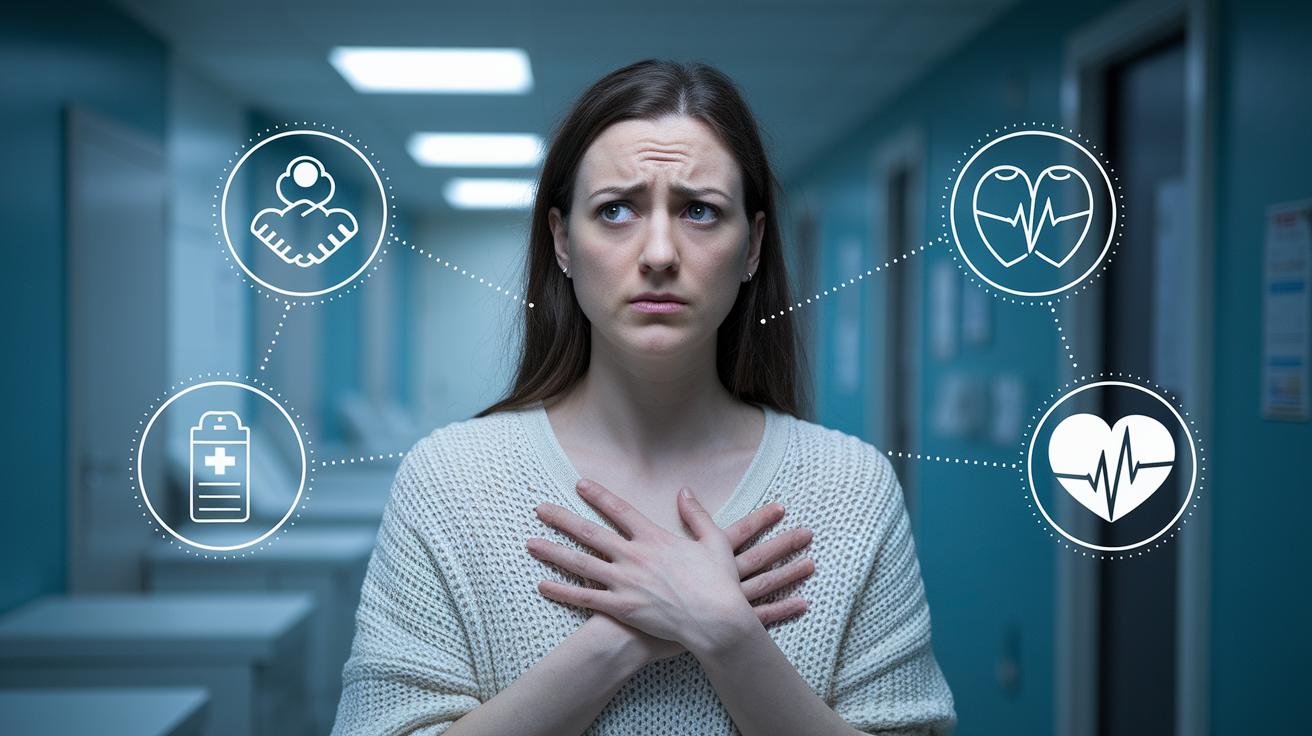

Quick Take: A tight, squeezing chest might be your heart trying to tell you something important.
If you experience any of these signs, call emergency services right away:
• Chest pain that feels heavy and spreads to your arm, neck, or jaw
• Shortness of breath, feeling dizzy, or breaking out in a cold sweat
• Severe discomfort that does not get better in a few minutes
Have you ever felt a tight squeeze in your chest and wondered if something was wrong? Many women simply chalk it up to stress or heartburn. But sometimes, that tightness can be more than a mild irritation, it might be a sign your heart is signaling distress. In this guide, we explain what this chest pressure could mean and share clear steps to take charge of your heart health. Learn the warning signs and protect the most important organ in your body.
Chest tightness in women: Embrace Heart Wellness
Quick take: Chest tightness in women can be a sign of heart trouble.
Triage Box:
If you have any of these emergency signs, call emergency services now:
- Chest pain that spreads to your arms, jaw, neck, or back
- Trouble breathing or severe shortness of breath
- Fainting or feeling very weak
Urgent: If your chest tightness continues or worsens, seek same-day medical care.
Self-care: Rest, note any extra symptoms (like sweating, nausea, or unusual tiredness), and get checked by a doctor if it does not improve.
Chest tightness in women often feels like a heavy, squeezing pressure in your chest. You might notice it like a tight band wrapping around your upper body. This feeling usually sits in the middle of your chest but can spread to nearby areas, and it is a sign that your body is trying to tell you something important.
Women may experience heart symptoms in ways that differ from the typical, crushing pain seen in men. For example, the pain might extend to the jaw, neck, or back. Some women describe the discomfort as severe indigestion rather than typical heartburn. You might also feel extra tired, sweaty, or even sick to your stomach. One woman put it simply: "I felt like I had run a marathon even though I hadn't moved."
Heart disease is the top cause of death for women in the United States. Almost 50% of women do not know they are at risk. Even if your chest tightness is mild or comes and goes, it could signal a serious problem, such as coronary artery disease or a heart attack. Do not ignore these symptoms. If you experience ongoing chest pressure, it is essential to get medical help right away to protect your heart.
Cardiac origins of chest tightness in women: heart attack and microvascular angina
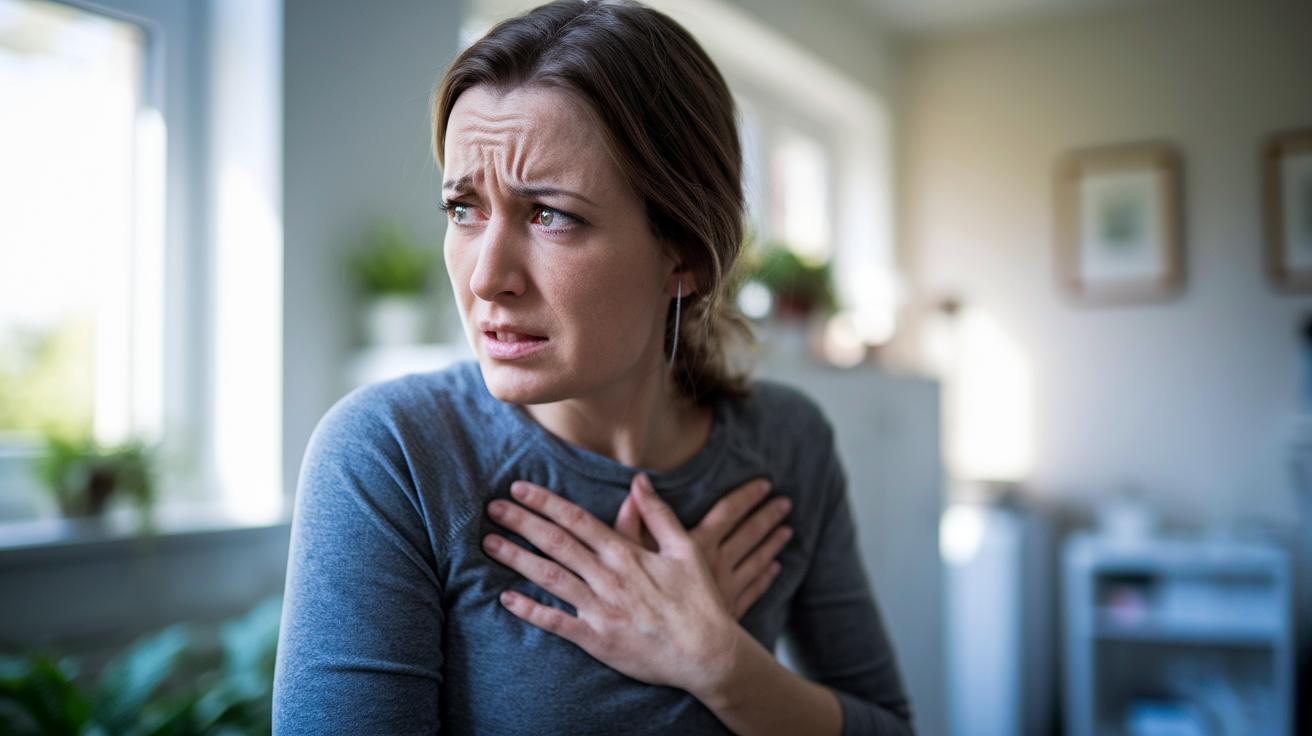
Quick take: Chest tightness in women may be caused by a heart attack or by microvascular angina from tiny blood vessels not allowing enough blood flow.
Triage Box:
If you have any of these emergency signs, call emergency services now:
- Crushing or severe chest pain
- Pain that spreads to your back, neck, or jaw
- Trouble breathing or feeling very lightheaded
Classic angina causes a heavy, crushing pain when large heart arteries are blocked. Often, surgery or stents help with these blockages.
Microvascular angina is different. It happens when the tiny arteries that feed your heart do not supply enough blood, even without any major blockages. This means the chest tightness comes from small vessel problems that do not improve with surgery. Instead, medicine is used to boost blood flow and ease the pain.
Women with microvascular angina may have higher risks of stroke, heart attack, and heart failure. The normal treatments for classic angina often do not work well here. That is why it is important to track your symptoms and get regular check-ups.
Heart attacks in women can also look different. Instead of a classic crushing pain, you might feel a steady, unusual ache that spreads to your back, neck, or jaw. You may also feel tired, nauseous, or lightheaded. One woman described it as an "ache that spread in all directions, not just my chest." These odd symptoms can delay seeking help because they might not seem like a heart attack at first.
Time is muscle. There is a critical 48-hour window for seeing a specialist to protect your heart. If you notice any unusual chest pressure or other signs, seek help right away.
Musculoskeletal causes of chest tightness in women: costochondritis and beyond
Quick take: Chest discomfort from rib or muscle issues is usually sharp and worsens with pressure or movement.
If you have any of these emergency signs, call emergency services now:
- Severe, widespread chest pressure or pain.
- Difficulty breathing or shortness of breath.
- Pain that feels like it could be a heart problem (such as pressure spreading to arm or jaw).
Costochondritis is an inflammation of the rib cartilage. This condition causes a sharp pain near the center of your chest, especially around the breastbone. The pain usually worsens when you press on the spot or take a deep breath. Many women notice that the pain is worse after sleeping or when they’ve been active. If you feel tenderness along the upper ribs that increases with pressure, it is likely costochondritis and not heart-related.
Other musculoskeletal problems, like a muscle strain or a minor injury to the ribs, can also lead to chest tightness. With these issues, the pain often changes when you move or touch the area. This means the pain is due to a problem in the chest wall, not your heart.
Use these points to help decide:
- If the pain is sharp, small, and worsens with pressure, think costochondritis.
- If the pain gets worse with certain movements or when the muscles are touched, it might be a muscle strain or a small rib injury.
Keep track of your symptoms. If the pain spreads, becomes very severe, or you notice new symptoms, seek urgent care.
Gastrointestinal and respiratory triggers of chest tightness in women
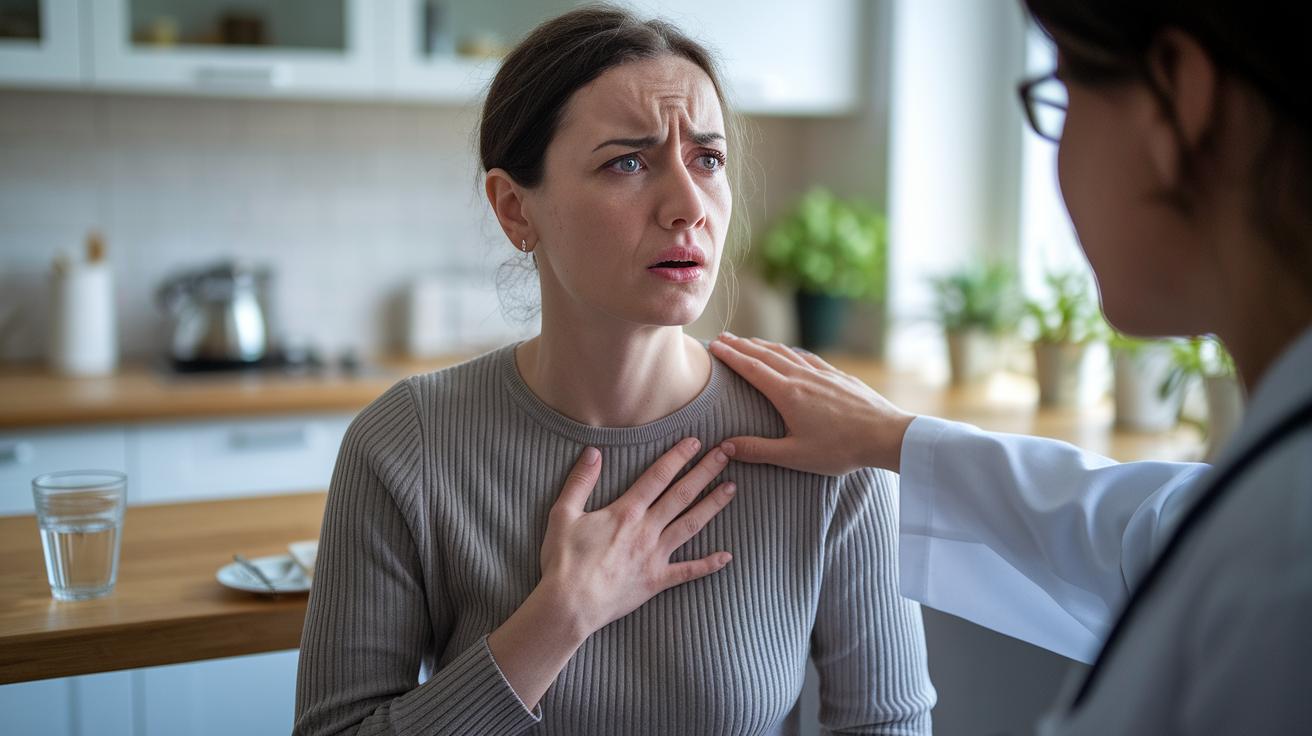
Quick take: Chest tightness in women may come from acid reflux or breathing problems, not just heart issues.
Triage:
- If you have sudden, sharp chest pain or severe trouble breathing, call emergency services now.
- If you notice rapid breathing or you can’t catch your breath, seek urgent care.
Acid reflux (when stomach acid flows back into the esophagus) and GERD can create a tight, burning, or squeezing chest pain that often mimics heart issues. Many women report that this discomfort appears after eating or when lying down. To ease these symptoms, try antacids, avoid spicy or acidic foods, eat small, frequent meals, or elevate your head while sleeping.
Respiratory issues also bring on chest tightness. Asthma can narrow your airways, causing a tight feeling during deep breaths or exercise. More serious conditions, like a pulmonary embolism (a blood clot in the lung), can lead to a sudden, severe shortness of breath along with chest pressure. If you experience rapid breathing, sharp pain, or find it hard to breathe, seek immediate care.
Anxiety and stress-related chest tightness in women
Quick take: Anxiety can make your chest feel tight, usually from stress, not a heart problem.
If you have any of these emergency signs, call emergency services now:
- Severe chest pain that does not go away
- Pain spreading to your arm, neck, or jaw
- Trouble breathing or very shortness of breath
- Fainting or an extremely fast, irregular heartbeat
Urgent: If the tightness lasts more than a few minutes or gets worse, seek same-day medical care.
Watch and self-manage: If the chest tightness comes with stress or worry and eases with calm techniques, keep track of your symptoms and try home care steps.
Anxiety and panic can make your chest feel very tight. During a panic attack, your muscles contract fast, creating a sharp, squeezing pressure across your chest. Your heart may beat quickly, and you might feel a band-like tightness that makes it hard to breathe. This is your body’s natural way of reacting to fear and stress.
Everyday stress, such as work pressures, relationship issues, or sudden life changes, can trigger these episodes. You might also breathe shallowly, feel tense, or have a general sense of unease. Although these symptoms can look like heart problems, they are most often linked to emotional stress.
For relief, try deep breathing exercises. These slow your heart rate and help calm your nerves. Progressive relaxation, tensing and then slowly releasing muscle groups, can ease muscle tightness. Mindfulness, or staying focused on the present moment, may help ease anxiety. Regular activities like gentle exercise or quiet time might lower how often these tight episodes occur and help you feel more at ease.
Red flags and diagnosis of chest tightness in women: when to seek care

If you have any of these emergency signs, call emergency services immediately:
- Sudden chest tightness with heavy sweating
- Nausea or vomiting with chest pain
- Dizziness or lightheadedness that makes you unsteady
- Pain that spreads to your arm, jaw, neck, or back
- Severe shortness of breath that limits your breathing
- Fainting or almost passing out
- Ongoing, unexplained tiredness
- Fast or irregular heartbeat
These signs can point to a serious heart issue. Doctors will run tests to see if your symptoms stem from heart problems and choose the best treatment.
| Test | Purpose | What it shows |
|---|---|---|
| ECG | Checks your heart’s electrical activity | Irregular rhythms or heart damage |
| Troponin test | Finds signs of heart muscle damage | Heart injury or attack |
| Exercise stress test | Watches how your heart works during activity | Low blood flow when stressed |
| Chest X-ray | Looks at your heart and lung structure | Possible heart failure or lung problems |
If any test is positive or your symptoms worsen, seek medical help right away. Acting fast can reduce risks and protect your heart.
Managing and preventing chest tightness in women at home
Quick take: Chest tightness can stem from mild strain, stress, or inflammation. Follow these steps and act now if symptoms worsen.
Triage Box:
• If you have severe, crushing chest pain, pain spreading to your arm or jaw, shortness of breath, dizziness, or heavy sweating, call emergency services now.
• If your pain lasts more than a few minutes or worsens quickly, seek same-day medical help.
• For mild symptoms, rest, use self-care steps, and monitor how you feel.
When you first feel chest tightness, stop what you’re doing and rest until the tightness eases. Taking a break from heavy activities helps your body recover. You may take an over-the-counter pain reliever if the pain is mild. Try using a warm compress for a few minutes and then switch to an ice pack to calm any inflammation. One woman shared, "I always keep a cold pack nearby and take a short break when the tightness begins," which might work for you too.
Eating a balanced diet can also help lower inflammation. Aim for meals rich in fruits, vegetables, and whole grains. Drink plenty of water and cut down on processed foods. Even small changes, like eating moderate portions at regular times, support your heart health.
Gentle stretching and light exercises can ease muscle tension and boost blood flow in your chest. Simple stretches done slowly may reduce discomfort. If you can, work with a physical therapist to learn safe chest exercises that strengthen your muscles without straining you.
Practicing stress relief is another key step. Taking slow, deep breaths or doing progressive muscle relaxation can help lower anxiety and ease tightness. Set aside a few calm minutes each day for mindfulness or quiet time. These habits can prevent chest tightness from coming back and help you feel more at ease over time.
Final Words
In the action, you reviewed chest tightness in women, its many causes, and key warning signs. We touched on heart, chest-wall, digestive, respiratory, and stress-linked causes. You now have a guide on when to seek care and how to manage symptoms safely at home.
This clear breakdown helps you monitor changes, make informed decisions, and share focused details with clinicians. Stay empowered and confident as you take charge of your health.
FAQ
Female pain in middle of chest?
The female pain in the middle of the chest may indicate issues such as heart conditions, muscle strain, or gastrointestinal troubles. It often comes with other symptoms like fatigue, jaw pain, or shortness of breath.
How to relieve chest tightness?
Relieving chest tightness can involve resting, deep breathing, and using over-the-counter pain relievers. Applying heat or cold may help, and if discomfort persists or worsens, you should consult a healthcare provider.
What causes chest pain in a woman, including on the left side or between the breasts?
Chest pain in women, whether on the left side or between the breasts, can result from heart issues, musculoskeletal strain, acid reflux, or anxiety. Monitoring accompanying symptoms and seeking medical advice is essential.
When should a woman worry about chest pain?
You should worry about chest pain if it comes with sweating, nausea, shortness of breath, or pain radiating to the arm or jaw. Such signs could indicate a heart attack and need immediate medical attention.
Why does my chest feel tight as a woman?
Feeling chest tightness may stem from stress, muscle strain, inflammatory issues like costochondritis, or cardiac conditions such as microvascular angina. Tracking symptoms and getting evaluated can help determine the cause.
What are three warning signs of a heart attack in females?
Three warning signs include chest pressure with shortness of breath, pain radiating to the left arm or jaw, and unexpected, extreme fatigue. These symptoms signal a need for urgent evaluation by a healthcare provider.
Where is chest pain in a woman’s body typically located?
Chest pain in women is typically felt in the center of the chest but can also extend to the left side, back, neck, or jaw. Recognizing these patterns is important for timely medical assessment.