


Quick take: A heavy, tight chest can be due to stress or indicate something more serious.
Triage Box:
• If you have severe chest pain, call emergency services now.
• If you struggle to breathe or feel faint, seek emergency care.
• If pain spreads to your arm, jaw, or back, call for help immediately.
Sometimes you may feel an unexplained weight on your chest that makes your heart race and your thoughts turn anxious. While stress can be a common cause, a heavy chest might also signal a more serious problem.
Here’s what you need to do:
- Stay calm. Notice if the pain is sharp, burning, or simply a heavy pressure.
- Check for other symptoms: Are you short of breath? Do you feel dizzy or lightheaded?
- If you experience any of the red flags listed above, call emergency services immediately.
Keep track of how long you feel this way, how strong the pain is (mild, moderate, or severe), and any other changes, like sweating or nausea. Write these details down, and share them with your clinician if the symptoms worsen or if you need to visit urgent care.
This guide is here to help you spot the signs early and act safely. Remember, while a heavy chest can feel frightening, you know the steps to take if things change. Stay safe and take care.
Recognizing Chest Heaviness: When Your Chest Feels Heavy and What to Do
Quick take: Chest heaviness can be serious, if you notice red flags, act immediately.
Triage Box:
If you have any of these emergency signs, call emergency services now:
- Sudden, crushing pressure or pain lasting more than 15 minutes.
- Pain that spreads to your jaw or arm.
If you feel your breathing is labored or you become short of breath, seek urgent care.
Chest heaviness often feels like a heavy pressure or squeezing in your chest. It might also show up in your jaw, back, neck, shoulders, or arms. The pain can be sharp, dull, burning, or stabbing. It usually gets worse with activity and eases during rest. These signs may mean something isn’t right.
If you suddenly feel a tight, heavy pressure that lasts more than 15 minutes or spreads to your jaw or arm, call emergency services right away. These symptoms mimic a heart attack, so don’t wait.
Here’s what you should do if you notice these symptoms:
- Stop any physical activity.
- Sit down or lie down to rest.
- Check if you are having trouble breathing or feeling short of breath.
- Use slow, controlled breathing and note if you still have trouble catching your breath.
Pay close attention to your body. Keeping track of how the heaviness changes with rest or movement can help you decide when to see a doctor.
Cardiac Reasons Your Chest Feels Heavy
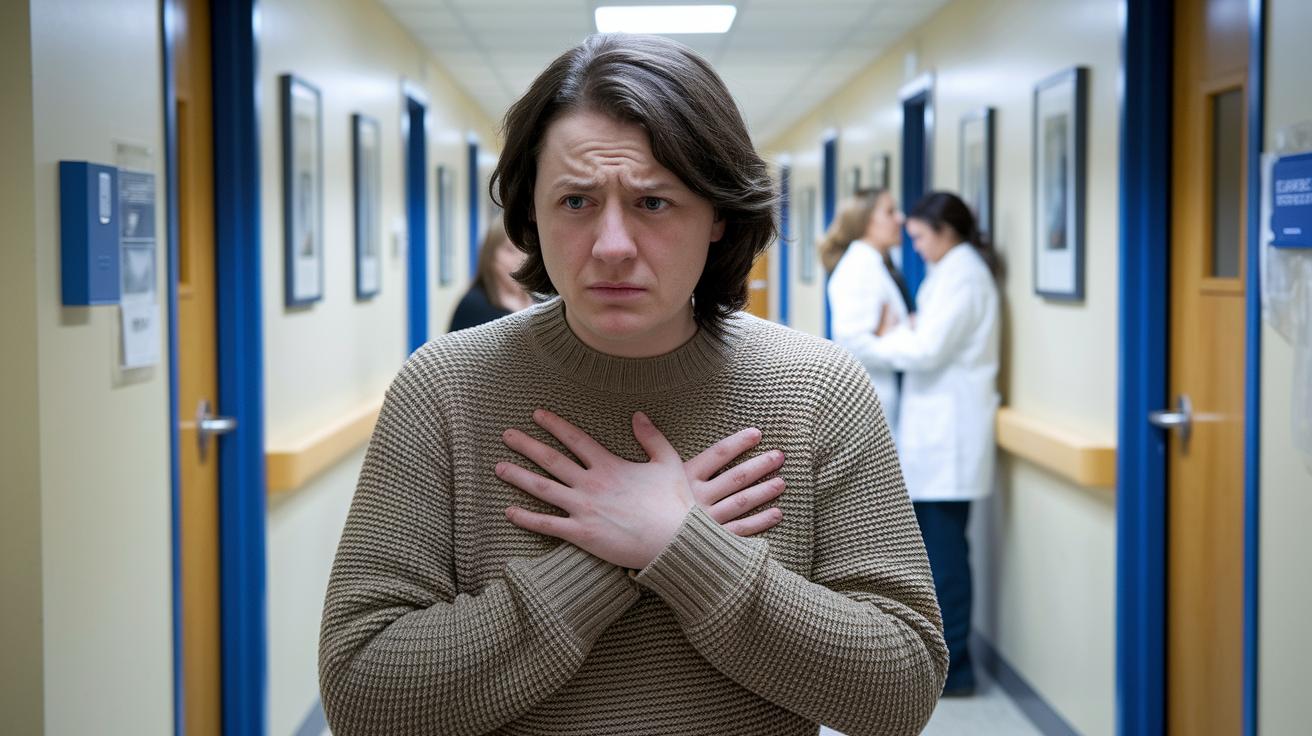
Quick take: A heavy chest can be a sign of heart trouble. Monitor your symptoms and get help if they worsen.
Triage Box:
• If you have severe pain lasting more than 5 minutes, call emergency services now.
• If you feel very short of breath or notice a fast or irregular heartbeat, seek same-day medical care.
• If you suddenly feel dizzy or faint, don’t wait, get help immediately.
One common reason for a heavy chest is angina. Angina happens when plaque buildup narrows the coronary arteries (the blood vessels that supply your heart). This means less blood reaches your heart, causing feelings of pressure or squeezing.
If the heaviness sticks around, it could be a sign of a heart attack (myocardial infarction). A heart attack occurs when the heart muscle isn’t getting enough oxygen-rich blood. This situation is serious, so don’t delay if the pain lasts more than a few minutes or gets worse.
Sometimes, arrhythmias (irregular or fast heartbeats) can create a pressure in your chest. You might notice your heart racing or fluttering, which can be unsettling.
Heart failure is another possibility. In heart failure, fluid can build up in your lungs, making you feel even heavier when you lie down. You might also feel like breathing is becoming more difficult.
Pericarditis, which is inflammation of the heart lining, can also cause a heavy chest. This usually feels like a sharp, tightening pressure that may come on suddenly. Recognizing these signals is important because each of these conditions affects blood flow and needs timely medical attention.
Non-Cardiac Origins of Chest Heaviness
Sometimes a heavy chest does not mean your heart is in trouble. Often you may feel tightness or pressure because of lung problems or a pulled muscle in your chest. Knowing what else can cause this feeling can help you understand what is really happening.
Pulmonary and Respiratory Factors
When you have an asthma attack or a COPD (chronic obstructive pulmonary disease) flare-up, you might notice your breathing becomes hard and your chest feels very heavy. You may also hear a wheeze along with extra mucus that makes the tight feeling worse. Infections like pneumonia or bronchitis can bring on long bouts of coughing that strain the muscles between your ribs. This extra work when you cough may make your chest feel even heavier each time you take a deep breath. It means your lung tissues are not getting enough oxygen, which adds to the weight and pressure you feel.
Musculoskeletal Contributors
Other times, the heaviness you feel comes from the muscles and bones in your chest, not from your lungs. Overusing your intercostal muscles (the muscles between your ribs) from overexertion, heavy coughing, or a small injury can cause soreness and a pulling feeling along your ribcage. This pain might also be accompanied by a distinctive sound or sensation when you move. Costochondritis (inflammation in the rib-cartilage joints) can cause sharp or aching pain that gets worse when you move or take a deep breath. You might feel more pressure if you twist or stretch. In these cases, gentle rest and light stretching can help relieve the discomfort. Paying attention to which movements make the pressure worse or better can provide useful clues about your condition.
Digestive Causes of Chest Heaviness: Acid Reflux and Thoracic Strain

Quick take: Digestive issues like acid reflux and hiatal hernia can make your chest feel heavy and burning.
If you have any of these emergency signs, call emergency services now:
• Trouble breathing, sharp chest pain, pain spreading to your arm or jaw, or feeling faint.
• Severe, worsening pain that does not improve.
If your chest heaviness occurs mainly after meals or when you lie down, consider these self-care steps:
• Eat smaller meals.
• Avoid foods that trigger acid reflux, such as spicy dishes, caffeine, or alcohol.
• Wait at least a couple of hours before lying down after eating.
Acid reflux happens when stomach acid flows back into your esophagus (the tube connecting your mouth to your stomach). This can cause a burning feeling or make your chest feel heavy. Large or spicy meals often trigger more acid, which can worsen the symptoms. Lying down soon after eating may allow acid to move upward, increasing discomfort.
A hiatal hernia is when part of your stomach pushes up into your chest. This can add to your feeling of chest heaviness because gravity makes the pressure stronger. Sometimes, ulcers or esophagitis (irritation of the esophagus) can also cause pain in the mid-chest, adding extra strain.
Knowing what triggers your symptoms is key. If you notice chest heaviness right after eating or when you lie down at night, you might be dealing with digestive strain. Adjusting meal size, avoiding trigger foods, and waiting before reclining can help ease the discomfort.
| Trigger | Chest Discomfort |
|---|---|
| Large or spicy meal | Heavy, burning chest |
| Lying down soon after eating | Increased pressure and burning |
| Caffeine or alcohol | Worsened acid reflux |
How Stress Makes Your Chest Feel Heavy: Anxiety and Panic Impact
Quick take: Stress can make your chest feel heavy and give you a racing heartbeat.
Triage:
If you have any of these signs, call emergency services now:
• Severe chest pain that spreads
• Fainting or difficulty breathing
• Sudden, intense shortness of breath
When you feel stressed or anxious, your body goes into fight-or-flight mode. This natural reaction tightens your chest muscles and narrows your airways, making it hard to breathe. You might also notice your heart beating fast or fluttering. Although this can feel scary, it is usually a stress response rather than a sign of a heart problem.
During a panic attack, adrenaline (a hormone that speeds up your heart) floods your system. This surge makes the heaviness in your chest worse and can leave you feeling short of breath. Even though it feels uncomfortable, the tightness is caused by stress hormones, not by heart damage.
Try these steps to ease the discomfort:
• Take slow, deep breaths: Breathe in through your nose so your belly rises, then exhale gently through your mouth.
• Relax your muscles: Tighten your chest muscles for a few seconds, then release them.
• Move to a calm space: If you can, step away from the stress and find a quiet area to calm down.
These simple techniques may lower stress hormones and help relieve the tight feeling in your chest. If your symptoms continue or get worse, talk with a healthcare professional.
Chest feels heavy: Stay Calm, Get Clarity
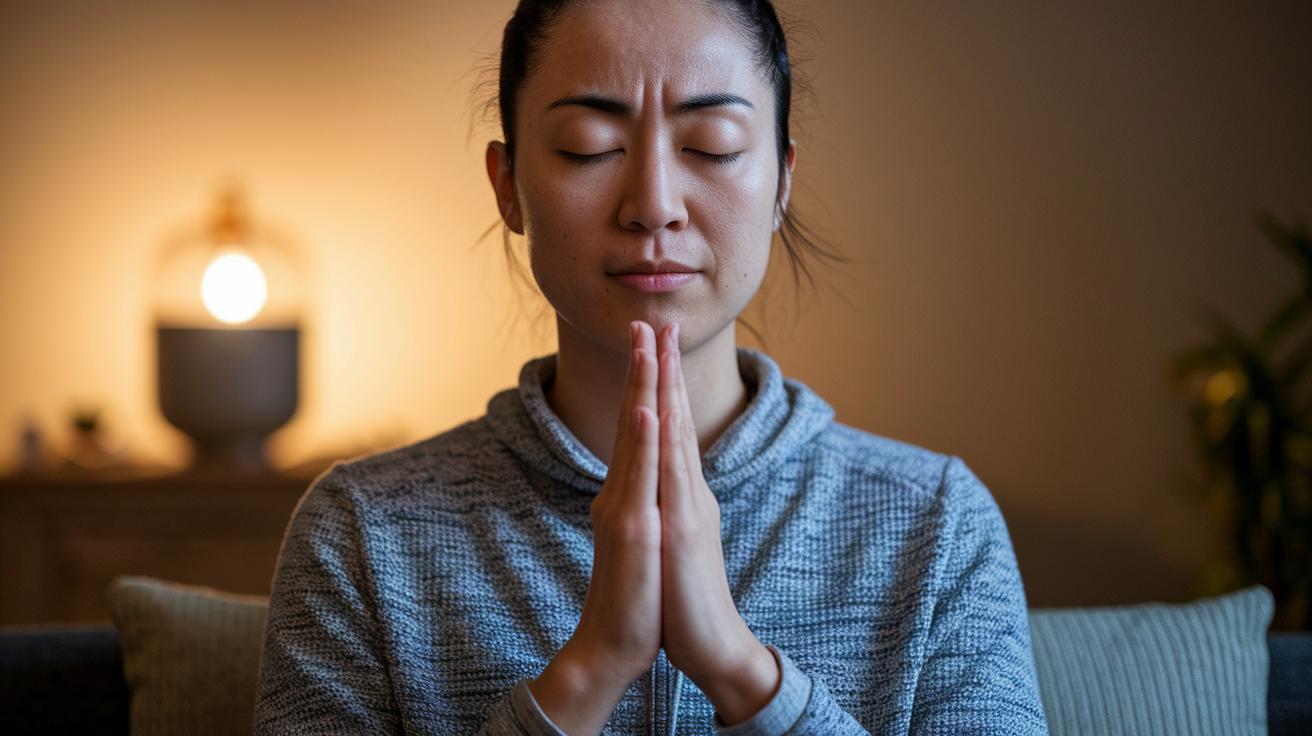
If your chest feels heavy but doesn’t seem related to your heart, try these simple self-care tips:
- Breathe slowly through your nose, letting your belly rise, then exhale gently through your mouth.
- Relax your muscles by tightening your chest and shoulder muscles for 5 seconds, then slowly let go.
- Close your eyes and picture a calm place, like a quiet beach at sunset, and imagine the warm sun easing the weight on your chest.
- Gently press the area just below your collarbone with firm pressure for 10 seconds, then release and repeat a few times.
- Place a warm towel over your chest to help ease muscle tightness.
- Keep a good posture, drink plenty of water, and avoid heavy meals before lying down.
If your symptoms get worse or don’t improve, contact a healthcare professional right away.
When to See a Doctor for Chest Heaviness
Quick take: Sudden or long-lasting chest heaviness may signal a heart issue.
Triage:
• Emergency: If you feel chest heaviness along with dizziness, fainting, heavy sweating, vomiting, shortness of breath, or a squeezing pressure in your chest, call emergency services immediately.
• Urgent: If the heaviness keeps coming back or lasts several minutes, even if it seems to ease, get evaluated right away.
• Monitor: Even if the discomfort improves, repeated episodes need a quick check with your doctor.
A doctor will ask about your symptoms, conduct a physical exam, and order tests like an ECG (a test that tracks your heart rhythm), blood tests, and imaging scans to find out if your chest heaviness is heart-related or caused by something else.
- Call emergency services if you experience chest heaviness with difficulty breathing or a squeezing feeling in your chest.
- Have repeated or long-lasting chest heaviness checked even if it seems better later.
- Learn more by reviewing guidelines like how emergency room triage works.
Final Words
In the action, this guide shows how a chest feels heavy and explains several causes, from heart problems to lung conditions, digestive reflux, and stress. It offers clear steps for self-care, like breathing exercises, and stresses the need to call emergency services when red flags appear, such as persistent chest pain or short breath episodes.
You now have focused tips to track your symptoms and share with your doctor. Stay safe and take positive steps.
FAQ
Why does my chest feel heavy emotionally?
The feeling of a heavy chest emotionally can come from stress or anxiety triggering muscle tightness. Using deep breathing and calming techniques may help ease this sensation.
Why does my chest feel heavy without pain or other symptoms?
A heavy, odd sensation in your chest without pain may result from mild reflux, muscle strain, or anxiety. Monitor the feeling and consult a doctor if it persists.
Why does my chest feel heavy and I can’t breathe properly?
A heavy chest with difficulty breathing may be linked to panic, asthma, or other respiratory issues. Seek medical advice if the breathing problems continue or worsen.
Why does my chest feel tight and heavy?
Tightness and heaviness in your chest might be caused by stress, cardiac, or lung issues. Noting additional signs like radiating pain or lightheadedness helps decide if urgent care is needed.
How can I relieve chest tightness and pressure?
To ease chest tightness, try slow, deep breathing and gentle chest stretches. Resting and staying hydrated can also help; if discomfort continues, get a medical evaluation.
Why does my chest feel heavy and extend to my throat?
A heavy chest that reaches the throat can be linked to acid reflux or anxiety. If you experience difficulty swallowing or worsening symptoms, consult a healthcare professional.
Should I go to the ER if my chest feels heavy?
If your chest feels suddenly heavy, is severe, or comes with trouble breathing, radiating pain, dizziness, or sweating, you should call emergency services immediately.