


Quick take: Waking up with chest discomfort might be simple acid reflux, or it could be a sign of a more serious heart issue.
If you have any of these emergency signs, call emergency services now:
• Severe chest pain that won’t go away
• Pain spreading to your arm, neck, or jaw
• Trouble breathing or feeling very dizzy
Sometimes, waking up with chest pressure is just reflux (acid rising from the stomach). Other times, it can point to heart trouble. This guide explains what might be causing that unsettling pressure and lists clear red flags you should never ignore.
Follow these steps:
- Note your symptoms: When did they start? How long do they last? Do they get worse with movement or eating?
- Stay calm and rest. If you feel worse or see any red flags, act now and seek care.
- Keep a simple record of what you feel. This helps a clinician decide what to do next.
Staying aware of your symptoms helps you catch warning signs early and take the right actions to protect your heart and overall well‐being.
Overview of Chest Discomfort at Night: Causes, Risks, and Immediate Actions
Quick take: Chest discomfort at night can be a simple acid reflux or a sign of a serious heart problem.
Red Flags – Call emergency services now if you have any of these:
- Shortness of breath
- Pain that spreads to your arm, jaw, or back
- Dizziness or feeling like you might faint
- A rapid or irregular heartbeat
- Excessive sweating
- Pain that does not go away or gets worse
Your chest discomfort might feel like a burning pain from acid reflux (stomach acid backing up) or a pressure from your heart working hard due to narrowed arteries. If you only feel a little pain sometimes, it could be non-cardiac. But if the discomfort wakes you up, changes with body position, or is accompanied by other signs, it is important to get it checked.
Here’s what you can do now:
- If you notice any red flags from the list above, call emergency services immediately.
- For less urgent discomfort that persists or worsens, schedule an evaluation with a heart specialist.
- Keep track of your symptoms: note when the pain occurs, what it feels like (sharp, burning, dull), and any changes in your breathing or heart rhythm.
- Write down any other signs you experience so you can share them with your doctor.
Your doctor may use tests to see if the cause is related to your heart and suggest treatments like lifestyle changes, medications, or procedures. If you have further concerns or need a consultation, please call (407) 572-8900 or (407) 572-8873.
Remember, this information is not a substitute for professional medical advice. It is important to act promptly if you have any worrying symptoms.
Common Cardiac and Non-Cardiac Causes of Nighttime Chest Discomfort
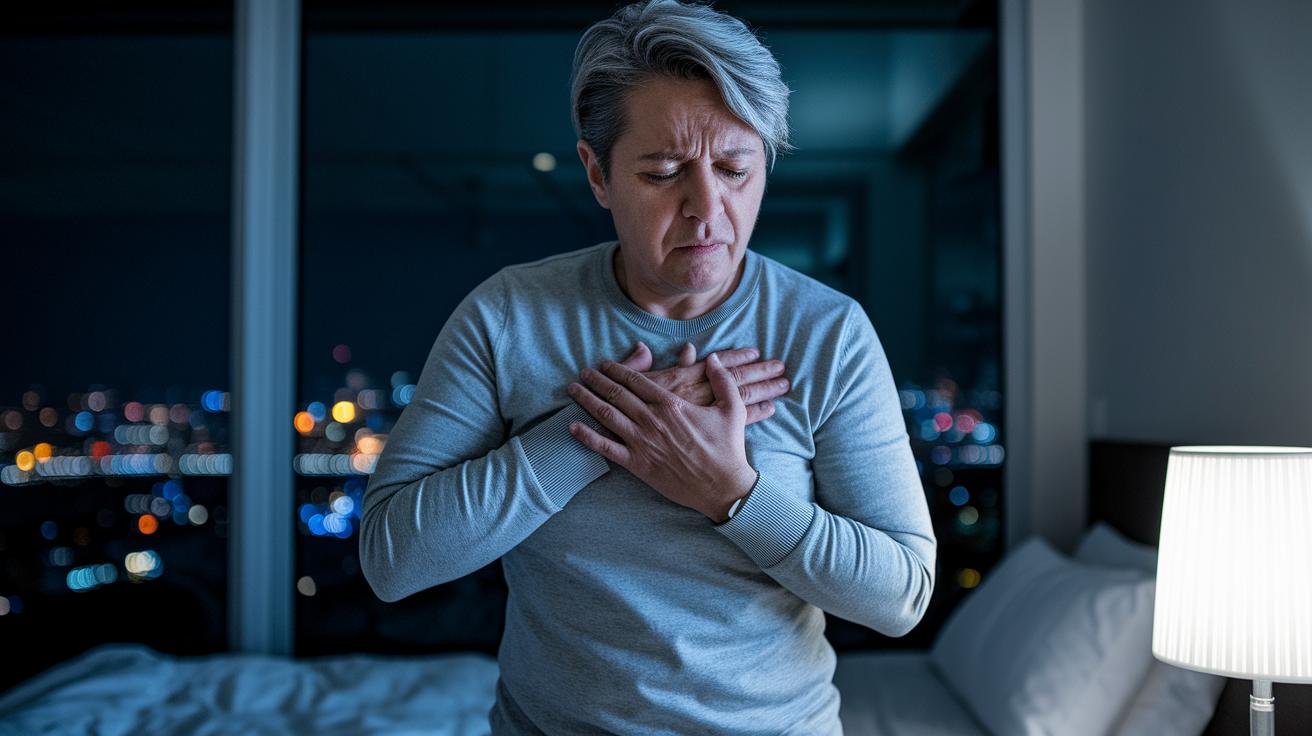
Quick take: Nighttime chest discomfort can come from heart issues or other causes, so it’s important to know when to seek care.
Triage:
• If you experience severe or crushing chest pain, difficulty breathing, or fainting, call emergency services immediately.
• If the pain is mild and does not include these red flags, monitor your symptoms and contact your clinician if they worsen.
Angina and Cardiac Ischemia
Angina happens when your heart’s arteries narrow. This limits blood flow and can cause a heavy, tight pressure in your chest, often when you’re resting. It feels like a constant ache that may quietly worsen at night.
Acid Reflux (GERD)
GERD, or gastroesophageal reflux disease, occurs when stomach acid irritates your esophagus (the tube that connects your mouth to your stomach). This results in a burning sensation known as heartburn. Lying down can let acid flow upward and trigger these symptoms at night.
Anxiety and Panic Disorders
Anxiety and panic attacks can lead to a tight chest, fast heartbeats, and shortness of breath during sleep. These symptoms might mimic heart problems, making it hard to tell if the discomfort comes from stress or a heart issue.
Costochondritis and Musculoskeletal Issues
Costochondritis is inflammation of the cartilage connecting your ribs to your breastbone. It causes a sharp, localized pain that can worsen with movement or deep breaths, especially when you shift positions in bed.
Respiratory Conditions
Respiratory problems such as pleurisy (inflammation of the lung lining) can cause sharp chest pain when you take deep breaths. This pain may wake you up and is linked to changes in lung pressure when you lie flat.
| Cause | Key Symptoms | What Triggers It |
|---|---|---|
| Angina | Heavy pressure, tightness | Lying down may increase cardiac strain |
| GERD | Burning sensation, heartburn | Supine position encourages acid reflux |
| Anxiety | Chest tightness, fast heart rate, short breath | Stress and sleep disturbances |
| Costochondritis | Sharp, localized rib pain | Movement or deep breaths in bed |
| Respiratory Conditions | Stabbing pain that worsens with breath | Lying flat increases lung pressure |
Recognizing When Nocturnal Chest Pain Requires Emergency Attention
If you have chest pain at night along with key warning signs like trouble breathing, pain spreading to your arm, jaw, or back, sweating, nausea, or feeling faint, take action right away. At night, you may also experience a fast heartbeat, sudden palpitations (a racing heart), near-fainting spells, or chest tightness with a headache. These symptoms could point to a hypertensive emergency (dangerously high blood pressure).
If these signs come on quickly or several appear together, call emergency services immediately (in the US, dial 911). For more help in deciding whether to use urgent care or go to the emergency room, check out When to seek emergency care for chest pain (https://spiritsocietyofpa.com?p=287).
Diagnostic Evaluation of Sleep-Associated Cardiac Ache

Quick take: Nighttime chest pain can come from the heart or other causes. If you feel new or worsening chest pain at night, check for serious signs.
If you have any of these emergency signs, call emergency services now:
- Severe, crushing chest pain
- Shortness of breath or fainting
- Pain spreading to your arm or neck
Doctors do a series of tests to find out why you feel chest pain at night. They want to know if it’s a heart problem or something else. A careful check helps rule out dangerous issues and guides the best treatment.
The first step is usually an electrocardiogram (ECG). This test looks at your heart’s electrical signals to spot problems like reduced blood flow (ischemia, which means less blood to the heart) or irregular heartbeats (arrhythmias). Another test is an echocardiogram, which uses sound waves to create a picture of your heart. This helps your doctor see if there are valve issues or segments of the heart that aren’t moving well.
Sometimes, your doctor may ask you to take a stress test on a treadmill or use medication to make your heart work harder. This test checks if the heart shows signs of ischemia when it’s under stress. Blood tests that measure enzymes like troponin or CK-MB (proteins released when the heart muscle is damaged) can also help confirm or rule out a heart injury.
Imaging tests may include a chest X-ray or a CT scan. These tests look at your lungs and other structures around your heart. They help the doctor understand if something other than the heart is causing your symptoms.
After all these tests, your doctor reviews the results together. If anything unusual shows up, you might need more tests or treatments. If everything looks normal, you may be advised to make some lifestyle changes and keep an eye on your symptoms. This way, if anything changes, you can get care quickly.
Lifestyle and Home Strategies to Alleviate Late-Hour Chest Discomfort
Quick Take: Simple home changes can ease your chest discomfort at night and help you sleep better.
Triage Box:
If you have any of these signs, call emergency services now:
- Severe chest pain that lasts longer than 10 minutes
- Shortness of breath or dizziness along with the pain
- Pain that spreads to your arm, neck, or jaw
At home, try these easy tips:
• Use a wedge pillow or raise the head of your bed. This can lessen acid reflux (acid coming up from the stomach) and help your heart work less when you lie down.
• Eat light in the evening. Avoid heavy meals, spicy foods, caffeine, and alcohol before bed to help keep heartburn and irritation at bay.
• Practice deep breathing or progressive muscle relaxation before sleep. These techniques can ease the tightness that anxiety may cause.
• Apply a warm compress (like a warm towel) to your chest for about 10 minutes to help ease pain that might come from muscle strain.
• Keep your bedroom at a comfortable temperature to avoid chills that might worsen chest tension.
If your symptoms do not improve or start to worsen, contact your healthcare provider right away. Persistent chest pain that disrupts sleep or comes with other concerning signs should be checked by a professional.
Adjusting Sleep Position to Reduce Supine Heaviness and Tightness
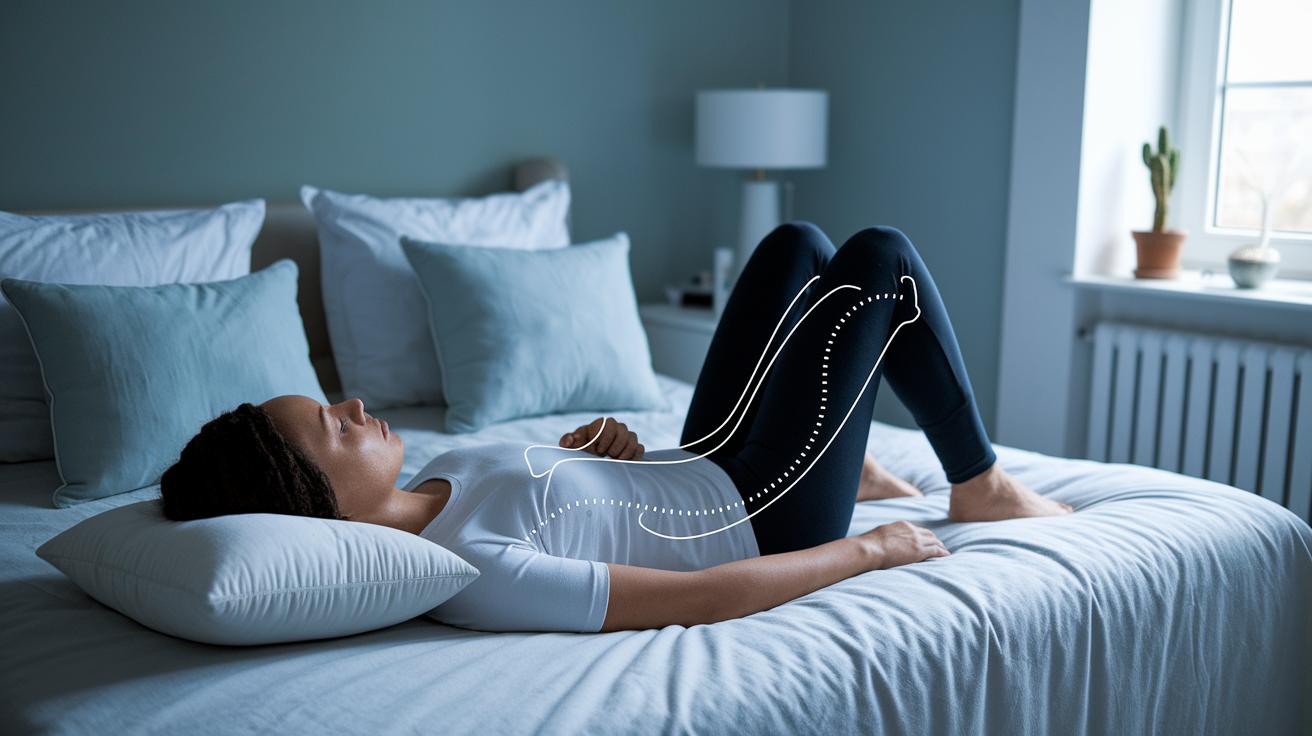
Lying on your back flattens your natural curves, which puts extra pressure on your chest and upper body. This position can make acid reflux (stomach acid coming back up) worse and force your heart to work harder against gravity. The extra weight on your midline can also stress your rib cartilage and other sensitive areas.
Raising your upper body can ease this strain. Keeping your torso at a 30-45° angle helps prevent stomach acid from backing up and lightens the load on your heart. Switching to a side-sleeping position shifts the weight away from the middle of your body and eases chest pressure. This small change can help you feel more supported and relaxed during the night.
Try adjusting your sleep position gradually. Use a wedge pillow or bed risers to slowly get used to the new angle. Make small changes over several nights and see if one side works better for you. These tweaks in your sleep posture can quickly help reduce nighttime chest discomfort.
Tracking and Sharing Sleep-Related Chest Discomfort for Better Care
Keeping a diary of your chest discomfort at night can really help you and your doctor figure out what is happening. By writing down your symptoms, you may notice patterns in the pain, changes in your sleep position, or signs like a racing heart or feeling short of breath. This diary can guide your doctor in checking if the pain comes from acid reflux, stress, or heart-related issues.
Write down the key details each time you feel the discomfort. For example, include:
- The time it happened (like 2:15 AM)
- The pain level on a scale from 1 to 10 (1 being mild and 10 very severe)
- Your sleep position when it started (on your back, side, or with your head raised)
- Any extra signs you noticed (such as a fast heartbeat or short breath)
Before you see your doctor, look over your diary and see if you spot any trends. This information helps your healthcare team decide what tests are needed and how best to treat you. It makes your visit more efficient and gives your doctor a clear picture of your nighttime discomfort.
Remember, tracking your symptoms like this is a practical step you can take to get the care you need.
Final Words
In the action, we broke down causes for chest discomfort at night, from mild acid reflux to more serious heart issues. We highlighted urgent red flags like shortness of breath and radiating pain. We also shared practical tips such as adjusting sleep positions and tracking symptoms to share with your clinician. Use these guidelines to decide whether you need emergency care, a same-day evaluation, or home monitoring for chest discomfort at night. Stay proactive, follow these steps, and move forward with confidence in managing your health.
FAQ
Chest pain at night woman
The chest pain at night in women often stems from causes such as acid reflux, muscle strain, or even cardiac issues. Monitoring the pain and seeking medical advice if it worsens is essential.
Chest pain when lying down but not standing up
The chest pain when lying down that eases upon standing commonly points to acid reflux, muscle strain, or a posture-related issue. Adjusting your sleep position and avoiding heavy meals may help reduce discomfort.
Left side chest pain when lying down at night
The left side chest pain when lying down at night may come from causes like heartburn, anxiety, or, less commonly, cardiac issues. It is important to consult a healthcare provider if the pain intensifies or accompanies other symptoms.
When to worry about chest pain female
Chest pain in females should raise concern if it lasts several minutes or is associated with shortness of breath, dizziness, or pain radiating to the arm, jaw, or back. Immediate medical evaluation is advised in such cases.
What causes chest pain in a woman
The causes of chest pain in women include acid reflux, stress-related muscle strain, anxiety, and cardiac issues. Keeping track of symptoms can help your doctor determine the underlying cause.
Female pain in middle of chest
Middle chest pain in women may be linked to conditions such as acid reflux, anxiety-related muscle tension, or angina. Reporting persistent pain to a healthcare provider is key to receiving proper care.
Middle chest pain while sleeping
Middle chest pain during sleep might be due to acid reflux, anxiety, or heart-related issues like angina. Noting the pain’s duration and any additional symptoms helps in determining if prompt care is needed.
Female chest pain location
Female chest pain can appear in the mid or left side areas and may result from gastrointestinal, musculoskeletal, or cardiac causes. A comprehensive evaluation is recommended to determine the source of the discomfort.
Why does my chest feel uncomfortable at night?
The uncomfortable chest feeling at night may arise from reflux, anxiety, or muscle strain from lying flat. Keeping a symptom diary can aid your doctor in diagnosing the exact cause for better treatment.
What are the four signs of an impending heart attack?
The four signs of an impending heart attack include chest pain with shortness of breath, pain radiating to the arm or jaw, a heavy sweating game, and nausea. These warning signs require swift medical attention.
What causes costochondritis in kids?
Costochondritis in kids, an inflammation of the rib cartilage, is commonly triggered by a minor injury or a viral infection. Though the condition is usually mild, ongoing or severe pain warrants evaluation by a healthcare provider.
What is a dull ache in the chest?
A dull ache in the chest typically results from acid reflux, mild anxiety, or muscle strain. If the ache persists or is accompanied by other symptoms, seeking advice from a clinician ensures proper diagnosis and care.