

Quick take: Not drinking enough water can hurt your nerves and lead to a headache.
Triage Box:
• Red flags: If you have a very severe headache, feel confused, or almost faint, call emergency services now.
• Urgent: If your headache gets worse or you notice signs like a dry mouth, little urine, or extreme thirst, seek same-day care.
• Self-care: Drink water or an electrolyte drink, rest, and try to relax.
Sometimes when you skip water, you might feel a nagging head pain. Many people think dehydration just makes you thirsty. But a lack of fluids can put stress on your nerves and trigger a pounding headache. In this post, we explain how losing water affects your brain and why you may feel that pulse in your head. Stay refreshed by drinking enough fluids and follow these simple steps to keep head pain away.
Dehydration as a Direct Cause of Head Pain
Quick take: Not drinking enough water can trigger a headache.
If you have any of these emergency signs, call emergency services now:
• Confusion or severe dizziness
• Fainting or loss of consciousness
• Extreme thirst with no ability to keep fluids down
When your body loses more water than you drink, it struggles to work correctly. Losing fluids through sweating, urination, or even vomiting reduces your blood volume and important minerals (electrolytes like sodium, potassium, and calcium). This drop can stress your nerves and make your brain shrink slightly, pulling on sensitive tissues and causing head pain.
Common ways dehydration happens:
• Sweating a lot during exercise or in hot weather
• Drinking alcohol or caffeinated beverages that make you pee more
• Being at high altitudes where your body holds less water
• Losing fluids from diarrhea or vomiting
• Frequent urination or taking medications that work like diuretics
• Not drinking enough water, especially in dry or heated places
Keeping your fluids and minerals balanced helps your nerves send clear signals. When this balance is off, you may feel a steady, throbbing headache. Monitor your water intake and watch for other symptoms. If your headache worsens or you experience any red flags, seek help immediately.
Recognizing Dehydration Headache Symptoms
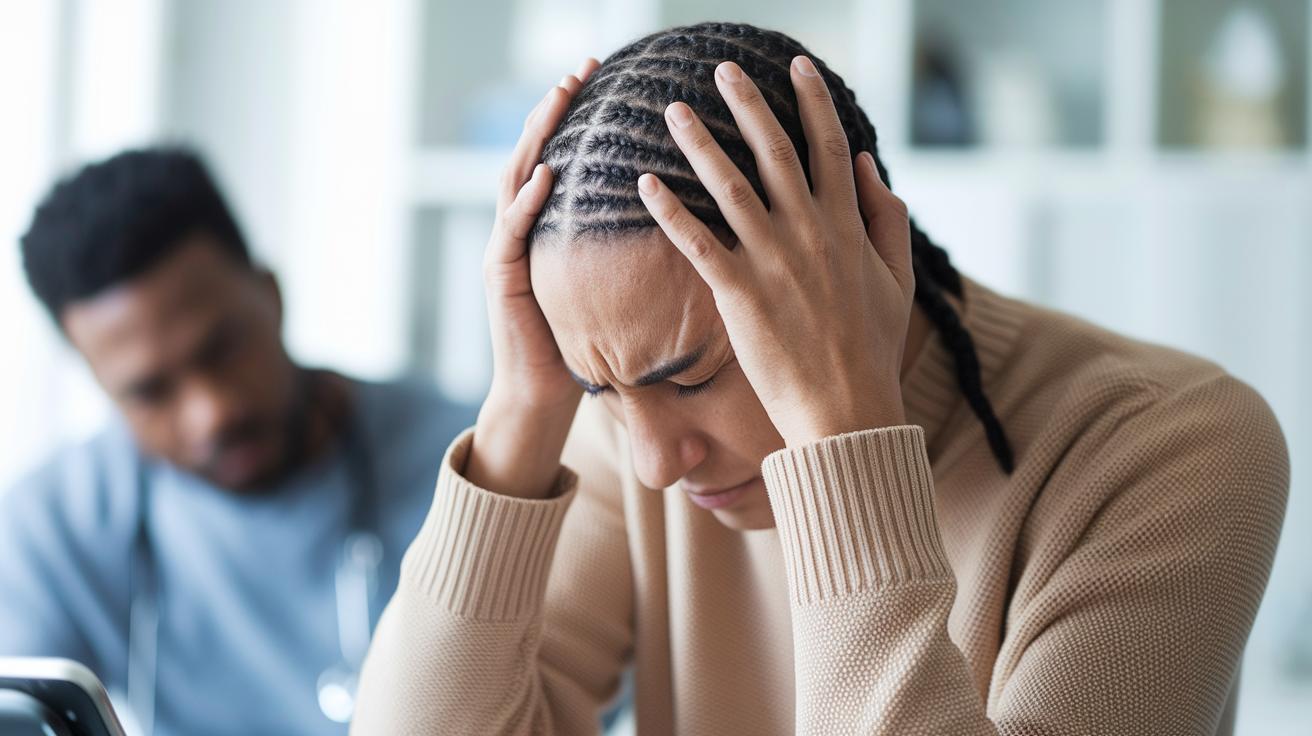
Quick take: Dehydration can cause a strong, throbbing headache and a tight scalp.
Triage: If you experience any of the following, call emergency services now or seek urgent care:
- Severe confusion or disorientation
- Intense, worsening headache with constant pain
- Profound dizziness, making it hard to stand or walk
- Inability to drink water due to extreme dry mouth
Dehydration headaches feel heavy and pulsating. You might notice your scalp feels very tight or sore, making it difficult to relax or focus. Bright lights might seem harsh and worsen your pain, while a dry mouth reminds you that you need fluids. Your eyes could also feel irritated or gritty.
In addition to head pain, dehydration may cause dizziness, low energy, and a foggy mind. You might also feel a bit nauseous. When you experience a mix of these signs, throbbing pain, tight scalp, light sensitivity, dry mouth, dizziness, fatigue, and nausea, it strongly suggests your body needs more water. Recognize these signals, rehydrate, and rest to ease your discomfort.
How Fluid Loss Triggers Cranial Strain
When you lose fluid by sweating, breathing, or peeing, your blood volume drops. This means there is less cushioning fluid (cerebrospinal fluid) for your brain. With less cushion, your brain can shrink slightly and pull on sensitive tissues, which causes headache pain.
At the same time, losing too much fluid disrupts important minerals such as sodium, potassium, and calcium. These minerals help nerve cells send clear signals. Without them in balance, nerves may misfire and add to your headache.
Think of it like a wired circuit. A small drop in fluid sets off a chain reaction that affects both your brain’s support and its electrical signals, which together trigger the head pain you feel.
Relief Strategies for Dehydration-Induced Head Pain

Quick take: Drinking fluids and taking simple steps can ease your headache quickly.
If you have any of these red flags, call emergency services now:
- Severe confusion or trouble waking up
- Fainting or a very weak pulse
- Extreme dizziness that keeps getting worse
Dehydration often causes a headache. When you feel head pain from not enough fluids, act fast:
• Drink 16–20 ounces of water or an electrolyte drink.
• Have an oral rehydration solution with sodium and potassium (minerals that help balance fluids).
• Rest in a cool, shady place for 15–30 minutes.
• Apply a cool compress on your forehead or neck.
• If needed, take an over-the-counter pain reliever like ibuprofen.
• Avoid drinks like alcohol or caffeinated beverages which can worsen dehydration.
These steps help restore your body’s fluid balance and often ease the headache quickly.
Crucial Red Flags: When Dehydration Head Pain Requires Help
Quick take: Dehydration headaches can be dangerous, especially if you are in a high-risk group.
Triage Box:
- Call emergency services now if you experience any of these: severe tiredness, confusion, dizziness that makes it hard to stand, fainting, or a very fast heartbeat.
Some people are more at risk when dehydration causes a headache. Babies, young children, older adults, and those with diabetes or other long-term conditions hold less water in their bodies. This means even a mild headache might signal a bigger problem. It is important to watch closely for any signs of dehydration.
Here is what to do:
• If you feel extreme tiredness, confusion, dizziness that stops you from standing, fainting, or notice your heart beating fast, act right away.
• If your headache does not get better after 24 hours of drinking fluids, contact your healthcare provider or go to urgent care.
• Always seek help immediately if these red flags get worse.
Remember, if you notice these warning signs, it means your body is not getting enough fluids. Acting fast can help prevent more serious issues.
Hydration Guidelines to Prevent Head Pain
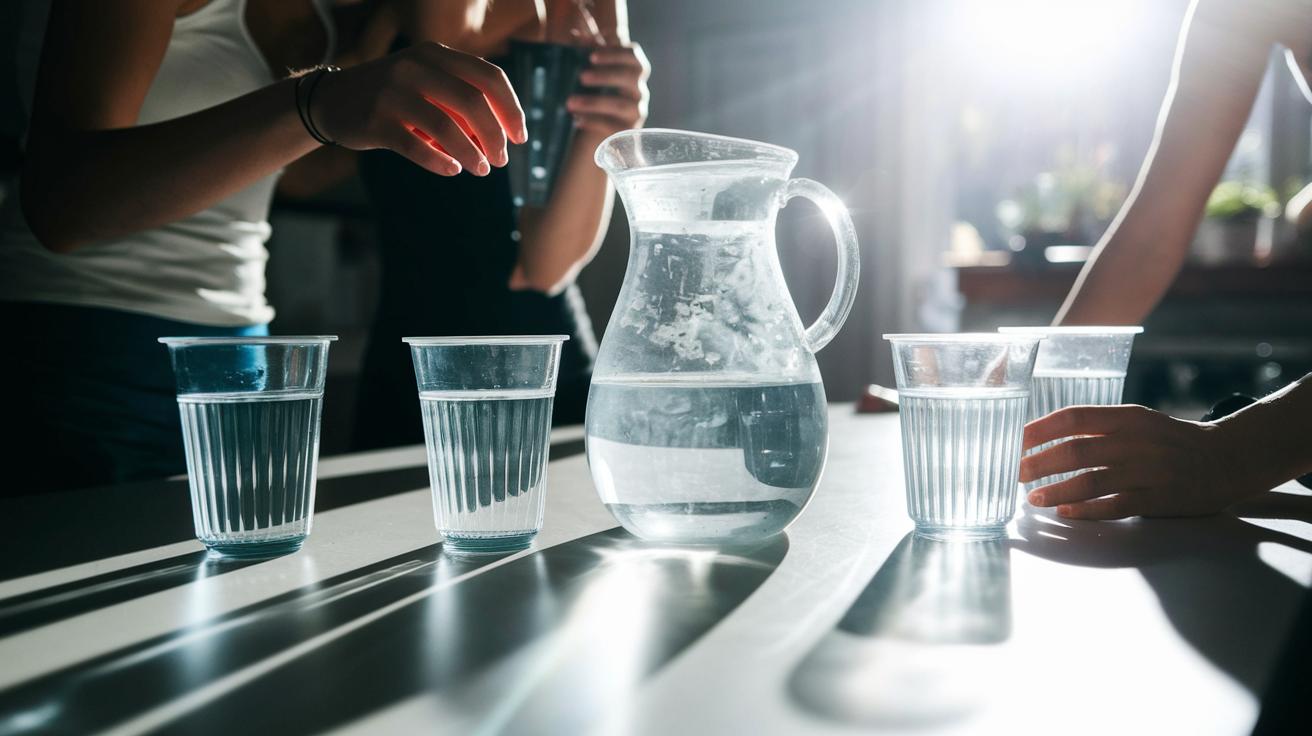
Quick take: Drinking enough water can help ward off head pain and keep you clear-headed.
If you have severe head pain with other signs like confusion or blurry vision, seek help immediately.
• Aim for about 15 cups of water each day.
• Boost your water intake in hot weather or if you exercise a lot.
• Drink before, during, and after your workout to replace lost fluids.
• Use phone reminders or a water tracking app to log your cups.
Staying hydrated cushions your brain and helps keep nerve signals steady. These simple habits can keep your head clear so you can focus on your day without the worry of pain.
Final Words
In the action, this guide showed how dehydration triggers head pain and the steps you can take for relief. We covered common triggers, clear symptoms, and easy rehydration tips.
By following these steps, you can quickly recognize if a headache is caused by low water intake and act safely.
Remember, can dehydration cause head pain? Yes, so keep your fluids up and track any changes.
Stay positive and monitor your signs as you work toward feeling better every day.
FAQ
Q: What do dehydration headaches feel like?
A: The dehydration headache feels like a persistent, throbbing pain often accompanied by head pressure and light sensitivity. You may also experience fatigue as your body signals that it needs more fluid.
Q: How long does a dehydration headache last?
A: The dehydration headache typically lasts until you rehydrate. The pain may persist for several hours or even days if you continue to lose fluids or do not replace them adequately.
Q: Can dehydration cause headaches behind the eyes?
A: The dehydration headache can cause pain behind your eyes as well. Fluid loss reduces blood volume, which may lead to increased pressure around the eye area, triggering discomfort.
Q: Are dehydration headaches dangerous?
A: The dehydration headache itself is not usually dangerous, but it signals that your body is low on fluids. If left unaddressed, dehydration may lead to more serious symptoms, especially in high-risk groups.
Q: How to cure a dehydration headache?
A: The dehydration headache improves with prompt rehydration. Drinking water or electrolyte solutions, resting in a cool area, and taking over-the-counter pain relievers can help relieve the pain effectively.
Q: Does dehydration cause headaches and dizziness?
A: Dehydration causes both head pain and dizziness because reduced fluid levels lower blood volume and disrupt electrolyte balance, leading to a combination of headache and lightheadedness.
Q: What are the 5 warning signs of dehydration?
A: The five warning signs include a dry mouth, dark urine, fatigue, dizziness, and infrequent urination. Recognize these signals and increase your fluid intake to restore balance.
Q: Can dehydration cause headaches in pregnancy?
A: Dehydration during pregnancy can cause headaches along with other symptoms like dizziness. Pregnant individuals should stay well-hydrated because their bodies need extra fluids for both mother and baby.
Q: How to tell if a child is dehydrated?
A: Signs of dehydration in a child include a dry mouth, reduced urine output, lethargy, and irritability. Monitoring for these symptoms and ensuring the child drinks fluids can help prevent further complications.