
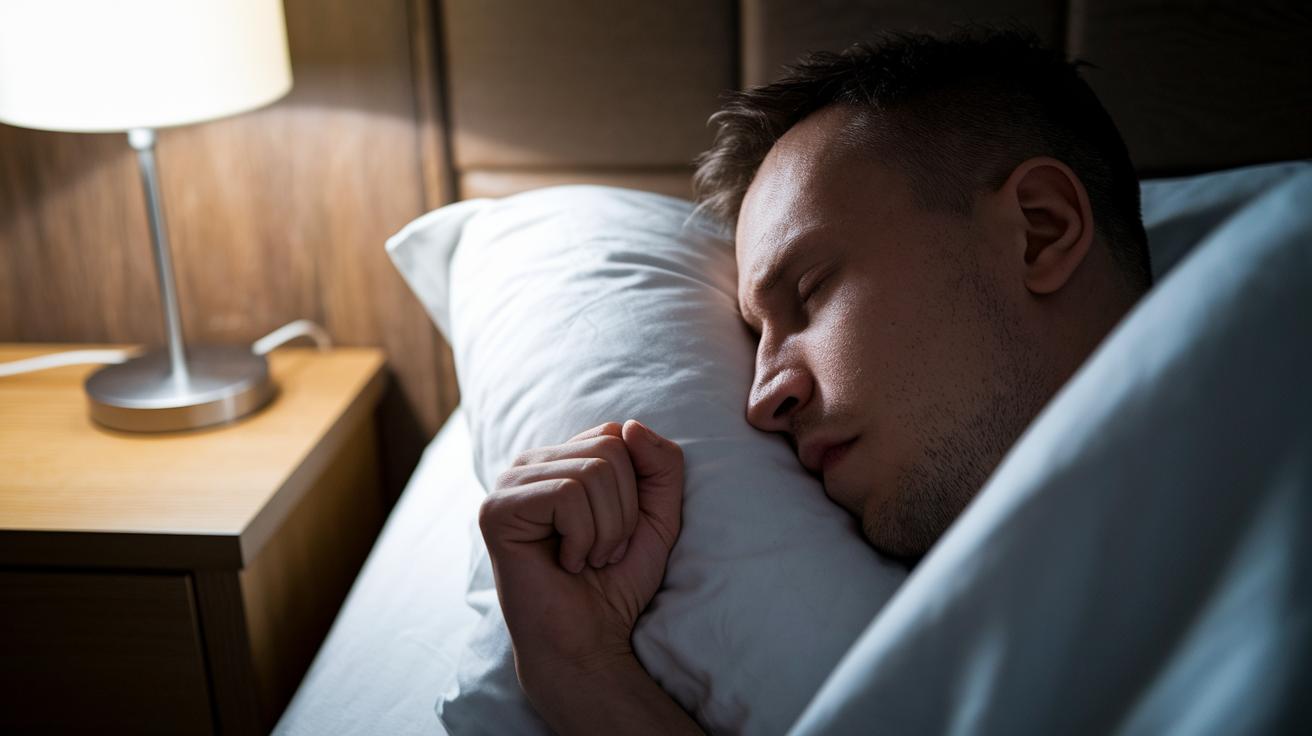

Quick Take: Waking up with a sore jaw may be a sign of bruxism (teeth grinding) that can damage your smile if left unchecked.
Triage:
• If you have severe jaw pain or notice broken or unusually sensitive teeth, call your dentist right away.
• If your pain gets worse or you see new signs like increased tooth wear, schedule an urgent check-up.
Bruxism means you grind your teeth, often at night, and it can show up as tension in your jaw during the day. You might wake up with a sore jaw or notice that your teeth feel more sensitive than usual. These signs matter because they could lead to enamel wear and other dental problems over time. Spotting these signals early means you can act confidently to protect your dental health.
Recognizing Early Bruxism Symptom: Key Indicators at Day and Night
Quick take: Teeth grinding or clenching (bruxism) may harm your teeth if not treated early.
Triage Box:
• If you see signs like cracked or broken teeth, call your dentist now.
• If you have severe jaw pain, increased tooth sensitivity with hot or cold drinks, or temple headaches, seek same-day care.
• Otherwise, note the signs and keep track to talk to your clinician at your next visit.
Bruxism is when you grind or clench your teeth without meaning to. It happens in about 8-10% of people and is most common in those aged 25-44 years. Over time, the extra pressure from grinding can wear away your tooth enamel and lead to dental problems.
You might notice signs of bruxism during the day or while you sleep. When you are awake, you may feel your jaw tense or sore. At night, you might experience sleep problems along with other signs that bruxism is active. Catching these early can help prevent more damage.
Here are some signs to watch for:
• Worn tooth enamel that shows a loss of the protective surface.
• Cracked or broken teeth from constant pressure.
• Increased tooth sensitivity when you drink something hot or cold.
• Morning jaw soreness from muscles working too hard.
• Temple headaches caused by tight jaw muscles.
• Ear pain from discomfort spreading from the jaw.
• Tight jaw muscles that feel stressed and tired.
• Sleep problems with frequent awakenings or restless sleep.
Keep a simple diary noting when these signs occur, their severity (mild, moderate, or severe), and any extra symptoms. This record can help your dentist or clinician decide if you need treatment soon.
Dental Wear Patterns and Jaw Pain Presentation of Bruxism Symptom

Grinding your teeth over and over can wear down your enamel, crack your teeth, and make them more sensitive. This damage can lead to cavities and may eventually require fillings, crowns, or even surgery. For instance, constant grinding reduces enamel, speeds up decay, and might change your bite.
Clenching your teeth can overwork your jaw muscles and tire your jaw joint (TMJ). You might feel sore when you wake up. If this pain continues, it can turn into ongoing discomfort that may need surgery. For example, early TMJ pain can become constant jaw pain if it isn’t treated.
| Dental Sign | What It Indicates |
|---|---|
| Worn Enamel | The tooth’s protective layer is gone, raising the risk of decay |
| Cracked Teeth | Damage that may need restorative treatment |
| Tooth Sensitivity | Exposed inner layers that cause discomfort |
| Jaw Soreness and TMJ Inflammation | Overused muscles and joint strain that can lead to more serious issues |
If you notice these signs, act now to prevent long-lasting mouth pain and extend the life of your teeth.
Sleep Disturbances and Headache Association with Bruxism Symptom
Quick take: Grinding your teeth at night can disrupt your sleep and lead to headaches.
If you notice these signs, keep track of your sleep and talk to a healthcare professional:
- Frequent arousals
- Poor REM sleep (REM is the stage when you dream)
- Daytime tiredness
- Irritability
When you grind your teeth while sleeping (a condition called sleep bruxism), your sleep breaks up and you get less deep, healing rest. This means you might feel drained during the day and find it hard to focus. Missing out on quality sleep can also affect your mood and raise your stress levels.
Morning headaches, especially around your temples, are a clear sign that your sleep wasn’t refreshing. These headaches can lower your daily energy and overall wellbeing. If these problems keep happening, try keeping a sleep diary and share your notes with a doctor to help find ways for better rest and less discomfort.
Underlying Health Triggers and Lifestyle Factors for Bruxism Symptom

Bruxism, or grinding your teeth, can happen for many reasons. Stress and anxiety often make you clench your teeth without even knowing it. Your everyday habits, like the foods and drinks you choose or how well you sleep, also have an impact. These factors can silently harm your teeth over time.
The way your jaw fits together is another important factor. If your bite does not line up correctly or your jaw muscles work too hard, you might be more likely to grind your teeth. Sometimes, genetics or certain medications add to this risk. Your dental and medical history help show how these issues work together.
Below is a list of common triggers:
| Common Triggers |
|---|
| Stress |
| Anxiety |
| Poor sleep |
| Misaligned bite |
| Stimulant use |
| Smoking |
| Medications |
| Genetics |
When you understand what triggers your teeth grinding, you and your dentist can choose the best treatment. Keep a simple log of your daily habits and note any pain or discomfort. This record helps decide if you need to focus on stress relief, bite correction, or other treatments. Taking a targeted approach now can ease your symptoms and protect your dental health in the long run.
Red Flag Bruxism Symptom: When to Seek Professional Evaluation
Quick take: Untreated teeth grinding can cause serious dental damage, so don’t wait if you see warning signs.
If you have any of these red flags, call your dentist right away:
- Severe, lasting jaw pain
- Frequent cracked or broken teeth
- Ongoing headaches that feel like tension
- Noticeable loss of tooth enamel
- Trouble moving your jaw
Teeth grinding (bruxism) that isn’t managed can lead to infections, tooth extractions, or even require surgery to fix your bite. Early detection gives you a chance to prevent major damage.
Your dentist will start with an oral exam and ask about your health and dental history. Sometimes, they might suggest tests like a sleep study (polysomnography) or imaging scans to see the full picture. This careful check-up helps decide the best next steps to protect your dental health.
bruxism symptom: Spot Signs With Confidence
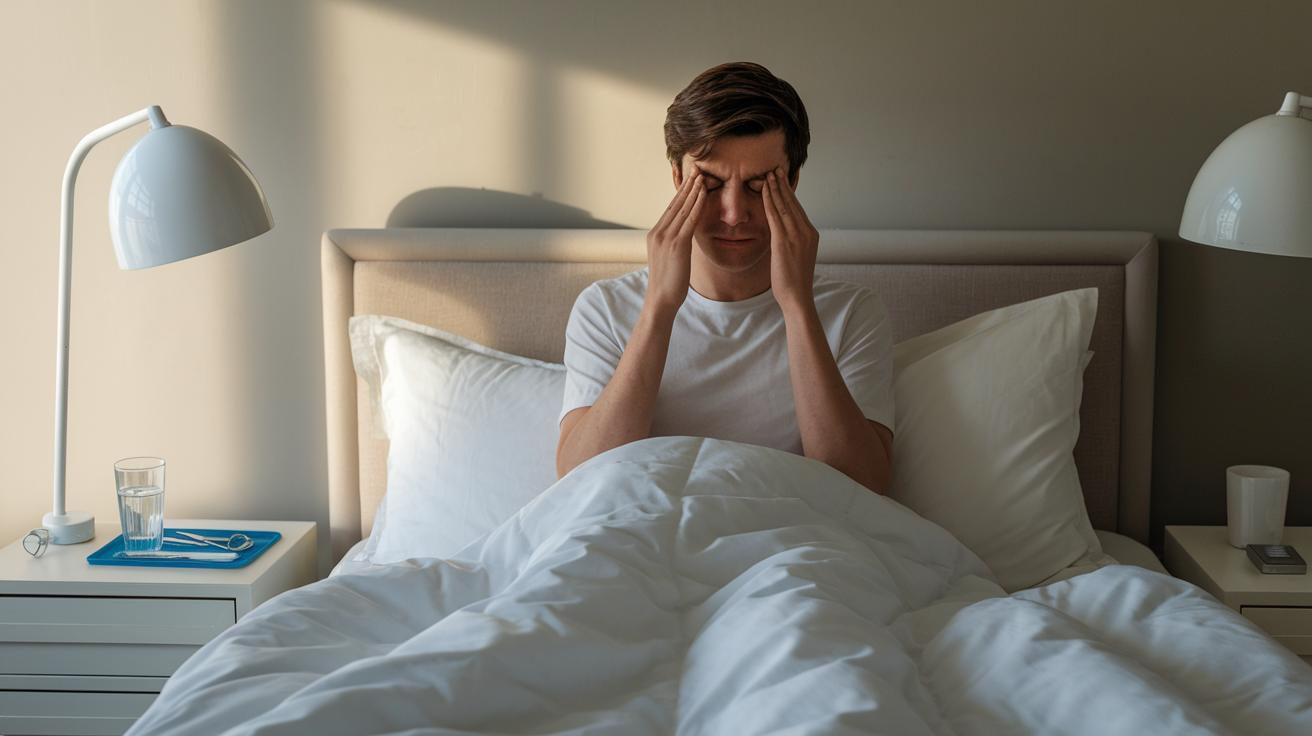
Quick Take: At-home care can ease jaw tension and protect your teeth, but if pain or damage worsens, contact your dental provider.
Triage Box:
If you have any of these signs, call emergency services now:
- Severe, worsening jaw pain with swelling
- Noticeable damage to your teeth
Urgent: If pain continues or you have difficulty eating, seek same-day care from your dental provider.
Watch and self-manage: Use these home steps for mild symptoms and track your progress.
Taking care of bruxism at home may help reduce discomfort until you see a professional. You can ease jaw tension and protect your teeth with simple steps. This proactive approach not only relieves pain but can also help you spot ongoing issues early. Many people find that pairing daily self-care with routine check-ups creates a balanced plan to reduce tooth grinding and overall discomfort.
Here are some steps to follow:
- Use a custom-fit night guard to cushion your teeth from grinding.
- Do jaw-stretch exercises to ease muscle tension.
- Massage your face gently to relieve soreness.
- Practice mindfulness or meditation to lower stress.
- Try biofeedback techniques to notice and stop clenching during the day.
- Maintain a regular sleep schedule for better rest.
- Reduce caffeine and alcohol since they can worsen muscle tension.
- Use an ergonomic pillow that supports proper neck alignment when you sleep.
Keep a daily log of your symptoms. Write down the time, what happened, how sore your jaw feels, and how often you grind your teeth. This record will help you and your dental provider decide if home care is enough or if you need extra treatment. Monitor your progress closely so you can catch any worsening signs early. If your symptoms continue despite these steps, review your care routine with your dental provider to explore further treatment options.
Final Words
in the action, we explored key indicators of a bruxism symptom, from daytime clenching to nocturnal grinding. We outlined warning signs such as worn enamel, jaw soreness, and sleep issues.
We provided checklists for tracking these signs and practical tips for home care. Red flags call for a professional dental exam right away.
Keep monitoring your symptoms and share your findings with a clinician. Staying on top of these signs can lead to better care and relief.
FAQ
What are common bruxism treatments?
The bruxism treatment typically involves using a custom night guard, stress management techniques, and dental corrections to protect your teeth and relieve jaw discomfort.
How did someone cure their bruxism?
The statement “How I cured my bruxism” usually refers to using dental appliances, managing stress, and adopting lifestyle changes under professional guidance.
How can you stop grinding teeth in sleep naturally?
The approach to stop grinding teeth during sleep naturally often includes relaxation techniques, reducing caffeine intake, practicing jaw exercises, and improving sleep hygiene.
What is sleep bruxism?
The term sleep bruxism refers to involuntary teeth grinding or clenching during sleep, which can lead to jaw pain, tooth wear, and disrupted sleep.
How do you pronounce bruxism?
The bruxism pronunciation sounds like “brux-iz-uhm,” with a short “u” sound and emphasis on the first syllable.
What should parents know about bruxism in children?
The bruxism in children often appears as nighttime teeth grinding, which may result from stress or misaligned teeth, and usually improves with proper care and monitoring.
What are the causes of sleep bruxism?
The sleep bruxism causes usually include stress, anxiety, misaligned teeth, excessive caffeine, and sometimes genetic factors, leading to involuntary grinding during sleep.
How common is bruxism?
Bruxism is relatively common, affecting about 8-10% of the population, with many people experiencing either daytime clenching or sleep grinding.
How can bruxism be fixed?
Bruxism can be fixed by using a custom dental appliance, addressing stress, making lifestyle changes, and undergoing professional dental evaluation and intervention.
What conditions can be mistaken for bruxism?
Conditions mistaken for bruxism may include temporomandibular joint disorders or simple tooth clenching due to anxiety, which require a dental exam for proper differentiation.
What medication stops bruxism?
The medication that may help stop bruxism is determined by a professional; some cases are managed with muscle relaxants or anxiety medications under strict supervision.
Can a dentist tell if you grind your teeth at night?
A dentist can tell if you grind your teeth at night by examining wear patterns on your enamel, checking for cracks or sensitivity, and reviewing your symptoms and dental history.