
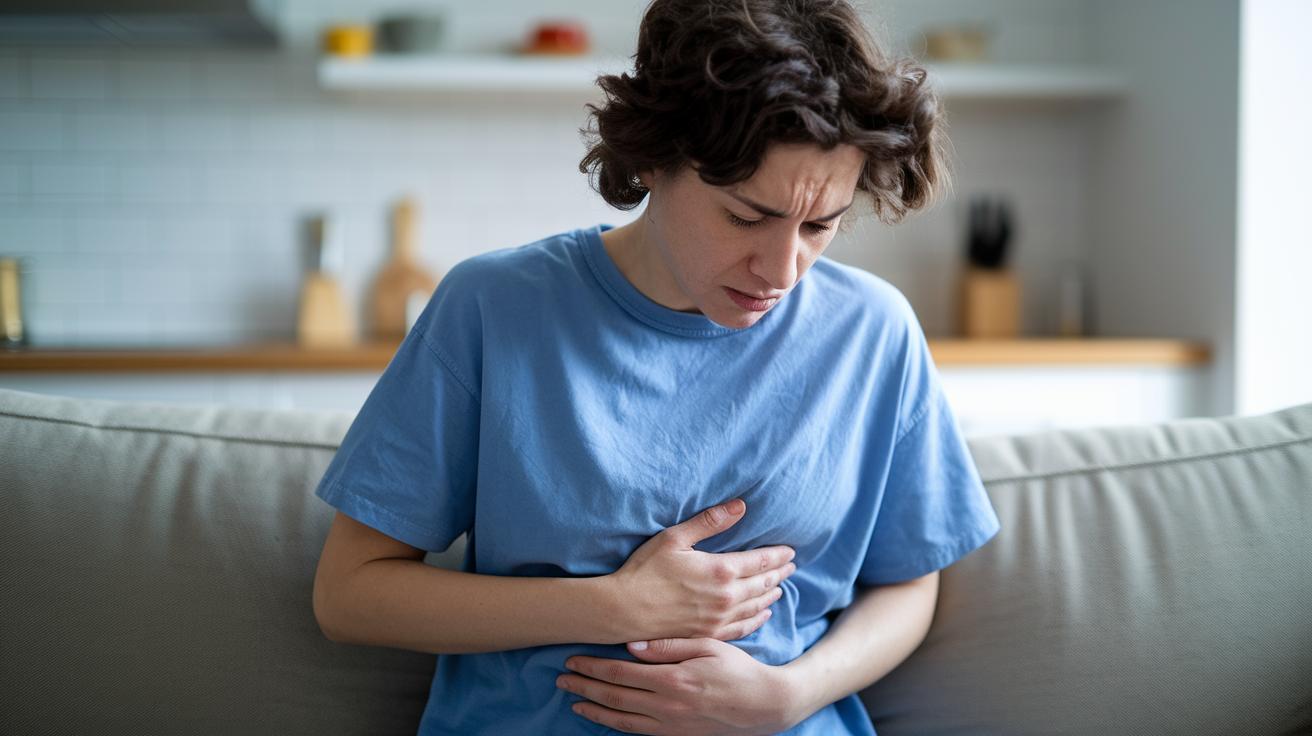

Quick take: Belly pain that comes and goes is often due to trapped air or mild cramps.
If you have any of these signs, call emergency services now: severe pain that does not go away, a high fever over 102 F, repeating vomiting, or blood in your stool.
Your pain may start as a gentle ache and then suddenly feel sharp. This pattern could be from trapped air or cramps that usually go away on their own. We know this can be unsettling, and we’re here to help you understand what might be happening.
In this post, you will learn about these common causes and find easy steps to ease your pain. Read on for practical tips to help you feel better.
Getting to Know Belly Pain That Comes and Goes
Belly pain that comes and goes shows up in waves and may seem mild one moment and strong the next. It can feel like a gentle ache or a sharp cramp. Think of the pain like ocean waves, rising in intensity then fading away.
Often, the cause is simple. Gas build-up can lead to bloating that eases when you burp or pass gas. Constipation (fewer than 3 bowel movements per week) can also cause discomfort. In these cases, the pain usually clears up on its own or with basic care.
You might feel the pain anywhere in your tummy, from just below your breastbone (upper abdomen) to the lower regions. Episodes can last just a few minutes or stretch into a few hours. For example, if your pain starts after eating and eases with a bowel movement, it might be a common digestive spasm.
However, if the discomfort lasts more than 1 week or comes with red flags like severe heartburn, unexpected weight loss, or fever, please see a doctor. These signs could point to issues such as ulcers or gallbladder problems and need professional attention.
Common Non-Serious Causes of Belly Pain That Comes and Goes

Quick take: Mild belly pain often comes from gas, constipation, or a stomach flu and usually improves with simple home care.
- Gas: During digestion, air can get trapped and cause bloating and cramping. Letting out a burp or passing gas usually brings quick relief.
- Constipation: Having fewer than 3 bowel movements each week can create discomfort and pressure until you have relief.
- Viral gastroenteritis: Also known as stomach flu, it may cause recurring cramps and sometimes nausea. Symptoms usually last 1 to 3 days. A handy tip: drink small sips of water every 30 minutes to help prevent dehydration.
Gas pain typically goes away within minutes once the air is released, and constipation pain eases after a bowel movement. If you are dealing with stomach flu, rest, stay hydrated, and follow a simple bland diet. Keep track of the pain’s strength and how long it lasts, and follow up with your doctor if the pain continues or worsens.
Digestive Disorders Behind Recurring Abdominal Discomfort
Quick take: Recurring stomach pain can stem from several conditions. Check for red flags and take action if needed.
Triage:
• If you experience severe, continuous pain, high fever, vomiting blood, or see blood in your stool, call emergency services now.
• If the pain lasts more than 48 hours or you can’t eat or drink, seek same-day medical attention.
• Otherwise, note your symptoms and triggers and follow up with your doctor if the discomfort persists.
Irritable bowel syndrome (IBS) affects around 12% of U.S. adults. It causes cramping in your gut along with changes in your bowel habits, like diarrhea or constipation. Stress and certain foods may trigger unpredictable midsection discomfort that disrupts your daily life. Keeping track of how long the pain lasts can help manage your symptoms.
Peptic ulcers and gastritis hurt with a dull or burning pain in your upper belly. This discomfort often follows meals or stressful times. Many people notice that the ache gets worse after eating before easing off for a bit. Watching what you eat and managing stress may help you avoid the pain.
Inflammatory bowel disease (IBD) often causes inflammation or blockage that leads to pain. About 80% of those with IBD experience pain waves over several months, and 30–50% report recurring discomfort that interferes with daily activities. Keeping a simple pain diary with the start time and intensity may help you and your doctor better manage the condition.
Acid reflux (GERD) shows up as recurring upper abdominal discomfort. You might feel heartburn or a burning sensation in your chest and throat, especially after fatty meals or when you lie down. This periodic pain suggests you might need to adjust your eating habits and manage stress for relief.
Dangerous Culprits of On-and-Off Belly Pain
Quick take: Intermittent belly pain might signal serious issues needing prompt care.
If you have any of these emergency signs, call emergency services now:
• Sudden, severe pain that feels like a sharp stab
• Pain that comes with nausea, fever, or a burst of weakness
For urgent signs, seek same-day medical attention:
• Intense pain after a fatty meal
• Pain that quickly grows worse, especially in the lower parts of your belly
For self-care, track your pain by noting the time, location, and what you were doing when it started. Tell your clinician if it happens often.
Gallbladder and Liver Conditions
Sharp pain in your right upper belly could be due to gallstones. This pain often follows a fatty meal. Liver inflammation (swollen liver) can also cause a strong, cramp-like squeeze in the upper right torso. If you feel a sudden burst of pain soon after eating, it might be time for an urgent checkup.
Appendicitis and Ovarian Emergencies
Pain that starts around your belly button and moves to the lower right side can be a sign of appendicitis (inflammation of the appendix). Women might notice sudden, sharp pain in the lower belly if there is an ovarian cyst or twist (torsion). If the pain escalates quickly or comes with nausea or fever, see a doctor right away.
Pancreatitis and Stomach Cancer Risks
Deep, severe pain that gets worse fast could point to acute pancreatitis (sudden pancreas inflammation). In contrast, ongoing pain that worsens after eating, especially with weight loss, nausea, or heartburn, may signal stomach cancer. Both these patterns are very different from minor discomfort and need medical attention.
Serious belly pain like this rarely improves with home care alone. Track your symptoms and contact a healthcare provider immediately if your pain is unexpected, severe, or comes with other warning signs.
Warning Signs: When Recurring Belly Pain Requires Medical Attention
Recurring belly pain can signal a serious problem. If you notice any of these red flags, act quickly:
- Pain that lasts more than 1 week
- Pain that gets stronger or worsens fast
- Fever with chills
- Ongoing vomiting
- Yellow-tinged skin or eyes (jaundice)
- Unplanned weight loss or blood in your stool
When these signs appear with your belly pain, get same-day medical care. Write down when your pain started, how long it lasts, and any extra symptoms. This information will help your healthcare provider check for infections, inflammation, or other serious issues.
Home Care for Episodes of Belly Pain That Comes and Goes

Quick take: Belly pain that comes and goes is often mild, but watch for signs that mean you need help fast.
Triage Box:
• If you have severe, constant pain, call emergency services now.
• If you notice blood in your stool or vomit, or you can't keep liquids down, seek urgent care.
• If your symptoms last more than 24 to 48 hours or get worse, contact your doctor.
When belly pain hits, try some simple home steps to ease the discomfort. Use a warm pack on your tummy, drink plenty of water, and take time to rest. These actions relax your muscles and may bring quick relief.
Adjusting your diet and daily habits can also help reduce pain. Eat small, low-fat meals that are gentle on your stomach. For example, choose a broth-based soup with lean protein and steamed vegetables over a heavy meal. Avoid spicy foods, alcohol, and caffeine (stimulants that can upset your stomach). Adding light exercise like walking or gentle stretching, along with deep breathing, may also aid digestion and cut down on flare-ups. Keeping a diary of what you eat and how you feel can help spot any personal triggers.
If you need extra relief, over-the-counter options can be useful. Antacids may ease heartburn and acid discomfort, while simethicone can help reduce gas and bloating. Use these medicines as directed until you feel better.
Identifying Triggers to Prevent Fluctuating Belly Pain
Quick take: Certain foods and habits can trigger belly pain that comes and goes.
Triage Box:
• Red flags – If you have severe, sudden pain; a high fever over 102°F; or vomiting blood, call emergency services now.
• Urgent concerns – If your pain worsens quickly or you feel very weak, seek same-day medical care.
• Self-care steps – Track your meals and symptoms, stay hydrated, and try a regular eating schedule.
Many people notice that belly pain can be set off by certain foods and daily habits. Fatty meals, spicy foods, skipping meals, dehydration, caffeine, alcohol, and stress can upset your stomach and lead to intermittent pain.
A good way to spot your triggers is to keep a food-and-symptom diary. Write down what you eat, the time you eat it, and note any belly pain that follows. For example, if you have pain after a spicy dinner with a caffeinated drink, your diary can help reveal the pattern. Record meal times, portion sizes, how much you drink, and even your stress levels.
A steady daily routine can also help manage the pain. Try to eat at the same times each day and drink water often. Gentle exercise or simple relaxation techniques can ease stress. Cutting down on caffeine and alcohol and choosing lighter meals may also help reduce your discomfort over time.
Final Words
In the action, we broke down key ideas about belly pain that comes and goes. We covered everyday causes, possible digestive disorders, and dangerous issues that need prompt care. We also looked at home care tips and ways to track and avoid triggers.
Each section gave clear steps to help you know when to manage pain at home or call for help. Keep an eye on your symptoms and share your findings with your clinician. Stay safe and positive in managing belly pain that comes and goes.
FAQ
Q: What are the types of stomach pain in females?
A: The types of stomach pain in females include cramping related to menstruation, sharp or wave-like pains from digestive issues, pelvic pain from ovarian causes, and persistent discomfort that may require evaluation.
Q: What does intermittent sharp stomach pain indicate?
A: Intermittent sharp stomach pain, especially if sudden, brief, or occurring with diarrhea, may point to mild digestive spasms, gas, or transient inflammation. It can also signal more serious issues needing assessment if the episodes worsen.
Q: What causes upper stomach pain that comes and goes in waves?
A: Upper stomach pain that comes in waves can commonly stem from gas, acid reflux, or gastritis. In some cases, it may be linked to ulcers or gallbladder issues that worsen after meals.
Q: What causes lower stomach pain that comes and goes in waves?
A: Lower stomach pain that appears in waves may be due to digestive cramps, irritable bowel syndrome, or menstrual-related discomfort. Persistent patterns or intense episodes warrant a clinician’s review.
Q: What does constant stomach pain for days mean?
A: Constant stomach pain lasting days often signals a more serious condition such as an ulcer, infection, or inflammatory disorder. It is important to seek medical advice if the pain persists.
Q: What does it mean when stomach pain comes and goes?
A: Stomach pain that comes and goes typically suggests a benign issue like gas or mild spasms but may also indicate early signs of ulcers or gallbladder disease if it becomes lasting or severe.
Q: What stomach pains should you never ignore?
A: Never ignore stomach pains accompanied by fever, persistent vomiting, blood in stool, sudden severe discomfort, or pain that worsens over time. These signs can indicate serious conditions needing prompt care.
Q: When should pregnant women worry about abdominal pain?
A: Pregnant women should worry about abdominal pain if it is severe, persistent, or tied with bleeding, fever, or contractions. Such symptoms require timely evaluation to safeguard mother and baby.
Q: What are the first warning signs of a stomach tumor?
A: Early warning signs of a stomach tumor can include unexplained weight loss, persistent post-meal discomfort, nausea, or heartburn alongside intermittent severe pain. These symptoms merit prompt medical testing.