


Quick take: Some belly pain during pregnancy is normal, but certain signs mean you need help fast.
If you have any of these emergency signs, call emergency services now:
- Very sharp or worsening pain
- Heavy bleeding or cramping
- Fever or chills
- Faintness or repeated vomiting
Many pregnancy changes can cause mild belly aches. Common causes include round ligament pain (discomfort from stretching ligaments) and other minor stomach aches. These pains usually go away on their own without emergency care.
What to do:
- Watch your symptoms. Note when the pain starts, how long it lasts, and if it gets worse.
- Write down any additional signs you have.
- If your pain becomes severe or new symptoms appear, call your clinician right away.
This guide offers clear, trusted tips so you can feel confident about your health and your baby’s well-being.
Differentiating Normal and Concerning Belly Pain in Pregnancy
Quick take: Belly pain can be normal in pregnancy but may also signal a problem.
If you have any of these emergency signs, call emergency services now:
• Severe, unrelenting pain
• Sharp pain on one side with vaginal bleeding or shoulder pain
Urgent concerns – seek same-day medical care if you notice:
• High fever
• Dizziness
• Pain that does not improve with rest or gentle self-care
Normal discomforts often include:
• Round ligament pain. This is a quick, sharp pain in the lower abdomen (often like a muscle cramp) that usually eases with a little rest or light stretching.
• Mild stomach ache from constipation. About 75% of pregnant women experience this due to higher progesterone (a hormone that slows digestion). Drinking plenty of water, eating high-fiber foods, and moving gently can help.
Keep a simple log of:
• When the pain starts and stops
• The type of pain and any new symptoms
• What seems to help or worsen your discomfort
Staying alert to these signs helps ensure you get care when needed. When in doubt, call your healthcare provider for guidance.
Reviewer: Dr. Jane Smith, OB/GYN | Last Review: Oct 2023
Belly Pain During the First Trimester: Common Causes

During early pregnancy, mild belly pain is common as your body adjusts. You might feel a sharp pinch near your navel when the embryo attaches to your uterus. This pain feels different from the dull, side cramps that come when your ligaments stretch.
Hormones play a big role during this time. Higher levels of progesterone (a hormone that supports pregnancy) relax your smooth muscles. This slowdown in your digestive system can lead to gas, bloating, heartburn, and even constipation. About 75% of new moms experience these changes.
Your round ligament stretching can also cause brief, one-sided cramps. Usually, they ease up with a little stretching or rest. Other reasons for this discomfort include changes in blood flow and new food sensitivities. These mild symptoms are normal in early pregnancy. Keeping a simple record of when the pain happens and how strong it feels can be very helpful when you talk with your healthcare provider.
Belly Pain in the Second and Third Trimesters: What to Expect
Quick take: Mild belly pain can be normal during mid and late pregnancy, but call your provider if you develop severe pain or new worrying symptoms.
If you have any of these emergency signs, call emergency services or go to the nearest medical center:
- Severe, constant pain that does not ease with gentle movement
- Heavy bleeding or fluid leakage
- A fever over 100.4 F (38 C)
- A noticeable change in your baby’s movement that concerns you
For now, you can try to ease mild discomfort by changing positions slowly and resting.
As your baby grows, your uterus expands and stretches. This can lead to quick, sharp pains when you change your posture. These brief jabs usually go away with gentle movement.
You may also feel Braxton Hicks contractions (practice contractions) in the third trimester. They feel like mild cramps and help your body get ready for labor, though they are not true labor contractions.
Extra weight in your belly can cause aches in your lower back and a dull pain across your midsection. Sometimes, your baby's kicks may cause an extra, localized pinch of pain. It might help to write down the details, such as the time, spot, and type of pain, so you can share them with your healthcare provider.
Keep in mind these are normal changes during pregnancy:
- Changing positions may trigger a brief, sharp pain.
- Braxton Hicks contractions cause irregular, mild cramping.
- Extra weight can lead to back and middle belly soreness.
Monitor your symptoms closely and contact your provider if your pain worsens or if you notice any new, concerning signs.
Warning Signs: When Belly Pain in Pregnancy Becomes an Emergency
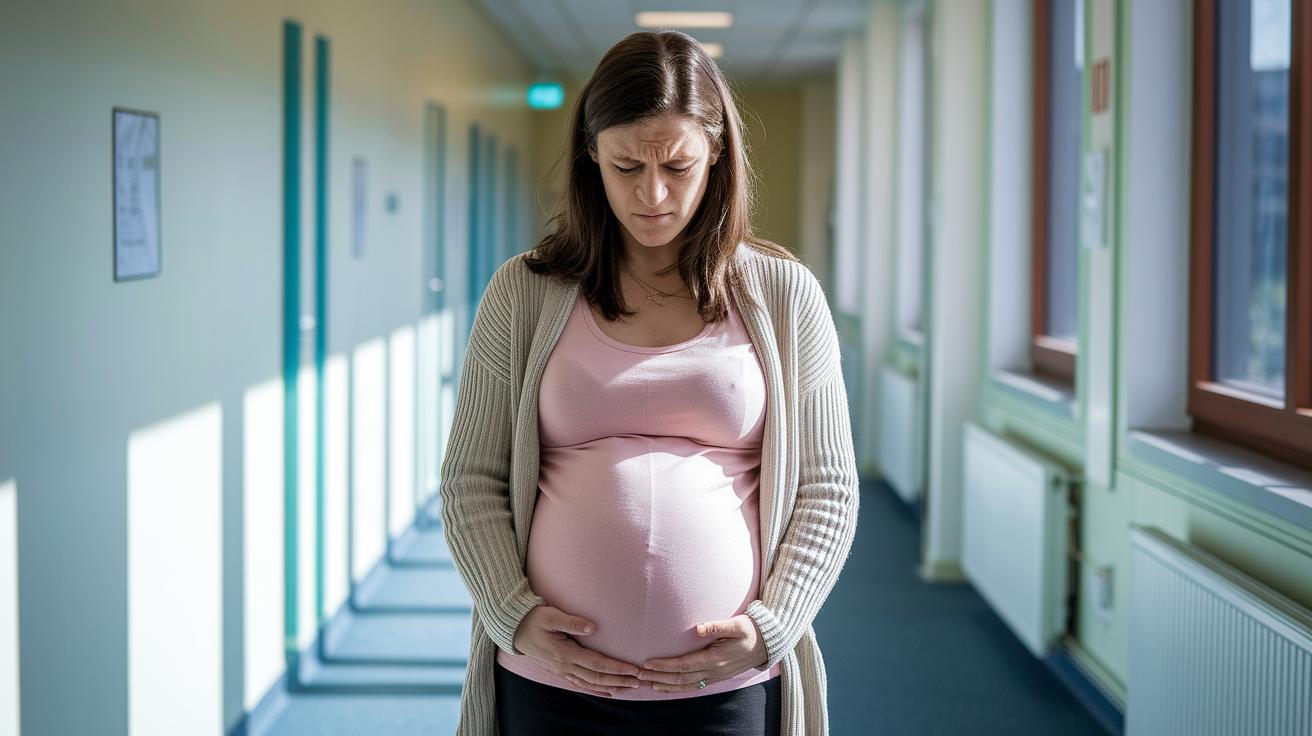
Quick take: Belly pain in pregnancy can sometimes mean trouble.
If you have any of these emergency signs, call 911 now:
- One-sided sharp pain with vaginal bleeding or shoulder pain.
- Constant severe cramping that does not ease with rest.
- A fever over 100.4°F (38°C).
- Sudden dizziness.
These signs are serious and require immediate care.
Keep a simple record of your symptoms. Note when the pain starts and any changes in how it feels. Write down if the pain is different from what you usually experience or if you notice new symptoms. For example, you might record: "At 2:30 PM, my pain went from mild to severe after walking, and I felt slight dizziness."
Review these warning signs regularly. Trust your instincts and seek help if the pain follows these patterns.
Relief and Management of Belly Pain During Pregnancy
Quick take: Rest and safe self-care can ease mild belly pain during pregnancy. If your pain becomes worse or changes, call your clinician right away.
If you have emergency signs like heavy bleeding, fever, or severe pain:
- Call emergency services immediately.
Otherwise, try these safe steps:
Pregnancy can bring minor tummy aches from changes in your body. Common reasons include muscle strain, indigestion, or gas. Simple measures can offer relief.
What to do now:
- Rest to help your body adjust.
- Drink plenty of water to stay hydrated.
- Eat small, frequent meals. Choose fibrous foods (high in fiber) to boost digestion.
- Use a warm compress on your belly for short periods to ease cramps.
- Change positions gently. Use a belly support band or a firm pillow to reduce muscle strain.
- Try prenatal yoga, gentle stretching, or light walking to relax your muscles.
- Practice slow, deep breathing to lower stress.
- Enjoy peppermint or ginger tea to support digestion.
- Sleep on your left side with supportive pillows.
Some moms find that a careful use of over-the-counter products like simethicone for gas or docusate for constipation helps too. Always listen to your body. If changes or worse pain occur, check in with your clinician.
Keep a diary of your pain. Note the time, intensity (mild, moderate, severe), and what you were doing. This record can help your provider understand your symptoms.
When to Consult a Healthcare Provider for Pregnancy Belly Pain

Quick take: While some belly pain is common during pregnancy, certain signs mean you need help fast.
Triage:
• If you feel sudden, sharp pain
• If you experience heavy bleeding
• If you have a fever or chills
• If you feel dizzy or faint
For more details, check our other sections that explain how normal pain feels compared to worrisome pain and outline key warning signs. Trust your instincts and reach out to your healthcare provider if anything feels off.
Final Words
In the action of managing your health, you learned how to tell ordinary discomfort from signs that need urgent care. We broke down belly pain during pregnancy, from mild round ligament aches to severe pain that could signal distress. You saw when to use self-care steps and when to seek help with clear red flags. Keeping track of your symptoms and sharing details with your provider can make a big difference. This guidance gives you a solid plan for staying safe and feeling more confident day by day.
FAQ
What does stomach pain during the 2nd trimester of pregnancy usually mean?
Stomach pain in the 2nd trimester often points to round ligament strain (sharp, brief pain on one or both lower sides) as your uterus grows. It typically eases with rest, though severe pain needs medical attention.
What does stomach pain during the 3rd trimester of pregnancy usually indicate?
In the 3rd trimester, you might feel pain from Braxton Hicks contractions (practice contractions) or uterine stretching. This discomfort is normal but should be checked if it becomes steady or very intense.
What does 1 week pregnant stomach pain indicate?
Stomach pain at 1 week pregnant can be due to early implantation or minor digestive changes from hormonal shifts. It is usually mild, but persistent or intense pain should be discussed with your provider.
What does low belly or sharp pain during the first trimester mean?
Low belly or sharp pain in the first trimester is often linked to implantation, ligament stretching, or slowed digestion. Such pain is typically normal; however, if the pain is severe or worsening, seek medical advice.
How can I help relieve stomach pain during pregnancy?
You can ease stomach pain by resting, staying hydrated, using a warm compress, eating small frequent meals, and gently stretching. These self-care steps help reduce discomfort; always reach out to your provider if symptoms worsen.
What stomach pains during pregnancy should I worry about?
You should be concerned about stomach pain that is one-sided with bleeding, continuous severe cramps, accompanied by a high fever or dizziness. These signs could indicate a complication that needs urgent care.
What is considered sharp pain in the abdomen during pregnancy?
Sharp abdominal pain can result from stretched ligaments or digestive issues. If the pain becomes severe, lasts long, or comes with other symptoms like bleeding, it is important to contact your healthcare provider immediately.
What are five warning signs of a possible problem during pregnancy?
Warning signs include one-sided sharp pain with vaginal bleeding, continuous severe cramping, high fever, dizziness, and shoulder pain. Each of these signals needs prompt medical evaluation to rule out complications.