
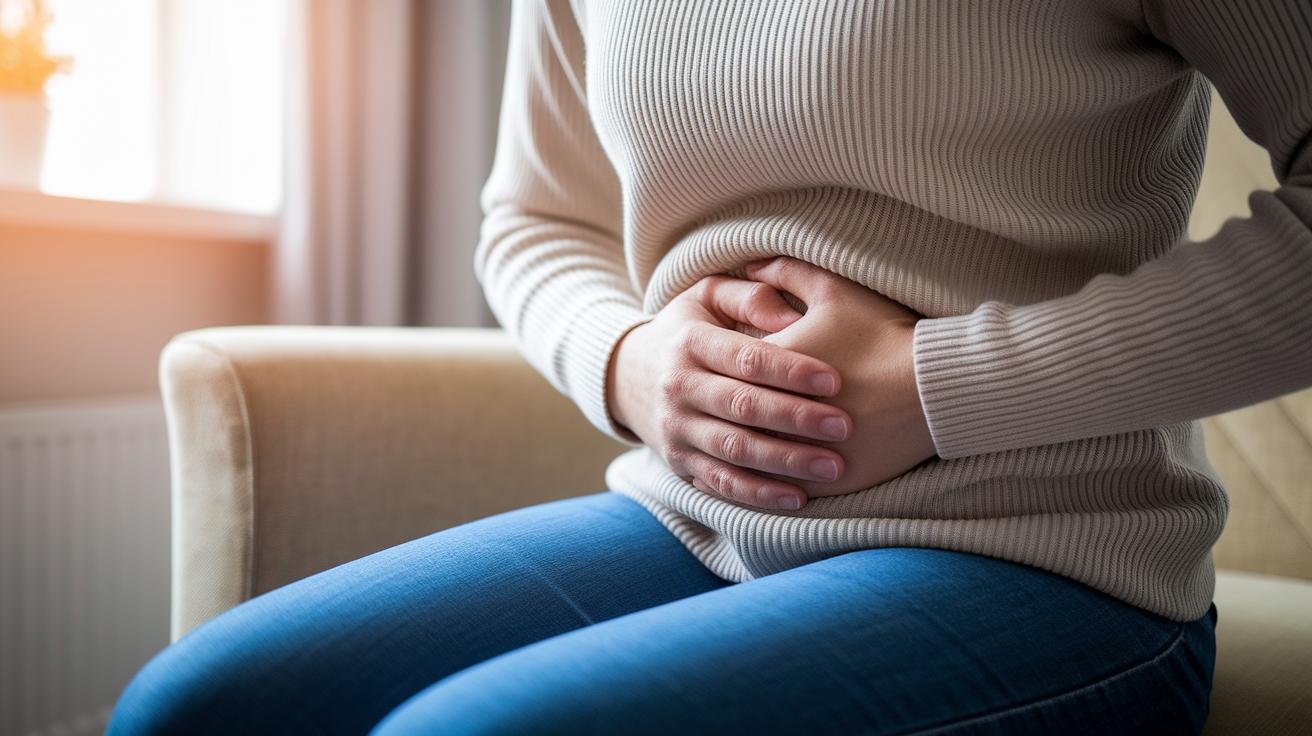

Quick Take: Belly pain and bloating can be caused by certain foods or stress. Follow the steps below for relief and watch for warning signs.
If you have any of these emergency signs, call emergency services now:
• Severe, sharp pain that worsens quickly.
• High fever (over 102°F) or blood in your stool.
• Sudden vomiting or dizziness.
If your symptoms are urgent:
• Pain lasting more than 3 days.
• You can’t keep fluids down.
• Symptoms are getting steadily worse.
For basic self-care:
• Avoid foods known to trigger discomfort.
• Take breaks to reduce stress.
• Keep a simple log with the date, time, symptom details, and any changes.
Belly pain and bloating can feel confusing. Often, simple triggers like stress or specific foods upset your gut. Think of your digestive system as a team, if one part falls behind, the whole system feels off. In this post, you’ll learn what might be causing your discomfort and discover quick, easy ways to ease the pain and bloating. Stay calm and take action to help your body feel better fast.
Understanding the root of belly pain and bloating
Belly pain happens in the area from your chest down to your pelvis. Sometimes it’s a mild cramp that comes and goes, and other times it’s a sharp pain that stops you from moving easily. Picture a slow, dull ache after a meal that suddenly turns intense. These changes in pain can mean different things are happening in your digestive system.
Bloating is that tight, full feeling in your stomach. It happens when gas or fluid builds up in your gut, much like a balloon filling with air. Bloating affects about 10% to 25% of people. It can occur after big meals or when certain foods cause too much gas. Even small shifts in your usual diet can make your belly feel swollen.
Your digestive system is made up of organs like your stomach, small intestine, colon, pancreas, and liver. These parts work together to break down food and absorb nutrients. When one or more aren’t working right, perhaps because of overeating, stress, or food intolerances (bad reactions to certain foods), you may experience pain or bloating. Understanding how these organs work together can help you track your symptoms and spot what might be triggering your discomfort.
Common causes of belly pain and bloating
Quick take: Belly pain and bloating are usually triggered by food choices or common gut issues, but severe symptoms need immediate help.
Triage:
• If you experience severe pain, high fever, persistent vomiting, or blood in your stools, call emergency services now.
• If your symptoms get worse or don't improve within a few days, seek same-day medical attention.
• For milder discomfort, keep track of your meals and symptoms and discuss them with your clinician.
Belly pain and bloating can come from many sources. Sometimes you might feel heavy after eating too much. Overeating stretches your stomach and slows digestion, which can leave you feeling uncomfortable. Other times, eating foods that produce extra gas, like beans or broccoli, can create fullness and bloating.
Keep in mind that not everyone reacts the same way. For example, some people have trouble with dairy because they lack the enzyme to break down lactose (a sugar in milk). Others may have issues with gluten, which can lead to extra gas bubbles in the colon when food isn’t fully digested. Conditions like constipation or IBS (irritable bowel syndrome, a common gut condition) can also slow down food movement and cause gas buildup.
| Cause | Description | Typical Trigger |
|---|---|---|
| Overeating | Your stomach stretches from too much food | Large meals |
| Excess gas | Foods ferment in your gut and create extra gas | Beans, cruciferous vegetables |
| Constipation | Slow movement of food through the digestive tract | Low fiber intake |
| IBS | A common condition that affects how your gut moves food | Stress, certain foods |
| Lactose intolerance | Your body can’t break down a milk sugar called lactose | Dairy products |
| Celiac disease | An immune reaction to gluten that damages the gut | Gluten-containing foods |
Tracking your meals and symptoms can help you spot patterns over time. Write down when you eat, what you eat, and when you feel pain or bloating. This record can offer clues about your triggers and help guide the discussion with your clinician.
Identifying urgent signs in belly pain and bloating
A few belly issues can be serious. If you notice any of the signs below, act now and get care immediately:
• Blood in your stool
• A very high fever
• Quick, unplanned weight loss
• Lots of vomiting
• Severe tenderness when you touch your belly
• Strong, crampy pain on the upper left, middle, or right side
Keep track of where your pain is and if it changes. This helps your doctor decide the next steps.
Diagnostic approaches for belly pain and bloating

Quick Take: Your doctor will ask questions, examine your belly, and order tests to figure out the cause of your pain and bloating.
If you have any emergency signs, call emergency services now:
- Severe, sudden pain with high fever
- Persistent vomiting that stops you from keeping liquids down
- Signs of dehydration or confusion
If your symptoms get worse or don’t improve soon, seek same-day medical care.
For milder symptoms that come and go, keep a simple record of when they happen and note any food or stress triggers.
Your doctor begins by asking when your pain started, how strong it is, and if meals or stress seem to make it worse. They will gently press on different areas of your stomach, like the upper right and upper left spots, to check for tenderness or firmness. This gentle exam helps decide which tests are needed next.
After this initial check, simple tests help uncover the cause. A blood test can show signs of infection or inflammation (swelling). A stool test checks for gut infections or imbalances. Imaging tests, like an abdominal ultrasound or CT scan, let your doctor see inside your belly to spot blockages or swelling. If your symptoms keep coming back, an endoscopy (a small camera is used to view your digestive tract) might be done to look closer at the inner lining.
The results from these exams and tests guide your treatment. When a clear issue such as infection, blockage, or inflammation is found, your doctor may recommend medicines, dietary changes, or continued monitoring. Keeping track of your symptoms and noting any changes helps in refining your treatment plan for faster relief.
Home remedies to relieve belly pain and bloating
Quick take: You can ease belly pain and bloating with simple changes in your eating and daily habits.
Triage Box:
If you have any of these signs, call emergency services now:
- Severe pain that is hard to bear
- Fever over 102 F (38.9 C)
- Continuous vomiting or blood in vomit
Common causes of belly pain and bloating include swallowing extra air, eating foods high in fat or salt, and a slow digestive system. Here are some steps you can try at home:
• Chew your food slowly and thoroughly. This helps cut down on the extra air you swallow, which can reduce gas and prevent overeating.
• Sip water throughout your meal. Drinking water helps move food through your digestive tract and beats constipation, which can make bloating worse.
• Choose low-fat, low-salt meals. Lighter foods like a salad with lean protein or a vegetable soup help your stomach digest food faster and produce less gas.
• Take a gentle walk for about 10 minutes after eating. Light exercise can nudge trapped gas through your system and ease discomfort.
• Keep a daily journal. Write down what you eat, how you feel, and any activities around mealtimes. Tracking these details may show patterns that help you adjust your habits for better digestion.
Remember, these gentle steps can help your belly feel better. If your symptoms get worse or you notice new, serious signs, seek medical attention right away.
Dietary adjustments for belly pain and bloating relief

Quick take: Your diet can ease stomach pain and bloating.
Triage Box:
• If you have severe, constant pain, high fever (above 102 F), persistent vomiting, or notice blood in your stool or vomit, call emergency services now.
• If your discomfort worsens or does not improve, seek same-day care.
• Otherwise, try these dietary adjustments to help relieve your symptoms.
Your food choices have a big impact on how your stomach feels. Some foods can cause extra gas and slow digestion, worsening belly pain and bloating. Changing what you eat can give your digestive system a break. For instance, reducing heavy, processed foods may help prevent extra fat from making digestion sluggish and stopping gas buildup.
When your stomach feels tight, try adding anti-bloating foods. Ginger, peppermint, and yogurt rich in good bacteria (probiotics) can calm your stomach quickly by soothing the gut and balancing the bacteria that help digest your food.
Lowering the amount of salt and unhealthy fats in your meals can also help. Too much salt can cause your body to hold onto extra water, while too much fat can slow down digestion. Instead, choose lean proteins and flavor your dishes with herbs instead of salt to avoid discomfort.
A slow increase in fiber can be a smart move. Fiber (found in fruits, vegetables, and whole grains) helps keep digestion steady, but adding too much at once might cause extra gas. Gradually include fiber-rich foods in your meals and notice how your body reacts.
Finally, personalizing your meal plan matters. Try these adjustments to see which changes ease your belly pain and bloating the fastest, and share your findings with your doctor for tailored advice.
Exercises and positions to ease belly pain and bloating
Quick take: A few gentle moves may ease belly pain fast by helping trapped gas move along.
Triage note:
- Call emergency services if you experience severe, sudden pain.
- Seek urgent care if you develop a high fever or persistent vomiting.
Medical treatments and OTC options for belly pain and bloating

Quick take: Most belly pain and bloating can be eased with simple over-the-counter treatments, but call emergency services right away if you have severe pain or other concerning signs.
If you experience any of these red flags, call emergency services now:
- Severe pain that comes on suddenly
- A fever over 101°F (38.3°C)
- Continuous vomiting or dehydration signs
- Blood in your vomit or stool
For mild to moderate belly pain and bloating, over-the-counter products are a good start. OTC simethicone helps break up gas bubbles and can ease pressure in your stomach. Antacids work by neutralizing stomach acid, so they can quickly relieve discomfort after eating. These options work well when symptoms are gentle and there is no serious problem.
If these treatments do not offer relief, your doctor may suggest prescription options based on the root cause. For slow digestion, a doctor might use prescription prokinetics, which help move food through your gut faster (gut motility). If an excess of bacteria in the small intestine is causing your symptoms, a short course of antibiotics might be recommended.
When your symptoms suggest a serious condition, such as a severe blockage or gallstones, you may need more advanced care. This might include procedures that use imaging tools (like an ultrasound or CT scan) or even surgery to fix the problem. Always follow your doctor’s advice if your symptoms get worse or do not improve.
Final Words
In the action, this guide broke down belly pain and bloating, explaining what they are and the range of triggers that can set them off. It covered simple at-home care steps and dietary tweaks, and showed how gentle exercises can ease discomfort. The post also outlined red-flag signs and when to seek professional advice, along with useful diagnostic and treatment options. Stay proactive, track your symptoms, and remember that small changes can pave the way to feeling better. Keep moving forward with confidence.
FAQ
How do I relieve stomach pain and bloating, and why am I bloated and have stomach pain?
Experiencing stomach pain and bloating often points to gas buildup or indigestion. Slowing your eating pace, staying hydrated, and gentle walking help. Over-the-counter simethicone may also ease discomfort.
Why am I so bloated I look pregnant, and why does my stomach feel heavy and bloated?
A swollen or heavy stomach can be caused by gas buildup, water retention, or food intolerances. Eating large meals or hormonal changes may also trigger these sensations.
What are the symptoms of abdominal swelling that could be linked to cancer?
Persistent swelling accompanied by unexpected weight loss, blood in the stool, and severe pain are warning signs. These symptoms warrant prompt evaluation by a healthcare professional.
What causes bloating and pain in the lower abdomen?
Lower abdominal bloating and pain may result from gas buildup, constipation, or conditions like irritable bowel syndrome. Monitoring your symptoms can help identify which triggers affect you.
What does stomach bloating mean?
Stomach bloating means your abdomen feels swollen and tight due to gas or fluid accumulation. It is common and is usually linked to dietary habits or mild digestive issues.
What relieves bloating fast, eases a bloated stomach, and helps get trapped gas out?
Fast relief from bloating can come from gentle movement, stretching, or a warm compress. Practices like a knee-to-chest stretch and OTC simethicone may help release trapped gas.
Why might a female with a bloated stomach feel sick and tired?
In females, a bloated stomach paired with fatigue and nausea might be related to digestive issues or hormonal fluctuations. Such symptoms should be discussed with your healthcare provider if they continue.
What is the best position to release gas?
Lying on your left side is often best to help release gas. This position uses gravity to move gas through the colon, offering a simple and effective way to ease discomfort.