


Every breath feeling like a struggle can be a sign of asthma. Sudden wheezing (a noisy, whistling sound) or a tight chest might interrupt your daily life, but these signals give you a chance to act fast. Understanding what your body is telling you helps you know when to get help and find relief. In this guide, you’ll see how small changes in your breathing can point you toward clear steps for feeling better.
Comprehensive Asthma Symptom Profile Overview
Quick take: Asthma makes your airways swell and narrow, so breathing becomes hard.
If you have any of these emergency signs, call emergency services now:
- Severe trouble breathing or gasping for air
- Bluish color around your lips or face
- Inability to speak full sentences
- Intensifying chest pain
Asthma happens when the tubes that carry air to your lungs get inflamed (swollen) and tight. This swelling causes extra mucus buildup, which can lead to coughing, wheezing, and a tight chest. Noticing these signs early can help you and your doctor adjust your treatment fast.
About 26 million people in the United States have asthma. Many find that these symptoms get in the way of daily activities. Spotting problems early means you can start treatment right away and manage your breathing better.
Common signs you might notice include:
- A dry cough that doesn’t go away
- A high-pitched wheeze (a sound that’s different from rattling)
- Breathlessness, often after exercise
- Chest tightness (sometimes it might even feel like a tummy ache)
During an asthma flare-up, your symptoms can start suddenly or slowly get worse over several days. You might feel even more out of breath, your chest may feel tighter, and you could cough more. These changes mean the inflammation in your airways is growing, so it’s important to adjust your care quickly. Keeping a daily symptom diary can help you track these changes and decide when to seek help.
Core Indicators within an Asthma Symptom Profile
Analyzing Wheezing Episodes
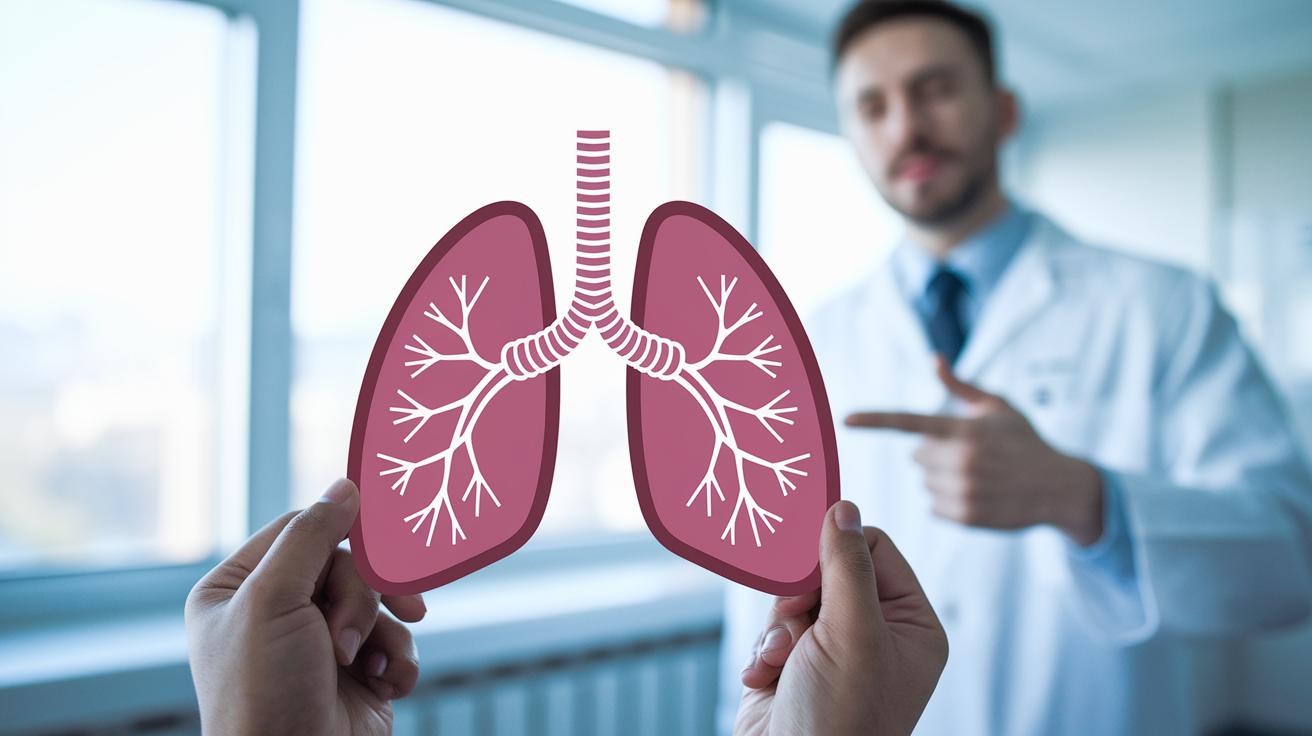
Wheezing is a high-pitched sound you may hear when breathing out. This sound means your airways are getting narrow because of swelling (inflammation). Think of it like hearing a soft whistle in a quiet room, it tells you your breathing tubes are affected.
Evaluating Chronic Cough
A long-lasting cough in asthma is usually dry and doesn’t bring up mucus. It can get worse at night or during exercise, acting as a clear sign that the lining of your airways is irritated and needs attention.
Assessing Breathlessness
If you feel short of breath, everyday tasks might seem harder. This can happen when you’re active or even when you’re resting if your airways tighten a lot. It shows that mucus buildup or muscle tightening is making it harder for your lungs to work right.
Recognizing Chest Tightness
Chest tightness is felt as pressure or squeezing in the chest. Often, it comes along with wheezing and a cough. This feeling tells you that the muscles around your airways are reacting to the swelling and irritation.
Trigger Patterns and Episode Timelines in Asthma Profiles
Quick take: Tracking what sets off your asthma helps you take charge of your breathing.
Triage:
- Call emergency services now if you have severe trouble breathing, chest pain, or feel faint.
- Seek same-day care if your symptoms get worse quickly.
- If your signs are mild, write them down and review them with your doctor.
Noticing your triggers is a big step in managing your asthma. Common triggers like ragweed, pollen, pet dander (tiny flakes of skin from animals), dust mites, smoke, chemical fumes, strong smells, and even extreme weather can spark symptoms. At night, your natural body rhythm and inflammation might combine to bring on a cough or wheeze.
Sometimes, an asthma attack creeps up slowly over a few days with a worsening cough and a tight chest. Other times, symptoms hit suddenly when you least expect them. Start tracking by noting the date, time, and what you were around. This simple log can reveal patterns and help you steer clear of future flare-ups.
Mapping out your timeline with these triggers turns random events into a clear picture. Write down things like being near pet dander or facing a sudden blast of cold air, and note how quickly your symptoms follow. This easy method helps you plan ahead and lower the chance of a buildup of reactions. Keeping a detailed record gives you more control over your asthma and paves the way to better days.
Severity Assessment and Monitoring Tools for Asthma Profiles

Quick take: Clear test numbers show if your lungs need urgent attention.
Triage Box:
- If your peak flow is below 80% of your personal best, call your doctor.
- If your spirometry ratio (FEV1/FVC) falls under 75%, seek advice soon.
- If your bronchodilator test shows less than a 12% improvement in FEV1, talk with your clinician.
- If your lung volume test indicates your lungs aren’t filling as expected, get help immediately.
Using tests like the peak flow meter, spirometry, and lung volume testing gives you concrete numbers to see how your lungs are working. The peak flow meter measures the fastest speed you can blow air out. Spirometry checks how much air you can force out in 1 second (FEV1) and gives you the ratio of that amount to the total air you can exhale (FVC). A bronchodilator test looks for more than a 12% boost in FEV1 after using your medicine. Lung volume tests help spot if your lungs are not filling with air as they should.
Regular checks with these tools help you see if your asthma is under control. When your numbers drop, it might be time to adjust your treatment. Tracking these numbers means you can act quickly and keep your breathing steady.
| Tool | What It Measures | Normal Level |
|---|---|---|
| Peak Flow Meter | Peak expiratory flow | 80-100% of personal best |
| Spirometry | FEV1/FVC ratio | Greater than 75% |
| Bronchodilator Test | Improvement in FEV1 | More than 12% increase |
| Lung Volume Test | Total lung capacity | Within expected range |
Strategies for Managing and Tracking Asthma Symptom Profiles
Quick take: Track your daily asthma signs to see patterns and adjust your care plan fast.
Triage:
- Call emergency services immediately if you have trouble breathing, chest pain, or feel faint.
- Seek urgent care if your peak flow readings drop sharply or symptoms quickly worsen.
Each day, note your symptoms, the time and date, your peak flow reading (a measure of your breathing strength), and any possible triggers like smoke or pet dander. This daily journal helps you notice changes and guide your treatment.
For clear instructions, check the step-by-step guide here:
https://thequickesttips.com?p=1347
Use these steps to connect your diary with your trigger tracking and Asthma Action Plan:
- Record your peak flow reading along with any new or worsening symptoms.
- Write down the date, time, and any potential triggers that you experienced.
- Look for patterns in your triggers and asthma episodes.
- Follow the Asthma Action Plan you set up with your clinician, including when to adjust medications.
- Use quick-relief inhalers exactly as directed during flare-ups.
By keeping a simple daily record, you learn more about your personal triggers and breathing trends. This approach keeps your care plan up-to-date and helps you take control of your asthma.
Differentiating Asthma Profiles from Other Respiratory Conditions

Quick take: Asthma has its own set of signs that help you tell it apart from other breathing issues.
If you have any of these emergency signs, call emergency services now:
- Trouble breathing so severe you can’t catch your breath.
- Chest pain that feels crushing or very intense.
- Your quick-relief inhaler isn’t working as expected.
Asthma makes your airways tighten, which can cause a dry cough and a squeezed feeling in your chest. This chest tightness comes from inflamed airways, not a heart problem. Other lung conditions, like COPD (a long-term lung disease) or chronic bronchitis, tend to produce a wet cough with mucus and show steady breathing problems that do not quickly improve with inhalers.
Key Differences between Asthma and Other Conditions
• In asthma, lung function often gets better quickly after using a fast-acting inhaler.
• Allergy tests can reveal triggers (substances that cause breathing issues) that are common in asthma, setting it apart from nonallergic breathing problems.
• Doctors use a detailed history and a test called spirometry (which measures how well your lungs work) to diagnose asthma and rule out other conditions.
These tests and observations show that asthma is usually intermittent and reversible, while other lung diseases tend to cause constant symptoms that do not change quickly.
Final Words
In the action, the blog breaks down the asthma symptom profile by showing you key signs like cough, wheezing, breathlessness, and chest tightness. It explains how inflamed airways trigger these signs and shares tools to track and manage episodes. You also see how to spot trigger patterns and tell asthma apart from similar issues. This clear guide helps you monitor symptoms effectively and work with your clinician on a care plan. Stay positive and proactive, you're empowered to manage these symptoms better.
FAQ
Q: What causes asthma and what are common triggers in adults?
A: The causes of asthma involve genetic factors, airway inflammation, and exposure to allergens like dust mites, pollen, smoke, or pet dander. In adults, respiratory infections and workplace exposures can also act as triggers.
Q: What are mild asthma symptoms and what signs should I watch for?
A: The mild asthma symptoms include an intermittent dry cough, slight wheezing, mild chest tightness, and occasional shortness of breath during exercise. These signs help identify early airway inflammation.
Q: What is an asthma profile and how is it used in diagnosis?
A: The asthma profile compiles key symptoms and diagnostic test results. It helps clinicians assess inflammation and airway narrowing by identifying signs such as wheezing, cough, breathlessness, and chest tightness.
Q: What are asthma treatment options?
A: The asthma treatment includes using inhaled corticosteroids, quick-relief bronchodilators, avoiding known triggers, and following a personalized action plan to control symptoms and prevent attacks.
Q: What are silent asthma attack symptoms?
A: The silent asthma attack symptoms are subtle signs like mild shortness of breath, a low-grade cough, and slight chest tightness that can go unnoticed yet still signal underlying airway inflammation.
Q: What is the 4 4 4 rule for asthma and what are the 4 hallmarks of asthma?
A: The 4 4 4 rule offers a structured approach to inhaler use and self-monitoring, while the 4 hallmarks of asthma are airway inflammation, reversible airflow obstruction, bronchial hyperresponsiveness, and increased mucus production.