
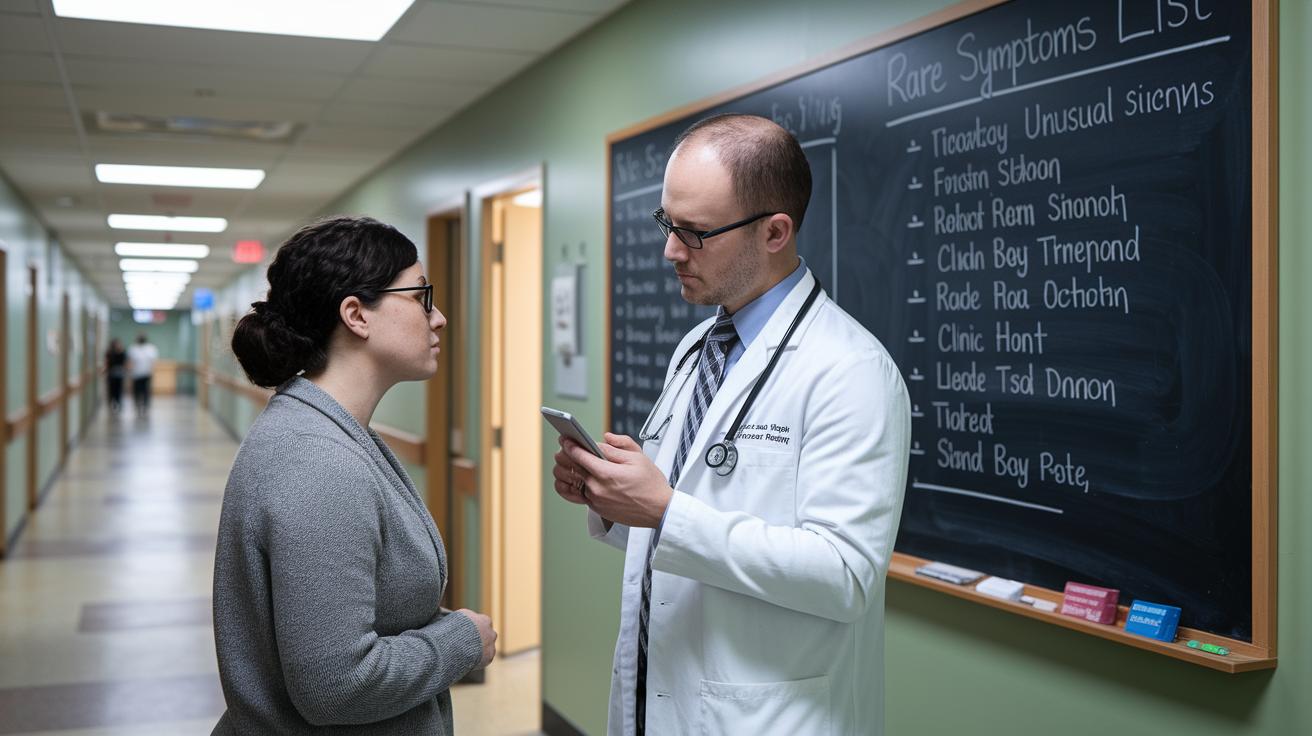

Quick take: Unusual pain might be an early sign of a hidden issue.
Triage Box:
• Red flags: If you experience sudden, severe pain or feel faint, call emergency services immediately.
• Urgent concerns: If the pain grows worse or you feel generally unwell, seek same-day medical care.
• Self-care: Monitor your symptoms and note any changes.
About 1 in 10 people in the United States may have a rare disease. Your body sometimes sends signals that are easy to miss. This guide helps you spot uncommon symptoms and know what to watch for. Learn these clues so you can catch potential issues early and get the care you need. Paying attention now can guide you to safer, quicker care.
Identifying Atypical Health Indicators: a Comprehensive Symptom Guide
Rare diseases (also called orphan diseases) are uncommon individually, but together they affect millions worldwide. In the United States, about 1 in 10 people may have one of these conditions, and more than half of those affected are children. Even though each condition is rare, they add up to a big health challenge. Spotting these issues early is important since small, subtle signs may hide serious health problems.
These unusual symptoms are key because they often do not follow normal patterns. They might point to problems that affect several parts of your body. For example, you may notice a symptom that sticks around longer than you would expect, affects more than one organ, or does not get better with usual care. Pay close attention to details like how long the symptom lasts, whether it shows up in different parts of your body, and how it reacts to treatment.
Red flag warning signs include:
- Symptoms lasting more than 6 weeks
- Signs affecting more than one body system
- Lab test results that don’t match up with what is expected
- Symptoms that come and go in flare-ups
- No improvement with standard treatment
- Clues in your family’s health history
- New or unusual symptoms in children
Noticing these warning signs early can lead to quicker tests and referrals to specialists, which may help stop the disease from getting worse. Keep a record of your symptoms and don’t hesitate to get a second opinion if these red flags continue. Acting on these signs can lead to safer and faster care.
Exploring Obscure Clinical Manifestations in Rare Signs

Sometimes your body gives off odd signals. You might feel pain that comes and goes, notice unusual patches on your skin, or experience changes in how your body feels. These unexpected signs can mean that things aren’t following the usual pattern.
Keep a close eye on changes in specific organs. For example, an unexplained rash or slight skin color change can point to issues with blood flow or metabolism (how your body uses energy). You may also feel heart fluttering or notice an irregular heartbeat, and sudden shortness of breath can signal stress in your heart or lungs. Even minor skin changes can hide deeper concerns. When you add in your family history, these signs can help your doctor understand rare conditions better.
Some symptoms happen in bursts and are worth tracking carefully. Occasional fevers, brief nerve pain, and spells of dizziness can suggest a problem that touches several body systems. Jot down when these events occur, how long they last, and how severe they are. Keeping this simple record can reveal patterns that might get overlooked during a routine checkup.
Navigating Diagnostic Considerations for Deviant Wellness Warnings
Quick take: Unexplained symptoms might hide bigger issues. If you feel very off, act now.
Triage Box:
• Call emergency services now if you have severe, sudden pain, fainting, or confusion.
• Seek same-day care if your symptoms get worse or don’t improve.
• Monitor mild, intermittent signs and keep a note of when they occur.
Your doctor will start by asking about your health history. They want to know how long you’ve had these signs, what might trigger them, and if your family has similar issues. Next comes a focused physical exam that looks at several body systems.
They may order lab tests like blood counts and metabolic panels (tests that check your body’s balance) or imaging studies such as an MRI or ultrasound when needed. Sometimes, genetic tests are used. In other cases, your doctor might ask a specialist (for example, a neurologist or genetic expert) to take a closer look.
A common issue is missing signs that come and go quickly. Don’t wait if your usual treatment isn’t working, tell your doctor. Every step, from discussing your history to running special tests, is important. Skipping a part of this process can delay finding the right diagnosis.
Keep track of your symptoms. Write down the date, time, what you felt, and any triggers. Share this tracker with your clinician to help pinpoint the cause. Following these steps can lead to faster, better care.
Recognizing Unique Vital Red Flags: When to Seek Professional Consultation

Watch for signs that may suggest uncommon issues. For example, a fever lasting more than 2 weeks without a clear reason, a child’s growth that falls off the usual path, or symptoms that show up in different parts of your body.
Keep a simple log of these events. Write down the date, time, how long the symptom lasted, and how severe it was. For example: "Day 1: 102°F for 4 hours with a mild headache." This log helps you notice patterns that might be missed during a short doctor visit.
Start by talking with your primary care provider. If these symptoms continue or get worse, ask for a referral to a specialist like a pediatrician, geneticist, or neurologist.
| Red Flag | Action |
|---|---|
| Prolonged fever | Note details and get prompt evaluation |
| Growth delays in children | Record progress and consult a specialist |
| Multi-system symptoms | Log details and share with your doctor |
Case Studies of Exceptional Illness Pointers in Practice
Patient A had years of joint pain with a low fever that never fully went away. They saw doctors many times, but tests did not give clear answers. Keeping a detailed daily log of symptoms and noting family history helped guide further testing. Advanced gene analysis called exome sequencing (a test of nearly all your genes) confirmed an autoinflammatory syndrome. Patient A shared, "I recorded every flare-up, from how sharp the pain was to when my temperature spiked. This helped my doctor connect the dots."
Patient B experienced sudden episodes of nerve pain (neuropathy) and stomach trouble. The symptoms came and went unpredictably, which made it hard for doctors to see a clear pattern. A careful record of when and how severe the symptoms were, along with similar issues in the family, led doctors to order genetic testing focused on certain genes. This test, known as a targeted gene panel, uncovered a specific metabolic disorder.
Key lessons from these cases include:
- Write down your daily symptoms.
- Note changes like pain levels and fever spikes.
- Record any family history of similar problems.
- Work with a team of specialists who can review your detailed records.
Staying on top of your symptoms can give doctors the clues they need to find rare conditions and offer better treatment.
Strategies for Interpreting Nonstandard Diagnostic Flags at Home

Keeping a symptom log does more than record how you feel, it helps you see hidden health patterns when you review the numbers. You might, for example, use a simple scale to rate how bad a headache feels. One day you might note, "On day 3, my headache went from a 3 to a 7 after eating certain foods."
Use a daily diary or a mobile health tool to write down more than just dates and times. Try these steps:
- Record symptom intensity on a scale from 1 to 10.
- Note how long each symptom lasts.
- Write down what seems to trigger your symptoms and mark how often they flared up.
- Snap photos of any visible changes on your skin.
- Review your notes often to see if any patterns or worsening trends emerge.
Sometimes small changes can be hard to spot day-to-day. For instance, if a skin spot grows a little every third day, record that change and what you were doing at the time. One person noted a mild rash that got worse after a certain activity, and sharing that pattern with their doctor helped guide care.
Remember to take care of yourself along the way. Balance detailed tracking with breaks so you don't burn out, and use patient support programs if you need help managing a complex condition. Keep a clear, short summary of your observations for when you visit your clinician.
Leveraging Underrecognized Disorder Guides: Building a Support Framework
Rare disease groups give you key resources many rely on. They keep databases for over 1,400 conditions and host events like Rare Disease Day. They also offer patient help programs and breaks for caregivers so you can get both advice and practical aid.
Databases that track clinical trials and multilingual portals help doctors spot rare conditions sooner. New AI tools can read large health data sets to flag unusual symptom patterns quickly. One study found that AI analysis improved how doctors diagnose hard-to-classify symptoms. Using both classic databases and modern tech creates a strong link between patients and the latest research.
By joining this network, you can build a care plan that fits you. Check into support groups. Sign up for research registries. Stay updated on new treatments. This active approach helps you work with teams from different fields, ensuring your unique symptoms get the attention they need.
Final Words
In the action, we reviewed unusual health indicators, rare disease clues, and key steps to help you decide when to seek professional help. We outlined red flags, diagnostic steps, and home tracking techniques so you can share detailed information with your clinician. This guide to rare signs offers clear, actionable advice to help you understand symptoms and act safely. Stay observant, record changes, and take steady, informed steps toward your well-being.
FAQ
What is a rare disease support group?
A rare disease support group is an organization that offers help, networking, and advocacy for people affected by rare diseases. It provides practical resources and emotional support.
What are the Top 100 rare diseases?
The Top 100 rare diseases list highlights significant orphan conditions that, while individually uncommon, affect many people collectively. This list assists patients, clinicians, and advocacy groups in targeting research and resources.
What are some of the most common rare diseases?
Some common rare diseases include conditions like cystic fibrosis and muscular dystrophy. Although each disease is individually rare, together they affect a significant number of individuals.
What is the rare disease report?
The rare disease report is a publication that compiles data on the prevalence, diagnosis, and treatment of orphan diseases. It serves as a resource for clinicians, patients, and policymakers.
What is the Office of Rare Diseases?
The Office of Rare Diseases is a government entity that coordinates research, funding, and public awareness for rare diseases. It helps shape policies and support ongoing studies.
What is a rare disease charity?
A rare disease charity is a nonprofit organization that raises funds and awareness for research and patient support. It also helps connect communities and share vital information.
What is the NIH rare disease list?
The NIH rare disease list is a catalog compiled by the National Institutes of Health that details conditions classified as rare. It offers a reliable reference for researchers and clinicians.
What are grants for rare disease patients?
Grants for rare disease patients are financial programs provided by government agencies and nonprofits to help cover treatment and research costs. These grants ease the financial burden on patients and families.
What are two of the 10 symptoms you should never ignore?
Two symptoms you should never ignore include unexplained, prolonged fever and sudden, severe pain. These signs may indicate serious underlying conditions requiring prompt medical evaluation.
What is the rarest sickness to have?
The rarest sickness refers to conditions that occur in very few individuals, often genetic or ultra-orphan disorders. They are typically identified through genetic testing and detailed medical evaluation.
What symptoms should you never ignore?
You should never ignore signs like persistent pain, drastic weight changes, or sudden neurological issues. Such symptoms can indicate serious health problems and require immediate medical attention.
What are examples of nonspecific symptoms?
Nonspecific symptoms include general fatigue, mild discomfort, and low-grade fever. While common in minor illnesses, if these symptoms persist or worsen, they may signal a more serious condition.