


Quick Take: Right-side belly pain can occur for many reasons, from mild issues like trapped gas to more serious conditions.
If you have any of these warning signs, call emergency services now:
• Severe, constant pain that does not lessen
• A fever over 102°F
• Vomiting that does not stop, especially with blood
• Dizziness or fainting
Right-side pain may come from something simple such as gas or constipation. It can also be a sign of more serious issues like appendicitis or problems with your kidney or gallbladder.
Here’s what you can do:
• Note when the pain started and any other symptoms (fever, chills, or vomiting)
• Try using a warm cloth on the area to ease the discomfort
• Rest and drink water
• Keep track of your symptoms and when they worsen
If your pain lasts more than a few days or gets worse, talk to your doctor right away. This note is a guide to help you understand and monitor your pain, it is not a diagnosis. Stay safe by following these steps and getting care when needed.
Understanding Abdominal Discomfort Right Side: Causes, Symptoms, and When to Seek Help
Quick take: Pain on the right side of your belly may have many causes. Follow these steps to know what to do.
If you have any of these emergency signs, call emergency services now:
- Severe, worsening pain
- High fever
- Persistent nausea or vomiting
- Bloody urine
Urgent: If your pain grows stronger, lasts more than a few hours, or comes with new symptoms, seek same-day medical care.
Right side belly pain can come from different body parts. The liver (upper right), gallbladder, right kidney, intestines, and appendix (lower right) are close together. Women also have an ovary in this area. Sometimes trapped gas can cause sharp cramps and bloating. This pain may ease when you pass gas. Constipation can build up stool, causing a dull ache as it presses on nearby organs.
For example, one person said, "After a heavy meal, I had sudden cramps that eased only after I passed gas." But if your pain continues or gets worse, especially with fever, nausea, or changes in bowel habits, it is important to have a clinician check it.
Possible reasons for right side pain include:
- Trapped gas causing sharp cramps and bloating
- Constipation leading to a dull, ongoing ache
- Appendicitis (inflammation of the appendix), which may start as vague pain near the belly button and then move to the lower right, often with fever or nausea
- Kidney stones or infections that bring very strong, wave-like pain and might cause blood in the urine
- Muscle strain from heavy lifting or twisting movements
- Ovarian cysts in women that can cause sharp or dull pain
- Ectopic pregnancy, which can give sharp, localized pain and may lead to internal bleeding
- Digestive conditions like IBS (irritable bowel syndrome) or IBD (inflammatory bowel disease) causing recurring pain
Listen to your body. If you notice any red flags or if your pain worsens, act now and get medical help.
Right Side Abdominal Discomfort Anatomy and Key Organs

Your right side of the belly has many important organs. In the upper right side, you have the liver, gallbladder, part of the colon, and small intestine. The liver helps break down nutrients from food. The gallbladder stores bile (a fluid that helps digest fats). When one of these organs does not work right, it can lead to pain.
In the lower right side, the cecum and the appendix are found. The appendix has a small role in your body's defense. When it becomes inflamed, it causes sharp pain. The nearby right kidney, which sits in the flank area, filters blood and helps control fluid balance. Problems with any of these areas can cause localized pain or discomfort.
Each of these organs plays a clear role. The liver processes nutrients, the gallbladder assists with fat digestion, the colon helps absorb water, the appendix has a minor immune role, and the kidney filters waste. Knowing these roles can help you understand why pain may appear in different spots.
| Organ | Quadrant/Region | Primary Function |
|---|---|---|
| Liver | RUQ | Processes nutrients |
| Gallbladder | RUQ | Stores bile |
| Kidney | Flank | Filters blood |
| Colon | RUQ | Absorbs water |
| Appendix | RLQ | Minor immune role |
Differentiating Dull vs Sharp Abdominal Pain on the Right Side
Quick take: Dull pain builds slowly and sticks around, while sharp pain strikes fast and may need urgent care.
Dull pain feels deep and steady. It can come from constipation, IBS (irritable bowel syndrome, which means your bowel isn’t working right), or IBD (inflammatory bowel disease, where your bowel stays inflamed). This pain builds gradually and can last for hours or even days. Many people say it feels like a constant, heavy squeeze that does not go away when they move.
Sharp pain, on the other hand, comes on suddenly. It may signal problems like appendicitis, gallstones, kidney stones, or even a pulled muscle from heavy lifting or twisting. You may feel it as a stabbing or cramping burst. Sometimes it happens with gas or during your menstrual cycle. One person described it as a bolt of pain that made it hard to stand still.
Recognizing if your pain is dull or sharp helps you decide whether to monitor it at home or seek urgent medical help.
Women’s Right Side Abdominal Discomfort: Gynecological Causes
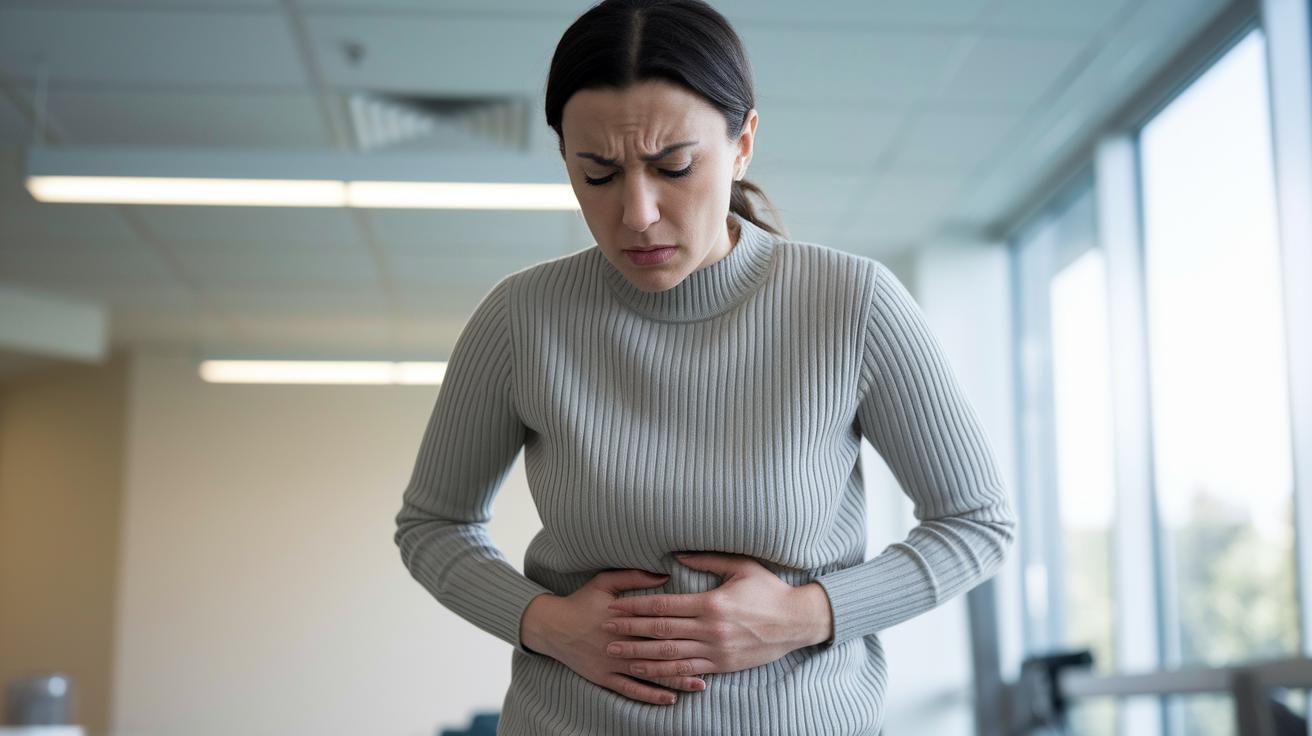
Quick take: Right side pain in women may point to different gynecological issues. This guide explains common causes and what to do next.
If you have any of these signs, call emergency services now:
- Sudden, very intense pain
- Heavy vaginal bleeding
- Dizziness or fainting
Otherwise, keep an eye on your symptoms and note the pain pattern for your healthcare provider.
Ovarian Cysts Description and Symptoms
Ovarian cysts are fluid-filled sacs on the ovary that can cause pain on one side. The pain may hit you suddenly like a sharp stab or feel like a steady, dull ache if the cyst grows or bursts. One woman described a sharp pain on her right that eased over a few hours.
Ectopic Pregnancy Warning Signs
An ectopic pregnancy happens when a fertilized egg grows outside the uterus (womb). This condition can cause sharp, focused pain along with vaginal bleeding, often between weeks 4 and 12. The pain can be severe and may turn into an emergency if not treated.
Endometriosis Pain Patterns
Endometriosis occurs when tissue similar to your uterus lining grows outside your uterus. It commonly causes ongoing pelvic pain that worsens in the right lower side during your period. This pain may feel burning or cramping and might get in the way of your daily activities.
Ovulation and Mittelschmerz Characteristics
Ovulation, sometimes called mittelschmerz (middle pain), often brings a brief twinge mid-cycle. Usually, this pain passes quickly, but if it becomes very strong or lingers, it’s wise to get checked by a healthcare professional.
Diagnostic Evaluation for Abdominal Discomfort Right Side
Your doctor begins by asking about your pain. They want to know when the pain started, exactly where it hurts, what it feels like, and if the pain spreads to other parts of your body. They also ask if you have a fever, feel sick to your stomach, or have any trouble with urination. These questions help rule out causes from simple gas to serious conditions like appendicitis.
Next, the doctor carries out a physical exam. They look at and gently press your stomach to find areas that hurt, feel hard, or cause you to wince when touched. They listen for normal bowel sounds (the gurgling noise in your abdomen) and tap your belly to hear any unusual sounds. This hands-on check gives clues about what might be causing your pain.
Finally, tests like blood work and imaging help complete the picture. Blood tests check for signs of infection and may include a complete blood count (CBC). Other tests look at liver enzymes and amylase/lipase levels (enzymes linked to organ inflammation). A urine test can spot kidney stones or infections, and women usually get a pregnancy test. Imaging tests such as a right upper quadrant (RUQ) ultrasound, CT scan, or X-ray can show if there are issues like gallstones, appendicitis, or bowel obstructions.
Home Care and Over-the-Counter Relief for Right Side Abdominal Discomfort

Quick take: Rest, fluids, and gentle heat can ease your discomfort. If you experience severe pain, high fever (above 102 F), persistent vomiting, or signs of infection, call emergency services now.
• If you have these emergency signs, call emergency services now:
- Severe, worsening pain
- High fever (above 102 F)
- Persistent vomiting or signs of infection
If you do not have the above signs, try these home care steps:
Start by resting when you feel pain and drink plenty of water. A warm compress (a soft towel soaked in warm water) applied to the painful area can help relax muscle strain and ease cramping. Over-the-counter pain relievers such as ibuprofen (a common anti-inflammatory) can reduce inflammation. For gas-related discomfort, antacids or simethicone (helps relieve gas) may bring relief. Taking a short break from hard physical activity lets your body calm down.
You may also try adjusting your eating patterns. Increase your fiber by adding fruits, vegetables, or whole grains to your meals and eat smaller, more frequent portions. Avoid fatty or spicy foods that might worsen your symptoms. Gentle moves like light stretching or a soft abdominal massage may help move trapped gas. Keeping a simple symptom diary can be very useful. Write down what you eat, the time you feel pain, its severity (mild, moderate, or severe), and any steps that helped. This record can assist your doctor if you need further care.
Emergency Red Flags and Triage for Abdominal Discomfort Right Side
If you suddenly feel sharp or worsening pain on your right side, it could be a sign that something serious needs quick medical attention.
If you experience any of these signs, act now:
- Severe pain that keeps growing and does not get better with rest.
- A high fever (over 102°F) with chills, persistent vomiting, or dizziness.
- Pain that starts near your belly button and shifts to the lower right side, along with a sharp spike in pain when you release pressure (rebound tenderness) and a hard, stiff belly.
- Sudden, intense pain paired with feeling lightheaded or faint that might mean a ruptured ovarian cyst.
- Hard, intense pain on your side with blood in your urine or problems urinating, which may signal a kidney stone.
- A stiff, rigid abdomen along with low blood pressure or continuous, severe pain, suggesting a possible infection in the abdomen (peritonitis).
For instance, one patient described pain that started at her belly button and moved to the lower right side. When pressure was taken off, the pain spiked sharply, indicating the need for urgent care.
If any of these red flags show up, get help immediately. Follow any additional directions in your abdominal pain triage guide for next steps.
Final Words
In the action of reviewing abdominal discomfort right side, you examined potential causes, symptom details, and steps to take. The post outlined key organs that may be involved and explained the differences between dull and sharp pain. It also covered important home care and emergency red flags you must not ignore.
Keep a symptom diary to share with your clinician and act swiftly if severe signs arise. Stay confident and focused on your health every step of the way.
FAQ
What causes lower right abdominal pain in females?
Lower right abdominal pain in females can result from trapped gas, ovarian cysts, or even appendicitis. It may also be due to digestive issues such as constipation. Seek care if pain worsens or is accompanied by fever or nausea.
Why does the right side of my abdomen feel uncomfortable?
Discomfort on the right side of your abdomen may stem from indigestion, muscle strain, or gas buildup, and can also relate to issues with the gallbladder or kidney. Noticing other symptoms warrants a checkup.
When should I worry about right-sided abdominal pain?
You should worry about right-sided abdominal pain if it becomes severe, is linked with fever, vomiting, or shows signs like migrating pain and rebound tenderness. These could indicate conditions like appendicitis that need urgent evaluation.
Why does it feel uncomfortable under my right rib cage?
Feeling discomfort under your right rib cage can be linked to problems with the gallbladder or liver, or even a strained muscle. If the pain is continuous or severe, a clinical review is advised.
What organs can you feel on the right side of the abdomen?
On the right side of the abdomen, you may feel the liver (which processes nutrients), the gallbladder (stores bile), the right kidney (filters blood), parts of the intestines, and for women, the ovary (produces eggs).
What does upper right abdominal pain in women suggest?
Upper right abdominal pain in women may suggest issues with the liver or gallbladder, or indicate muscle strain. Persistent pain or other symptoms should prompt a discussion with your clinician.