
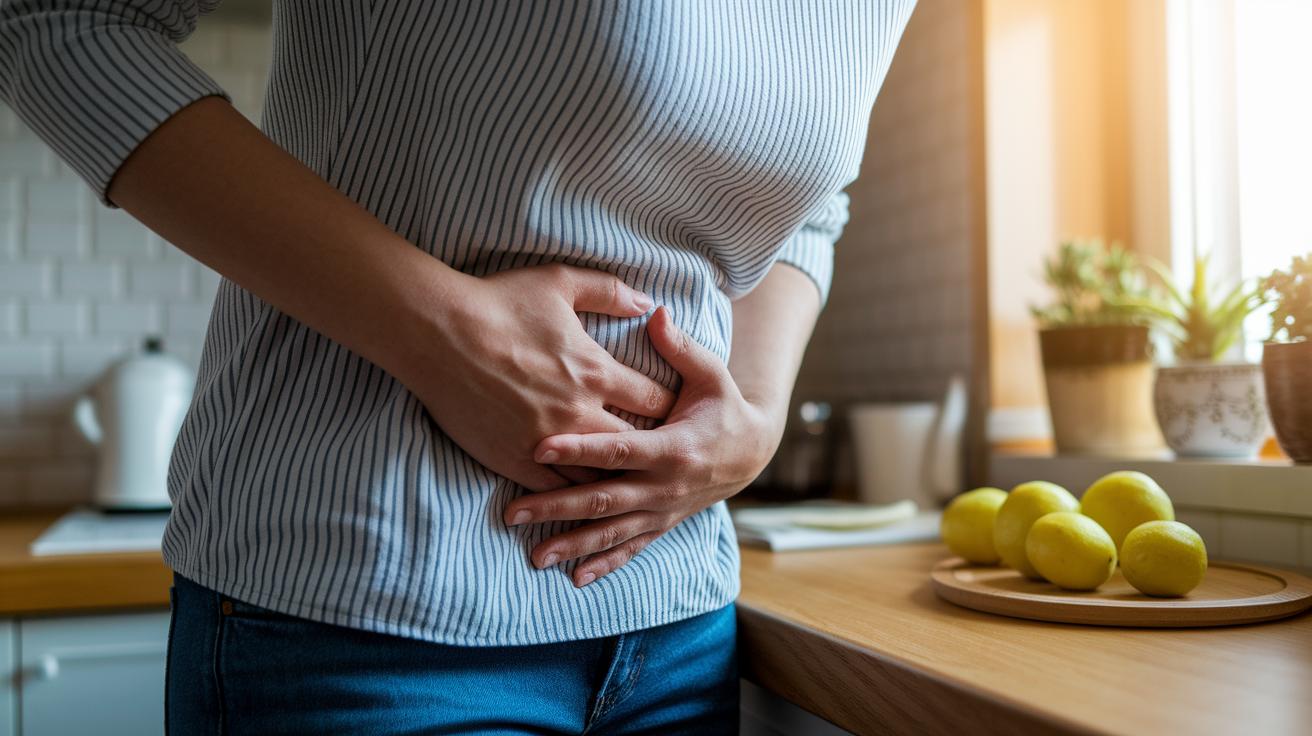

Quick take: Abdominal bloating is often caused by trapped gas or extra fluid and may need attention if red flags appear.
Triage Box:
• If you have severe, sharp pain, a fever over 102°F, or persistent vomiting, call emergency services now.
• If your bloating worsens or you feel short of breath, seek same-day medical care.
• Otherwise, monitor your symptoms and use home care steps.
Sometimes your stomach may feel tight or swollen even when you haven’t eaten much. This bloating might be due to gas caught in your system or extra fluid building up. This guide shares common causes and easy ways to ease your discomfort fast. Keep a simple log of your symptoms, note the time, what you feel, and how bad it is, so you can show it to your doctor if needed. By paying attention to what your body is saying, you can take steps to feel better today.
Abdominal bloating symptoms: Feel Better Today
Quick take: Bloating usually comes from trapped gas and fluid buildup. If you experience severe pain or other concerning signs, act now.
If you have any of these emergency signs, call emergency services immediately:
- Severe, sharp abdominal pain
- High fever (over 102°F)
- Persistent vomiting or inability to keep fluids down
- Signs of bowel blockage (severe swelling and constant pain)
Urgent: Seek same-day medical attention if you notice:
- An increase in pain or discomfort
- Blood in your stool
- Continuous or worsening vomiting
Self-care steps:
- Monitor your symptoms closely
- Keep track of any changes in your bowel habits
- Adjust your diet if you notice a link between certain foods and your bloating
Bloating feels like your stomach is full, tight, or swollen even if you haven’t eaten much. This happens when your body traps gas (air released as food breaks down) or fluid builds up in your abdomen. You might also feel the need to pass gas, which is normal. Sometimes, bloating comes with mild nausea, vomiting, or diarrhea.
Remember, bloating isn’t just about feeling full after a meal. Fullness comes directly from eating, while bloating is more about trapped gas that makes your abdomen feel pressured. Recognize these signs as a signal to check your diet or get help if things seem to be getting worse. Keeping a simple diary of what you eat and how you feel can help you and your clinician figure out what might be causing your discomfort.
Common causes of gas-related abdominal swelling

Quick Take: Gas-related swelling often comes from everyday habits. If your pain becomes severe or you notice alarming signs like bloody stool, call emergency services now.
Triage Box:
- Call emergency services now if you experience severe, worsening pain, ongoing vomiting, or blood in your stool.
- Seek same-day medical help if the pain or discomfort lasts more than 3 days.
- Otherwise, try simple self-care and monitor your symptoms.
Gas can build up for a few everyday reasons. One common cause is low activity or a sudden change in your diet. When you don’t move much or quickly switch what you eat, you may miss out on enough fiber and water. This can make your stool hard and lead to constipation, which causes discomfort and gas buildup.
Hormonal changes during your menstrual cycle can also lead to a bloated feeling. These shifts may cause cramps and swelling. Keeping your salt intake below 2,300 mg per day and drinking between 48 and 64 ounces of water can help ease these symptoms.
Another factor is undigested food. When food isn’t fully broken down, it ferments in your gut and produces methane and hydrogen. This natural process can create extra gas you feel as bloating.
Eating too many high-calorie baked goods like cookies, cakes, or bread may add extra pressure to your belly. The extra weight can make you feel full and create a sense of tightness.
If you have irritable bowel syndrome (IBS), you might notice bloating along with other signs like diarrhea or constipation. Over 90% of people with IBS experience bloating because their intestines are sensitive to certain foods and stress.
Making small changes in your diet and lifestyle might help reduce these uncomfortable symptoms. If the swelling worsens or you have more red-flag symptoms, reach out to a healthcare professional.
Differentiating harmless gas from serious bloating issues
Quick take: Most gas is harmless, but if you notice extra symptoms like weight loss, fatigue, or back pain, it could signal a more serious problem.
Triage Box:
- If you experience any of these emergency signs: Unintentional weight loss, ongoing fatigue, or persistent pain that doesn’t ease with burping or passing gas – call emergency services now.
- If you notice urgent symptoms: Bloating that sticks around, worsening discomfort, or back pain that might point to issues like pancreatitis, kidney stones, or spinal problems – seek same-day medical attention.
- For typical cases: When you have mild gas that is relieved by burping or passing gas, monitor your symptoms and try some self-care measures.
Gas from trapped air is a normal part of digestion, especially after eating foods that naturally produce gas. Usually, a quick burp or passing gas releases the pressure and eases discomfort. However, sometimes bloating could be a sign to take notice. For instance, an enlarged organ, fluid buildup, or even a tumor might cause more significant swelling. Also, if you feel unexpected weight loss, constant tiredness, or ongoing pain, these are clues that the gas might be hiding something more serious.
Keep a close watch on your symptoms. If you find that burping or passing gas doesn’t bring the usual relief and the discomfort persists or worsens, it’s time to see a healthcare professional. Tracking things like duration of bloating, changes in your energy levels, and any back pain you feel can help your doctor figure out what’s going on.
Pay attention now to ensure your health stays on track. When you notice changes or if the bloating feels different and lasts longer than normal, get evaluated. Acting early can help prevent complications and keep you safe.
When abdominal bloating symptoms signal medical attention

If you notice blood in your stool, unexpected weight loss, repeated vomiting, or constant, uncomfortable bloating, you need to get help right away. These red flag signs mean you should seek care on the same day.
Your doctor will ask about your symptoms, perform a physical exam, and run tests if needed. They may use a triage flowchart for abdominal pain to decide on the next steps. For a detailed list of warning signs, check our red flag checklist for severe abdominal pain.
If your discomfort continues or you develop new, concerning symptoms, don’t wait. It’s important to have it checked promptly.
At-home gas relief and quick de-bloating methods
Quick take: Use simple steps like switching drinks, gentle movement, and over-the-counter remedies to ease bloating fast.
If you have any of these emergency signs, call emergency services now:
- Severe, unbearable stomach pain
- Persistent vomiting or fever
If you experience strong cramps or pain that doesn't improve, seek same-day medical care.
For ordinary gas and bloating, try these steps:
- Swap carbonated drinks for still water or herbal tea (like peppermint or ginger) to reduce extra air in your stomach.
- Take a dose of simethicone or activated charcoal as directed. These help break up gas bubbles.
- Sip warm water or herbal teas to soothe your tummy and help the gas move along.
- Enjoy a gentle walk for about 10 to 15 minutes to get your digestion moving.
- Massage your belly by gently rubbing in a clockwise circle to encourage natural gut movement.
- Try a simple yoga pose such as the wind-relieving pose (Pavanamuktasana). This helps move trapped gas and ease discomfort.
These easy steps help you manage bloating quickly. Note which methods work best for you and keep an eye on your symptoms. If your discomfort worsens or lasts longer than usual, contact your healthcare provider.
Dietary and lifestyle adjustments to prevent bloating
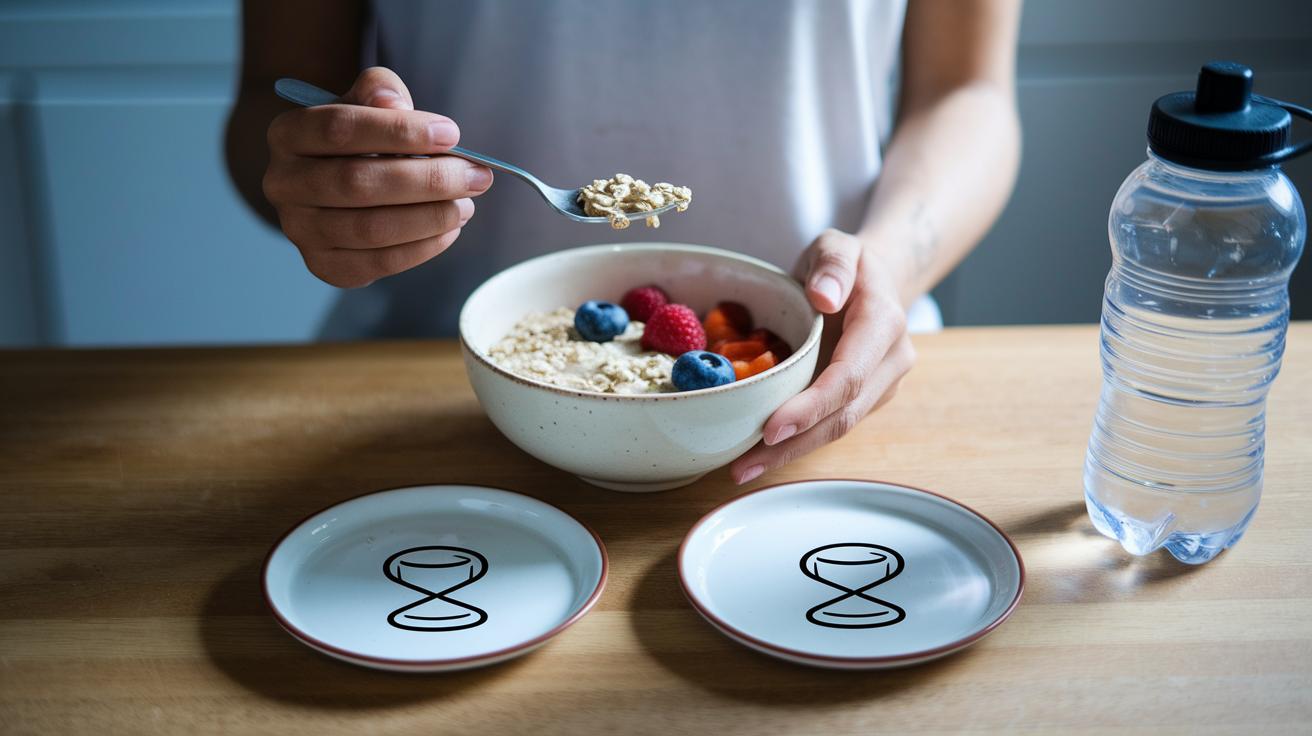
If you notice your tummy feels tight and swollen, your diet might be a key trigger. If you think you may have trouble with lactose (difficulty digesting dairy), try cutting out milk and cheese to help ease the discomfort. You might also want to test a low-FODMAP plan, which means eating fewer specific carbs that often cause gas and pain. Boosting your meals with fiber from whole grains, beans, and fruits can help your digestion work smoothly. Also, keep your salt intake low, no more than 2,300 mg per day, as too much salt can cause your body to hold on to extra water. Drinking about 48 to 64 oz of water daily helps flush out excess salt. And, take your time eating. Chew slowly to avoid swallowing extra air that can add to the bloating.
Changing up your daily habits is just as important. Getting regular exercise, like a short walk after meals, can improve your digestion and help move trapped gas out of your system. Many people also find that taking a daily probiotic (a supplement with good bacteria) supports a healthy gut. Managing stress with activities like yoga or meditation can further soothe your digestive system. By adjusting both what you eat and how you live, you create a friendlier environment for your gut, making it easier to dodge the discomfort that often follows a meal.
Exercise, posture, and massage for bloating relief
Simple lifestyle moves like gentle exercise, yoga, and massage can help ease gas when you're at home. A brisk walk for 10 to 15 minutes kickstarts your digestion and helps move trapped gas along naturally.
Yoga and stretching methods
Gentle yoga poses can help free trapped air and ease belly discomfort. Try the wind-relieving pose: lie on your back, pull your knees toward your chest, and take slow, deep breaths. Child’s pose relaxes your back and opens your stomach, while simple twists or hamstring stretches ease tight muscles to support your natural digestion.
Posture adjustments and massage
Changing your posture may also relieve bloating. Lying on your left side helps gravity guide gas and waste through your colon. You can also use a light massage by stroking your belly in a clockwise circle. This simple self-massage works well with other at-home gas relief steps to ease pressure.
Tracking and chronic management of abdominal bloating

Keep a daily diary where you note the date, time, meals, and activities. It helps you link what you eat and do to your bloating (a swollen stomach). Use our step-by-step guide to start tracking your symptoms: https://thequickesttips.com?p=1347
If your belly feels persistently swollen or you notice extra discomfort, update your diary with these changes. This record helps your healthcare provider spot patterns and decide on long-term care, especially for conditions like IBS (irritable bowel syndrome).
Final Words
In the action, you explored how to notice and manage abdominal bloating symptoms through clear checklists, symptom trackers, and practical home-care tips. The guide breaks down identifying triggers, separating routine gas buildup from serious signs, and offering safe first-response approaches. You learned how simple adjustments in diet, exercise, and posture can ease discomfort and help you monitor progress.
Keep tracking your symptoms and using these practical steps. Better days are ahead, and you’ve got the guidance you need.
FAQ
Q: Why do I feel so bloated that I look pregnant and my stomach feels heavy?
A: Feeling so bloated that you appear pregnant means your abdomen is distended by gas or fluid. This can be due to digestion issues, hormonal changes, or food sensitivities that trigger swelling.
Q: What relieves bloating fast, including upper and female-specific remedies?
A: Quick relief from bloating can include over-the-counter options like simethicone, warm herbal teas such as peppermint or ginger, gentle walking, and light abdominal massage. These methods may ease discomfort quickly.
Q: What are 5 signs of bloating?
A: The signs of bloating include a visibly swollen abdomen, feelings of tightness, a heavy or full sensation, discomfort or pain, and increased gas. Recognizing these indicators helps you decide when to seek further care.
Q: What is the main cause of abdominal bloating?
A: Abdominal bloating often starts with excess gas buildup from swallowed air or undigested food, which ferments in your gut. Conditions like irritable bowel syndrome can further contribute to this discomfort.
Q: How can I solve a bloated stomach?
A: Solving a bloated stomach involves identifying your triggers, adjusting your diet, staying well hydrated, and using gentle interventions like walks or herbal teas. Consistent symptoms should be discussed with a healthcare provider.
Q: Is bloating a serious problem?
A: Bloating is usually not serious, though it can be concerning if it comes with weight loss, blood in your stool, or lasting discomfort. In such cases, it is wise to seek professional advice immediately.
Q: Can abdominal swelling be a sign of cancer?
A: Abdominal swelling may signal cancer when it occurs with red flag signs like unintentional weight loss and ongoing pain. If these symptoms appear, it is crucial to seek a medical evaluation right away.