
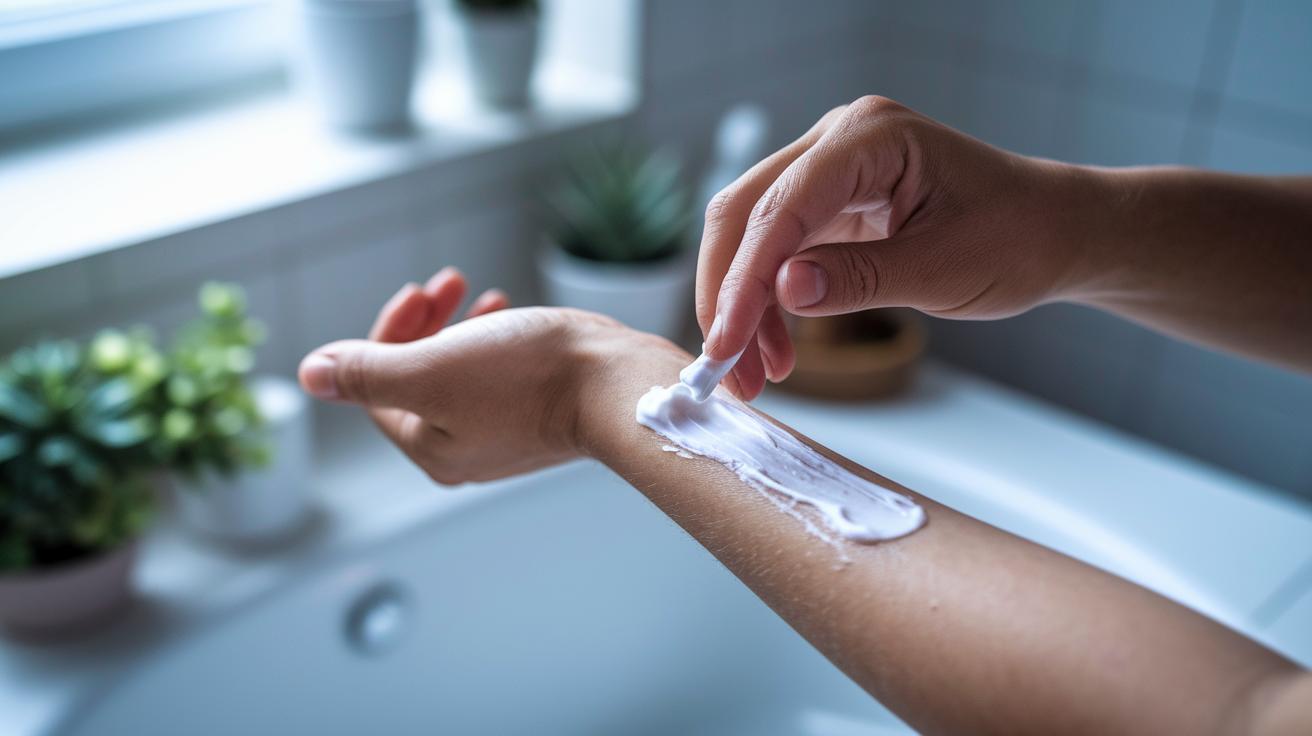

Quick Take: Your skin may be sending you a signal to slow down and treat it gently.
If you experience any of these warning signs, call emergency services now:
• Severe swelling or blistering
• Spreading redness or pain that worsens
• Signs of infection (like fever or pus)
Common causes include dryness, allergies, or environmental irritants. Here’s what you can do now:
• Use a gentle cleanser that avoids harsh chemicals.
• Pat your skin dry instead of rubbing it.
• Apply a soothing moisturizer to lock in moisture and calm irritation.
Keep track of your symptoms by noting the date, the areas affected, and how your skin feels (like burning, itching, or stinging). If the irritation lasts more than 3 days or worsens, seek advice from your clinician.
Remember, these steps are for minor skin irritation. Take care of yourself and act now if your symptoms are severe.
Fast Relief: Top Steps to Heal Skin Irritation Immediately
Quick take: For mild skin irritation, follow these simple, soothing steps to help your skin feel better fast.
If you have any emergency signs, call emergency services right away:
- Severe pain or swelling
- Signs of an infection (such as fever, red streaks, or pus)
- Intense burning
Most skin irritation comes from minor exposures or dryness. Here’s what you can do now to ease the discomfort:
- Use a gentle cleanser with lukewarm water. This helps clean without stressing your skin further.
- Pat your skin dry softly. Avoid rubbing to prevent extra irritation.
- Immediately apply a moisturizer that includes soothing ingredients like aloe vera, calendula, or chamomile.
- For quick relief from itching or rash, press a cold compress (or ice pack wrapped in cloth) on the irritated area for a few minutes.
- Dab on aloe vera gel. Aloe is known to calm irritation and support healing.
- Keep your skin hydrated with products that contain hyaluronic acid or glycerin, and consider using a hydrating mask once a week.
- Protect your skin by applying a physical sunscreen with zinc oxide or titanium dioxide if you plan to be outdoors.
- Consider adding facial oils such as rosehip, jojoba, or avocado to lock in moisture.
If you continue to struggle with itch or inflammation, talk to a dermatologist for advice tailored to you. Monitor your symptoms closely and note any changes. Act fast if your condition worsens to keep your skin on the clear path to healing.
Understanding Triggers to Heal Skin Irritation Effectively

Quick take: Your skin irritation can be sparked by weather, harsh chemicals, hormone changes, or allergies, knowing your triggers is the key to relief.
If you notice any of these signs, seek help immediately:
- Severe burning or pain
- Intense swelling
- Signs of infection such as redness spreading or pus
Your skin can flare up when it loses moisture. Cold weather and very dry air pull moisture away from your skin. Hormone changes can weaken your skin’s natural barrier, making it more sensitive. Ingredients like synthetic dyes and fragrances can also upset your skin. Sometimes, eating certain foods or using specific skincare products can lead to an allergic reaction called contact dermatitis (inflammation from allergens or irritants).
Common triggers for skin flare-ups include:
- Extreme weather conditions
- Harsh chemicals in your personal care products
- Allergic reactions to foods or surroundings
- Ongoing skin issues like eczema, psoriasis, or rosacea
To soothe your skin, start by removing the cause of irritation. Use fragrance-free, gentle products to keep your skin calm. It can help to jot down your symptoms and what you were exposed to when they began. This diary will help you spot patterns and avoid repeating the triggers.
By taking these simple steps, you can protect your skin now and help keep it strong for the future.
Natural Remedies to Soothe and Heal Skin Irritation
Quick take: Mild skin irritation may ease with simple home remedies, but if your symptoms worsen, get help right away.
If you have any of these emergency signs, call emergency services now:
- Widespread redness that spreads quickly
- Severe pain with swelling or fever
- Blisters or pus forming on the skin
Aloe vera gel is a trusted choice when your skin feels red or burns. It helps fight germs and supports healing (helps your skin repair itself). Rub a little on the irritated spot or mix it with other gentle ingredients for a calming effect.
Chamomile can also ease skin irritation. Brew chamomile tea, let it cool, and then apply it as a compress on the affected skin. This can lower swelling and calm the area. Enjoy a warm cup of chamomile or peppermint tea as well, since a relaxing drink helps reduce stress.
An oatmeal bath is another time-tested remedy. The FDA approved finely ground oatmeal in baths as a protectant. Soaking in a lukewarm bath with oatmeal can ease itching and shield your skin from further irritation. You might also add a small amount of Epsom salt (magnesium sulfate, which helps your skin feel softer) and soak for about 10 to 15 minutes.
Coconut oil works well too. It moisturizes and helps repair your skin’s barrier, which is especially useful for dry or eczema-prone skin. In addition to these remedies, eating anti-inflammatory foods like leafy greens and berries can support skin healing from the inside.
Try these natural steps to see which help your skin the most. Remember, if your irritation gets worse or if you notice any new severe symptoms, reach out to a healthcare professional.
Home Care Routine to Gently Heal Irritated Skin

Quick take: A gentle daily routine can calm irritated skin. If you notice sharp pain, swelling, or signs of infection, call your healthcare provider.
Start your morning by washing your face with a mild cleanser. Use lukewarm water and a cleanser that is free of sulfates and fragrances. This cleans your skin without wiping away its natural oils. When you finish, pat your skin dry with a clean towel, rubbing can make irritation worse. Right after, apply a barrier repair moisturizer (a cream that helps protect the skin’s outer layer). A soothing cream with calming ingredients can work wonders.
Every day, protect your skin by using a physical sunscreen with zinc oxide. Even on cloudy days, this step shields your skin from UV rays. Skip hot showers because the heat dries out your skin. Instead, take a short, lukewarm shower to keep your moisture balance intact.
Once a week, try a gentle exfoliation with a non-abrasive mask to clear away dead skin cells without stressing your skin. During the day, wear loose, breathable fabrics that reduce friction and help your skin stay cool. Always choose pH-balanced, fragrance-free products to lower the risk of more irritation.
Stick with this safe, simple routine to help manage skin sensitivity and strengthen your skin’s barrier for lasting relief.
Over-the-Counter Treatments to Heal Irritated Skin Safely
OTC treatments can help ease redness, itch, and discomfort when your skin is inflamed. Try starting with hydrocortisone cream. Apply a thin layer on the affected skin up to twice a day. This can lower inflammation and calm flare-ups. Always use it exactly as directed to avoid overuse.
Calamine lotion may also help by reducing itch and drying any weeping skin. Just dab a little on the irritated areas for quick relief.
Medicated ointments with zinc oxide or colloidal oatmeal can make a protective barrier while soothing your skin. They guard sensitive areas from further irritation while helping the healing process.
If your skin keeps itching, you might try an oral antihistamine to lessen the reaction from a minor allergy. Alternatively, non-steroidal creams with menthol or pramoxine provide a cooling relief from discomfort.
Always use these products carefully. Follow the label directions and don’t use more than recommended. Using the treatments correctly can help manage irritation and support your skin’s healing.
Preventing Recurring Skin Irritation and Maintaining Healthy Skin
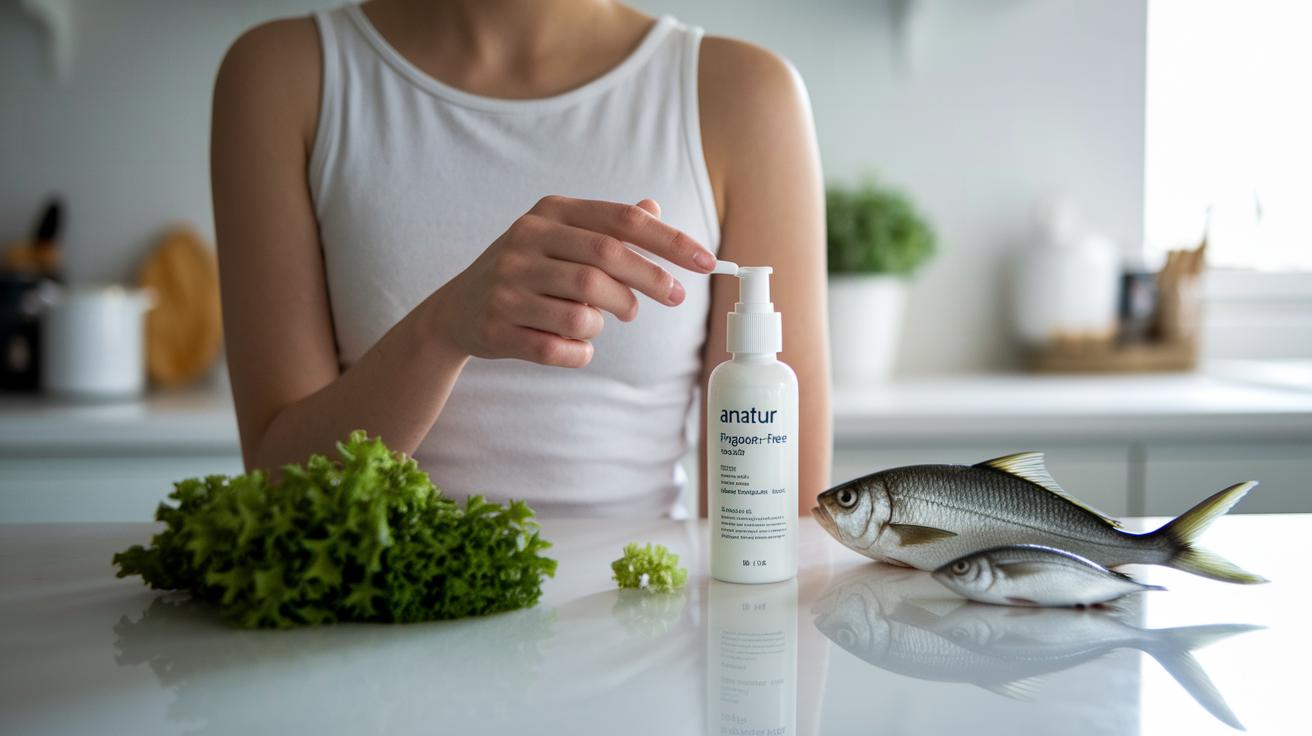
Quick take: A mix of gentle skin care and smart eating can help calm irritated skin and build long-term strength.
If you have any of these red flags, seek help now:
- Intense burning or sharp pain
- Extreme swelling or redness
- Signs of infection (like pus or fever)
What you can do:
- Eat lots of anti-inflammatory foods like leafy greens, fatty fish, and nuts.
- Use mild, fragrance-free cleansers and barrier creams to soothe and protect your skin.
- Apply hydrating treatments (like antioxidant serums) when you feel stress or expect a flare-up.
- Alternate between moisturizing masks and a light scrub to keep your skin barrier strong.
- Schedule regular skin checks with your doctor for ongoing care.
These steps blend quick relief with measures that support your skin over time. Tracking your daily diet and skin changes can help your doctor see what’s working and whether any adjustments are needed.
When to Seek Professional Care for Skin Irritation
Quick take: If your skin irritation spreads quickly, causes severe pain, fever, or shows signs of infection, you should get help right away.
If you see any of these signs, call emergency services now:
- Rapid rash growth or rash covering a large part of your body
- Severe burning or aching that does not get better
- Fever or chills
- Skin changes like pus, red streaks, or areas that feel warm or tender
These symptoms mean you need immediate care. Also, if your irritation lasts more than 2 weeks, contact your healthcare provider.
When you visit your doctor, consider asking:
- What might be causing this skin irritation?
- What tests can confirm a diagnosis?
- How can I manage these symptoms safely at home?
- What treatment options do you recommend for irritated skin?
- How do prescription creams or light therapy work for conditions like eczema?
- What steps should I follow after the rash heals to help prevent it from returning?
You have a few options for getting care:
- A visit to your primary care doctor for an initial checkup
- A consultation with a dermatologist for targeted treatment
- Going to urgent care or the emergency room if your symptoms get worse quickly
| Warning Signs | Action Steps |
|---|---|
| Rapid rash spread, severe pain, fever | Call emergency services immediately |
| Irritation lasting longer than 2 weeks and signs of infection | Schedule a dermatologist appointment |
Final Words
In the action, you learned fast relief steps and examined triggers that worsen skin irritation. We covered how gentle cleansers, soothing botanicals like aloe vera, and OTC treatments can support rapid comfort. We also reviewed essential home care routines, prevention tips, and clear signals for when to seek professional help.
By following these practical tips, you can manage irritation confidently and safely while keeping tabs on your progress. Stay positive while discovering how to heal skin irritation and regain a balanced routine.
FAQ
Pictures of skin rashes
The pictures of skin rashes help you recognize different patterns such as eczema, hives, or contact rashes by showing visual examples of these conditions.
Medicine for skin rashes and itching
The medicine for skin rashes and itching includes options like OTC hydrocortisone, antihistamines, and calamine lotion that relieve discomfort and reduce inflammation while protecting your skin.
Best Cream for itchy skin rash
The best cream for an itchy skin rash often contains soothing ingredients such as aloe vera, calendula, or colloidal oatmeal that calm irritation and help restore moisture to your skin.
What stops itching fast
The remedy to stop itching fast typically involves applying a cool compress, using OTC hydrocortisone cream, or taking an oral antihistamine to quickly reduce swelling and numb irritated nerve endings.
Skin allergy types with pictures and treatment
The skin allergy types with pictures and treatment allow you to identify reactions like contact dermatitis, eczema, or hives, and manage them with trigger avoidance, soothing creams, and proper skin care routines.
Tablets for skin rashes and itching
The tablets for skin rashes and itching generally refer to oral antihistamines that work to reduce your allergic response, although consulting a healthcare professional is advised for proper guidance.
How to cure rashes on face naturally
The approach to cure rashes on the face naturally includes using gentle cleansers, aloe vera gel, and cool compresses while avoiding harsh products that can worsen irritation.
Cream for skin rashes and itching
The cream for skin rashes and itching is designed to soothe and protect your skin by using ingredients like calamine, aloe vera, or mild hydrocortisone to ease discomfort and reduce redness.
How to make a skin irritation go away?
The method to make a skin irritation go away involves gentle cleansing, applying a cool compress, and using a soothing cream or gel to reduce itch and calm inflammation.
What heals irritated skin fast?
The method that heals irritated skin fast involves using aloe vera gel, calamine lotion, and OTC hydrocortisone to calm inflammation and support your skin’s natural healing process.
How to treat skin rashes in children?
The way to treat skin rashes in children focuses on gentle cleansing with mild, fragrance-free products, using age-appropriate creams, and consulting a pediatrician for safe treatment options.
How to treat itchy rash while pregnant?
The method to treat an itchy rash while pregnant involves using gentle, pregnancy-safe skincare remedies like mild moisturizers and cool compresses, along with consulting your healthcare provider for safe medication options.