


Quick take: Chest pressure can signal heart or lung problems that need prompt attention.
If you have any of these signs, call emergency services now:
- Severe, crushing pressure or pain in your chest
- Shortness of breath or difficulty breathing
- Pain that spreads to your arm, neck, or jaw
If your symptoms are mild but new or worsening, seek same-day medical care.
A heavy weight on your chest might mean something is wrong with your heart or lungs. This guide explains what can cause that tight feeling, when to worry, and what steps to take. Understanding these signs can help you act safely and confidently.
Overview of Chest Pressure: Causes, Urgency, and Next Steps
Quick Take: Chest pressure may signal a serious heart or lung issue, so act promptly if you notice red flags.
If you have any of these emergency signs, call emergency services now:
- Severe pressure lasting longer than 15 minutes
- Chest pressure with heavy sweating
- Pressure along with dizziness or fainting
- Pain spreading to the arm, neck, or jaw
- Sudden shortness of breath or coughing up blood
- New irregular heartbeat or loss of consciousness
Chest pressure feels like tightness or squeezing in your chest. It can seem like a heavy weight or constant pressure behind the breastbone. Many things can cause this feeling.
Heart conditions such as a heart attack (when blood flow to the heart is blocked) may give you pressure that spreads to your arms, neck, or jaw. Lung problems like pulmonary embolism (a blood clot in the lung) cause a sharp, sudden pressure and trouble breathing. Even non-heart problems such as acid reflux (stomach acid rising into the esophagus), muscle strain, or bronchitis (airway inflammation) can lead to similar symptoms.
This symptom matters because it could signal both serious and less critical issues. Serious problems like coronary disease or heart attacks require immediate care, while milder issues like heartburn may only need simple self-care. Tracking when the pressure starts, how long it lasts, and what seems to trigger it helps you decide how urgent your situation is.
Keep an eye on your symptoms and act now if you notice any severe signs.
Heart-Related Causes of Chest Pressure

Quick take: Chest pressure may signal serious heart trouble.
If you experience any of these emergency signs, call emergency services now:
- Crushing, intense pressure that spreads to your arm, neck, or jaw.
- Sudden shortness of breath with heavy chest pressure.
- Sharp, stabbing pain behind the breastbone.
Common causes include coronary artery disease, congestive heart failure, and pericarditis. In coronary artery disease (where fats, cholesterol, and calcium slowly narrow your arteries), reduced blood flow creates a heavy or squeezing feeling behind the breastbone. As this narrowing worsens, a complete blockage can occur, causing a heart attack. A heart attack comes on with intense, crushing pressure that may spread into your arm, neck, or jaw along with shortness of breath.
Another cause is congestive heart failure, which happens when the heart does not pump well. When this occurs, fluid builds up in the lungs and can cause pressure in the middle of your chest, especially during activity. Pericarditis (inflammation of the lining around the heart) brings sharp, sudden pain that many people describe as stabbing pressure behind the breastbone.
These heart issues show how the heart’s health directly affects your comfort. If you notice these symptoms, it’s important to seek medical help promptly to protect your health.
Non-Cardiac Sources of Chest Pressure
Quick take: Chest pressure from non-heart causes is usually linked to stomach, muscle, or breathing issues.
Triage Box:
• Emergency: Call emergency services now if you experience sharp, severe pain, trouble breathing, or fainting.
• Urgent: Seek same-day medical care if the pain worsens or new symptoms appear.
• Watch: Track your symptoms if the pain is mild and clearly tied to eating, movement, or stress.
Sometimes a burning, tight feeling behind your breastbone comes from your stomach. Acid reflux or heartburn (when acid flows upward) causes a burning pressure, while an esophageal spasm (a sudden squeeze of the esophagus) can trigger sharp chest pain that might seem like heart pain. This discomfort often happens after eating or when lying down.
Muscle and bone issues can also cause chest pressure. Conditions such as costochondritis (inflammation where the ribs meet the breastbone) make the area tender and achy. Overused or injured chest muscles might also create a similar pressure. You can often reproduce this pain with certain movements or by touching the area.
Breathing troubles and anxiety may add to the feeling of chest tightness. In asthma or bronchitis, narrowed airways can give you a pressured feeling along with difficulty breathing. Anxiety may lead to a heavy, tight chest, shallow breaths, or a quick heartbeat. Noticing these signs can help you decide when to seek help and how to track your symptoms.
Chest pressure: Calm insights for better health
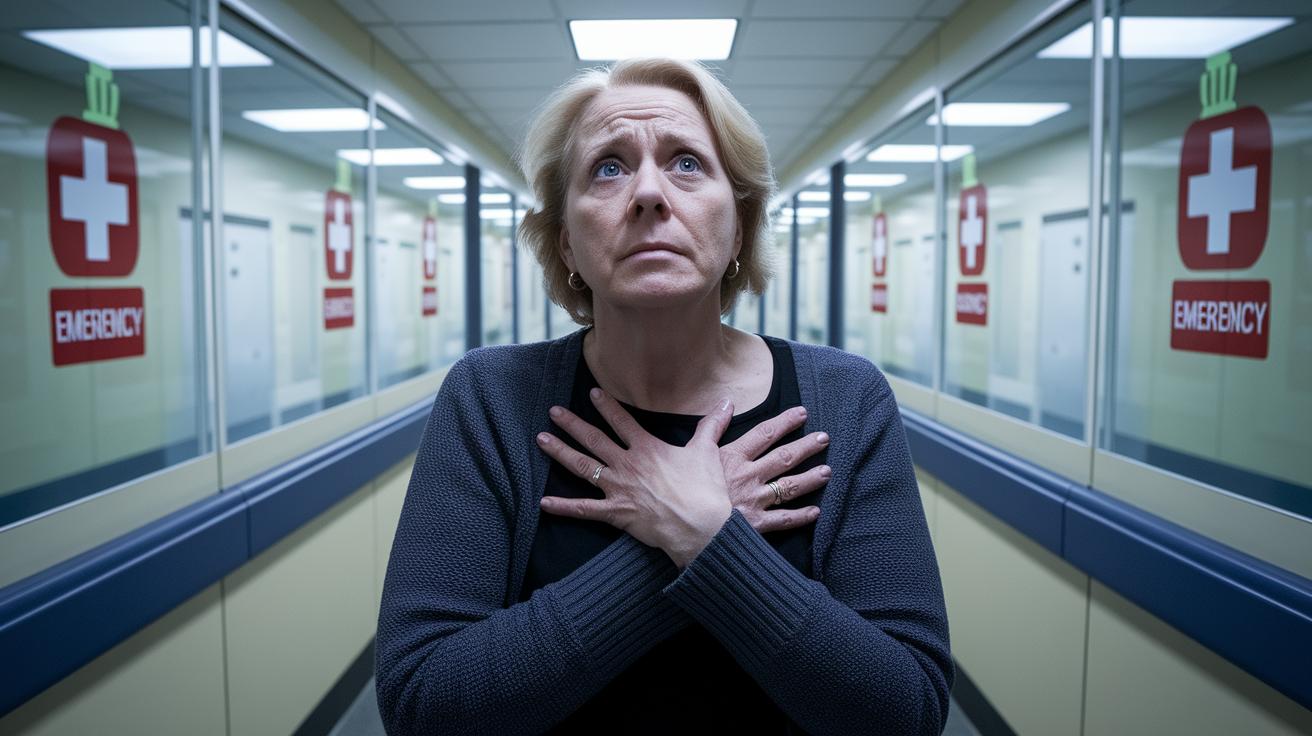
Quick take: Chest pressure with serious signs may signal a heart issue.
If you have any of these emergency signs, call emergency services now:
- Heavy sweating along with chest pressure
- Feeling very lightheaded or faint
- Pressure lasting longer than 15 minutes
- Sudden, severe trouble breathing
Women may feel chest pressure in different ways. You might notice tiredness, nausea, or shortness of breath even if the pressure isn’t strong. Be sure to note when these symptoms occur.
Chest pressure from the heart usually starts suddenly, whether you’re active or resting, and it can get worse quickly. By contrast, pressure from non-heart causes like acid reflux or muscle strain tends to come and go or happens with certain activities.
| Feature | Heart-related | Other causes |
|---|---|---|
| Onset | Starts suddenly during activity or rest | Occurs intermittently, often with specific actions |
| Progression | May worsen fast | Typically steady or fluctuating |
| Other signs | Sweating, lightheadedness, fainting | Burning pain, muscle aches |
Diagnostic Evaluation for Chest Pressure
When you feel chest pressure, doctors act fast to find the cause. If you experience sudden and intense pressure, they often run an ECG (electrocardiogram, a test that checks your heart's electrical signals) right away to rule out a heart attack. If the pressure happens during physical activity, a stress test is usually done to see if your heart struggles when working harder.
Other tests help tell if the problem is in your lungs or your heart. A chest X-ray shows your lung and heart size and checks for fluid buildup from issues like heart failure or infections such as bronchitis. If there is a worry that a blood clot is blocking blood flow in your lungs, doctors may use CT angiography (a detailed scan of your lung vessels). These tests give your doctor a clear view of your heart and lung health to build the right treatment plan for you.
| Test | Purpose | When It’s Used |
|---|---|---|
| ECG | Find heart attack signs | Sudden, severe chest pressure |
| Stress Test | Check heart function under stress | Pressure during activity |
| Chest X-Ray | View lungs and heart size | Breathing issues or suspected heart failure |
| CT Angio | Spot lung blood clots | Suspected pulmonary embolism |
Managing and Treating Chest Pressure: Home and Medical Options

You can often get relief at home by using simple steps. If you feel a burning pressure behind your breastbone, it may be caused by acid reflux (stomach acid rising up) and an antacid might help. If your chest feels tight because of muscle strain, try resting and doing gentle stretches. Deep-breathing exercises can lower anxiety and reduce the pressure you feel.
It can help to keep a daily log of your symptoms. Write down the time, any triggers, and how bad the pain feels. For example, note if you feel burning pressure after lunch. This log helps you understand your symptoms and gives clear details for your doctor if care becomes necessary.
If these home steps stop working or you notice new symptoms, it is time to get professional care. Call your doctor if your chest tightness continues, worsens with activity, or comes with shortness of breath, dizziness, or pain spreading to your arm or jaw. Your doctor might order tests, suggest medications, or recommend physical therapy. Sharing your symptom log can guide them to help you safely.
Preventing Chest Pressure: Lifestyle and Risk Reduction
Quick take: You can lower the chance of chest pressure by eating well, staying active, and managing stress.
If you experience any of these emergency signs, call emergency services now:
- Severe, unexplained chest pain
- Trouble breathing or shortness of breath
- Pain spreading to your arm, neck, or back
- Feeling faint or extremely weak
A heart-healthy diet is a great first step. Cutting down on fried foods and items high in fat and cholesterol can help keep your arteries clear. Choose lean meats, plenty of fruits, and vegetables instead. Even small swaps, like trading a high-fat snack for a piece of fruit and some nuts, can really make a difference.
Keep an eye on your blood pressure at home. Regular checks can catch early signs of heart stress. Make time for simple exercise too, activities like a brisk walk, a bike ride, or even gardening help your heart work better and keep blood pressure steady.
Managing stress is also key. Keep a small diary to note when you feel chest pressure and any events that might trigger it, such as a stressful day or a lack of sleep. Try deep breathing, meditation, or a relaxing hobby to ease stress and help your chest feel better. Remember, if your symptoms worsen, reach out to your doctor.
Final Words
In the action, we explored chest pressure, its causes, and the steps you can take, cutting through red flags and guiding you on when to act fast versus when to monitor symptoms at home.
We compared heart conditions with non-cardiac triggers and explained tests that help pinpoint the issue. We also covered practical self-care and lifestyle changes to lower chest pressure risks.
Stay vigilant, follow clear next steps, and know that a measured approach can help bring you relief and confidence.
FAQ
What does a weird feeling in your chest with no pain indicate?
The weird feeling in your chest without pain may be from muscle strain or mild reflux. If it persists or worsens, get a check-up to rule out more serious causes.
What does pressure in the middle of your chest suggest?
The pressure in your middle chest can be linked to issues like acid reflux, stress, or heart problems. If accompanied by shortness of breath or discomfort, seek medical advice immediately.
What causes chest pain in women and female pain in the middle of the chest?
The chest pain women experience can result from heart conditions, anxiety, acid reflux, or musculoskeletal issues. Because symptoms can vary, it is important to get evaluated if the pain worsens.
What are common chest pressure symptoms and why can they come and go?
The symptoms include tightness, discomfort, or heaviness, which may come and go due to triggers like physical activity, reflux, or muscle strain. Persistent symptoms warrant a medical evaluation.
What does experiencing chest tightness with no other symptoms mean?
Experiencing chest tightness on its own may be related to anxiety or a minor muscle strain. Monitor the situation and consult a clinician if the tightness continues or new symptoms appear.
Why does your chest feel tight and heavy, and why do you feel heaviness in your chest?
The tight and heavy feeling in your chest might signal issues like acid reflux, anxiety, or heart-related conditions. If the discomfort grows or other warning signs appear, get medical help promptly.
How can you relieve chest tightness?
Chest tightness may be eased with deep breathing exercises, resting, or over-the-counter remedies for acid reflux. If relief is not achieved shortly or symptoms worsen, contact your clinician.
Can anxiety cause tightness in the chest?
Anxiety can cause tightness in the chest by triggering muscle tension and stress responses. Managing anxiety with relaxation strategies may help, but persistent symptoms should be discussed with a healthcare provider.
Why is your chest so tight?
Your chest may feel tight due to factors like anxiety, acid reflux, or potential heart issues. Keeping track of the symptoms and seeking medical evaluation if additional signs emerge is advised.