
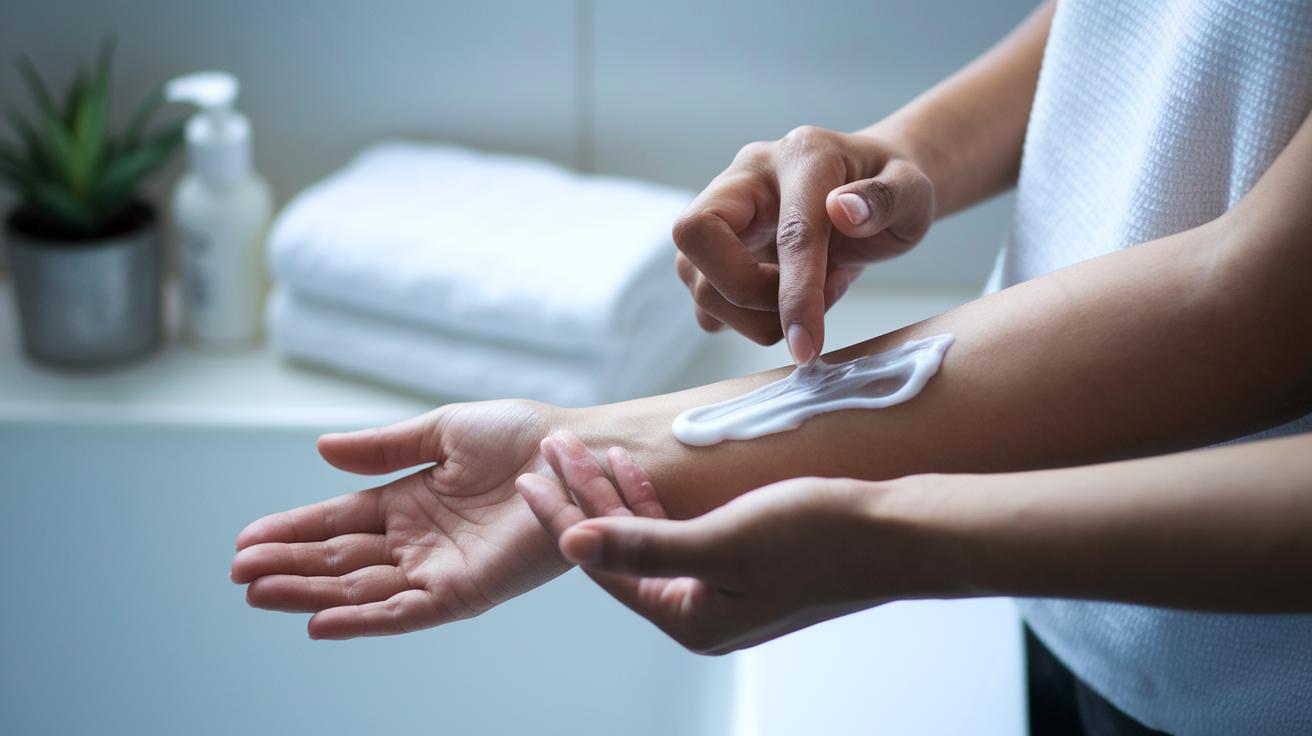

Quick Take: Your soap may be causing burning and dryness.
If you have any severe burning, blistering, or heavy swelling after using soap, call emergency services now. If redness or pain spreads or worsens over 3 days, seek same-day medical care. For mild burning or irritation, try switching to a gentle soap, and monitor your skin closely.
Have you ever felt a burning sensation after washing with your favorite soap? This could be more than just your imagination. Harsh or frequent soap use can remove the natural oils that protect your skin from dryness and irritation. Your skin needs these oils to stay smooth and comfortable.
Here’s what you can do:
- Try a mild or fragrance-free soap.
- Use a gentle cleanser and avoid over-washing.
- Apply a simple, fragrance-free moisturizer after washing to restore lost oils.
Watch your skin for signs like increased redness or swelling. Making these small changes might help ease the burning and keep your skin feeling better.
How Soap Use Leads to Skin Irritation and What to Look For
Soap cleans your skin by breaking up oils. But if you use too much or a harsh formula, it can remove the natural oils that protect your skin. Without these oils, your skin may become dry and more easily damaged. The pH (balance between acid and alkaline) can change too, which might hurt your skin’s barrier. You could see redness, itching, dryness, or even slight flaking.
Soap can cause two main types of skin irritation. With irritant contact dermatitis, chemicals in the soap hurt your skin cells, causing dry, red patches that sting soon after exposure. In allergic contact dermatitis, your body reacts to ingredients like fragrances or preservatives. This reaction might start within minutes, hours, or even days. You may experience an itchy rash, swelling of the face and lips, or rarely, breathing difficulties.
To ease the irritation, rinse your skin with lukewarm water right after using soap. Then, gently pat your skin dry and apply a fragrance-free moisturizer to help restore moisture and protect your barrier. Try switching to a milder, pH-balanced soap and use it less often. It can help to keep a simple diary noting when the irritation occurs and which products you used. This record makes it easier for you and your healthcare provider to spot and manage your triggers.
Types of Contact Dermatitis from Soap Exposure
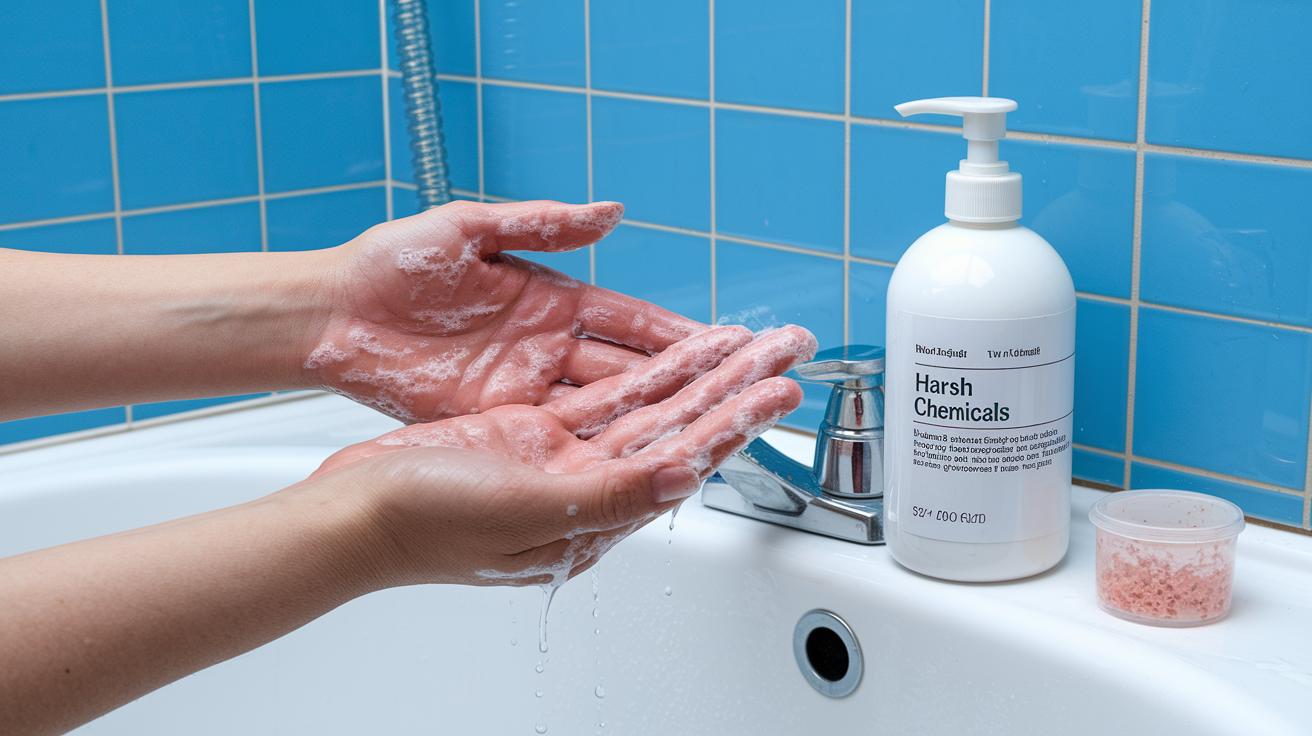
Irritant Contact Dermatitis
This type happens when strong soap chemicals, like surfactants (compounds that help clean), damage your skin. Harsh soaps remove natural oils, upset your skin’s balance, and weaken its natural barrier. As a result, you may see dry, red patches and feel an immediate stinging or burning sensation. For example, after using a strong soap, you might feel a quick burning sensation like a brisk, cool wind on your skin.
Allergic Contact Dermatitis
This reaction occurs when your immune system overreacts to certain soap ingredients such as fragrances or preservatives. The response can show up minutes or even days later. You might notice an itchy rash, swelling, or even puffiness around your face. Your skin is essentially telling you that it thinks something in the soap is harmful, even though it isn’t.
Common Soap Ingredients That Can Irritate Your Skin
Many everyday soaps contain ingredients that can weaken your skin’s natural barrier and lead to irritation. Some chemicals remove your skin's natural oils, upset its pH balance (the measure of acid and base levels), and cause dryness, redness, and a stinging sensation. Here are four common groups of irritants to watch for:
- Sulfates and parabens: These ingredients help create foam but can also strip away moisture, leaving your skin feeling dry or tight if used often.
- Synthetic fragrances: These man-made scents may irritate sensitive skin. Even a small amount can cause a burning sensation or redness.
- Metals (nickel): Some soaps have tiny traces of nickel, which can irritate the skin, especially if you are sensitive or allergic to metals.
- Other preservatives and foaming agents: Chemicals added to keep the soap fresh and bubbly may disturb your skin’s balance and can cause a mild to moderate rash with repeated exposure.
It’s important to read ingredient labels carefully. Spotting these ingredients can help you choose a soap that is gentler on your skin, offering you a way to soothe irritation safely.
Diagnosing Soap-Induced Skin Reactions

Quick take: Your doctor will check your history and examine your skin to decide if your reaction is due to irritants in the soap or an allergy.
If you have trouble breathing, severe swelling on your face or lips, or intense pain, call emergency services right away. If you notice a widespread rash or blisters, get same-day medical advice. For mild cases, use gentle care at home and keep an eye on your symptoms.
Your doctor starts by asking when the rash began, what soap or products you used, and if anyone in your family has had a similar problem. This detailed check helps narrow down the cause of your skin reaction.
If an allergy is suspected, your clinician might perform a patch test (a test where tiny amounts of substances are placed on your skin). They apply small spots of likely irritants, like fragrances or preservatives, and you wait 48–72 hours to see if a reaction shows up. This test tells them if your body is reacting too strongly to any soap ingredient.
Your doctor may also check for conditions like eczema or fungal infections by comparing the rash’s spread, scaling, and inflammation. This careful approach helps create a treatment plan that is safe and clear for you.
Home Remedies and Over-the-Counter Treatments for Soap Irritation
Quick take: Soap irritation can cause redness and itchiness. Follow these simple steps to soothe your skin and protect its natural barrier.
If you have any of these emergency signs, call emergency services now:
- Severe pain or blistering
- Redness that spreads rapidly
- Signs of infection (such as pus or increased warmth)
If your symptoms worsen or do not improve in 48 hours, contact your healthcare provider.
Self-care steps:
- Rinse your skin with lukewarm water right after using the soap. This helps clear away any leftover chemicals.
- Gently pat your skin dry with a soft towel. Avoid rubbing to keep irritation from getting worse.
- Apply a fragrance-free moisturizer within 2 minutes. This locks in moisture and helps rebuild your skin’s barrier.
- Hold a cool compress against the affected area for 5 to 10 minutes. This eases itching and lowers swelling.
- Dab a little over-the-counter hydrocortisone cream on red or inflamed spots. Follow the directions on the label.
- Massage a bit of coconut oil into dry patches. This natural oil helps restore lost skin lipids and strengthen your barrier.
If these steps do not relieve your symptoms or if irritation interferes with your daily activities, please see your healthcare provider for further advice and possible stronger treatments.
Choosing Gentle and Hypoallergenic Soaps to Prevent Rashes

Quick take: Check labels and test the soap first to help keep your skin calm and safe.
If you notice severe redness, blistering, or pain after using a new soap, stop immediately and call emergency services or your doctor.
When you choose a soap for sensitive skin, start by reading the label. Look for words like "dermatologist tested" or "for sensitive skin." This tells you the soap is made to be gentle and to avoid upsetting your skin barrier. Phrases such as "pH balanced" and "fragrance free" mean the soap cleans without removing your skin's natural oils.
It helps to know which ingredients are friendly and which might cause trouble. Soothing ingredients like glycerin (a moisturizer) and ceramides (which help repair skin) can lock in moisture and support skin repair. On the other hand, harsh chemicals such as sulfates, parabens, and synthetic dyes may strip away vital oils and lead to dryness and redness. Some soaps are even made without common irritants, which lowers the chance of an allergic reaction.
Before switching over completely to a new soap, do a simple patch test. Apply a small amount on a hidden spot like your inner wrist or behind your ear, and wait 24 hours to see if any rash or irritation develops. If your skin stays calm, you can feel more confident about using the soap regularly.
When to Seek Medical Help for Persistent Soap-Related Skin Issues
Quick take: If your skin irritation from soap lasts over 7 days or gets worse, see a doctor now.
Triage Box:
• Call emergency services now if you have difficulty breathing or notice facial swelling.
• Seek urgent care if you see a spreading rash, blisters, or signs of infection like pus or a fever.
• If your irritation is mild and lasts less than 7 days, keep monitoring it at home.
When your irritation does not improve, stop home care steps. This could mean your skin reaction isn't just a mild problem anymore. A spreading rash or the appearance of blisters can be a sign of a more serious issue that needs a closer look.
A dermatologist, a skin doctor, will review your history and examine your skin carefully. They may use allergy tests (patch testing) to find what’s causing the reaction. Often, they adjust your treatment by suggesting stronger creams or other medications. For example, if your rash does not clear up, they might say, "We will try a different treatment plan." This personal advice is meant to help manage your condition safely and effectively.
Final Words
In the action, we reviewed how soap washes away essential oils and can harm your skin barrier. We broke down the two types of contact dermatitis and shared symptoms like redness, itching, and swelling.
We covered home care steps and tips on picking gentle, fragrance-free cleansers. This guide shows you how to manage skin irritation from soap and know when to seek extra help.
Stay proactive and take the next steps toward better skin care.
FAQ
What does soap allergy rash look like?
The soap allergy rash looks red, bumpy, and itchy. It may include swelling or blisters, similar to other contact dermatitis images you might see online.
How can you get rid of contact dermatitis fast?
The fast treatment for contact dermatitis starts by rinsing with lukewarm water, patting dry, and applying a fragrance-free moisturizer along with cool compresses or over-the-counter hydrocortisone cream to ease symptoms.
How does irritant contact dermatitis differ from allergic contact dermatitis?
The irritant form results from direct chemical damage to the skin causing immediate redness and burning, while allergic contact dermatitis is an immune response that creates a rash with possible swelling over a longer period.
How can you treat an allergic reaction on your face from soap?
The allergic reaction on your face is managed by rinsing immediately, using cool compresses, and applying a mild hydrocortisone cream. If swelling or difficulty breathing occurs, seek medical help promptly.
How long might skin irritation from soap last?
The skin irritation from soap typically lasts a few days if the irritant is avoided and proper soothing care is applied. Persistent or worsening symptoms should be evaluated by a clinician.
How should contact dermatitis in children be treated?
The treatment for contact dermatitis in kids includes gently cleansing the area with lukewarm water, applying a doctor-recommended fragrance-free moisturizer, and consulting a pediatrician if symptoms persist.