
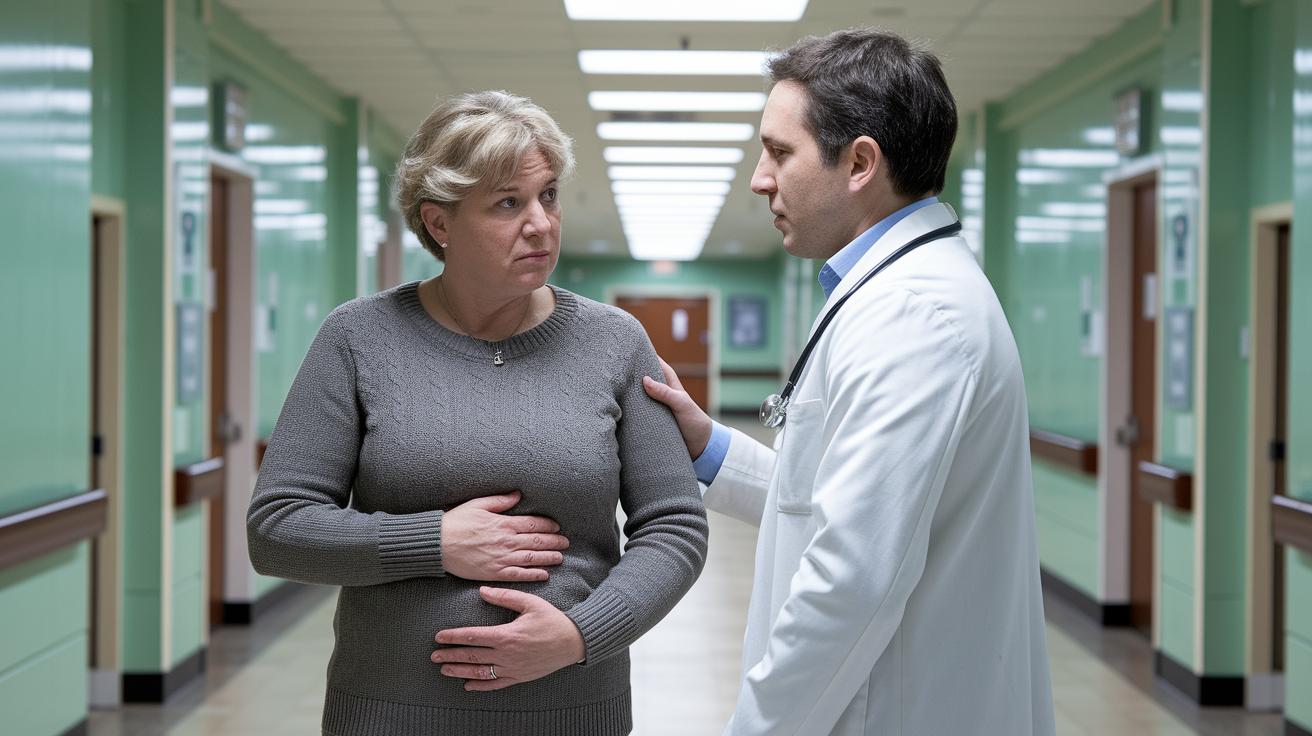

Quick take: Mild belly pain is common after a colonoscopy, but watch for signs that may need urgent care.
If you have any of these emergency signs, call emergency services now (911 in the US):
• Severe or worsening pain
• Heavy bleeding
• Dizziness or fainting
What’s normal:
Many people feel light belly pain after a colonoscopy. This often happens because air was used during the exam or because of mild muscle cramps.
What to do now:
- Rest and drink plenty of fluids.
- Track your pain. Write down the time, how intense it feels (mild, moderate, or severe), and any other changes.
- Follow up with your doctor if your pain gets worse or if you notice any warning signs.
Knowing what to expect can help you feel more at ease during your recovery. Relief is near when you take simple steps to care for yourself.
Normal vs Warning: belly pain after colonoscopy
Quick take: Some belly discomfort is normal after a colonoscopy, but be alert for signs that need medical attention.
Triage:
Call your doctor if you have:
• Severe or worsening pain lasting more than 24 hours.
• Heavy or persistent rectal bleeding.
Many patients feel belly pain after a colonoscopy. About 20% notice some discomfort in the days after the test. This pain is usually from air put into your colon, which can make you feel bloated. Mild muscle cramps may also occur as the colon wall stretches. Sedation can leave you tired or with a low-grade ache. These symptoms are common and usually go away on their own.
Here is what to expect:
• Mild bloating that eases with gentle movement.
• Light cramping that improves over 1 to 2 days.
Watch for these warning signs:
• Increasing or severe pain that lasts over 24 hours.
• Heavy or ongoing rectal bleeding.
If you notice any of these warning signs, contact your doctor right away. It helps to track your symptoms, note when the pain started and if it gets worse, to help your healthcare provider decide if further tests or treatment are needed.
Common benign causes of belly pain after colonoscopy
Quick take: Mild tummy pain after a colonoscopy is normal, but keep an eye on worsening symptoms.
If you notice severe pain, fever, or lasting discomfort, call your doctor.
Many people feel a bit of tummy pain right after the exam. This pain is normal and usually comes from the procedure.
What may cause this pain:
- The colon is gently stretched and straightened during the exam. This can lead to short, mild muscle cramps.
- Air left in your colon may cause gas and bloating.
- Small irritations from tissue samples or polyp removals might cause brief aches.
- The sedation you receive for the test can sometimes create mild discomfort.
For quick relief:
- Walk slowly to help let trapped air escape.
- Drink water or clear fluids to stay hydrated.
- Use a warm compress on your belly to ease muscle tension.
- Rest for a few hours so your body can settle after the procedure.
| Symptom | Action |
|---|---|
| Trapped air | Gentle walking, drink fluids |
| Muscle cramps | Warm compress, rest |
Red flag symptoms of belly pain after colonoscopy
After a colonoscopy, you might feel some mild discomfort. But if you experience these symptoms, it means you need help right away:
- Severe or worsening belly pain that lasts more than 24 hours.
- Heavy or ongoing rectal bleeding that doesn't lessen.
- A fever over 100.4°F or ongoing chills.
- Trouble passing gas or having a bowel movement.
- Constant vomiting or intense nausea that won't stop.
- Sharp, steady cramps that do not get better with rest.
If you notice any of these signs, call your doctor immediately for advice.
Self-care strategies to relieve belly pain after colonoscopy
Quick take: Mild belly pain after a colonoscopy is common. Act now if your pain gets worse.
If you have any of these signs, call emergency services immediately:
- Severe chest pain or shortness of breath
- High fever or worsening pain
After your colonoscopy, it’s normal to feel belly pain from trapped air or the stretching of your colon. Use these steps to help ease your discomfort:
- Walk slowly for 10 to 15 minutes to help release trapped gas.
- Drink water or clear fluids often to ease cramping.
- Place a warm compress on your belly to relax tight muscles.
- Take over-the-counter simethicone (like Gas-X) to relieve gas pain.
- Rest comfortably to support recovery from sedation.
- Do gentle stretches to ease muscle tightness.
Most people feel better within a few hours and see much more relief in 24 to 48 hours. If your symptoms persist or get worse, please see your doctor.
Dietary recommendations for easing stomach ache following colon evaluation
After your colon exam, you can return to a normal diet, but avoid heavy, fatty foods and alcohol. Stick with simple, easy-to-digest foods so your stomach can heal. Eating bland, low-fiber foods may help ease bloating and discomfort as you recover.
• Eat bananas, rice, toast, and applesauce for light digestion
• Sip clear broths to stay hydrated without upsetting your stomach
• Drink herbal teas to calm your gut and ease gas
• Enjoy light soups for both comfort and nourishment
• Keep drinking water to help your bowels move smoothly
Over the next 48 to 72 hours, slowly bring back fiber-rich foods. This gradual change helps keep your digestion steady without putting extra strain on your system.
Expected timeline of belly pain after colonoscopy and return to activities
Quick take: Most mild belly pain and grogginess improve within 24 to 48 hours, but watch for signs that need urgent care.
If you experience any of these emergency signs, call emergency services now:
- Severe, worsening pain
- Heavy bleeding
- A fever above 101°F (38.3°C)
After your colonoscopy, you may notice that gas pain fades in just a few hours and mild cramping usually stops within 24 hours. Effects from sedation such as drowsiness and grogginess tend to clear up in 24 to 48 hours. Many people find they can go back to work or their daily activities as soon as the next day, though everyone recovers at their own pace. It’s a good idea to keep track of your symptoms so you can share your progress with your doctor if your recovery seems slower than expected.
| Symptom | Expected Duration | Recommended Action |
|---|---|---|
| Gas pain | A few hours* | Take light walks and stay hydrated |
| Cramping | Up to 24 hours | Rest and use a warm compress |
| Sedation effects | 24–48 hours | Avoid heavy activities |
Always follow your doctor’s advice for a safe and steady recovery.
Final Words
In the action, we explored normal causes and warning signs of belly pain after colonoscopy, from mild gas pain to red flags like severe tenderness and fever. We reviewed practical self-care tips, dietary recommendations, and recovery timelines to help you know what to expect.
Your guide offers clear steps to manage discomfort while highlighting when to reach out to a doctor. Remember that belly pain after colonoscopy is often temporary and manageable, so stay positive and keep track of your recovery.
FAQ
What does lower abdominal pain after colonoscopy mean, including cases after polyp removal or as seen on Reddit posts?
The lower abdominal pain after colonoscopy usually comes from air introduced into your colon, causing stretching and mild cramping. It may also follow procedures like polyp removal. Mild discomfort is common, but worsening pain needs medical review.
What does upper abdominal pain after colonoscopy indicate?
The upper abdominal pain after colonoscopy can stem from trapped air and gas moving in your bowel. This pain is often temporary and mild, though you should seek help if it becomes severe or persistent.
What should you do for stomach pain after a colonoscopy?
The recommendations for stomach pain after a colonoscopy include gentle walking to help release gas, using a warm compress, staying hydrated, and resting. If the pain worsens or continues, contact your doctor.
How long does your stomach hurt after a colonoscopy?
The stomach pain after a colonoscopy typically decreases within a few hours, with most cramping fading within 24 hours. If discomfort continues beyond this or worsens, get in touch with a healthcare provider.
What can you take for abdominal pain after a colonoscopy?
The options for abdominal pain relief include over-the-counter anti-gas medications like simethicone and approved pain relievers, along with home remedies like hydration and a warm compress. Always check with your clinician before taking any medications.