


Quick take: A brief chest squeeze may come from muscle strain, stress, or more serious heart or lung issues.
If you have any of these emergency signs, call emergency services now:
• Severe or lasting chest pain
• Pain that spreads to your arm, jaw, or back
• Dizziness, fainting, or trouble breathing
For mild, passing chest tightness:
• It might be linked to stress, tense muscles, or your heart or lungs.
• Note when the pain happens, how long it lasts, and any other symptoms you feel.
• Sit down, take slow deep breaths, and try to relax.
If the pain returns or worsens, seek same-day medical care. Tracking your symptoms can help your doctor figure out the cause and the best next steps.
Remember, you know your body best. Monitor your signs and act now if things change. Stay safe and take care of yourself.
Understanding Chest Tightness That Comes and Goes: Core Causes and Concerns
Quick take: Chest tightness can have several causes, so watch your symptoms and get help if things worsen.
Red Flag Triage:
- If you feel pain spreading to your arm, neck, or jaw, call emergency services now.
- If the tightness lasts long or comes with trouble breathing, seek urgent care.
- If you feel faint or dizzy along with the pain, get help immediately.
Common Causes:
• Anxiety and stress can trigger a burst of adrenaline. This may feel like a band tightening around your chest. It usually fades in minutes.
• Heart issues like angina (reduced blood flow to the heart) may cause pressure or pain, especially during physical activity or strong emotions. This discomfort might also spread to your arm, neck, or jaw.
• Lung conditions such as asthma or COPD (chronic lung disease) can narrow airways. When this happens, you might feel a squeezing grip on your chest and have a hard time breathing.
• Gastrointestinal problems, including acid reflux or GERD (where stomach acid irritates your esophagus), can also mimic chest tightness, often with a burning or pressing feeling.
• Musculoskeletal issues like costochondritis (inflammation of the rib cartilage) cause chest pain that changes with movement or deep breaths.
What to Do:
- Track your symptoms. Note the time, duration, and any other signs like pain spreading or trouble breathing.
- If you have any red flag signs, call emergency services or see your doctor right away.
- For milder symptoms, monitor them closely and reduce stress with calm breathing techniques.
Remember, if your symptoms last or get worse, it's important to have them checked by a healthcare professional.
Cardiac Origins of Chest Tightness That Comes and Goes
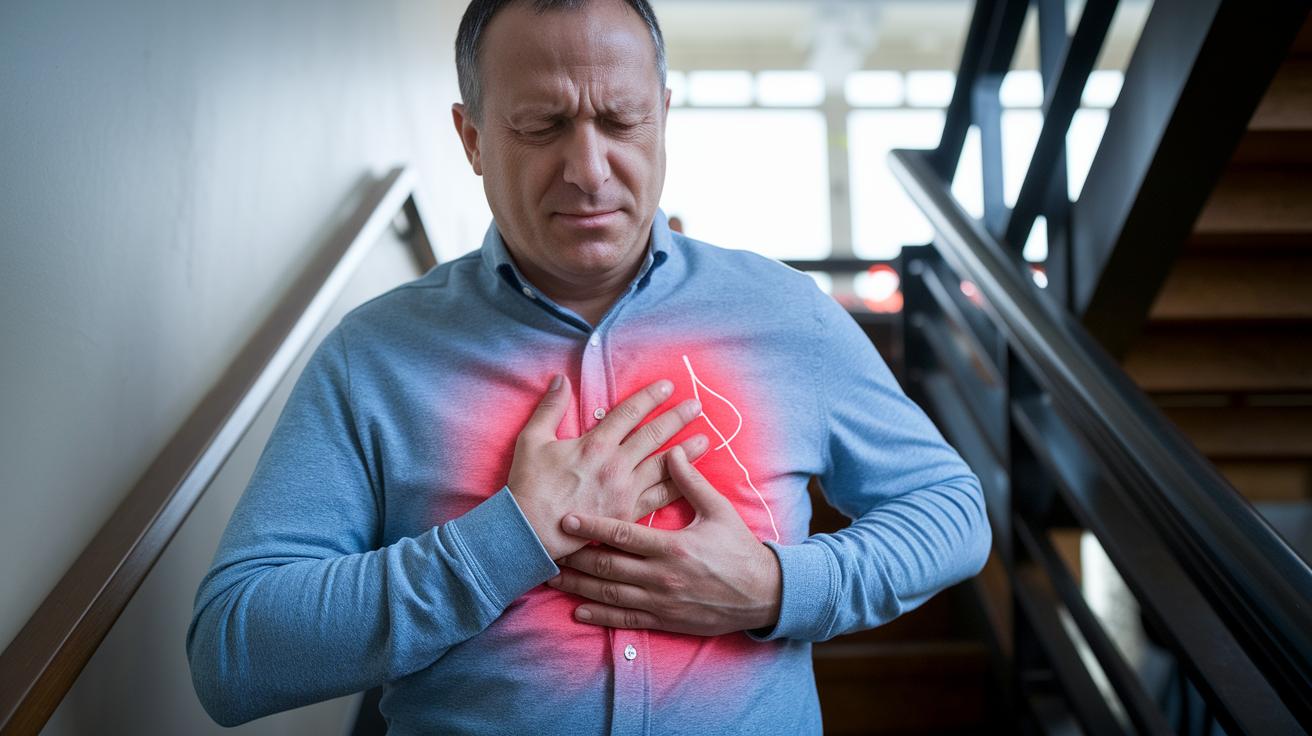
Angina occurs when your heart doesn’t get enough blood and oxygen because your arteries have become narrow due to coronary artery disease (this affects about 5% of U.S. adults aged 20 or older). Sometimes, spasms in these arteries or irregular heartbeats (arrhythmias) can briefly squeeze your heart even when you’re at rest.
You may notice the chest tightness during physical activity or when you feel stressed. For example, you might feel a brief squeeze after climbing stairs or during a tense moment.
• Tightness that happens with exercise or stress
• A short squeeze caused by irregular heartbeats or spasms
• About 5% of U.S. adults aged 20 or older have this condition
This section focuses on core heart issues without repeating common symptom details from other parts of the article.
Respiratory and Gastrointestinal Drivers of Episodic Chest Tightness
Quick take: Chest tightness can stem from lung issues or acid reflux. If your symptoms feel severe or come with trouble breathing or pain, call emergency services right away.
Lung causes:
Asthma and COPD narrow your airways. This makes breathing tougher when you face cold air, exercise, or allergens. For example, a brisk walk on a chilly morning might briefly squeeze your chest.
• Cold air can make your airways tighten.
• Exercise sometimes leads to airway narrowing.
• Allergens can trigger a sudden tightening of the airway muscles (bronchospasm).
Digestive causes:
Acid reflux (GERD) happens when stomach acid irritates your esophagus. You may feel a burning or squeezing in your upper chest soon after eating, especially after a heavy, spicy, or fatty meal. A big meal might leave you with a burning sensation that lasts a few minutes.
• Heavy meals can raise the risk of acid reflux.
• Spicy or fatty foods can increase stomach acid and lead to irritation.
• Chest tightness right after eating points to acid reflux rather than a lung issue.
How to tell the difference:
If you notice tightness during or after physical activity or with exposure to cold air, it’s likely related to lung conditions. But if the discomfort comes right after eating and feels more like burning or squeezing, acid reflux is probably to blame.
Keep an eye on your symptoms and don’t hesitate to check with your doctor if things worsen.
Musculoskeletal and Neurological Sources of Chest Tightness That Comes and Goes
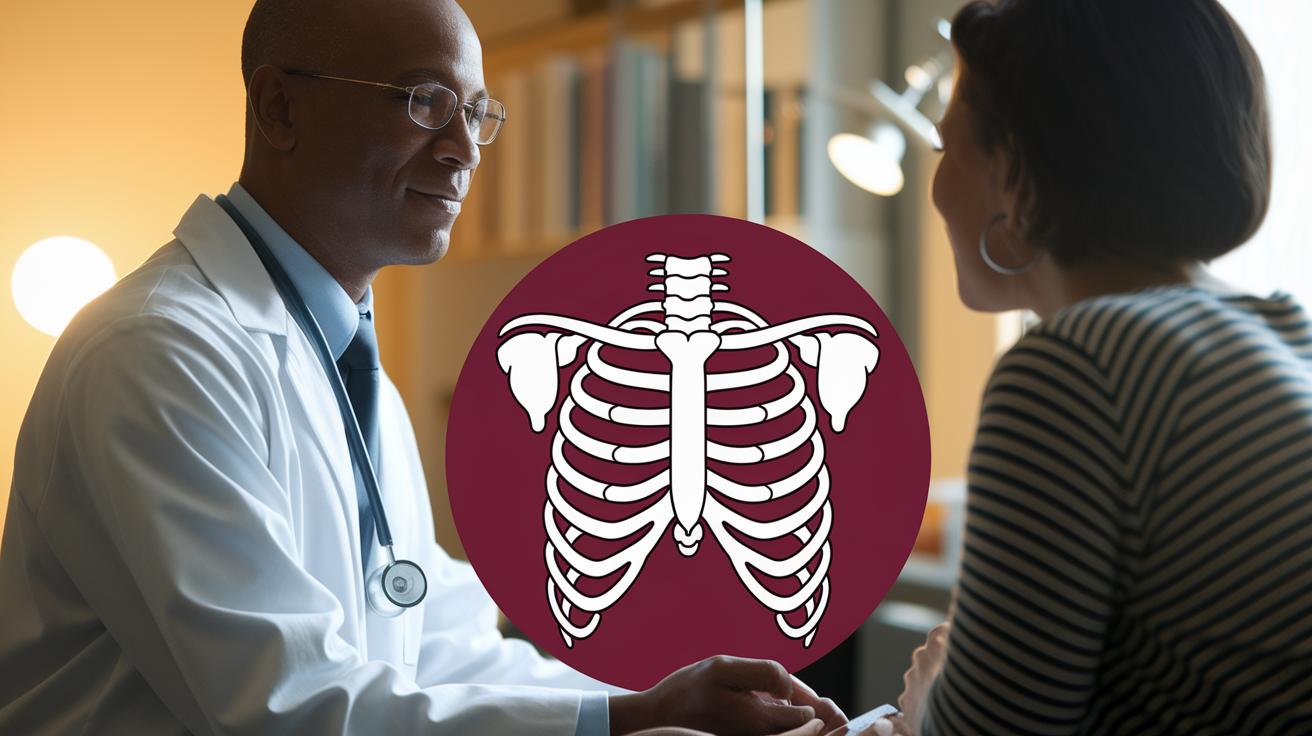
Quick take: Chest tightness that comes and goes is often due to issues with your rib cartilage, muscles, or nerves and is usually not a sign of a serious problem.
Triage Box:
• If you have severe, crushing chest pain or trouble breathing, call emergency services now.
• If the pain is constant, spreads to your arm, neck, or jaw, or you feel dizzy, seek same-day medical care.
• If the pain comes with movement or deep breaths and then fades, monitor your symptoms and rest.
Costochondritis is an inflammation of the cartilage in your rib cage. This condition causes either a sharp or a dull, achy pain. It often hurts more when you move or take deep breaths. Everyday actions like reaching or twisting can make the pain worse.
Precordial catch syndrome causes a sudden, sharp pain in a small area of your chest. This pain lasts only a few seconds to minutes. It is most common in younger adults but can also occur in older people. For example, you might feel a quick, sharp jab after a deep cough.
Other reasons you might feel chest tightness include muscle strains, small rib injuries, or nerve squeezes. These causes usually lead to occasional tightness without signaling a serious problem.
• Sharp pain that moves with body motion may be costochondritis.
• A very brief, pinpoint pain could be precordial catch syndrome.
• Muscle or rib strains often improve with gentle rest and care.
If your symptoms last longer or get worse, please see a doctor to rule out other causes.
Diagnosing Intermittent Chest Tightness That Comes and Goes
Quick take: Your chest tightness might be caused by heart, lung, or digestive issues. Check for red flags and act quickly if you have severe symptoms.
Triage Box:
- If you have severe chest pain, pain that spreads to your arm or neck, dizziness, or trouble breathing, call emergency services now.
- If your symptoms get worse with movement or you feel lightheaded, seek care the same day.
- Otherwise, monitor your symptoms and follow up with your doctor.
Your doctor will start by doing an ECG (a test that checks your heart’s electrical signals). It helps show if your heart isn’t getting enough blood (ischemia) or if it’s beating irregularly.
Next, you might take a stress test or have an echocardiogram (an ultrasound test for your heart) while on a treadmill. This exam checks how well your heart works when you exercise.
To rule out lung issues, you may get a chest X-ray and pulmonary function tests (measures of how well you breathe). These tests are useful if conditions like asthma or COPD are a concern.
If your doctor thinks acid reflux (when stomach acid irritates the esophagus) is to blame, you might have an upper GI endoscopy (a small camera is used to look inside) or pH monitoring. This helps compare your symptoms with signs of irritation in your digestive tract.
Lastly, a careful physical exam is done. By pressing on your chest, your doctor can find tender spots that may indicate costochondritis (inflammation of the chest cartilage).
HTML Table of Tests:
| Test | What It Checks |
|---|---|
| ECG | Heart rhythm and blood flow |
| Stress Test/Echo | Heart function under exercise |
| Chest X-ray/Pulmonary Tests | Lung structure and breathing |
| Endoscopy or pH Monitoring | Signs of acid reflux |
| Physical Exam (Palpation) | Chest wall tenderness |
Chest Tightness Comes and Goes: Feel Better

If your chest feels tight sometimes, try these daily changes to ease your discomfort. Use deep breathing to help calm quick bursts of stress. For example, close your eyes, breathe in slowly for 4 seconds, hold for 2 seconds, then exhale for 4 seconds. Guided meditation recordings can also lower stress when symptoms start.
Add a few yoga poses into your routine. Gentle stretches and mindful movements can ease the tight feeling in your chest and boost blood flow. Spend a few minutes each day doing poses that open your chest and promote good posture.
Watch your diet too. Avoid spicy foods and heavy meals late at night, which can lead to acid reflux (heartburn that can feel like chest tightness). Instead, choose lighter meals and drink plenty of water.
Regular exercise like walking or cycling helps both your heart and lungs. Keep an eye on your symptoms by jotting down when they happen, what triggers them, and how long they last. This simple journal can guide your daily choices and give your healthcare team useful information.
Warning Signs and When to Seek Emergency Care for Chest Tightness That Comes and Goes
Quick take: Chest tightness can signal a serious problem. Act immediately if you see any of the signs below.
If you have any of these emergency signs, call emergency services now:
- Chest tightness that lasts more than 15 minutes while resting
- Trouble breathing or feeling very short of breath
- Sweating, nausea, or feeling unusually lightheaded
- Pain that spreads to your arm, neck, or jaw
- Fainting or feeling your heartbeat skip or jump
For example, if you feel chest tightness at rest for 15 minutes along with dizziness and pain that spreads, call for help right away.
Final Words
In the action, we looked at different causes of chest tightness comes and goes and what they might mean.
We broke things down from heart or lung issues to gut or muscle strains.
Simple checklists and symptom trackers help you decide when to seek care.
With clear steps and easy fixes, you can manage episodes and know what to watch for.
Your safety matters, and taking small but smart steps can bring real relief and peace of mind.
FAQ
What does needle-like or slight chest pain that comes and goes mean?
The needle-like or slight pain in your chest may be caused by muscle strain, costochondritis (rib cartilage inflammation), or even anxiety. Monitoring your symptoms and consulting a clinician if they worsen is key.
What does chest pain that comes and goes for weeks or months indicate?
The recurring chest pain over weeks or months may signal issues like acid reflux, angina, or musculoskeletal strain. Tracking episodes and discussing them with your healthcare provider is important.
What causes chest pain in women, particularly in the middle of the chest?
In women, chest pain can stem from various conditions including cardiac events, acid reflux, or costochondritis. Because symptoms can differ from typical heart attack signs, timely evaluation is crucial.
How can I relieve chest tightness effectively?
Relieving chest tightness may involve deep breathing exercises, relaxation techniques, and avoiding trigger foods if acid reflux is involved. Consistent symptom monitoring and seeking medical advice if it persists are advised.
What should I do about unexplained chest pain that lasts for years?
Unexplained chest pain over years warrants a full evaluation to rule out conditions like GERD, anxiety, or heart issues. Keeping a detailed symptom log and discussing it with a clinician can guide the next steps.
Why does my chest tightness keep coming and going?
The recurring chest tightness could be linked to stress, intermittent cardiac issues, respiratory conditions, or acid reflux. Identifying triggers and warning signs helps in managing the condition effectively.
How do I know if chest tightness is serious?
Serious chest tightness is often marked by prolonged duration, severe pain, shortness of breath, sweating, or pain radiating to the arm, neck, or jaw. If these signs appear, call emergency services immediately.
Should I worry about chest pain that comes and goes?
Intermittent chest pain does not always signal a life-threatening problem, but its repeated occurrences should be evaluated. Tracking your symptoms and seeking timely medical advice helps rule out serious causes.
Why has my chest randomly gone tight?
Random episodes of chest tightness might be triggered by sudden stress, minor muscle strain, or acid reflux. If these episodes become frequent or come with additional warning signs, a consultation with a healthcare provider is recommended.