
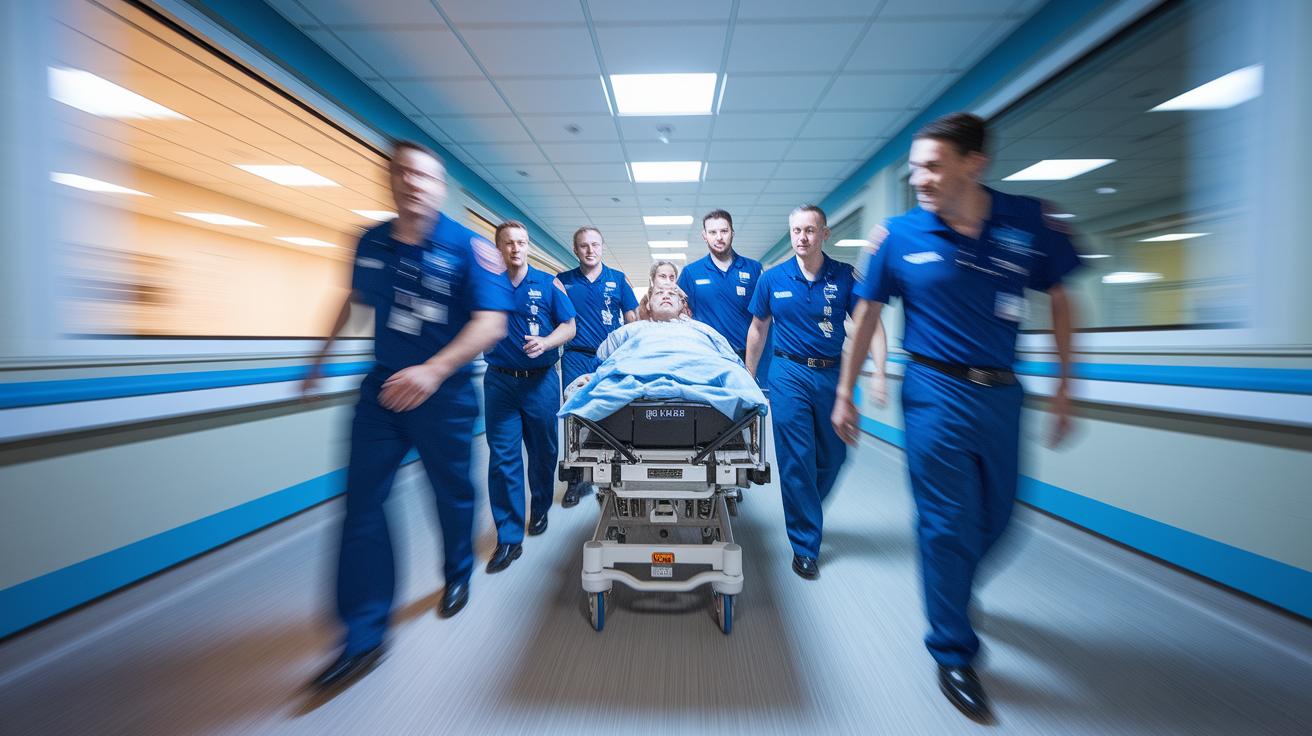

Quick take: Rapid response teams act fast to stop problems before they grow.
If you see signs like a fast heart rate or low oxygen in a hospital, or notice water or fire damage in a building, these teams spring into action.
They work like skilled firefighters. In hospitals, they spot early signals such as a fast heart rate (tachycardia) or low oxygen levels. In cases of property damage, they quickly tackle issues like flooding or fire to prevent further harm.
This swift, coordinated work is key to saving lives and protecting valuable assets.
Understanding Rapid Response Teams: Definition and Key Functions
Quick take: Rapid response teams act fast when early warning signs show that a problem is brewing.
Triage Box:
• Red flags in hospitals: very fast heart rate or oxygen levels dropping below 90%.
• Urgent in restoration: water intrusion, fire damage, or mold that needs immediate attention.
• Self-care: Monitor conditions and call for help if you notice sudden changes.
Rapid response teams are groups of experts ready to help when warning signs pop up. In hospitals, these teams are activated when you see signs like a fast heart rate or a drop in oxygen levels (the amount of oxygen in your blood). For example, if oxygen drops below 90%, the team jumps in right away to stop a serious crisis like heart or breathing failure.
In commercial restoration, rapid response teams handle urgent damage like water problems, fire or smoke damage, or mold. They usually reach the site in about one hour to assess the damage and begin repairs, reducing further harm to the building. These teams work around the clock in areas such as Florida, southern Georgia, and southern Alabama.
Technology also supports hospital rapid response teams. Evidence-based software by AgileMD helps over 135,000 providers in more than 250 hospitals. This tool gives data-based prompts and quick decision support during patient care, ensuring that help arrives with no delay.
Rapid Response Team Composition and Roles
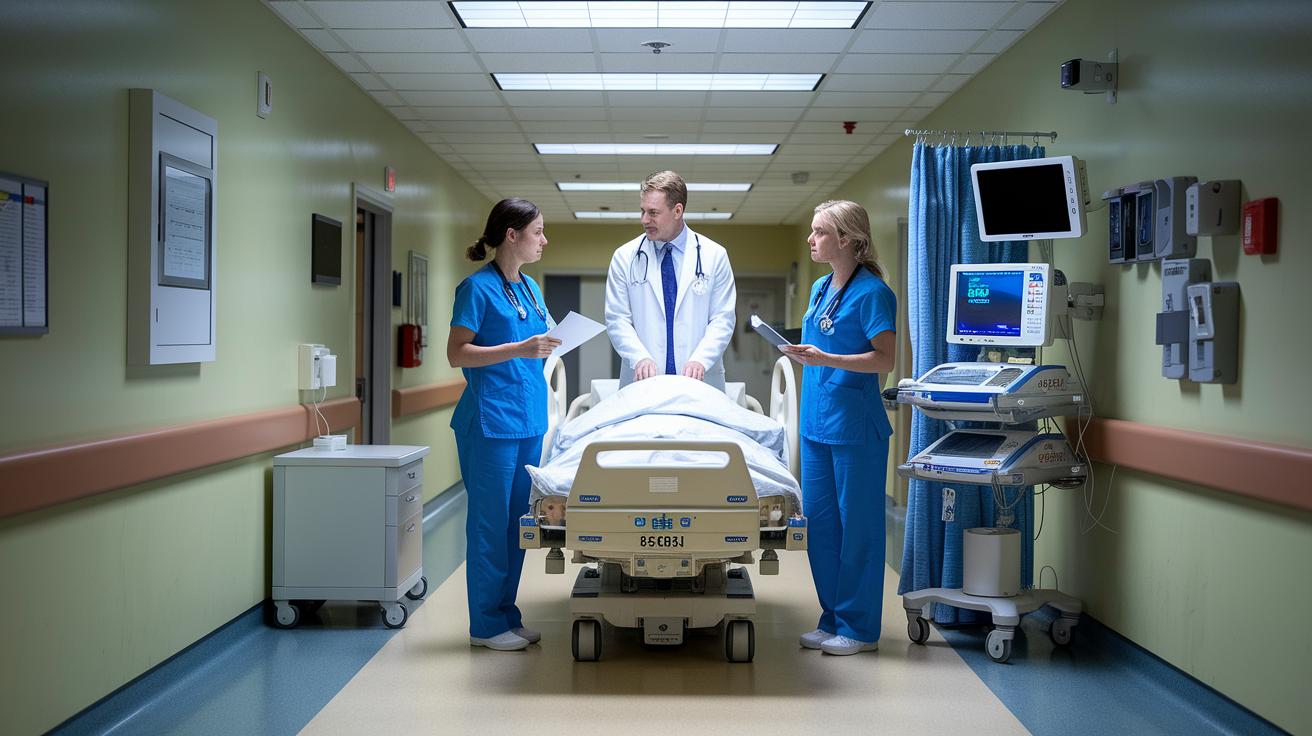
In hospitals, rapid response teams are groups that jump into action when a patient's condition starts to worsen. Key players include critical-care nurses who keep a close watch on you, respiratory therapists who manage breathing equipment, and designated doctors who guide your care. Sometimes, a pharmacist or another expert joins in to fine-tune treatment. They work together quickly to help stop problems like a heart or breathing arrest.
In disaster-restoration settings, the team works a bit differently. A project manager leads efforts to check the damage and guide repairs. Restoration technicians, mold experts, and biohazard cleanup specialists work together to remove water, secure the area, and clean up safely. Their fast response helps prevent more damage to the property.
| Hospital Team Member | Restoration Team Member | Shared Role |
|---|---|---|
| Critical-care nurse | Project manager | Both gather key details to make fast decisions. |
| Respiratory therapist | Restoration technician | Each handles special equipment and tasks to keep things stable. |
| Designated physician | Safety coordinator | They oversee the overall response and safety protocols. |
| Pharmacist | Mold expert | One optimizes medication while the other tackles microbial hazards. |
| Additional specialists | Biohazard cleanup specialist | Both add important expertise during a crisis. |
| Team communication | On-site coordination | Clear dialogue is key to a smooth response. |
When everyone knows their role, the response is smoother and quicker. This clear division of work helps reduce delays and errors during emergencies, ensuring life-saving and property-saving actions every time.
Activation Criteria and Protocols for Rapid Response Teams
In hospitals, rapid response teams are called when patients show warning signs that need quick attention. You might notice signs like a fast heartbeat (over 130 beats per minute), low blood pressure (below 90 mm Hg), or a sudden drop in oxygen (under 90%). These signs, along with concerns from staff or family, mean a patient might be getting worse fast. Code Blue is used only when a patient's heart or breathing stops so that the most critical cases are handled immediately.
| Activation Type | Trigger | Response Time |
|---|---|---|
| Code Blue | Cardiac or respiratory arrest | Immediate |
| Rapid Response Team | Sustained abnormal vital signs or non-clinical concerns (staff/family alerts) | Within minutes |
Outside of hospitals, in settings like restoration services, the process is similar but adjusted to the environment. Here, a facility alarm or a customer call can trigger the team. These services use a tailored CODE BLUE program to meet the specific needs of the property. This means the team can quickly respond to issues like water leaks, fire damage, or mold. The goal is to act fast to control the situation and start the right fixes before more harm happens.
Deployment Procedures and Intervention Protocols in Rapid Response Teams
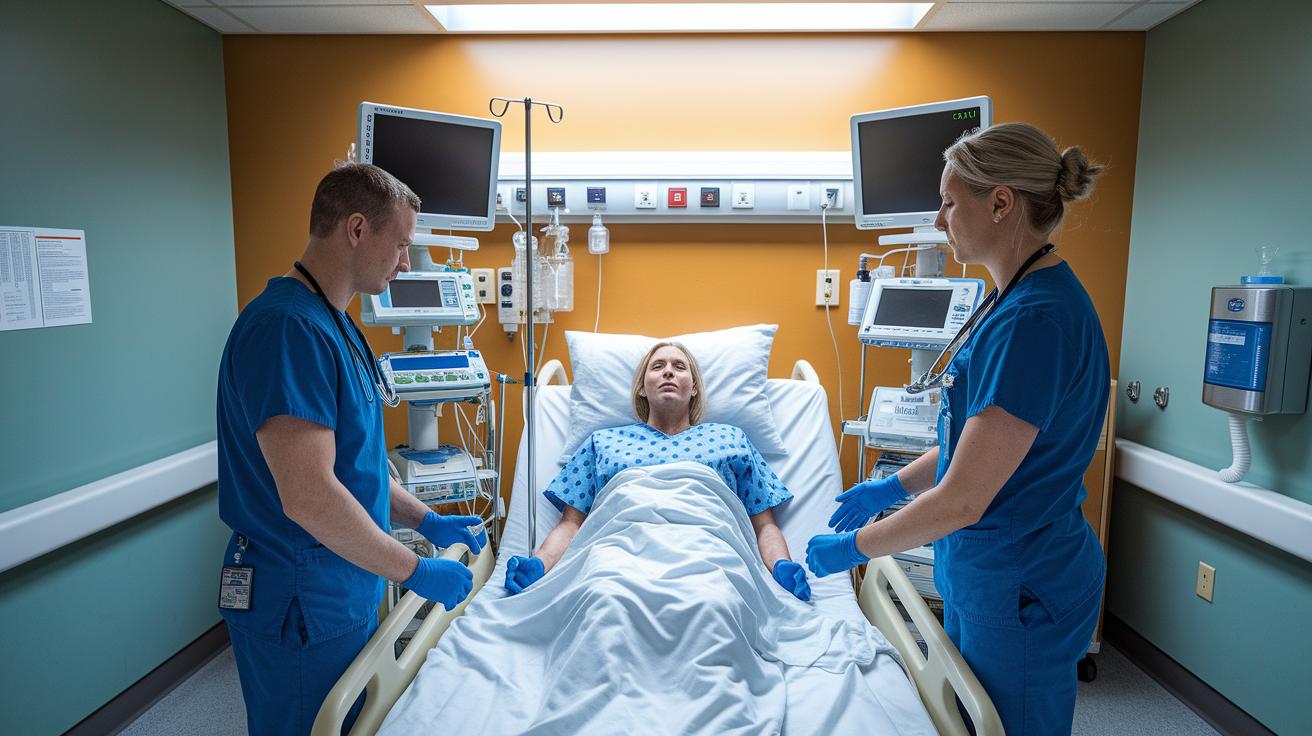
When rapid response teams are called, they stick to a clear routine that saves lives. First, the team does a quick bedside check to spot any immediate problems with breathing or blood flow. They then secure the airway (making sure breathing is safe) and start an IV line for fluids and medications if needed. These first steps help stabilize someone in a critical situation.
After the airway is secured and the IV is set up, the team uses quick tests (point-of-care diagnostics) to get fast results that guide further care. They adjust medications based on the patient’s reaction and, if needed, quickly move the patient to the ICU for more monitoring. Every step follows a set checklist to avoid delays and make each move count.
For property emergencies, restoration teams follow a similar plan. They start with a damage check to see how bad the situation is. Then they map out any hidden moisture, secure the structure to stop further damage, extract water fast, and use measures to control mold and other contaminants. Both health care and property teams rely on these clear, repeatable steps.
Reliable communication is key. The team members use integrated systems to share information and coordinate their actions. Clear, step-by-step instructions, whether checking a patient’s condition or fixing a building, help ensure that every second counts.
Training, Simulation, and Quality Improvement for Rapid Response Teams
Rapid response teams run quarterly drills that mimic real emergencies like heart stoppage (cardiac arrest), severe infection (sepsis), and trouble breathing (respiratory failure). These realistic drills help you work smoothly together and make quick decisions when every second counts. They build confidence and ensure everyone knows their role.
In disaster settings, team drills also check how fast you can get equipment moving and how well different departments coordinate. You might practice scenarios like water damage or fire events. These exercises let you quickly set up tools and work together under pressure.
| Key Training Component | Description |
|---|---|
| Emergency Simulation Exercises | Regular realistic drills for clinical emergencies |
| Disaster Drills | Tests of equipment mobilization and teamwork across departments |
| Staff Emergency Education Programs | Ongoing training to keep emergency skills up to date |
| Post-Event Debriefings | Meetings to discuss what worked and what needs improvement |
| Quality Improvement Cycles | Steps to update response protocols based on feedback |
After every drill or real event, team members gather to review the exercise. They talk about the strengths and areas for improvement. This feedback is added to your protocols, so every drill makes the next one better. Research from 80 peer-reviewed studies shows that continuous training makes teams more effective when time is critical. Regular simulation and quality checks help your team stay ready to act quickly and save lives.
Rapid Response Team Case Studies Across Sectors

Hospital Implementation Case Study
At a major academic center, using AgileMD’s software helped improve patient care quickly. In 12 months, RRT calls went up by 15%, meaning more patients got the fast help they needed. Unplanned ICU transfers dropped by 8%, showing that early action kept patients from getting much worse. Sepsis deaths fell by 5%, which means coordinated care saved lives. One clinician said, "We saw benefits right away. We started acting faster on subtle signs of trouble."
Commercial Restoration Deployment
The CODE BLUE program has changed how disaster restoration teams work. Since 2018, this rapid response team reaches emergency sites within 1 hour in cities like Bradenton, Delray Beach, Jacksonville, Orlando, Pensacola, and Tallahassee. Their speedy arrival reduced business interruptions by 30%. They quickly assess damage and start work, handling tasks such as water extraction and mold control to protect property and lower downtime.
Early Childhood Education RRT Pilot
Pennsylvania started an RRT Mini Grant pilot on August 1, 2024, in 18 out of 19 Early Learning Resource Centers. This program tackles behavioral challenges in early education. It gives children at risk a warm handoff to community supports to prevent possible expulsion. The project will run through December 2025 to measure its impact. Program leaders explained, "We are linking schools with fast, targeted help to create a safe and supportive place for our youngest learners."
Across healthcare, disaster restoration, and early education, clear roles and quick actions lead to outcomes that can save lives and protect businesses.
Implementing and Optimizing Your Rapid Response Team Framework
Quick take: A clear, practiced plan is key when every second counts.
If you notice any of these issues, act now:
- Team members don’t know their exact roles.
- Communication breaks down in an emergency.
Begin by reviewing your current emergency plans in full. Check every step, assign clear roles, and set up reliable ways to share information. For example, the CODE BLUE disaster-prep program offers facility checks, on-site team training, and 24/7 online access to vital information. This model shows how to build effective emergency protocols.
Then, refine your on-the-spot response with decision-support templates. AgileMD’s checklists, backed by nearly $3 million in federal research, help your team know exactly what to do when seconds matter. These templates make sure every team member can act quickly and smoothly.
Key steps to improve your plan:
- Check team readiness regularly to spot any skill or equipment gaps.
- Provide crisis leadership training so team leads can make quick, firm decisions.
- Clearly assign roles so everyone knows exactly what to do.
- Set up communication systems that allow information to flow fast.
- Use regular feedback to fine-tune your emergency steps.
For instance, some early childhood education programs spent 6 months planning and testing their protocols. That time helped them see how the team worked together and adjust the plan to meet their needs. Regular training and leadership exercises keep your team sharp when every second matters.
Final Words
In the action, we explored how a rapid response team works to keep patients and property safe. We broke down its key functions, team roles, activation triggers, and intervention protocols. We also highlighted training, real-world case studies, and ways to refine the framework.
This clear guide offers practical, step-by-step directions so you can act quickly and confidently. Stay ready and positive knowing rapid response teams are designed for immediate, life-saving action.
FAQ
What is Rapid Response Team SCP?
The term Rapid Response Team SCP refers to a specialized unit that handles urgent issues. It is similar to other rapid response teams which quickly assess and tackle emergencies in their designated areas.
What does a rapid response team in a hospital do?
The rapid response team in a hospital quickly assesses and intervenes when a patient shows early signs of decline, helping to prevent severe events like cardiac or respiratory arrest through prompt medical actions.
What are the roles and responsibilities of a rapid response team and its members?
The roles and responsibilities of a rapid response team include rapid assessment and stabilization. Team members like critical care nurses, respiratory therapists, and physicians work together to provide prompt, life-saving care.
What is meant by Rapid Response Team ICE?
The phrase Rapid Response Team ICE may refer to specialized teams linked with law enforcement or similar organizations, addressing urgent situations that require immediate coordinated action outside a typical hospital setting.
What jobs are available in a rapid response team?
Rapid response team jobs include positions for nurses, respiratory therapists, physicians, technicians, and other specialists. These roles require quick thinking and the ability to act rapidly in emergencies.
What is the role of a rapid response team in disaster management?
The rapid response team in disaster management is designed to assess damage and coordinate restoration efforts swiftly. These teams manage emergencies like fire, water damage, and other large-scale incidents to reduce harm.
How do rapid response teams function within police services?
Rapid response teams in police services handle urgent public safety incidents. They mobilize specialized units quickly to manage high-risk situations and work in coordination with other emergency services to maintain safety.
What does a rapid response team do?
A rapid response team addresses sudden signs of decline or emergency situations. They perform immediate assessments and interventions to prevent further deterioration and avoid full-blown critical events.
What is the most common reason for a rapid response call?
The most common reason for a rapid response call is early patient decline—such as changes in heart rate, blood pressure, or oxygen levels—that signals the need for urgent assessment and intervention.
What does code rapid response mean in a hospital?
Code rapid response in a hospital signals the activation of a dedicated team ready to evaluate and treat a patient showing early signs of distress, ensuring that necessary care is delivered swiftly.
What does RRT mean in a hospital?
RRT in a hospital stands for Rapid Response Team. It is a group of specialized healthcare providers tasked with quickly responding to and managing emerging patient emergencies before they become critical.