
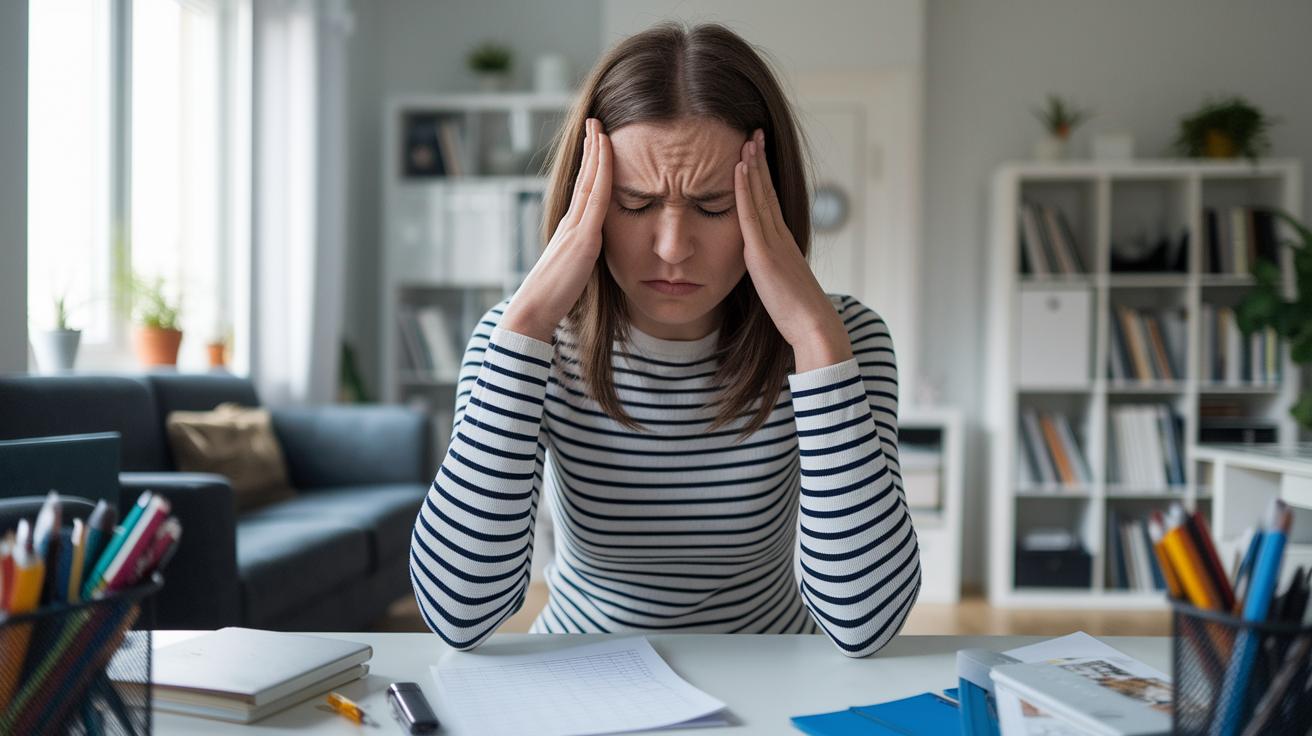

Quick Take: Anxiety can show up physically, and noticing the signs helps you decide when to get help.
Triage Box:
• Red Flags: If you experience chest pain, trouble breathing, or feel faint, call emergency services now.
• Urgent: If a racing heart or sweating lasts longer than 1 hour, seek same‐day medical attention.
• Self-Care: If the signs are mild, track your symptoms and try simple relaxation techniques.
Have you ever thought your body might be sending you signals about anxiety? You might notice your heart pounding or your muscles tightening even when nothing clearly stressful is happening. Your body can react with a racing heartbeat, sweaty palms, or constant restless thoughts. These are clear, simple signs that your mind might be trying to tell you something bigger than everyday stress. Keep an eye on these signals and note when they occur. They can guide you to decide when to act and seek help.
Instant Anxiety Symptom Snapshot: Core Indicators
Quick take: Notice these signs and act if your anxiety feels more than just normal stress.
Anxiety happens to everyone during challenging times like work or tests. But if you feel anxious almost every day, your body and mind may be trying to tell you something is wrong.
Watch how you feel in your body, emotions, and thoughts. Ask yourself if you notice these signs:
- Fast or pounding heart
- Sweaty or clammy hands
- Tense muscles
- Constant worry
- Feeling nervous often
- Intense fear that feels overwhelming
- Getting irritated easily
- Trouble focusing
- Thoughts going too fast
- Moments when your mind feels blank
Keep track of these signals over time. If they keep disrupting your daily life, talk with a healthcare professional to get the support you need.
Physical Anxiety Symptom Snapshot: Somatic Cues to Watch

When anxiety hits, your body sends clear signals. You may feel a racing heart or tense muscles. These cues show that your stress response is active, helping you decide when to use self-care or get extra help.
Cardiovascular Signs
Your heart might beat faster than usual. You could feel a pounding or fluttering in your chest that comes on suddenly. This fast heartbeat is a normal reaction to stress and can sometimes feel very strong.
Respiratory Signals
You may start breathing quickly or shallowly, experience shortness of breath, or even hyperventilate. This quicker breathing happens as your body gets ready for a fight-or-flight response, sending extra oxygen to your muscles. Noticing these changes means your body is on high alert.
Neuromuscular Responses
Anxiety can make you tremble, tighten your muscles, or feel restless. These reactions are common and show your body trying to manage stress. These signs are often included in assessments like the GAD-7 (a quick screening tool for anxiety).
Emotional Anxiety Symptom Snapshot: Mood & Feelings
Quick take: Anxiety can shake up your feelings, causing worry, irritability, and quick mood changes.
Triage Box:
• If you feel so overwhelmed that you have thoughts of self-harm or can’t function, call emergency services now.
• Urgent: If your mood swings become severe or you feel trapped in panic, seek same-day medical help.
• Watch and self-manage: Track your worries, practice deep breathing, and reach out to someone you trust if you notice lasting changes.
Anxiety can make daily life feel unpredictable. Even when nothing big is happening, you might feel intense nervousness or dread. These strong feelings mix with your everyday problems and may lead to constant worry, irritability, and sudden shifts in mood. Keeping a simple diary of these changes can help you see when you might need extra support.
Excessive worry is common. You may find yourself caught in a loop of what-ifs over small decisions or everyday issues. This type of repeated worry can drain your energy and make it hard to concentrate or enjoy the day.
Anxiety can also cause irritability and restlessness. You might snap at small issues or feel tense as if you’re always on alert. This state of constant nervous energy can make it hard to relax and may put stress on your relationships or routine tasks.
Mood fluctuations are another key sign. One moment you can be overwhelmed by fear, and the next, sadness or frustration may rush in. These rapid shifts can leave you feeling off balance. Noticing these changes is important because they can signal when it might be time to try new strategies to calm your mind.
Cognitive Anxiety Symptom Snapshot: Thought Patterns & Alerts
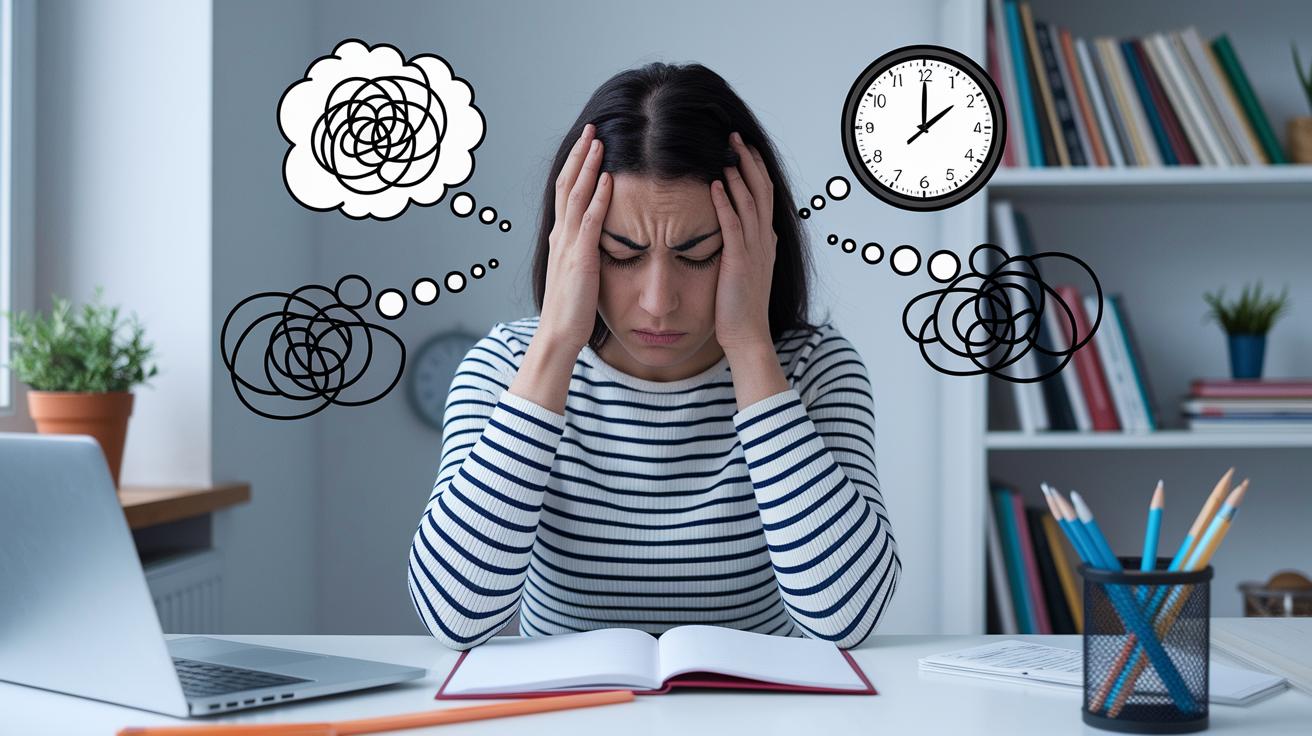
Anxiety can make your mind race like a speeding train, causing thoughts to fly past you so fast that it’s hard to hold onto one idea. Sometimes, your brain may even go blank, leaving you puzzled and slowing your decision-making. Think of it as trying to catch a ball that suddenly disappears, you feel stuck.
Persistent worries can crowd your thoughts, making everyday tasks feel overwhelming. Negative ideas loop in your mind and can sap your focus, which may signal that you need extra help. Keep an eye on these signs, and consider tracking what you experience to decide if it’s time to reach out for support.
Anxiety Symptom Snapshot: Red Flags & Screening
Quick take: Your anxiety might be more than normal worry if it stops you from doing your work or enjoying life.
If you have any of these signs, act now:
- You feel intense fear that makes you unsafe.
- Sleep problems or your mind won’t stop racing.
- Your body stays tense long after a stressful event.
These red flags mean you should seek help quickly if they worsen or don't improve.
A common cause of these feelings is prolonged stress that turns into anxiety. When even small tasks feel overwhelming or your thoughts are always anxious, it’s a sign that your anxiety may be creeping into your daily life.
One way to check is by using the GAD-7 screening tool. This tool asks 7 simple questions about how you have felt in the past 2 weeks. It asks about feeling nervous, having trouble relaxing, and a racing heart (fast heartbeat). The GAD-7 gives you a snapshot of your anxiety levels. Remember, a high score does not mean you have anxiety for sure, it just means you might need a full evaluation from a healthcare provider.
If your symptoms stick around and interfere with everyday tasks, it’s important to talk to a doctor. Explain your symptoms, how often they happen, and how they affect your life. This detailed rundown helps clinicians decide if you need treatments like behavioral therapy or other types of help. Regular checkups, like an annual screening or after big emotional changes, can offer useful insights into your mental well-being.
Review: Dr. Jane Smith, Mental Health Specialist | Last reviewed: 10/2023
Anxiety Symptom Snapshot: Self-Care & Relief Strategies
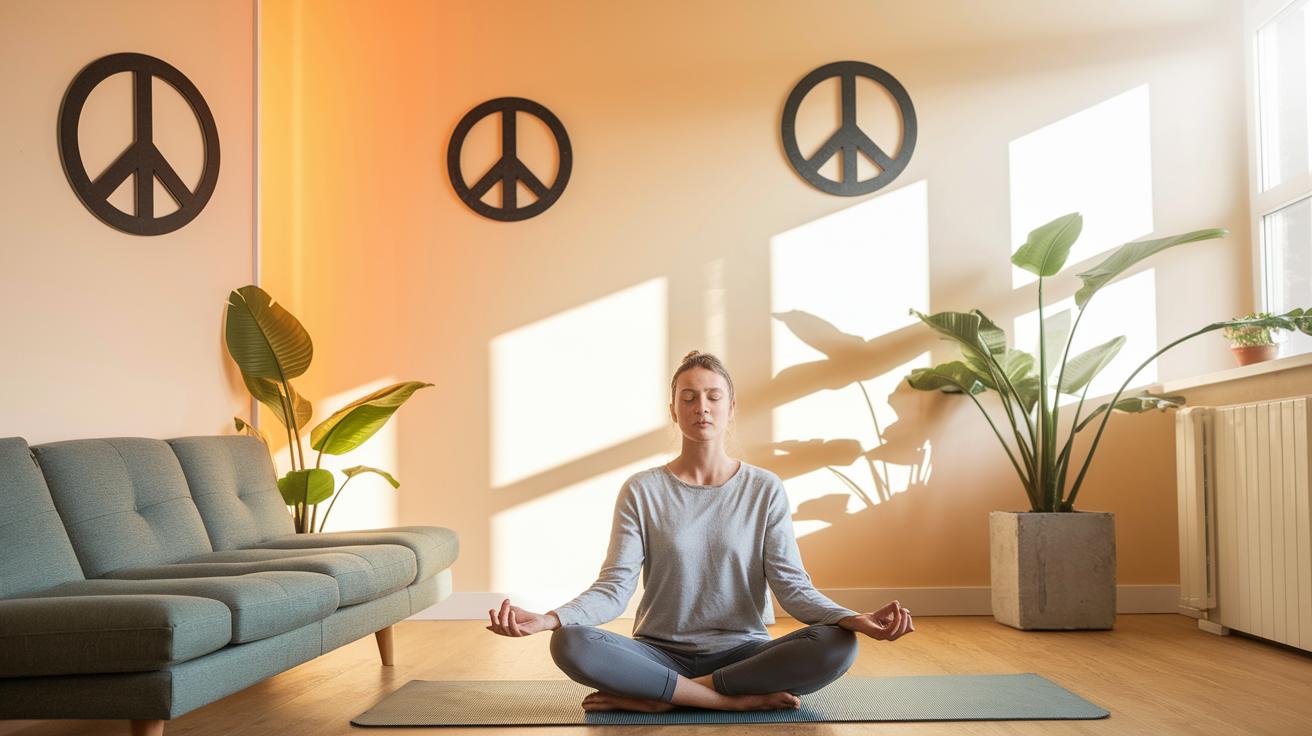
Quick Take: Simple self-care steps can ease anxiety and help you feel more in control.
Triage Box:
• Call emergency services now if you have chest pain, trouble breathing, or feel unsafe.
• Seek same-day care if you feel overwhelmed and unable to manage.
• For mild symptoms, try these self-care tips and check in with your doctor if things worsen.
Self-care can be a strong ally when anxiety strikes. It not only gives you quick relief but also builds your strength over time. Many people find peace in practices like meditation, yoga, or Tai Chi (a gentle form of exercise). These activities help calm your body’s stress signals and lift your mood. Try different approaches to see which one fits best with your daily life.
Mindfulness and guided breathing can shift your focus away from anxious thoughts. For example, sit quietly and breathe in slowly for 4 counts, hold for 2 counts, and breathe out for 6 counts. This steady rhythm tells your body to relax and helps you feel more centered. Even a few minutes each day can boost your ability to manage stress.
Another helpful method is progressive muscle relaxation. In this exercise, you gently tense a set of muscles for a few seconds, then let them relax fully. This helps you notice the difference between tension and calm, easing the physical signs of anxiety. Pairing this exercise with regular walking or gentle stretching can support your overall well-being by keeping your body active and your mind at ease.
A few lifestyle changes can make a big difference too. Stick to a regular bedtime and create a quiet, dark space to improve your sleep. A balanced meal plan supports both your body and your mood. Lastly, set a little time each day just for you, whether that’s a brisk walk, a breathing session, or a quiet moment. These small changes can help keep anxiety at bay and build lasting calm.
Final Words
In the action, this article highlighted the anxiety symptom snapshot you need to know. We covered how to spot key signs across physical, emotional, and cognitive realms. Quick checks and screening tools were explained with clear red flags to watch for. Self-care tips and practical steps were shared to guide your immediate actions. Remember to track symptoms and seek help when needed. Stay proactive and positive as you take steps to manage your stress safely.
FAQ
How to tell if symptoms are anxiety?
The question about telling if symptoms are anxiety means you should look for physical signs like sweating and a rapid heartbeat, emotional cues like constant worry, and cognitive signals such as racing thoughts that interfere with everyday life.
Mayo Clinic anxiety decision aid?
The question regarding the Mayo Clinic anxiety decision aid means that this tool uses targeted questions and screening methods to help determine if your anxiety symptoms align with a disorder that merits professional evaluation.
Research on anxiety disorders indicates that?
The question about research on anxiety disorders means that studies show anxiety becomes a disorder when symptoms are severe, persistent, and disrupt daily activity, making it important to monitor signs closely and seek help when needed.
How to know if you need medication for anxiety and depression?
The question regarding needing medication means that if your anxiety or depression consistently disrupts your daily routines, causes significant physical symptoms, and does not improve with self-care, it may be time to discuss medication options with a clinician.
Is being hard on yourself a sign of depression?
The question about being hard on yourself means that excessive self-criticism can be a sign of depression, especially when it accompanies other symptoms like persistent sadness, fatigue, and loss of interest in usual activities.