


Quick Take: Belly pain during exercise is common and usually related to muscle jostling or shifts in blood flow. If you experience severe pain or other worrisome signs, seek care immediately.
Triage:
• Call emergency services if you have severe pain, trouble breathing, or feel lightheaded.
• Seek same-day medical advice if the pain is moderate, persistent, or interferes with your ability to run.
• For mild, occasional cramps, try self-care and monitor your symptoms.
Many runners feel sudden belly cramps or side stitches during a run. This can happen when your muscles move a lot and your blood flow changes, which may upset your digestion.
Here are some practical tips to help ease or prevent belly pain while running:
• Eat a light meal at least 1 to 2 hours before you run.
• Stay hydrated by sipping water before, during, and after your run.
• Warm up with gentle exercises to prepare your muscles.
By choosing smart meals, staying well hydrated, and doing a good warmup, you can help reduce belly pain and keep running comfortably. If your symptoms worsen or you feel uncertain, call your clinician for guidance.
Sources: Information is based on common exercise safety guidelines and has been reviewed by a health expert. Last reviewed: October 2023.
Complete essentials of belly pain when running: causes and fixes
Belly pain is common when you run. In fact, about 30% to 90% of endurance runners report stomach problems. Your body’s natural jostling can cause your gut to contract on its own and lead to sharp side stitches. At the same time, blood shifts away from your digestive system to fuel your muscles, heart, and lungs. This change can cause cramps and overall belly discomfort.
Eating a large meal right before you run can make the pain worse. Foods high in fiber, fat, or sugar are especially tough on your system. Not drinking enough water, low blood sugar, and stress can also trigger these cramps. Addressing these issues can help you run more comfortably and avoid unpleasant mid-run stomach issues.
- Eat easily digestible foods about 1–2 hours before running.
- Drink water or an electrolyte beverage before and during your workout.
- Warm up and stretch to prepare both your muscles and digestive system.
- Use controlled breathing techniques while jogging to ease belly tension.
- Build core strength with exercises like planks and side bridges to support your midsection.
By following these steps, you can promote proper digestion, stay hydrated, and ease tension in your muscles. This practical approach helps reduce belly pain during your runs and keeps you moving comfortably.
Common causes of abdominal agitation while jogging

Quick take: Running can upset your belly due to the jostle of your gut and muscle strain.
Triage Box:
• If you experience sudden, severe pain with nausea or lightheadedness, call emergency services now.
• If the pain is sharp and doesn’t ease with a short break, seek same-day medical attention.
• Otherwise, warm up properly, stretch, and monitor your symptoms as you adjust your routine.
Running makes your body shake and your gut move. Each stride pushes your intestines (the muscles that move food along) into action, sometimes causing side stitches or cramps. This rhythmic jostling can even trigger a sudden urge to go to the bathroom.
At the same time, intense exercise redirects blood from your digestive system to your muscles, heart, and lungs. Without enough oxygen, your belly may cramp or feel strained.
Muscle fatigue plays a part, too. Your diaphragm (the main muscle under your ribs that helps you breathe) can spasm during a hard run, leading to sharp side pain. This often happens if the muscle is squeezed by extra fat or if your breathing isn’t steady.
Skipping a proper warm-up or stretches can further increase your risk of lower tummy pain. Other factors like stress, hormonal changes, or low blood sugar may also add to the discomfort. In rare cases, a condition affecting the pelvic bones called pubic osteitis can cause pain in the lower middle area. Knowing these causes can help you adjust your routine to reduce belly strain while jogging.
Distinguishing normal stomach cramps during running from serious pain
Quick take: Most running cramps are harmless, but some signs mean you should get help.
Triage:
If you have any of these, call emergency services now:
- Blood in your stool
- Continuous pain that does not ease with rest or lasts more than 24 hours
- Vomiting, fever, or unexpected weight loss
- An urgent need to use the bathroom with loose stools during or after your run
Normal cramps usually start about 15 minutes into running. They may feel like a sharp side stitch or a general ache in your midsection. These cramps often happen because your diaphragm has a brief spasm when blood shifts away from your stomach. They can also be linked to quick movement of food through the intestines, which feels similar to mild IBS (irritable bowel syndrome).
These cramps typically improve when you slow down or stop running. Resting, controlling your pace, and practicing steady breathing usually help ease the pain.
If your pain continues beyond 24 hours or does not get better after resting, see a doctor. Tracking your symptoms with notes on when they start, how long they last, and what makes them better or worse can help your healthcare provider understand your situation.
Meal timing and hydration impact on belly pain when running
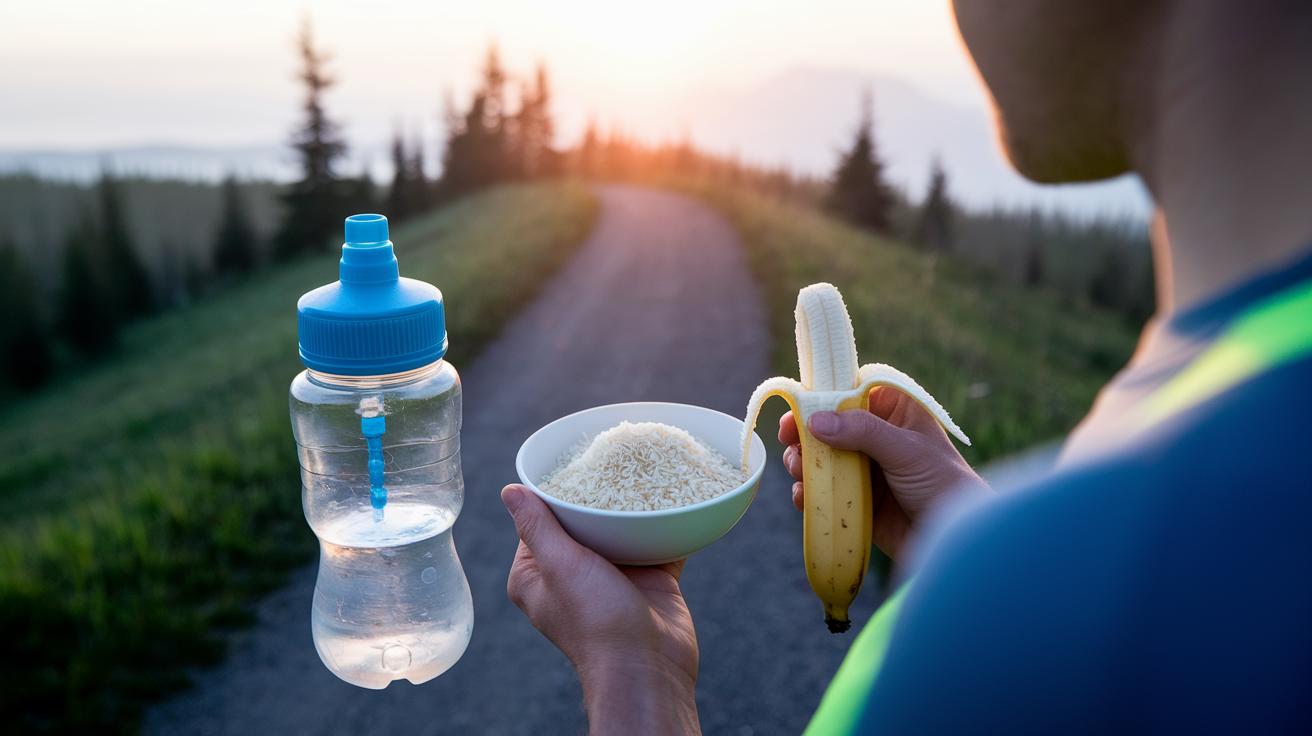
Quick take: A light pre-run meal and steady hydration can help ease belly pain when you run.
If you have severe cramps, worsening pain, or feel very dizzy, call your doctor right away.
Before you head out, eat a small meal with simple carbohydrates (easy-to-digest foods like white rice and a banana work well) about 1–2 hours before running. Skip high-fiber, fatty, or sugary foods since they can trigger cramps.
Make sure to drink water or an electrolyte drink before and during your run to help settle your stomach. Try your hydration plan during training and stick with what you know on race day.
Finally, practice your pre-run meal routine during training so your body gets used to it. Some runners also add probiotic supplements (helpful for gut health) to reduce stomach pain even more.
Warm-up, breathing, and core strengthening to prevent running-induced stomach strain
Warm-Up & Stretching
Start with a gentle warm-up for about 5 minutes. A brisk walk or light jog helps boost blood flow in your diaphragm and core. Slowly raise your arms overhead and then stretch them behind your head. This relaxes the diaphragm and may help prevent side stitches. For example, lift your arms slowly and hold the stretch for 15 seconds.
Breathing Techniques
Practice deep belly breaths to reduce discomfort while running. Breathe in slowly through your nose, letting your belly fill with air, then exhale steadily through your mouth. Try a simple rhythm, inhale for 3 seconds and exhale for 3 seconds, to keep things even.
Core-Strengthening Moves
Add core exercises to your routine to help steady your stomach muscles during exercise. Consider these moves:
- Hold a plank for 30 seconds, keeping your body in a straight line from head to heels.
- Do a side bridge for 20 seconds on each side to boost midsection stability.
Cool-Down & Relaxation
After your run, spend about 5 minutes cooling down. Focus on gentle stretches that target your abdomen and lower back. Combine these stretches with controlled breathing to help your muscles relax and recover.
When to seek medical advice for belly pain when running

If your belly pain lasts more than 24 hours or keeps coming back even after you change your diet, drink more water, or adjust your training, there could be a deeper issue.
If you notice any of these warning signs, please act now:
- Blood in your stool
- Severe dehydration (very little urine or dark urine)
- High fever (over 102 F)
- Fast, unexplained weight loss
These symptoms might signal problems like irritable bowel syndrome (IBS) or inflammatory bowel disease (IBD).
If you have ongoing cramps that don’t get better with exercise changes, or if you feel heartburn (acid reflux) where stomach acid flows into your esophagus, you should see a healthcare provider. Persistent abdominal muscle spasms or more discomfort during aerobic exercise also need to be checked.
Keep a simple record of your symptoms. Write down how long they last, how intense they are, and any other changes you notice. This list can help your doctor figure out what’s happening with your belly pain.
Final Words
In the action, this guide breaks down why belly pain when running occurs and offers clear steps to ease discomfort. It covers common causes like meal timing, dehydration, and physical jostling. You learned that proper warm-up, breathing control, and core exercises help lower cramps. Red flags and when to see a clinician are also explained in simple checklists.
By following these practical tips, you can reduce exercise-associated gut discomfort and enjoy running more confidently. Stay positive and keep moving forward safely.
FAQ
What causes lower abdominal pain while running?
Lower abdominal pain when running often results from physical jostling, eating too close to your run, dehydration, and blood flow shifting from the gut. These factors can affect both male and female runners.
What is runner’s stomach?
Runner’s stomach refers to gut discomfort during exercise. It happens when your digestive system is stressed by movement, improper meal timing, or dehydration, causing cramps or pain.
What causes upper abdominal pain while running?
Upper abdominal pain when running usually stems from diaphragm strain or acid reflux due to heavy meals before exercise. Adjusting your meal timing and warm-up can help ease this pain.
How can I relieve stomach pain after running?
To relieve stomach pain after running, try gentle stretching, deep breathing, rehydration, and a light snack. This helps your body recover and restores normal blood flow to the gut.
Why does my stomach hurt when I run, including on specific sides?
Your stomach may hurt when you run due to side stitches from diaphragm spasms, combined with factors like dehydration, improper meal timing, or stress on the gut. Adjusting your routine may reduce these cramps.