
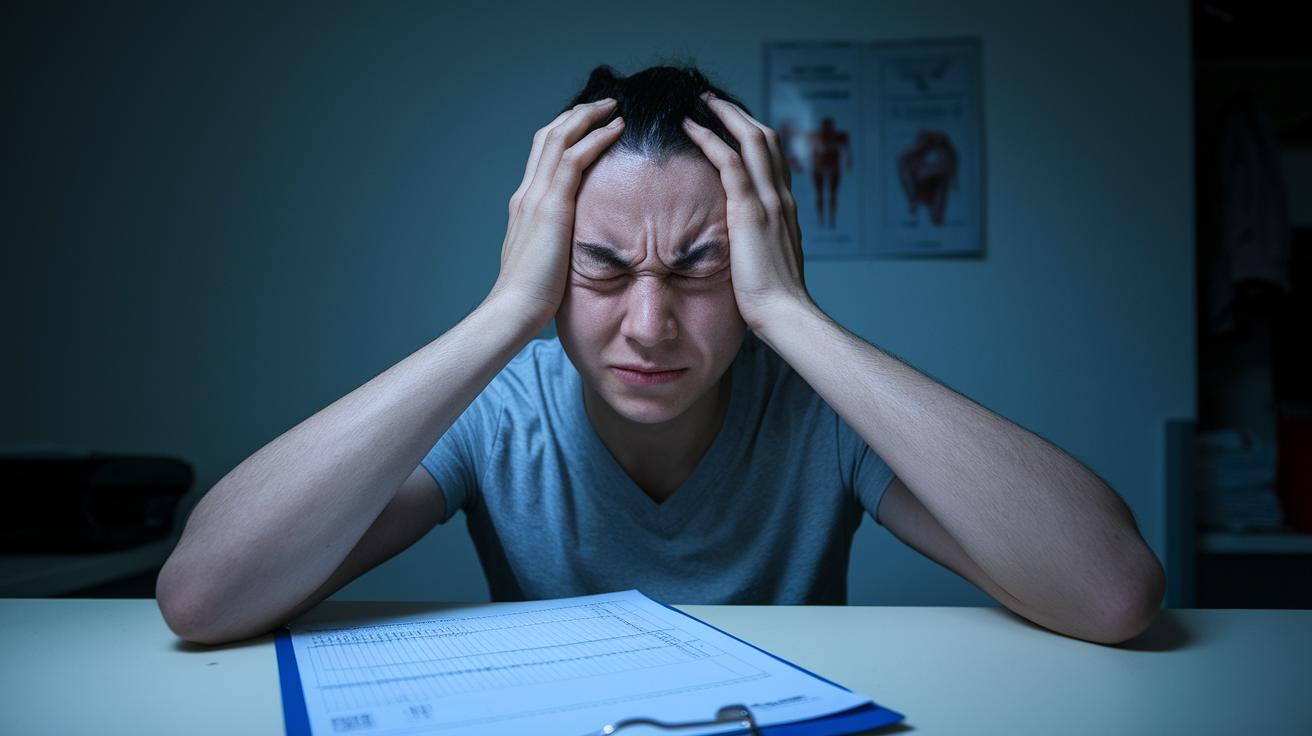

Quick Take: A sharp pain behind your left eye can be a migraine triggered by stress, poor sleep, or nerve signals.
If you experience sudden vision changes, a worsening headache, confusion, or weakness, seek urgent care.
Have you ever felt a sudden, sharp pain behind your left eye? This guide explains 5 clear facts about why this happens. First, stress may set off a migraine. Second, not getting enough sleep can trigger that one-sided ache. Third, other everyday factors might also play a role. Fourth, the nerve around your eye sends signals that contribute to the pain. Fifth, knowing these facts can help you act quickly and safely.
Keep track of your symptoms and note when the pain occurs. Doing this can help you and your doctor better understand and manage the issue.
Understanding Migraine Behind Left Eye: Definition & Mechanism
Quick take: A migraine behind your left eye causes sharp, one-sided pain that can make lights and sounds seem too bright and loud.
If you have any of these emergency signs, call emergency services now:
- Sudden vision loss
- Extreme pain that comes on quickly
- Confusion or weakness
A migraine behind your left eye is a headache that hits hard in the left eye socket. The pain comes from the ophthalmic branch of the trigeminal nerve (the nerve that sends feelings from your eye and nearby areas). When this nerve gets irritated, you might feel pulling, pushing, stabbing, or even a scooping sensation on that side of your face.
These migraine attacks can last from 4 to 72 hours without treatment. During an attack, you may find that light and sound hurt more than usual. Sometimes, you may also see flashes of light or a wavy glow, a visual warning called an aura, either before or while the pain is there.
Even though other headaches can seem similar, the pain focused around the eye and its unique feel help set this migraine apart. Noticing these details is important to understand what’s happening and to get the proper care you need.
Common Causes & Triggers of Migraine Behind Left Eye
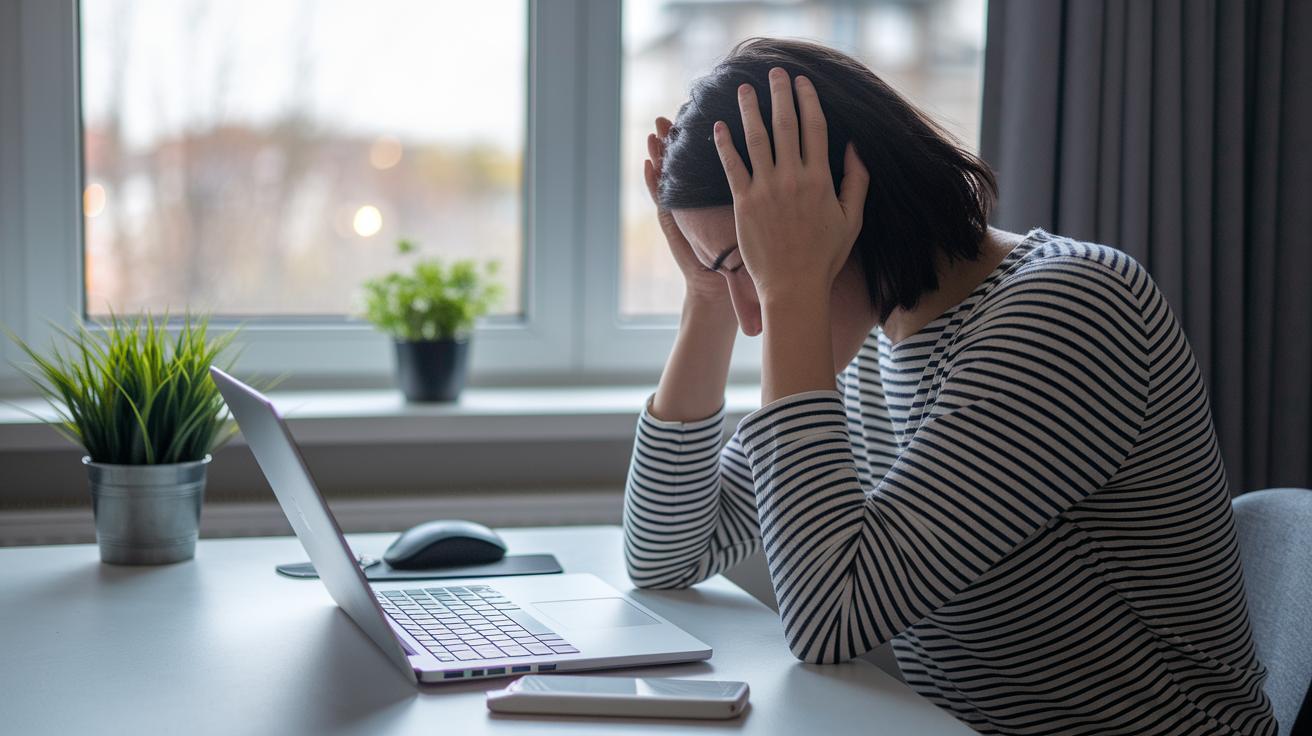
Quick take: Migraine pain behind your left eye may start from stress, weather changes, or everyday habits.
Triage Box:
If you have any of these emergency signs, call emergency services now: severe pain that lasts more than 2 hours, confusion, slurred speech, or sudden vision loss.
Urgent: Seek same-day care if you notice new weakness or numbness with the headache.
Watch and self-manage: Track your symptoms, sleep, and daily habits. Follow up with your clinician if the pain increases or does not improve.
Many things in your body and surroundings can spark this headache. When you feel stressed or dehydrated, your brain sends warning signals that may lead to a migraine. Not getting enough sleep can unsettle your body’s rhythm, making you more sensitive to other triggers.
The weather and your environment also matter. Bright sunlight or quick changes in weather, like a drop in barometric pressure or a hot, humid day, can worsen head pain. What you eat and drink counts too. High amounts of caffeine or alcohol can increase pressure on the left side of your head. Hormonal shifts, especially around a woman’s menstrual cycle, can also raise your risk.
Your digital screens or strong odors, like cleaning products or perfumes, may irritate the nerves that trigger migraines. Many people find that a mix of these internal and external factors makes them more likely to experience a migraine behind the left eye.
Key triggers to watch for:
- Stress
- Dehydration
- Irregular sleep
- Bright sunlight
- Caffeine or alcohol intake
- Barometric pressure changes
- Hormonal swings
- Screen glare
Knowing what sets off your migraine can help you adjust your daily habits. Keep a simple diary with the date, time, trigger, and severity (mild, moderate, or severe) to share with your clinician and better manage your symptoms.
Symptoms, Definition, and Red Flags of Migraine Behind Left Eye
A migraine behind your left eye usually brings a pulsing or throbbing pain in the eye socket (the bony area that houses your eye). You may also feel a strong sensitivity to light and sound, nausea, and sometimes see flashing lights or wavy patterns (a visual aura). This sharp pain is different from a tension headache, which tends to cause a steady pressure on both sides of your head.
Extra clues can help you spot triggers and decide when to get help. Watch for these warning signs that need immediate care:
- Sudden loss of vision in the affected eye
- Weakness or numbness on one side of your body
- Confusion or being very disoriented
- Stiff neck
- High fever
If you see any of these red flags, act now and get medical help right away. Keep track of when these symptoms occur so you and your doctor can manage your condition better.
Diagnosing Migraine Behind Left Eye Versus Other Headache Types
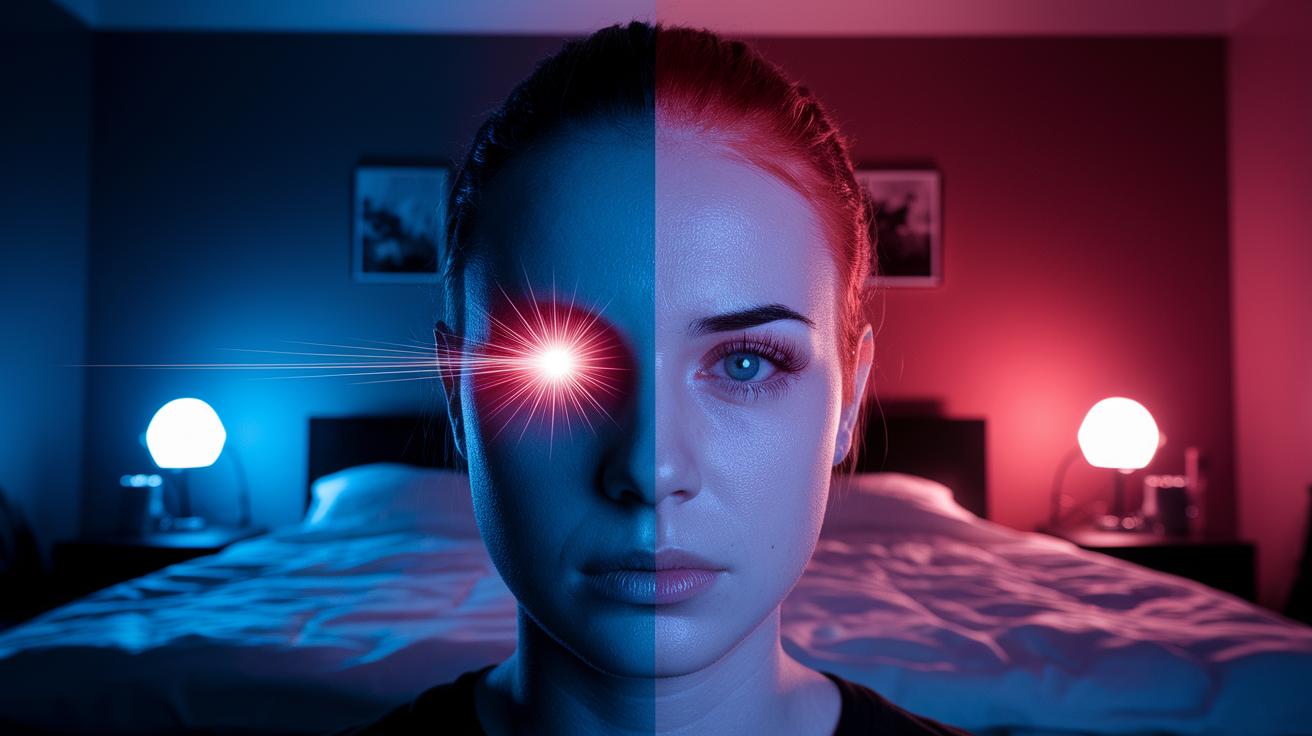
Quick take: Different types of headaches have unique signs. If you notice severe eye pain or sudden vision changes, call emergency services now.
Ocular Migraine
This headache usually gives you a throbbing pain near your left eye. You might also see flashing lights or other visual disturbances (called an aura). The pain comes from irritation along the nerve that connects your eye to your brain. It can last for several hours and directly affects your vision.
Cluster Headache
Cluster headaches bring sharp, stabbing pain around one eye. They often last between 15 and 180 minutes, and they can even wake you at night. You may also notice tears, red eyes, or sweating on your face while the pain is at its peak.
Sinus Headache
A sinus headache is tied to nasal congestion. This steady, aching pain can spread around your eye area when the sinuses are under pressure. You might also feel a heavy face along with symptoms like a runny or blocked nose. The pain here usually comes with other signs of congestion.
Tension-Type Headache
Tension headaches are very common. They cause a steady, pressing pain on both sides of your head rather than a focused pain near one eye. There is no visual aura, and the sensation is similar to wearing a tight band around your head.
| Headache Type | Key Features | Duration | Typical Location |
|---|---|---|---|
| Ocular Migraine | Throbbing pain, light sensitivity, visual aura | Several hours | Left eye region |
| Cluster Headache | Sharp, stabbing pain, tearing, red eyes | 15–180 minutes | Around one eye |
| Sinus Headache | Steady aching, nasal congestion, facial pressure | Variable | Face and eye area |
| Tension-Type Headache | Consistent pressure, no visual aura | Several hours | Whole head |
Medical Treatment Protocols for Migraine Behind Left Eye
Quick take: Fast treatments can ease a migraine behind your left eye, and your doctor may use daily medicine if you have many attacks.
Triage:
• If you have new vision changes, weakness, or confusion, call emergency services now.
• If the pain gets much worse or lasts longer than usual, reach out to your doctor today.
• Watch for signs like numbness or trouble speaking and get help right away.
When a migraine starts behind your left eye, using fast-acting medicine can help stop the pain quickly. You might take a triptan (a medicine that blocks migraine pain) such as sumatriptan, or an NSAID (a pain reliever like ibuprofen). These medications reduce the sharp, pulsing pain. It is important not to use them more than 10 days each month. Overuse can cause rebound headaches, which make your pain worse over time.
If you experience 4 or more migraines each month, your doctor may suggest daily preventive medicine. Options include beta-blockers (medicines that slow your heart rate), antiepileptics (drugs that calm nerve activity), or CGRP inhibitors (medications that block a pain signal). These treatments can lessen both the number and strength of your attacks so that you enjoy longer, pain-free days.
Your treatment plan is made just for you. Your doctor will look at your headache history to decide if you only need fast relief or if you would benefit from daily preventive medicine. The idea is to balance quick relief during an attack with long-term prevention. Always tell your doctor if your attack patterns change. Regular check-ins help adjust your doses so the medications work well and avoid problems from overuse.
Natural & Home Remedies for Migraine Behind Left Eye
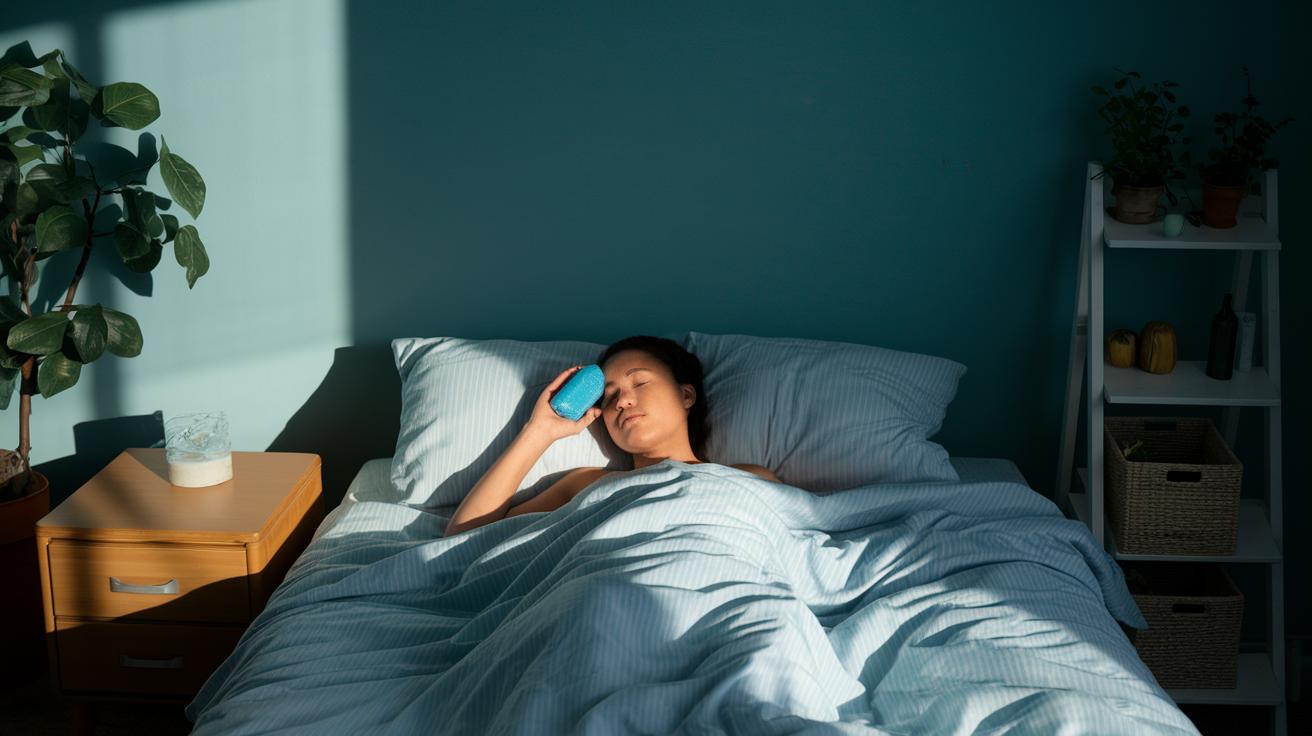
Quick Take: Home care like rest, hydration, and gentle stress relief may ease a left-side migraine, but call for help if your symptoms worsen.
Triage Checklist:
- Call emergency services now if you experience vision changes, confusion, numbness, or very severe pain.
- Seek same-day care if your headache suddenly gets worse or you develop new symptoms.
- Otherwise, monitor your signs at home and note what improves or worsens the pain.
When a migraine hits behind your left eye, try to rest in a dark, quiet room. Lowering the lights and reducing noise can calm your nerves and ease the pain. Placing a cold compress on the left side of your forehead for about 15 minutes may help cool the area and reduce swelling.
Staying well-hydrated is important too. Drinking water throughout the day can help stop dehydration, which might trigger a migraine. Gentle yoga stretches for the neck and shoulders or biofeedback techniques (methods to help you control stress by noticing body responses) may also relieve tension and soothe your nerves.
You might also try applying pressure to the spot just above your left eye socket (supraorbital notch) to ease tightness. Some people find that herbal supplements like butterbur or feverfew help a little. Use one remedy at a time and keep a simple diary of how you feel. This will help you learn which steps work best for you.
Lifestyle & Preventive Strategies for Migraine Behind Left Eye
Quick take: A steady routine in sleep, diet, exercise, stress management, and mindful techniques may help ease migraines behind your left eye.
• Keep a regular sleep schedule. Go to bed and wake up at the same time every day. This routine helps set your body clock and can cut down on migraine attacks.
• Eat balanced meals. Fill your plate with fruits, vegetables, and whole grains. This fuels your body and may stop trigger episodes. Stay away from common triggers like aged cheeses, processed meats, too much caffeine, and alcohol. For example, swapping your coffee for herbal tea might help ease the pain.
• Do regular aerobic exercise. Activities like brisk walking, cycling, or swimming improve your overall health and may lower the frequency of headaches behind your left eye. Even moderate exercise can reduce stress, which is a common migraine trigger.
• Manage stress effectively. Try mindfulness, meditation, or simple breathing exercises to calm your mind and body. These techniques may ease the neural discomfort you feel on the left side.
• Use cognitive-behavioral methods. These strategies help you spot stress triggers and change the way you handle them, keeping migraines at bay.
Remember, if your migraines get worse or become very painful, consult your healthcare provider for advice.
When to Seek Professional Help for Migraine Behind Left Eye
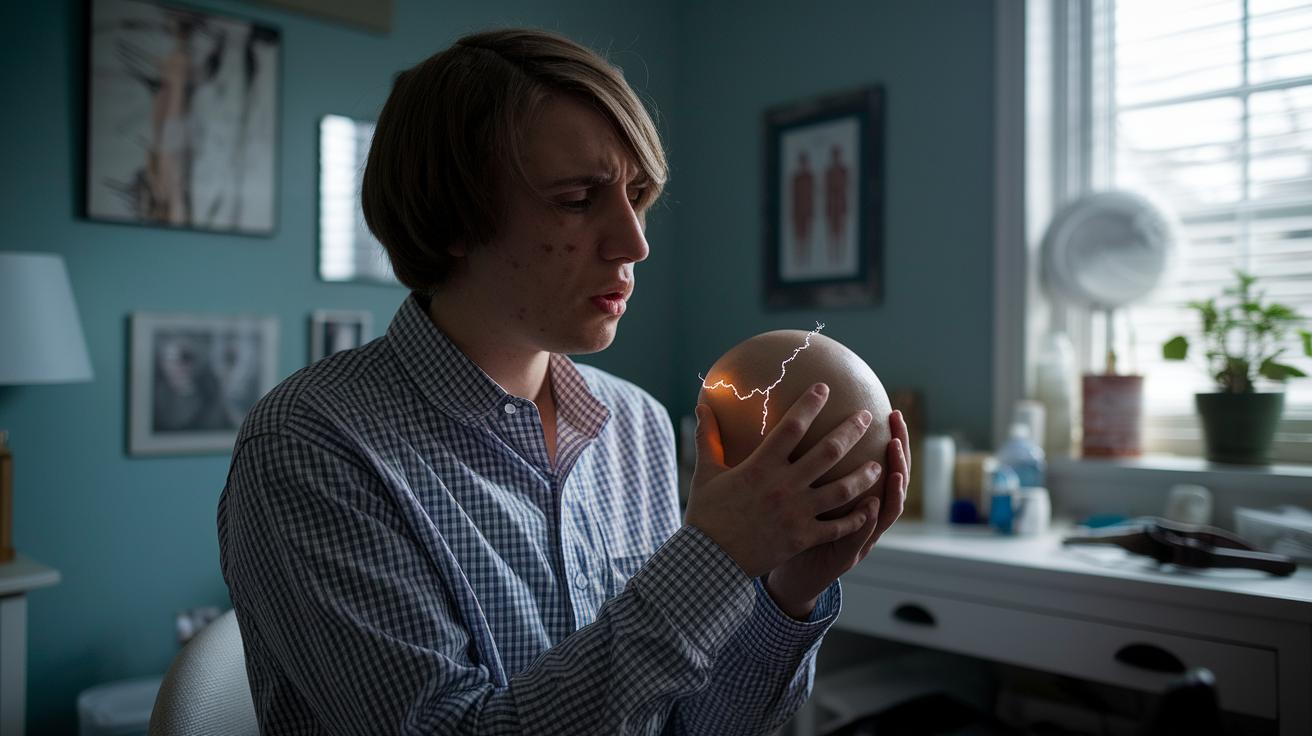
Quick take: A new, sharp pain or changes in vision or speech during your migraine could mean it's time to get checked.
Triage Box:
- If your migraine suddenly becomes much sharper or more painful.
- If you notice blurry vision, double vision, or loss of vision.
- If you experience speech difficulties or other unusual signs.
- If your migraine does not improve with your normal treatment.
Sometimes your usual migraine can change unexpectedly. If you have a steady pain behind your left eye that turns into a sharp, severe pain or comes with blurry vision or trouble speaking, it is important to act now. These new signs can signal a more serious issue.
If your pain does not get better with the treatments you normally use, your doctor may suggest an imaging test (MRI or CT scan, which create detailed pictures of your brain) to rule out any structural problems. They might also refer you to a neurologist, a doctor who specializes in the brain and nerves, for further care.
For example, imagine your typical migraine suddenly shifts. One day, your regular ache turns into a sharp pain with blurry vision. Quick imaging tests can help rule out a serious problem.
Always listen to your body. If you experience any of these changes, seek evaluation promptly.
Final Words
In the action, we reviewed what causes eye pain, key warning signals, and ways to treat and prevent that sharp discomfort. We broke down triggers, listed red flags, and compared different headache types to help you act swiftly when needed. We also offered home remedies, lifestyle tips, and guidance on when to seek urgent care. Remember to track your symptoms for a clearer picture of your condition. Stay informed and proactive; managing your migraine behind left eye starts with knowing your body’s signals.
FAQ
Q: How do I quickly relieve a headache behind my eyes?
A: The headache behind your eyes can ease quickly by resting in a dark, quiet room, applying a cold compress, staying well hydrated, and using an over-the-counter pain reliever.
Q: What are cluster headaches behind the eye and how are they treated?
A: Cluster headaches behind the eye are severe, one-sided pains often with tearing or redness. They are treated with oxygen therapy and specific medications like triptans, and require urgent attention if symptoms worsen.
Q: What does it mean if a headache behind my eyes won’t go away?
A: A headache behind your eyes that won’t go away may indicate an underlying issue. It is best to have persistent pain evaluated by a healthcare provider, especially when accompanied by vision changes or other warning signs.
Q: What can cause a headache on the left side of my head and eye?
A: A headache on the left side of your head and eye is often linked to migraines triggered by stress, dehydration, or other environmental factors, resulting in throbbing, focal pain and sometimes light sensitivity.
Q: Why am I getting migraines behind my left eye?
A: Migraines behind your left eye may result from nerve irritation in that region, often triggered by stress, certain foods, or environmental changes that spark intense neural pain and sensitivity.
Q: How can I stop a left eye migraine?
A: Stopping a left eye migraine can involve resting in a quiet, dark room, applying a cold compress, taking prescribed medications, and addressing triggers such as stress and dehydration.
Q: Is pain behind the left eye serious?
A: Pain behind your left eye can be serious if it is sudden or severe, or if it comes with vision loss or other neurologic signs. Such symptoms should prompt immediate evaluation by a clinician.
Q: How do I get rid of a cluster headache behind my left eye?
A: Getting rid of a cluster headache behind your left eye usually requires prompt treatment with oxygen therapy and specific medications. If these severe, short episodes worsen, seek urgent medical care.