Quick take: You can ease period cramps naturally with warm compresses, herbal teas, and gentle movement. If your pain is severe or you develop new symptoms, talk to your doctor right away.
If you experience any of these signs, seek help immediately:
• Heavy bleeding or fever
• Pain that stops you from doing everyday activities
• Pain lasting more than 3 days
Many assume only medications can help with cramping, but everyday methods may work well. A warm compress on your lower belly can relax your muscles and bring comfort. Sipping a soothing herbal tea may help ease tension, and light, gentle movement such as a short walk can encourage your body to ease the pain.
Keep track of your symptoms by noting the time, how intense the cramps are (mild, moderate, or severe), and any other changes. This information can be really helpful if you need to talk with your doctor later.
Remember, you know your body best. If these steps do not help or if the pain worsens, don’t hesitate to reach out for professional advice. Stay safe and take care of yourself.
Effective Home-Based Remedies for Period Pain Relief You Can Start Today
Quick take: Simple home remedies can ease your cramps, but if your pain is severe or you experience other worrying signs, seek help right away.
If you notice any of these signs, call emergency services now:
- Uncontrollable or very sharp pain
- Heavy bleeding or clots
- Fever over 102°F
For most people, mild to moderate cramps are common. Around 80% of people who menstruate feel cramps because the muscles in your uterus contract. These natural methods use everyday items to help you feel better while you rely on your body’s own signals.
Try these at home:
- Use a heat pad or hot water bottle on your lower belly for 15-20 minutes.
- Stay hydrated by drinking at least 8 glasses of water. You can add herbal teas for extra comfort.
- Enjoy anti-inflammatory foods like berries, turmeric (a warming spice), or fatty fish.
- Do gentle exercise like walking, yoga, or swimming.
- Sip herbal teas such as ginger, chamomile, or peppermint tea.
- Try a light self-massage on your abdomen to boost blood flow and ease tension.
- Practice deep breathing and mindfulness to help you relax.
You might combine these steps to find what works best for you. For example, start your day with a warm compress, take a short walk, then wind down in the evening with a cup of herbal tea and some deep breathing.
If your cramps remain strong even after trying these remedies, please contact your healthcare provider for further advice.
Herbal Teas and Infusions for Easing Period Pain
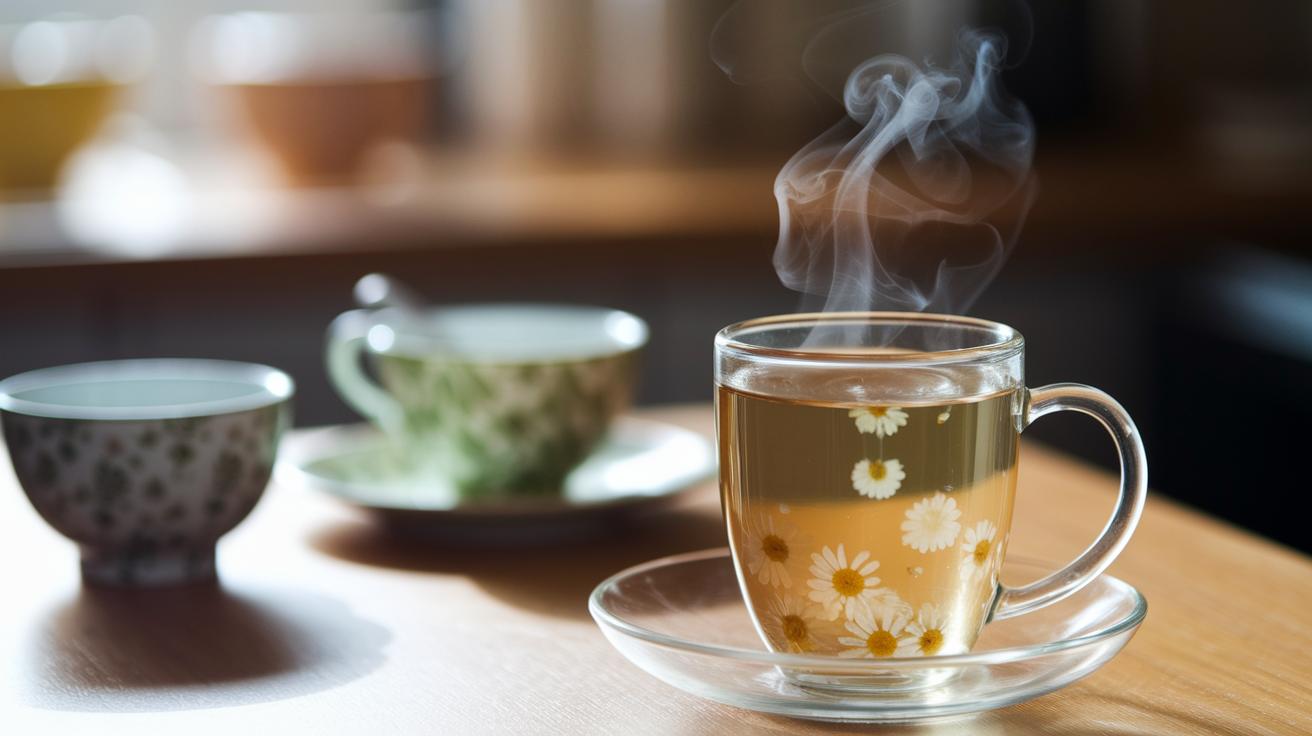
These warm herbal drinks may help relax tight muscles and calm inflammation, easing your period pain naturally. I know menstrual cramps can feel rough, so try these soothing teas as part of your comfort routine.
Ginger Tea Preparation
Slice about 1 inch of fresh ginger and steep it in boiling water for 10 minutes. Ginger helps lower chemicals in your body (prostaglandins) that cause cramps. Drink this tea when you feel your cramps starting to ease.
Chamomile Tea for Muscle Relaxation
Measure 2 teaspoons of dried chamomile flowers and steep them in hot water for 5 to 10 minutes. This tea works as a gentle muscle relaxant, helping to calm uterine contractions and bring you a sense of ease.
Peppermint Tea to Alleviate Spasms
Place a handful of peppermint leaves into boiling water and let them steep for about 10 minutes. The natural pain-relieving properties of peppermint help relax spasms, making it a refreshing way to ease your cycle pain.
Turmeric-Infused Warm Drink
Mix ½ teaspoon of turmeric with a pinch of black pepper in hot water or milk. The active ingredient in turmeric, curcumin, is known for its anti-inflammatory effects, which can help reduce pain and discomfort during your period.
Effective Home-Based Remedies for Period Pain Relief
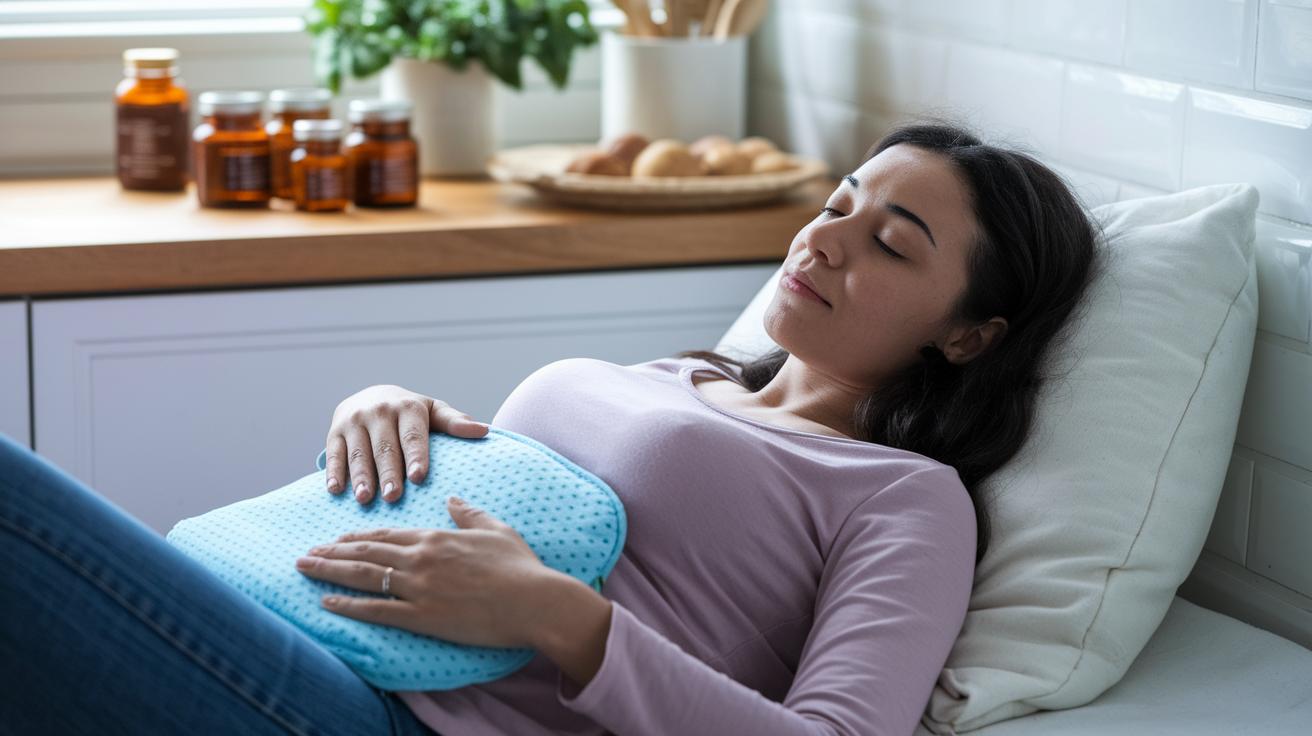
Heat therapy can ease your cramps by relaxing uterine muscles and boosting blood flow. Try a cloth-wrapped heating pad or hot water bottle on your lower belly for 15 to 20 minutes. A warm bath or shower also gives moist heat that helps relax tight muscles and calm spasms.
For a warm compress, wrap your heating pad or hot water bottle in a towel to prevent burns. Place it on your lower belly for 15 to 20 minutes. A warm shower can offer similar relief by letting the heat sink in deeply.
Always use medium heat and never leave your heating pad unattended. Check your skin often and stop if you feel any discomfort or see irritation. You can repeat this process 2 to 3 times a day, but listen to your body and adjust as needed for best relief.
Gentle Exercises and Yoga Sequences for Period Cramp Reduction
Quick take: Gentle movement boosts blood flow and natural painkillers to ease your cramps.
Triage:
• If you experience severe pain, heavy bleeding, fever, or fainting, call emergency services immediately.
• If your discomfort isn’t getting better or worsens, reach out to your clinician.
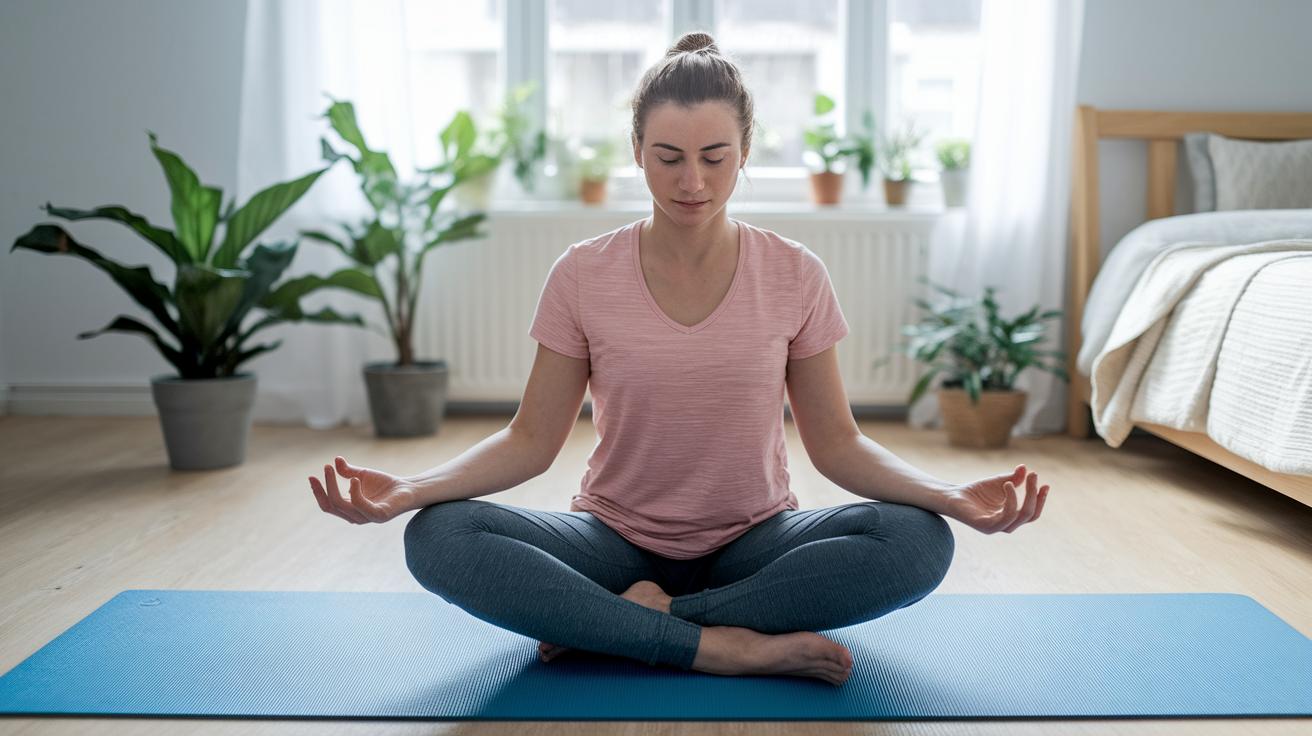
Light movement can help increase blood flow to your pelvis and release endorphins (natural painkillers) that ease cramp pain. Try moving gently for 10–15 minutes each day at the start of your period. Adding deep breaths to your routine helps relax your muscles and lower tension.
Breath-Focused Gentle Stretches
Start with stretches that mix slow movements and deep breathing. For instance, lift your arms slowly as you inhale, then lower them as you exhale. This simple exercise boosts oxygen flow and soothes tight muscles, setting a calm mood for your practice.
Yoga Poses for Pelvic Relief
Next, add gentle yoga moves like child’s pose, cat-cow stretch, supine twist, and pelvic tilts. Hold each pose for 30 seconds to 1 minute while taking steady, deep breaths. These poses focus on your lower back and pelvic area, helping improve blood flow and ease uterine tension.
Low-Impact Aerobic Activities
Finally, try low-impact exercises such as brisk walking or light swimming. Moving at an easy, steady pace can trigger your body’s natural pain relievers and keep your muscles active, reducing overall discomfort.
Nutrition and Hydration Strategies for Period Pain Relief
Quick take: A healthy diet and plenty of water can ease your cramps, but if your pain worsens or you have heavy bleeding, seek help now.
Triage:
• Red flags: Call emergency services immediately if you have extremely heavy bleeding, severe pain with fever, chest pain, or shortness of breath.
• Urgent: If your cramps suddenly get much worse or you notice new, worrying symptoms, get same-day medical advice.
• Monitor: For common period pain, follow these self-care tips and check in with your provider if things don't improve.
Staying well-hydrated and eating right can help lessen those painful cramps. Drinking at least 8 glasses of water each day is key. You can also enjoy herbal teas or water with lemon or cucumber to support smooth digestion and help clear out toxins.
Choosing nutrient-rich foods helps lower inflammation (swelling) by reducing pain-triggering chemicals like prostaglandins (substances that cause pain). Include foods with omega-3, vitamins D and E, magnesium, and antioxidants to give your body the tools it needs during your period.
Focus on eating foods that fight inflammation to boost cycle comfort. Adding berries, salmon, leafy greens, and nuts like almonds and walnuts can raise your nutrient levels and ease cramp intensity. Spices such as turmeric and ginger also help relax muscles and reduce pain. Try to cut back on caffeine, salt, and sugar to avoid extra bloating. If you are thinking about dietary supplements, talk with your healthcare provider first.
| Food/Drink | Benefit | Serving | Frequency |
|---|---|---|---|
| Water | Keeps you hydrated and helps reduce bloating | 8 glasses | Daily |
| Berries |
Stress Reduction and Relaxation Methods for Period Pain Management
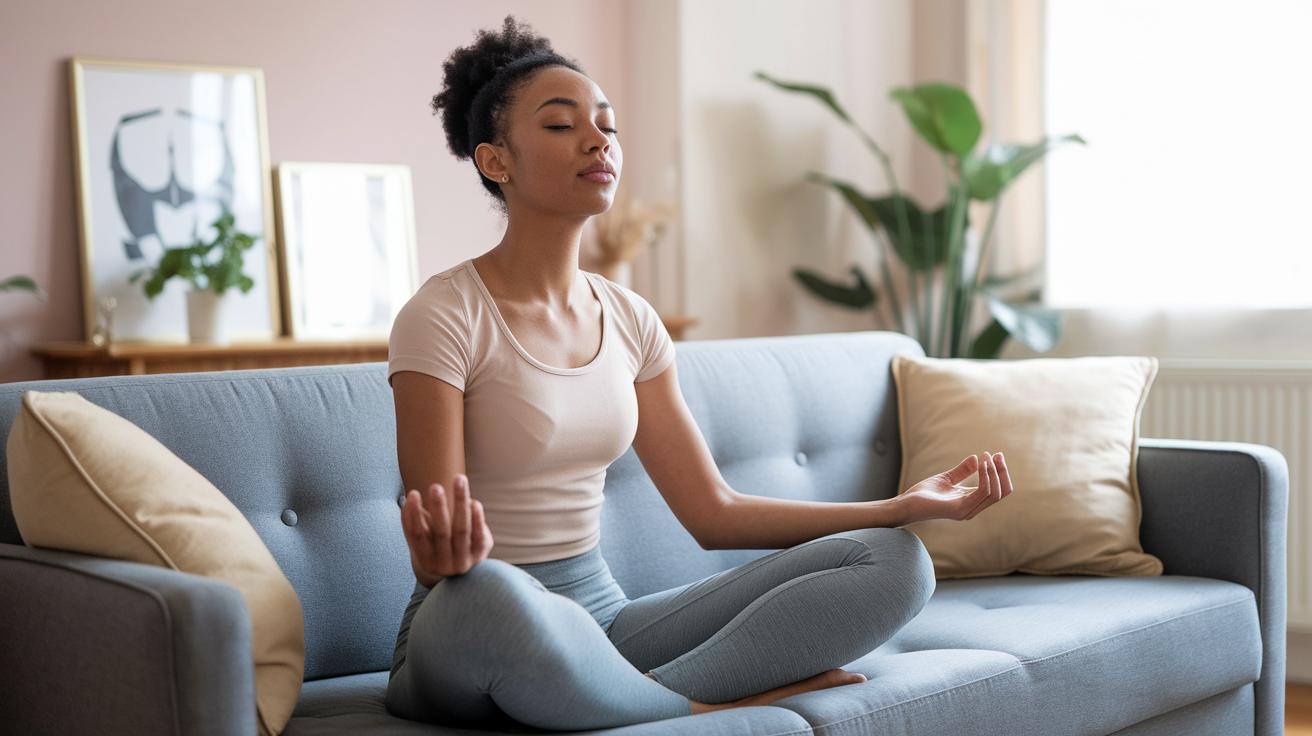
Quick take: Try deep breathing, mindful relaxation, and gentle pressure to ease your cramps. Triage Steps: Deep breathing and muscle relaxation can really ease period pain. Practice the 4-7-8 breathing method: slowly breathe in for 4 seconds, hold your breath for 7 seconds, and then breathe out for 8 seconds. While you do this, gently tighten and then relax different muscle groups. This simple routine helps lower tension and can reduce the stress hormones that make cramps worse. Repeat it several times when pain strikes. Mindfulness meditation is another great strategy. Spend 5 to 10 minutes a day sitting quietly while focusing on your breath. Imagine a peaceful scene (called guided imagery) to shift away from discomfort. With regular practice, you can create a calming routine that lowers stress during your period. Acupressure is an extra tool for relief. Try pressing on the SP6 point, found on the inner lower leg about four finger widths above the ankle. Apply steady pressure for 1 to 2 minutes on each leg. When combined with slow, deep breathing, this technique may lessen uterine spasms and reduce cramp intensity. Consider adding acupressure to your routine. Recognizing When to Seek Professional Help for Severe Period PainQuick take: If your period pain lasts more than 2 days or stops you from doing daily tasks, it’s time to see a doctor. If you have any of these emergency signs, call emergency services now:
Your pain might be more than just normal cramps. It could be linked to issues like endometriosis (where tissue similar to the inside of your uterus grows outside it), uterine fibroids (non-cancerous growths in the uterus), pelvic inflammatory disease (infection in the reproductive area), or ovarian cysts (fluid-filled sacs on the ovaries). Here’s what you should do:
Your doctor may check you with diagnostic imaging (pictures inside your body) or change your treatment. This might include prescription pain relievers or hormonal treatments. If needed, they may refer you to a gynecologist. It’s normal to try home care first, but if your pain stays the same or gets worse, getting professional help is important. Don’t ignore pain that stops you from sleeping or makes you feel very tired. Your health and comfort matter, act now to keep feeling better. Final WordsIn the action, you now have a clear guide with natural methods to ease period pain. We worked through easy home remedy period pain strategies like heat therapy, herbal teas, simple exercises, mindful nutrition, and stress reduction techniques. Each section gave you practical steps and tips to follow at home. Mix and match these methods as needed, and remember to turn to professional help if your pain doesn’t ease. Stay positive and take good care of yourself. FAQHow to stop period pain immediately at home and what helps period pain immediately?Combining heat therapy, gentle self-massage, and hydration provides fast relief. Applying a warm compress to your lower abdomen and sipping herbal tea can relax muscles and ease cramps quickly. How can teenagers use home remedies for period pain relief?Teenagers can ease cramps naturally using heat pads, herbal teas, gentle exercises, and an anti-inflammatory diet. These methods are safe but consult a trusted adult or clinician if pain worsens. How to stop period pain immediately with a drink?Preparing a warm herbal drink like ginger or chamomile tea helps calm uterine spasms immediately. Steep the ingredients as directed to maximize their soothing effects. What is a good period pain relief position?A comfortable position is lying on your back with a pillow under your knees or on your stomach to relieve pressure on your lower abdomen and help reduce cramp intensity. How to get rid of period cramps fast in bed?In bed, using a warm compress, gentle abdominal self-massage, and slow deep breaths can quickly ease cramps and relax your pelvic muscles for immediate relief. How can I stop period pain forever?While no home remedy offers a permanent solution, regular practices like heat therapy, balanced nutrition, gentle exercise, and proper medical advice can help manage and reduce pain over time. How to relieve period cramps fast?Fast relief comes from applying heat therapy, staying properly hydrated, doing light exercise, and drinking herbal teas. These methods work together to ease pain quickly. What period pain relief exercise works best?Gentle exercises such as walking or yoga poses like child’s pose and light stretching can improve blood flow and soothe cramps without causing additional strain. What can I drink for period pains at home?Herbal teas such as ginger, chamomile, and peppermint or a turmeric-infused warm drink can reduce inflammation and relax uterine muscles, offering fast and natural relief. Subscribe Today GET EXCLUSIVE FULL ACCESS TO PREMIUM CONTENT SUPPORT NONPROFIT JOURNALISM EXPERT ANALYSIS OF AND EMERGING TRENDS IN CHILD WELFARE AND JUVENILE JUSTICE TOPICAL VIDEO WEBINARS Get unlimited access to our EXCLUSIVE Content and our archive of subscriber stories. Latest article |