

Quick take: Emergency response training gives you the skills you need to act fast in a crisis.
If you see signs of a true emergency, call emergency services immediately.
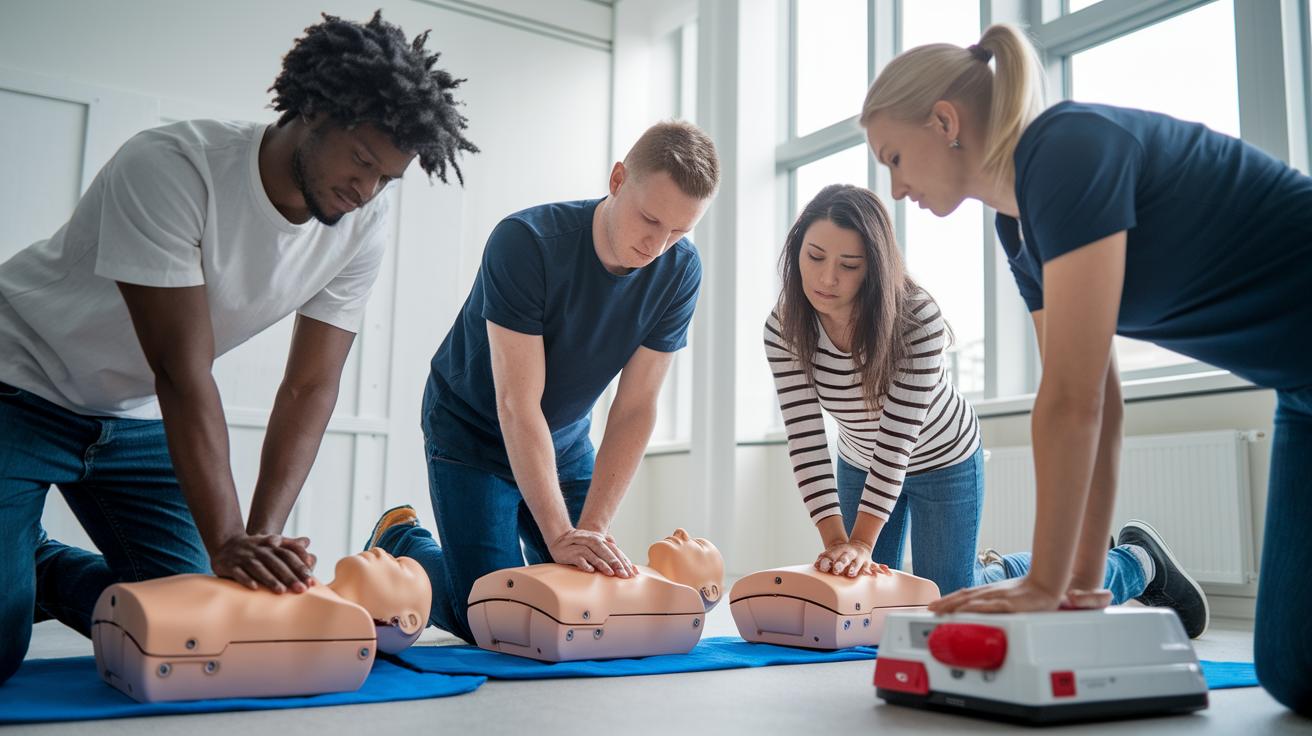
Emergency response training teaches you life-saving skills such as CPR (chest compressions that help when the heart stops), basic first aid, and controlling bleeding. With these courses, you learn hands-on techniques that help you act decisively when every second matters.
Remember, most trauma deaths happen in the first 24 hours. That is why learning these skills is so important. This training could be the difference between despair and hope, saving your life or the life of someone you care about.
Be ready. Practice these skills so you can step up when it counts.
Emergency Response Training: Empowering Confidence Today
Quick Take: Emergency response training gives you hands-on skills to act fast in a crisis.
Emergency response training helps you learn how to handle an emergency quickly and safely. These courses cover many topics, from crisis management to first aid techniques. The ACS Stop the Bleed program is taught in 168 countries. Since 80% of trauma deaths in the first 24 hours come from severe blood loss, having these skills can truly save lives.
You can earn core certifications like Wilderness First Aid, CPR/AED, Standard First Aid, and Health Care Provider training. These classes prepare you to safely intervene during accidents and injuries. You even get to practice using defibrillators and other life-saving tools during simulated crisis events.
Learn these three key methods to control bleeding:
- Direct pressure: Press firmly on the wound to slow the bleeding.
- Wound packing: Fill deep wounds with gauze to help control blood loss.
- Tourniquet use: Wrap a tourniquet around a limb to stop dangerous bleeding.
By mastering these techniques and earning your certifications, you gain the confidence to manage emergencies effectively. This training equips you with the essential skills to be the lifeline someone might desperately need.
Core Types of Emergency Response Training Courses
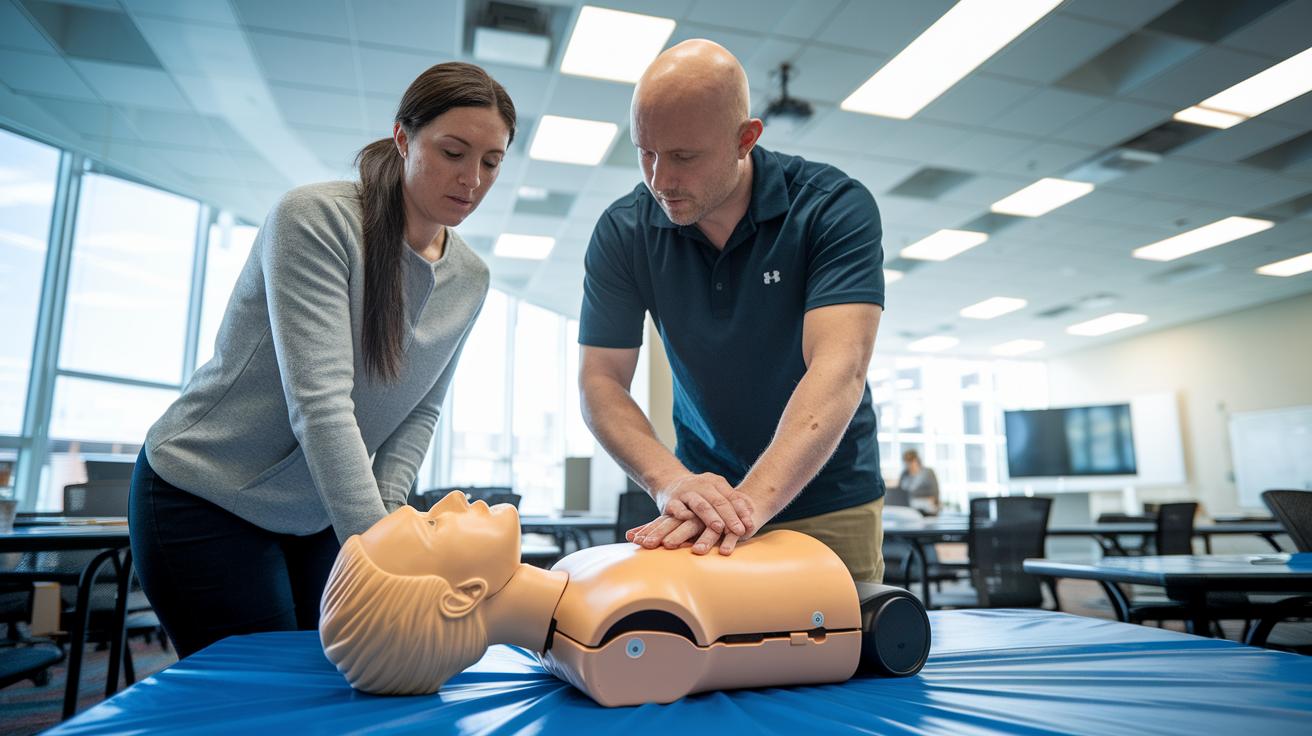
Emergency response training courses help you act fast during a crisis. These classes mix hands-on practice with clear, step-by-step guidance so you know what to do when lives are on the line. They use real scenarios and drills to teach you both basic and more advanced skills to manage injuries, accidents, and larger emergencies.
- CPR/AED certification sessions: Learn how to perform resuscitation (restarting a stopped heart) and use automated external defibrillators with real-time practice.
- First aid response drills: Practice easy emergency care steps to stabilize injuries until professional help arrives.
- AED operation workshops: Get hands-on training with defibrillators to build confidence in using them under pressure.
- Mass casualty workshops: Rehearse quick, coordinated responses for events involving many victims.
- Hazardous materials handling courses: Learn safe methods to manage chemical spills and decontamination.
- Emergency scene safety and management: Understand how to evaluate a scene and reduce risks during an incident.
- Active shooter and critical incident drills: Develop fast-response skills for violent or unexpected emergencies.
These courses combine clear instructions with practical drills to build your skills and confidence. Whether you are facing a single injury or a major incident, you will learn life-saving techniques that are simple yet effective. This training strengthens community safety by preparing every participant to meet urgent challenges head on.
Hands-On Curriculum & Scenario Simulation Exercises in Emergency Response Training
This training helps you build real emergency skills through active practice and live demonstrations. You will practice key techniques like applying a tourniquet (a wrap used to control heavy bleeding) under the guidance of Dr. Megan Quintana. The live demos and realistic exercises show you how to act fast and correctly when a crisis happens.
In these sessions, Emergency Aid Stations bring together the right tools and settings to mimic an on-scene emergency. You will face simulation challenges that feel like real mass casualty events or disasters. This practice helps you handle several tasks at once and boosts your confidence to make life-saving decisions quickly.
| Exercise Type | Duration | Learning Objective |
|---|---|---|
| Live Tourniquet Practice | 30 minutes | Learn to apply a tourniquet to stop heavy bleeding |
| Emergency Aid Station Drill | 45 minutes | Practice organizing and using life-saving tools |
| Mass Casualty Simulation | 60 minutes | Coordinate help for multiple victims during emergencies |
| Disaster Rescue Scenario | 90 minutes | Improve rapid decision-making under high stress |
These exercises recreate important aspects of emergency events in a safe setting. The curriculum builds on each step to sharpen your response skills. It puts emphasis on being alert and confident to move fast in a real crisis. With regular, hands-on practice, you learn how to operate during emergencies and build resilience that can truly save lives.
Accredited Instructors & Qualifications for Emergency Response Training
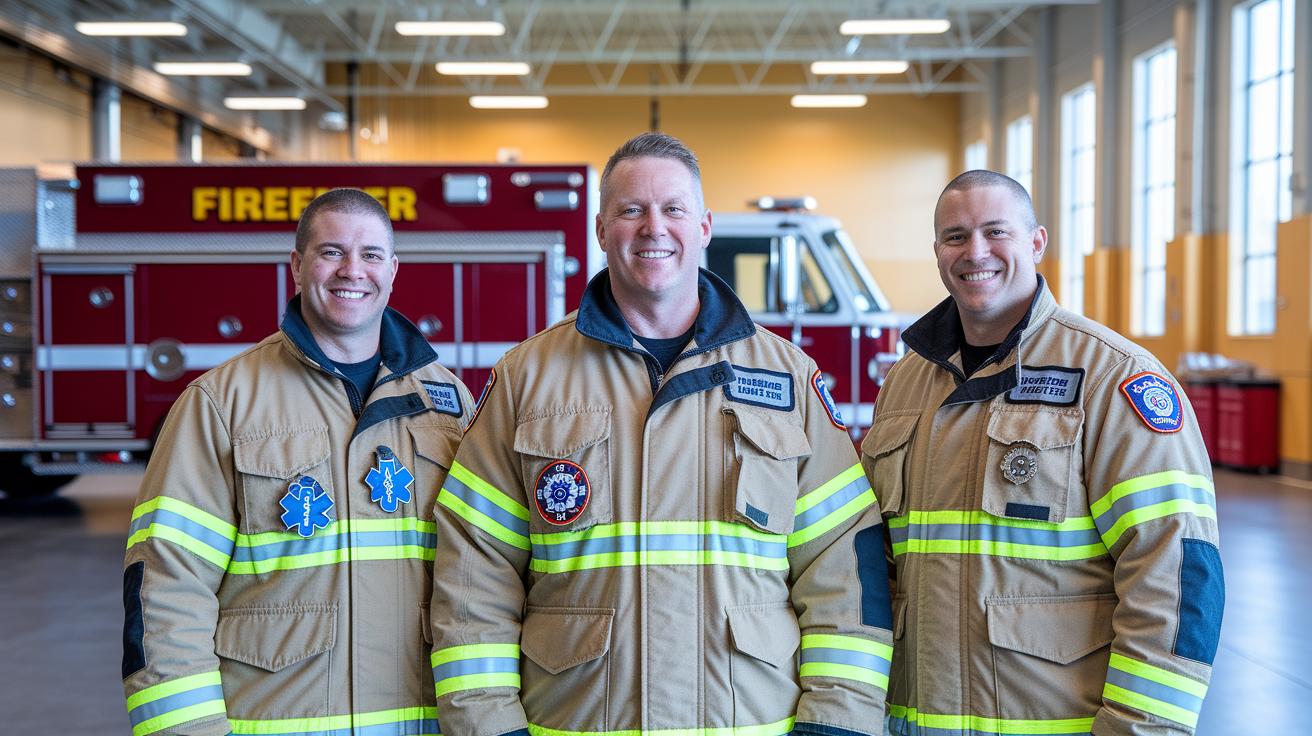
Our team includes instructors with trusted credentials like paramedic, firefighter, and public safety instructor licenses. Their training shows they understand safe emergency actions and how to teach skills such as incident command, public safety techniques, medical response, and disaster leadership. They are carefully chosen through a strict screening process to ensure you get quality education and real-life expertise.
Together, the team brings over 95 years of experience. They have spent more than 35 years in fire and EMS (emergency medical services) and over 60 years in outdoor rescue. This deep, hands-on know-how lets them share practical examples and best practices that can boost your confidence when quick action is needed.
Notable instructors include Saleena, a dedicated firefighter and paramedic with 10 years of experience in K9 and swift water rescue, and Dave, who has 24 years of fire service experience as a strike team leader. Their real-world knowledge and strong commitment to public safety help equip you with the skills to respond effectively during an emergency.
Emergency Response Training Durations, Scheduling & Certification Costs
Emergency response training courses are built to fit your busy life while helping you learn skills that save lives. Many of these classes, like Wilderness First Aid and CPR/AED certification, usually last 1 to 2 days with plenty of hands-on practice and clear, step-by-step guidance. The ACS Stop the Bleed program gives you a 2-year certification so you stay ready to control heavy bleeding when every second counts. Local classes in Frederick County and nearby areas are offered every month or when requested, which makes it easier to work them around your other plans. Most courses cost between $75 and $200, making them a good fit whether you are new to first aid or just need a refresher.
| Certification Type | Duration | Cost |
|---|---|---|
| Wilderness First Aid | 1 to 2 days | $75–$150 |
| CPR/AED Certification | 1 to 2 days | $75–$200 |
| ACS Stop the Bleed | 1 day / 2-year cert | $200 |
This smart course design helps you get a fast, thorough education in emergency response. By picking courses with flexible timing and fair prices, you build the skills you need to act quickly in a crisis. Keep a simple record of your training dates and recertification so you always feel confident and ready when an emergency comes your way.
Organizational Guidelines for Implementing Emergency Response Training

Quick take: Get your team ready and keep everyone safe with a clear, step-by-step emergency training plan.
When you need to boost safety at your site, start by setting up an emergency response training session. Local training teams can work with you in areas like Frederick, Washington, Montgomery, and Carroll counties. They can adjust training modules to fit your workplace or community needs. A direct conversation helps shape sessions that match your resources and goals. This means everyone, from small groups to large companies, has a way to be ready during a crisis.
Follow these simple steps:
- Identify the main safety challenges at your site and in your community.
- Arrange an initial meeting with a training team to review local outreach options.
- Customize the training to meet the specific safety needs of your industry.
- Create a schedule that fits your daily work hours and busy times.
- Run a trial training session and ask participants for their feedback.
- Adjust the program and set it up for regular updates and extra training if needed.
By following these steps, you can build a strong safety culture and prepare everyone for emergencies. Reach out to training experts directly to ensure each session meets your needs and fits with your schedule.
Real-Life Case Studies & First Responder Drills in Emergency Response Training
Real-world practice shows that quick, clear actions can save lives. Emergency training teaches you to act fast when every second counts. Hands-on drills help you learn proven steps that keep you calm, even in chaos.
For example:
- In Minnesota, a bystander used ACS tourniquet training (a way to stop heavy bleeding) to control a life-threatening injury.
- Vansh Patel applied proper bleeding control after a serious crash, which helped improve survival chances.
- Instructor-led K9 Search & Rescue drills found missing persons within hours.
These examples prove that regular training builds your skills and boosts your confidence. By practicing these techniques, you are better prepared to act swiftly and safely when emergencies hit.
Regulatory Compliance & Incident Command Frameworks in Emergency Response Training
Quick take: Our training programs follow strict safety rules so you can act confidently in an emergency.
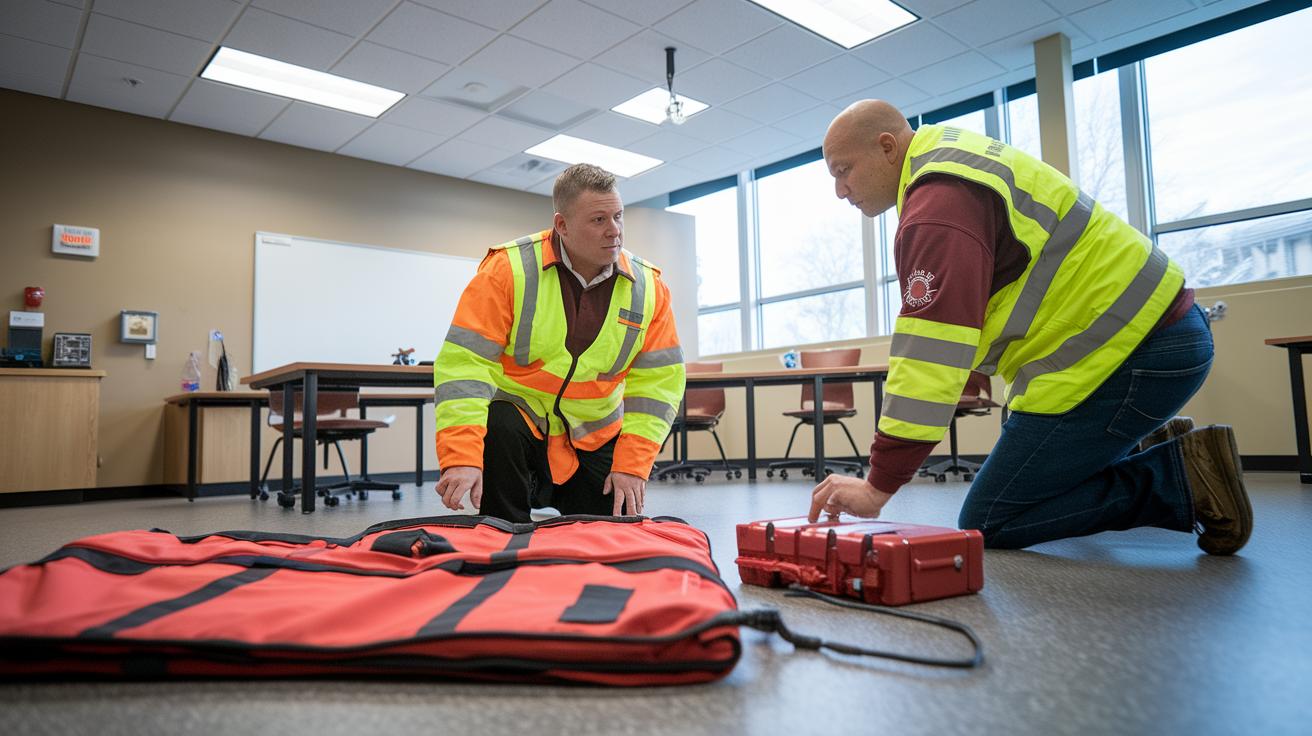
Emergency response training meets firm safety rules and licenses. The ACS Stop the Bleed program follows these rules to check that every skill meets safe standards. At Emergency Aid Stations, all key tools are gathered and tested according to industry safety rules. This team approach makes sure that every tool and method is reliable when you need them most.
Training in incident command uses clear systems such as ICS (Incident Command System, a method to manage incidents) and NIMS (National Incident Management System, a guide for managing events). These systems give responders step-by-step instructions to handle a crisis. Safety seminars review all the rules and plans, ensuring every responder is informed and ready to act right away.
Selecting the Right Emergency Response Training Provider for Your Team
When you’re picking a training provider, focus on what fits your team’s needs and schedule. Look for services that let you customize courses like Wilderness First Aid, Standard First Aid, and Babysitting safety classes. Many trusted providers bring over 35 years of rescue and EMS (emergency medical services) experience, so you learn from experts who have handled real situations. Courses such as CPR/AED, Health Care Provider training, and Wilderness For Kids show that they offer practical skills that can make all the difference.
Consider these points when choosing your provider:
- Check that the provider holds accredited credentials and has real field rescue experience.
- Confirm that the courses can be tailored to the specific emergency scenarios your team might face.
- Choose a provider that uses clear, hands-on training with real-world simulations.
- Look for flexible scheduling and appropriate class sizes for interactive learning.
- Read reviews or feedback from past participants to gauge their reputation.
Choosing a provider with these qualities builds a strong foundation for an effective emergency response. The right training partner boosts skills and builds trust so that your team is ready when every second counts.
Final Words
In the action, this guide has shown how emergency response training covers course types, real-life cases, simulation drills, and instructor credentials. It outlines what to do in a crisis and offers clear, actionable steps with practical checklists.
You now have a snapshot of emergency response training courses, certification details, and red-flag signs to watch for. Keep these steps close so you can respond swiftly and safely during a true emergency. Stay prepared and confident.