
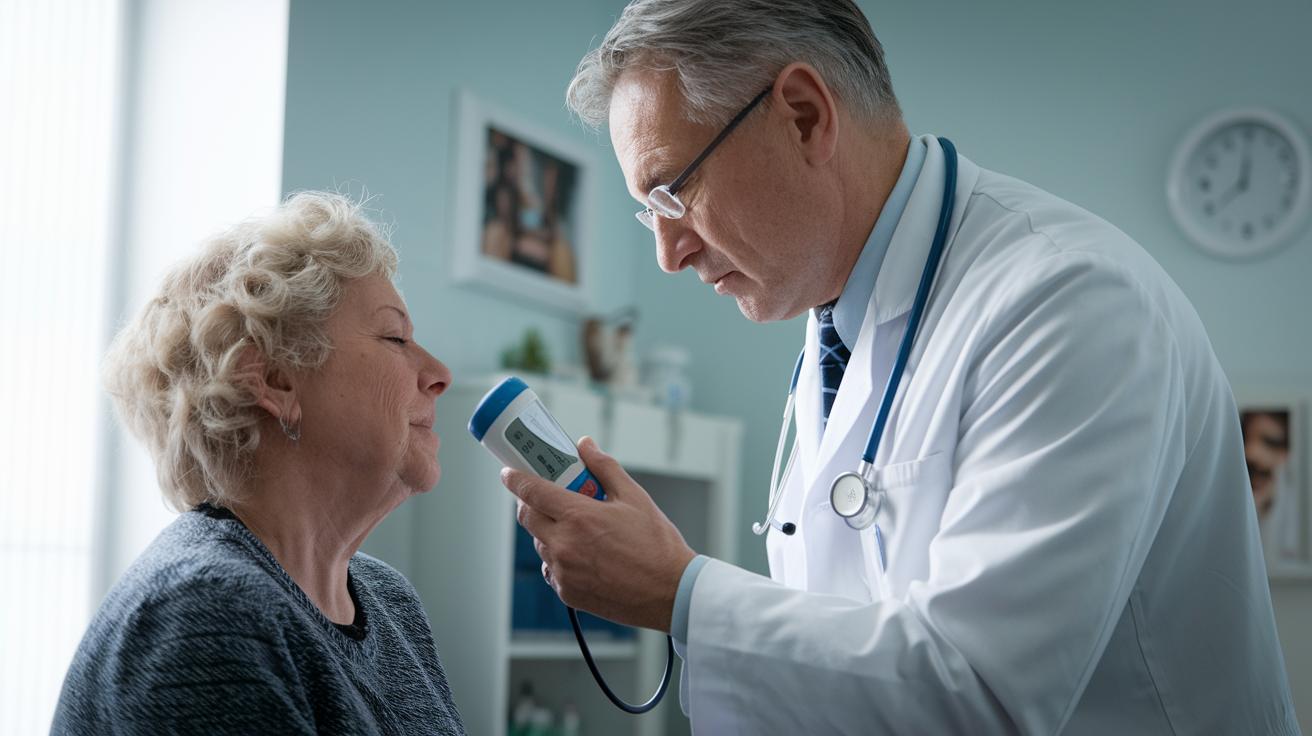

Quick take: You may be experiencing bronchospasm, which can suddenly tighten your chest and make it hard to breathe.
Triage:
• Emergency: If you have trouble breathing, feel dizzy or lightheaded, or see your lips turn blue, call emergency services now.
• Urgent: If your wheezing, coughing, or chest tightness gets worse soon, seek same-day medical care.
• Self-care: For mild symptoms, rest and monitor your breathing. Track any changes and share them with your doctor.
Bronchospasm happens when the muscles around your airways quickly tighten. This can cause a tight, squeezing feeling in your chest and may lead to wheezing (a high-pitched sound when you breathe out) and a stubborn cough. Recognizing these signs early can help you act fast and protect your breathing.
Recognizing Bronchospasm Symptoms
Quick take: Bronchospasm tightens your airway muscles, making it hard to breathe; act promptly if you notice these signs.
Triage:
• If you have severe shortness of breath, sudden chest pressure, or a coughing spell that won’t stop, call emergency services immediately.
• If mild wheezing or chest tightness occurs along with labored breathing, seek same-day medical care.
• Monitor your symptoms closely if they gradually start, and contact your clinician if they worsen.
Bronchospasm happens when the muscles lining your airways suddenly tighten. This tightening narrows your airways and makes breathing difficult. It often occurs in people with asthma, COPD (chronic obstructive pulmonary disease), lung infections, or allergies. Children and adults over 65 tend to have more sensitive airways, so watching for these symptoms is key.
A high-pitched wheeze when you breathe out is a common sign. You might also feel chest tightness, as if something heavy is pressing on your chest. Along with labored breathing, these signs show that your airways may be narrowing.
Shortness of breath can signal bronchospasm, especially when it comes with a persistent dry cough. If you notice these symptoms happening together, wheezing, tightness in your chest, and difficulty breathing, it is important to monitor your condition and seek help if they get worse.
Bronchospasm Symptom Breakdown
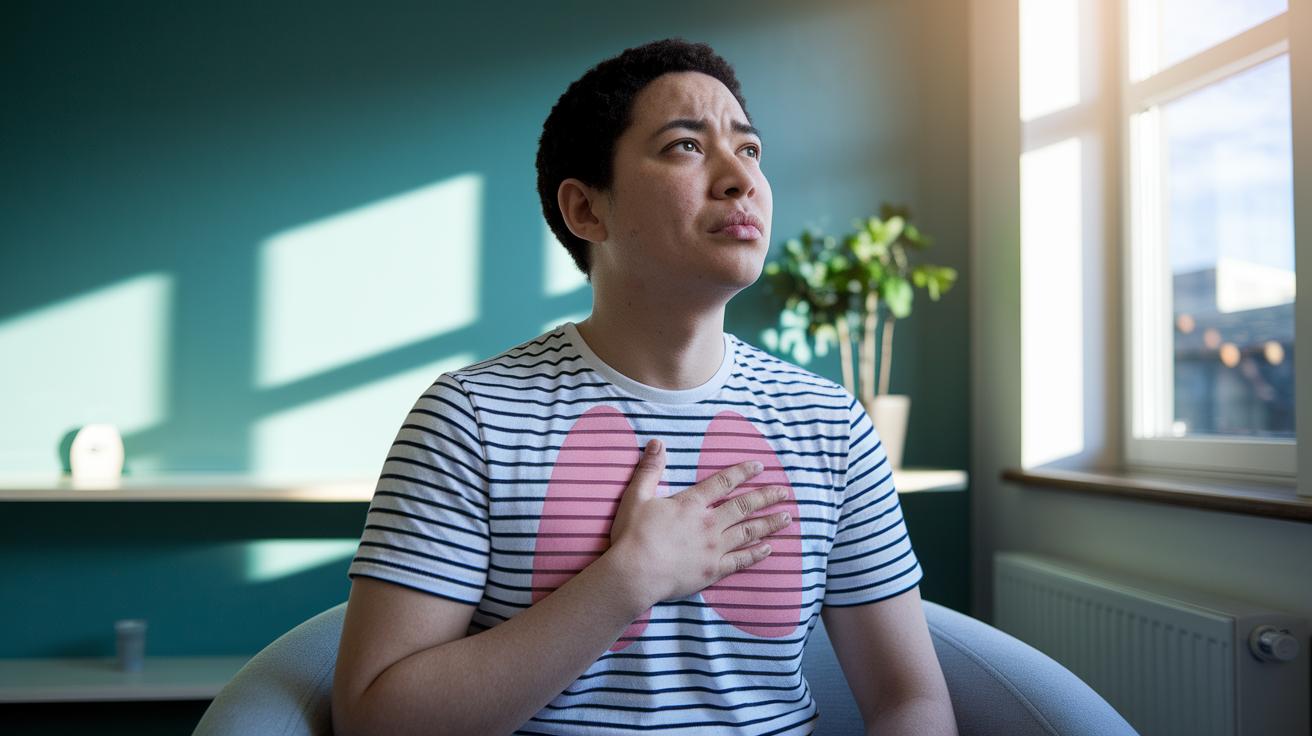
Quick take: Bronchospasm can cause a high whistling sound when you breathe out, a persistent cough, chest tightness, and lower airflow.
Triage Box:
Call emergency services now if:
- You have severe trouble breathing or feel like you might faint.
- Your lips or face turn blue.
Seek urgent help if: - Your chest feels very squeezed.
- Breathing becomes very hard.
For self-care: - Sit upright and try to stay calm.
- Monitor your breathing and note any changes.
- Follow advice from your healthcare provider.
One sign of bronchospasm is wheezing. This high, whistling sound occurs when your airways narrow suddenly. You might notice it when you breathe out during an asthma attack or other breathing problems.
A lasting cough can mean your airways are irritated. This cough comes from spasms in your bronchial tubes (the passages in your lungs) and shows that your airways are under stress. It might need treatment to prevent more irritation.
Another clue is sudden muscle spasms in your bronchial tubes. These spasms can tighten your airways and cause your chest to feel squeezed. This chest tightness is a signal that your airways are actively narrowing.
Tests like peak flow or spirometry help show if your airflow is reduced. A pulse oximeter (a device that measures blood oxygen) may even show a drop in oxygen levels. If you start to breathe with more effort, these signs can confirm that bronchospasm is present and indicate how severe it is.
bronchospasm symptom: Clear Facts and Causes
Quick take: Bronchospasm can be set off by allergies, infections, exercise, cold air, and stress. If you have very hard breathing, chest pain, blue lips or face, or trouble speaking, call emergency services now.
Allergies such as pollen and dust mites can make your airways react strongly. When you breathe them in, the muscles around your airways tighten, which narrows them and makes it hard to breathe. Viral infections, like bronchiolitis (a lung infection), can also cause swelling and spasms in your airways. This reaction is more noticeable in children and in people who already have breathing problems.
Sometimes, exercise can trigger bronchospasm. When you work out, your body needs more oxygen. For some, this extra demand can lead to wheezing and trouble breathing. Pollutants and smoke in the air can also irritate your airways, causing them to contract more than usual. Breathing in cold air adds extra stress to your lungs, which might lead to spasms too.
Emotional stress is another common trigger. High stress can make the muscles in your airways tighten, worsening breathing difficulties. Knowing what triggers your bronchospasm can help you take simple steps to manage it. For example, try to avoid allergens, take it easy with exercise in cold or polluted areas, and use relaxation techniques to manage stress. This deeper understanding gives you more control over your symptoms and helps you talk with your healthcare provider about the best ways to manage your condition.
Diagnosing Bronchospasm Symptoms

Quick take: If you have sudden breathing trouble, act now.
If you experience any of these signs, call emergency services immediately:
- Severe, labored breathing
- Blue lips or face
- Rapid worsening of symptoms
Then, if your symptoms are less severe, follow up with your doctor promptly. Write down when your breathing trouble started and note any changes or patterns in your breathing.
Your doctor will begin by asking about your medical history and the timeline of your breathing issues. They want to know when the symptoms began, how fast they developed, and if you feel your breathing becomes unusually hard during an episode.
A simple lung test called spirometry measures the air you can forcefully exhale in one breath (forced expiratory volume or FEV1) to check for narrowed airways. They might also use peak flow monitoring, which shows how fast your air exits your lungs, to see if your airways are tight.
Your doctor may also order a chest X-ray. This helps rule out other problems like pneumonia or a collapsed lung that can make breathing harder. In more serious cases, a blood test may be done to check your oxygen levels and see if carbon dioxide (CO₂) is building up in your blood. These tests together give a full picture of your lung health so your care can be based on accurate findings.
Reviewed by: [Name], Pulmonologist, Last reviewed: [Date].
Managing and Treating Bronchospasm Symptoms
Quick take: Fast, clear treatment is needed to help your breathing and stop complications.
Triage Box:
• If your lips or face turn blue, call emergency services now.
• If you feel like you cannot catch your breath or your rescue inhaler isn’t helping after a few minutes, seek urgent care.
• If you experience severe chest pain along with trouble breathing, get help immediately.
Acute Relief Options
When you have a bronchospasm attack, using your rescue inhaler with a fast-acting medicine is key. This type of inhaler contains a short-acting beta2-agonist (a drug that relaxes the muscles around your airways), which helps relieve chest tightness and makes breathing easier. When your breathing is really hard, oxygen may be added to keep your oxygen levels safe.
Your doctor might also suggest a short dose of steroids. These medications work by reducing swelling in your airways, giving extra relief during a tough episode. This plan is set up to bring you comfort quickly and help you breathe easier as soon as possible.
Preventive Management Strategies
After you’ve managed an acute attack, long-term care is just as important. Maintenance inhalers that include corticosteroids are often part of the plan. They control airway swelling over time and lower your chances of more attacks. Simple changes at home – like avoiding smoke and known triggers and planning your exercise carefully – can really help keep episodes at bay.
Regular check-ups, whether in person or via telehealth, let your clinician adjust medications when needed. Keeping a record of your symptoms can also guide your care. With ongoing monitoring and clear communication with your healthcare provider, you can manage your breathing better and reduce future episodes.
When Bronchospasm Symptoms Require Immediate Attention

Sudden changes in your breathing can mean a serious lung problem is happening. Check for these warning signs:
- You struggle for breath even when resting.
- You can’t finish a full sentence because you’re too out of breath.
- You’re breathing more than 30 times in a minute.
- Your lips or nails turn blue, showing low oxygen.
- You feel confused or unusually drowsy.
- A pulse oximeter shows less than 90% oxygen.
- Breathing feels very hard and strained.
If you notice any of these signs, call emergency services immediately or go to the nearest emergency room.
Final Words
In the action, this guide explained what a bronchospasm symptom looks like, including wheezing, chest tightness, and labored breathing.
It broke down triggers like allergens, exercise, and stress and reviewed how diagnostic tests confirm airway narrowing.
You learned about relief options and preventive steps along with clear warning signs that call for emergency care.
Keep these tips in mind so you can act safely and confidently when facing bronchospasm symptoms.
Stay safe and positive.
FAQ
Bronchospasm treatment
The bronchospasm treatment involves using rescue inhalers, such as short-acting beta agonists, to relax airway muscles, along with oxygen therapy if required, under professional guidance.
Can bronchospasm cause death?
The bronchospasm can lead to life-threatening complications if severe and untreated, particularly in individuals with underlying lung conditions or when respiratory distress becomes critical.
Bronchospasm symptoms in kids
The bronchospasm symptoms in kids include wheezing, cough, chest tightness, and rapid breathing, which may signal an underlying condition like asthma and need prompt medical evaluation.
Bronchospasm vs asthma
The bronchospasm vs asthma discussion shows bronchospasm as sudden airway muscle tightening, while asthma is a chronic condition with recurring airway inflammation; both trigger similar breathing difficulties.
Is bronchospasm dangerous?
The bronchospasm is dangerous when it leads to severe breathing restrictions and low oxygen levels, particularly in vulnerable groups or when combined with other respiratory problems.
Bronchospasm treatment at home
The bronchospasm treatment at home often includes using a prescribed inhaler, staying away from known triggers, and calmly managing symptoms, but always consult a clinician for proper care.
Bronchospasm symptoms Mayo Clinic
The bronchospasm symptoms noted by Mayo Clinic consist of a high-pitched wheeze, chest tightness, shortness of breath, and cough, all indicating a narrowing of the airways that requires evaluation.
Bronchospasm cough
The bronchospasm cough is a persistent, dry cough that occurs due to airway irritation from muscle spasms and usually accompanies wheezing and breathing difficulty.
What are the signs and symptoms of bronchospasm?
The signs and symptoms of bronchospasm include wheezing, chest tightness, shortness of breath, and a persistent cough, reflecting the sudden tightening of the airway muscles.
How do you get rid of bronchospasm naturally?
The bronchospasm natural relief methods may include breathing exercises, warm fluids, and avoiding triggers, though these should complement prescribed treatments and not replace professional advice.
How long do bronchospasms usually last?
The bronchospasms typically last from a few minutes to several hours, varying with the severity, trigger, and response to treatment, requiring careful monitoring and timely intervention.
What causes bronchospasm in toddlers?
The bronchospasm in toddlers is often caused by viral infections, allergens, cold air, or environmental irritants that trigger sudden airway muscle tightening, necessitating cautious management and evaluation.