


Quick Take: A sudden, irritated face is common and can come from new products, allergies, or the weather.
If you notice these emergency signs, call emergency services now:
• Severe swelling of the face or eyes
• Trouble breathing or swallowing
• Intense pain with rapidly spreading redness
If your irritation worsens quickly, seek same‑day medical care. For milder symptoms, note any new skincare changes or allergens and try simple self‑care at home.
Common causes include trying a new face cream, experiencing an allergic reaction, or being exposed to harsh weather conditions. To help ease the discomfort:
- Stop using any new products.
- Wash your face gently with cool water.
- Apply a clean, cool compress for relief.
Track your symptoms by writing down when they started, how severe they feel (mild, moderate, or severe), and any products you used recently. If the irritation does not improve in a few days or gets worse, contact your healthcare provider.
Remember: It’s normal to feel uneasy when your face reacts this way. Taking these clear steps can help you feel more in control and know when to seek further help.
Finding Relief for Skin Irritation on Face: Causes, Signs, and When to Consult
Quick take: Facial irritation can come from allergies, irritants, or an autoimmune issue. Check for signs that need urgent care.
If you have any of these emergency signs, call emergency services now:
- Severe pain
- Blistering
- Fever
- Irritation lasting more than 1 week
Common causes include allergies, harsh products, or the skin reacting to stress. For example, you might notice irritation after trying a new cleanser, similar to how one person experienced burning and dry patches after switching soap.
Key signs to look for include:
- Red skin
- Itching
- A burning feeling
- Dry, flaky patches
- Raised bumps or blisters
- Swelling on the face
What you can do now:
- Stop using any new or harsh products.
- Use gentle, fragrance-free cleansers.
- Note any recent changes in your skincare routine or environment.
- Write down the signs you see and when they happened.
Keep a simple diary that shows the date, what you used on your face, and the changes you noticed. This information can help your healthcare provider find the exact cause of your irritation and decide on the best treatment. If your symptoms do not improve or if they worsen, please talk to a dermatologist.
Common Triggers and Underlying Causes of Skin Irritation on Face

Quick take: Your facial irritation can have many causes. If you notice widespread, painful, or rapidly spreading symptoms, seek care right away.
If you have any of these emergency signs, call emergency services now:
• Intense pain or swelling
• Large blisters or signs of infection
• Rapid spreading of the rash
Your face may react to everyday triggers. Eczema often starts in childhood and shows as a red, flaky rash with bumps or blisters. Allergic contact dermatitis happens when your skin reacts to things like nickel, fragrances, or preservatives. Regular use of harsh soaps, detergents, bleach, and perfumes can lead to irritant contact dermatitis, making your skin feel burning or stinging.
Other common causes include seborrhoeic dermatitis, which creates red, oily, flaky patches on your face, ears, and scalp. Rosacea may cause persistent redness in the center of your face, with visible blood vessels and sometimes pus-filled bumps. Psoriasis leads to raised, scaly patches because your skin cells multiply too quickly.
Below is a quick-reference table comparing these conditions:
| Condition | Common Triggers | Key Sign |
|---|---|---|
| Eczema | Family factors, stress, weather shifts | Red, flaky rash with bumps or blisters |
| Allergic Contact Dermatitis | Nickel, fragrances, preservatives | Localized redness and swelling |
| Irritant Contact Dermatitis | Soaps, detergents, bleach, perfumes | Burning or stinging skin |
| Seborrhoeic Dermatitis | Oil imbalance, yeast overgrowth | Greasy, flaky, itchy patches |
| Rosacea | Hot drinks, spicy foods, stress | Persistent central redness with visible vessels |
| Psoriasis | Stress, infection, genetics | Raised, scaly patches |
Knowing what triggers your skin irritation helps you decide if you can manage it at home or need to see a doctor. If you notice severe changes, increased pain, or spreading symptoms, contact a healthcare professional promptly.
Natural and Home Remedies to Soothe an Irritated Face
Quick take: These simple remedies can calm your irritated skin, but if you notice severe pain, fast swelling, fever, or pus, seek medical help right away.
If you have any of these emergency signs, call emergency services now:
- Severe pain that gets worse quickly
- Rapid or intense swelling
- Fever or pus present on the skin
For a milder irritation, you can try these home care steps:
• Use aloe vera gel. Apply a small amount (about a pea-size) to sensitive spots on your face two times a day. Aloe vera has a cooling effect that can ease redness and swelling.
• Try cucumber slices. Place cool cucumber slices on your cheeks for about 10 minutes. The coolness helps lessen swelling, much like a cool compress on a hot day.
• Use chamomile tea as a compress. Steep a chamomile tea bag in hot water, let it cool, and then place it gently on the irritated area. Chamomile contains natural soothing ingredients that can reduce redness.
• Wash your face with lukewarm water and a gentle cleanser. Lukewarm water cleans without taking away your skin’s natural oils, which protect your skin.
• Stay hydrated. Aim for at least eight glasses of water daily. You might also try a hydrating sheet mask to add moisture and soothe dryness from the outside in.
Using these steps regularly can help reduce irritation and support your skin’s natural healing process. Always keep an eye on your symptoms and reach out to a clinician if you feel your condition is worsening.
Dermatologist-Approved Skincare Routine for Sensitive Facial Skin
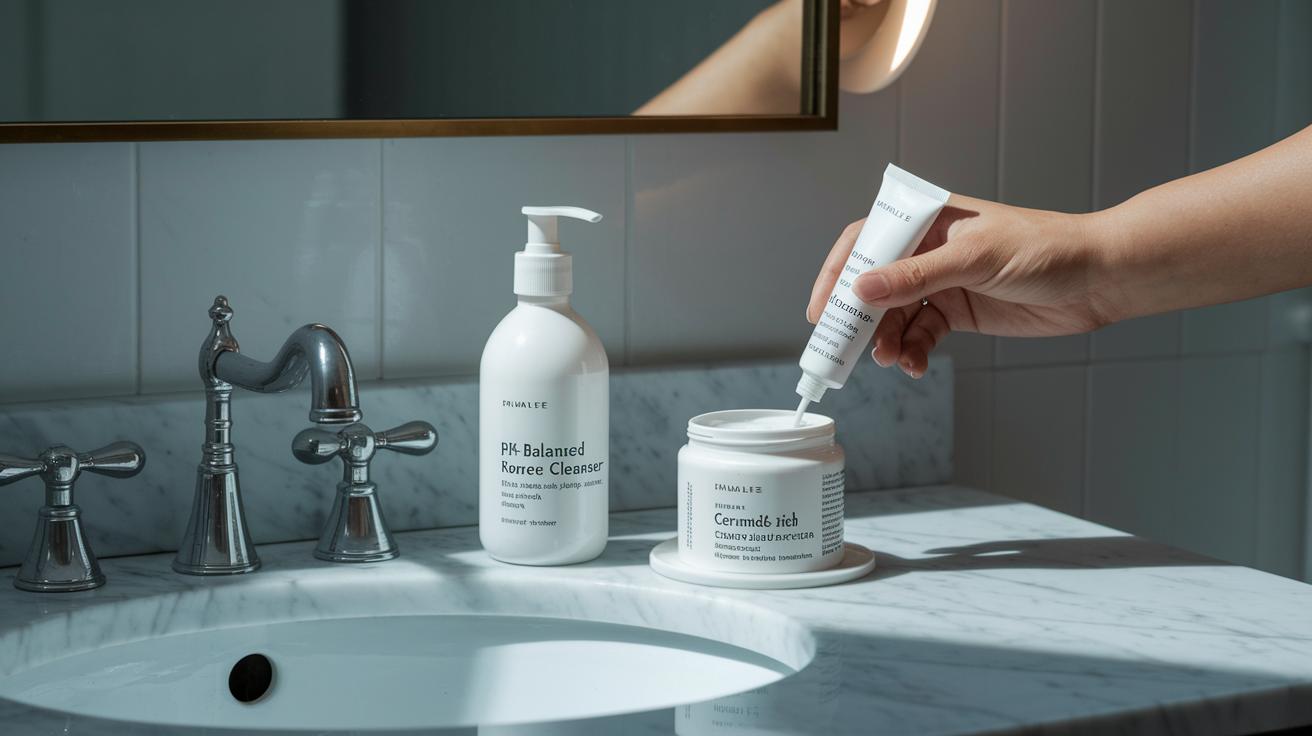
Quick take: Use simple, gentle steps to soothe sensitive skin and prevent irritation.
If you notice severe redness or swelling, contact your doctor right away.
-
Use a gentle, pH-balanced cleanser that is free of sulfates. This type of cleanser washes away dirt without stripping your skin’s natural oils. Think of it as a soft mist that leaves your face feeling refreshed.
-
Next, apply a moisturizer or barrier repair gel that is rich in ceramides and free from fragrance. This helps rebuild your skin’s protective layer while locking in moisture.
-
Then, use a face cream with niacinamide (a form of vitamin B3 that calms skin) or panthenol (a soothing ingredient). This light cream absorbs quickly to ease irritation and reduce redness.
-
Finish by applying a broad-spectrum mineral sunscreen that uses zinc oxide or titanium dioxide. Sunscreen shields your skin from harmful environmental triggers.
-
Always patch-test new products on a small area of skin first. This simple step helps you avoid unexpected reactions before applying them to your whole face.
This routine combines gentle cleansing, smart hydration, and solid protection so you can care for your face with confidence and ease.
Professional and Advanced Treatments for Persistent Facial Irritation
Quick take: If home care is not soothing your skin, professional treatments might bring the relief you need.
Triage Box:
• If you notice signs of infection such as fever, rapid swelling, or severe pain, call emergency services right away.
• If your symptoms get worse quickly, seek same-day care from your doctor.
• Otherwise, keep track of your irritation and follow self-care steps until you see a specialist.
When simple home remedies stop working, you may need to try treatments available in a clinic. Your doctor can prescribe topical steroids or calcineurin inhibitors (medicines that calm the skin) to reduce inflammation and ease dermatitis that does not respond to everyday treatments.
Sometimes, over-the-counter solutions can help too. Look for anti-redness serums with palmitoyl tripeptide-8 to reduce visible redness and soothe your skin. Also, bio-regenerative serums like CellDerma GF5 can help repair your skin and calm inflammation, boosting the skin barrier.
Other advanced options include vascular laser therapy. This treatment targets small, abnormal blood vessels that can appear with rosacea. And if certain skin spots do not improve with medicine, your doctor might suggest a minor procedure to remove them.
• Try prescription topical steroids or calcineurin inhibitors with professional guidance.
• Use OTC anti-redness serums with palmitoyl tripeptide-8 to ease irritation.
• Explore vascular laser therapy if you have rosacea-related blood vessel issues.
• Consider bio-regenerative serums like CellDerma GF5 to boost skin repair.
Talk with a dermatologist to decide which treatment is best for you.
Prevention Tactics and Daily Habits to Protect the Facial Skin Barrier
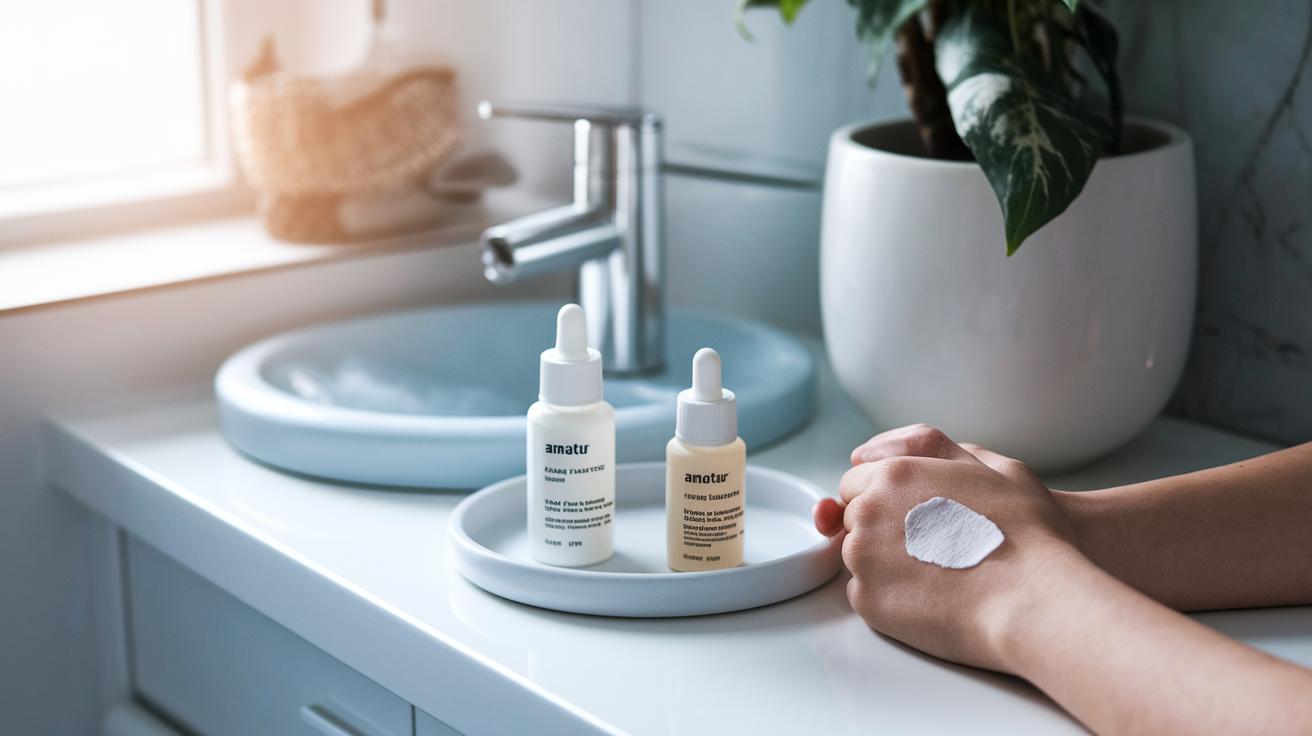
Quick take: Keeping your skin calm and healthy can be as simple as using fewer products, testing new ones on a small spot first, and taking basic daily steps to protect your skin.
If you notice redness, itchiness, or burning after using a new product, stop it immediately and call your clinician for advice.
Your daily routine can do wonders for your skin by reducing the chance for flare-ups. Here are some easy steps:
- Use a small number of skin products to limit irritants.
- Always patch test new items on a tiny spot before using them on your face.
- Avoid products with fragrance, alcohol, or strong acids.
- Put on a broad-spectrum sunscreen (one that blocks UV rays) every day.
- Keep indoor humidity around 40-60% to help your skin stay moist.
- At night, use a barrier repair gel to boost your skin’s natural defense.
- Eat foods rich in omega-3, like fish and walnuts, to support healthy skin from the inside.
- Take time for deep breathing or brief breaks to manage stress.
- Keep a thermal water spray handy for quick soothing when needed.
By sticking with these habits, you help your skin build a strong barrier and lower the risk of future issues.
Final Words
In the action, we broke down common causes, noticeable signs, and practical solutions for skin irritation on face. We reviewed easy home remedies, a gentle skincare routine approved by dermatologists, and when to seek professional help. We also offered daily tips to prevent future flare-ups and keep your skin barrier strong.
Stay alert to red flags, track your symptoms, and use these steps to feel more empowered while caring for your skin irritation on face. Your path to clear skin starts with these actionable steps.
FAQ
What does rosacea indicate?
Rosacea indicates a common condition marked by persistent facial redness, visible blood vessels, and occasional bumps that can flare with triggers.
How do I reduce and cure facial redness quickly, including overnight treatment?
Reducing facial redness quickly involves cooling compresses and gentle cleansers, while overnight care means removing triggers and using soothing, anti-redness products.
What do pictures of skin rashes and skin allergy types show?
Pictures of skin rashes display red, bumpy, scaly, or swollen patches and can help you recognize allergic reactions or irritant responses in different skin allergy types.
What causes a sudden facial rash or sudden redness in adults?
A sudden facial rash or redness in adults can be caused by exposure to irritants, allergens, or conditions like contact dermatitis, and may require prompt care if severe.
What does contact dermatitis on the face look like, and how do I treat it?
Contact dermatitis on the face appears as inflamed red areas, often with bumps or blisters, and treatment involves avoiding triggers, using a mild cleanser, and applying soothing moisturizers.
How do I get rid of irritated skin on my face?
Getting rid of irritated facial skin means using gentle cleansers, cool compresses, and hydrating products while avoiding harsh chemicals that worsen irritation.
What does facial skin irritation look like?
Facial skin irritation typically presents as red patches, flaking, bumps, itching, burning sensations, and sometimes swelling that signal the need for gentle care.
Are rashes common during pregnancy?
Rashes during pregnancy can occur due to hormonal changes or increased skin sensitivity, and it is wise to consult your healthcare provider for safe treatment options.
How do I treat contact dermatitis in kids?
Treating contact dermatitis in kids requires removing the irritant, using a gentle cleanser, applying a fragrance-free moisturizer, and seeking pediatric advice if symptoms persist.