
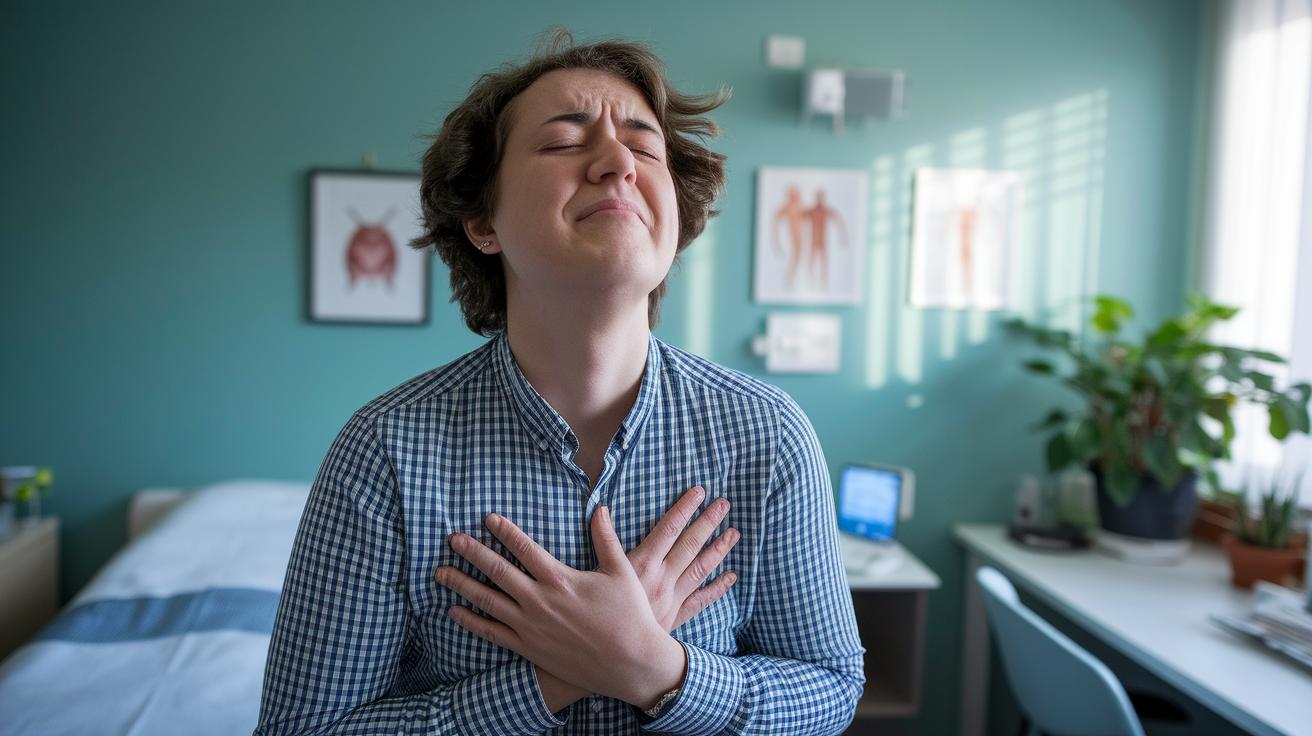

Quick take: Sudden chest tightness can be serious, act now if you have red flags.
If you have any of these emergency signs, call emergency services now:
• Pain spreading from your chest to your arm or neck
• Dizziness or feeling lightheaded
• Trouble breathing or shortness of breath
This heavy pressure on your chest can be a sign of a heart or lung issue. It may feel sudden and make you uneasy. Quick steps can protect your heart and stop complications.
Here’s what to do:
- If you notice any of the red flags above, call emergency services immediately.
- If the tightness is mild, write down what you feel, when it started, and anything that makes it better or worse.
- Rest and monitor your symptoms closely. If they change or worsen, seek medical care right away.
Remember, acting fast is important. Your health matters above all.
Immediate Steps for Chest Tightness Treatment
If you suddenly feel severe chest tightness that seems like a heavy weight on your chest, act immediately. The pain may feel sharp, burning, or dull and can spread to your jaw, back, neck, shoulders, or arms. These signs can point to a heart problem, so taking prompt action is key.
Call emergency services right away if you notice any of these red flags:
- Pain that spreads (for example, to your jaw, back, or arms)
- Sweating or nausea
- Sudden, intense pain
While you wait for help, sit upright and rest. If your doctor has prescribed sublingual nitroglycerin (a fast-acting heart medication), use it exactly as directed. Avoid any physical effort and keep a close eye on your symptoms.
Following these steps can be life-saving. Act quickly to lower the risk of serious complications, and don’t hesitate to seek help if your pain worsens or new symptoms appear.
chest tightness treatment: Fast Relief Today

Quick take: Chest tightness can be a sign of a heart problem or other issues. Check these red flags and act quickly if needed.
If you have any of these emergency signs, call emergency services now:
- Severe chest pressure or pain
- Pain spreading to your arm, neck, or jaw
- Shortness of breath or difficulty breathing
- Dizziness or fainting
If your symptoms feel worse with activity or you have a history of heart problems, seek same-day medical help.
For milder symptoms, monitor your condition and note any changes. Write down the time, what you feel, and any other symptoms. Share these details with your doctor.
Chest tightness can come from several causes. It might be due to heart issues such as angina (chest pain from reduced blood flow) or a heart attack. When this happens, the pain often feels like pressure and may come with discomfort that spreads to other parts of your body, especially during physical effort.
Sometimes, chest tightness is not heart related. It can result from muscle strain or acid reflux (when stomach acid rises). Knowing the difference is key because the treatments change based on the cause.
Your doctor will start with a physical exam. They may order an electrocardiogram (ECG, a test that records your heart’s electrical signals) to check how your heart works. Other tests like stress tests, blood work, or imaging scans can help decide if the cause is heart related or not. These tests are important in making a treatment plan that fits your needs.
If your chest tightness is linked to heart issues, treatment may include nitroglycerin (a medicine that opens blood vessels) and blood-thinning medications to lower the risk of clots. Sometimes, you may need to be in the hospital so that your condition can be watched closely and treated fast if it gets worse.
If the tightness comes from non-heart causes like acid reflux or muscle strain, relief might be as simple as taking antacids or anti-inflammatory medicines. In these cases, your doctor might also suggest a visit to a lung or heart specialist for more answers.
Always talk with a doctor for advice about your symptoms. This information is not a substitute for personalized medical advice.
Home Remedies and Natural Therapies for Chest Tightness Treatment
Quick Take: Try these simple home remedies to ease mild chest tightness safely.
If you have any of these emergency signs, call emergency services now:
- Severe chest pain that spreads to your arm or jaw.
- Shortness of breath or trouble breathing.
- Fainting or sudden dizziness.
Urgent: If your chest discomfort gets worse or lasts more than 30 minutes, seek medical care.
Watch and self-manage: Use these steps for mild symptoms and monitor your progress.
Belly breathing can help relax your chest. Sit comfortably and take a slow, deep breath through your nose for a count of 5 while letting your belly expand (this is known as diaphragmatic or belly breathing). Then breathe out slowly through your mouth for the same count. Do this for 5 minutes, three times daily to ease upper torso strain and reduce stress.
Ginger tea offers a gentle, natural remedy. Use 1 to 2 teaspoons of fresh ginger steeped in hot water for 10 minutes. Enjoy a cup in the morning and another in the afternoon to take advantage of its anti-inflammatory benefits, which may help lower mild chest discomfort.
Guided meditation is another way to ease tension. Find a quiet spot and spend 10 minutes closing your eyes. Focus on loosening each muscle group slowly, and picture calm waves washing over your chest and upper body. This simple practice can help release built-up tension.
Good posture is key, too. Sit with your back straight and do stretches that open up your chest. Remember to drink plenty of water all day. Keeping a good posture can ease strain on your upper body. If your symptoms continue or worsen, it’s important to seek professional evaluation to rule out any serious issues.
Managing Anxiety-Related Chest Tightness Treatment
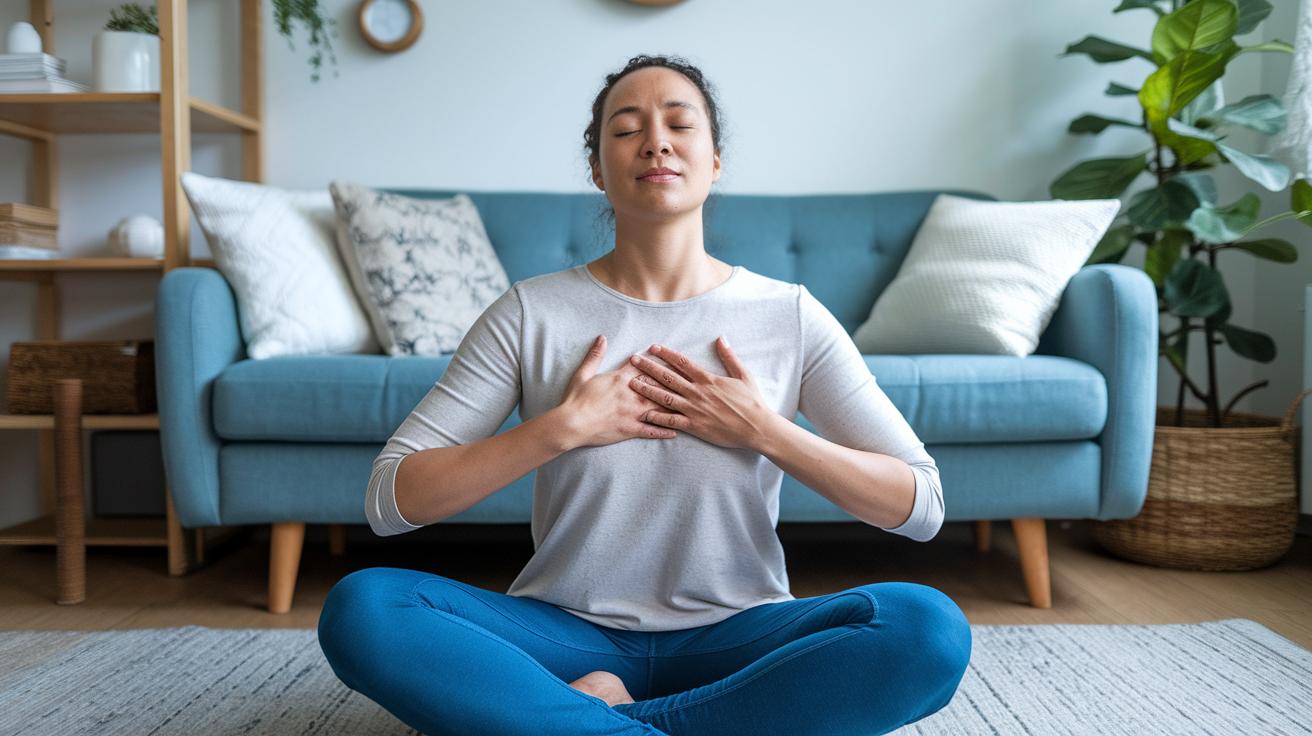
When stress or panic hits, you may notice a heavy, tight feeling in your chest even though your heart is fine. This chest tightness is your body’s way of reacting to big emotions. It is a common sign of anxiety and can ease with the right steps.
Try a quick breathing method to help calm your body. Breathe in slowly for 4 seconds, hold for 7 seconds, and then breathe out completely for 8 seconds. You can also try relaxing your muscles. Focus on 5 body parts, your head, shoulders, chest, stomach, and legs. Tense each part for a few seconds, then let go. This can help ease the overall pressure.
It is also smart to notice what makes you feel anxious. See if work problems or big life changes may be a trigger. Simple steps like writing down your thoughts or taking a short walk can help lower the stress that builds up during the day.
If you find that these episodes happen a lot or interfere with your daily life, consider talking to a mental health professional. They can offer more tools and support so you feel in control of your anxiety.
Differentiating Chest Tightness Causes and Symptoms
Quick Take: Chest tightness may come from heart issues, lung problems, or muscle strains. Check for serious signs right away.
If you have any of these emergency signs, call emergency services now:
- Heavy pressure that spreads to your arm, jaw, or back.
- Sharp pain that worsens with activity.
- Unexplained sweating or nausea.
- Shortness of breath that doesn’t ease.
Heart issues often cause a squeezing pressure during physical effort. The pain might spread to nearby areas and come with sweating or nausea when you push hard. Lung problems, on the other hand, usually show up with coughing or wheezing and tend to get better with rest or breathing treatments. These differences can help you decide whether your chest tightness is heart-related or lung-related.
Sometimes, chest tightness is due to muscle or bone pain. This type of pain is usually felt in one spot, gets worse when you move or press on it, and might feel like tender ribs or a strained muscle.
If your signs overlap, like having trouble breathing along with radiating pain, it’s best to talk with your primary care provider. They may run tests to rule out heart issues and decide if your chest tightness is from another source.
Final Words
In the action, this article reviewed quick steps for chest tightness treatment. It laid out immediate actions to take if symptoms appear, followed by guidance on professional medical care, at-home remedies, and stress management tips. You learned how to check for red flags, safely use nitroglycerin, and monitor symptoms to help you decide if emergency care is needed. Remember, tracking your signs and staying calm can make all the difference. Stay positive and focused on your well-being.
FAQ
How to relieve chest tightness anxiety
Relieving chest tightness anxiety involves using slow, deep breathing and relaxation techniques. These methods calm your body and mind, easing the tightness while reducing the anxious feeling.
Chest tightness no other symptoms
When chest tightness occurs without additional symptoms, it might be linked to stress or mild muscle strain. Monitor your condition, try gentle breathing and relaxation, and contact a clinician if it worsens.
How to relieve chest tightness and shortness of breath
Relieving chest tightness and shortness of breath includes using slow, deep breathing techniques and resting in a comfortable, upright position. If the symptoms worsen or include red flags, call for medical help.
Best medicine for chest pain
The best medicine for chest pain depends on its cause. For heart-related pain, nitroglycerin is often prescribed, while non-cardiac pain may be managed with over-the-counter antacids or anti-inflammatory medications under a doctor’s advice.
Chest pain killer tablet name
A common chest pain killer tablet name is nitroglycerin, used for heart-related chest pain. Always use medications as prescribed by your doctor to ensure proper and safe treatment.
How to cure chest pain
Curing chest pain depends on its underlying cause. While rest, deep breathing, and over-the-counter pain relievers may help mild cases, persistent or severe pain needs immediate medical evaluation.
Female pain in middle of chest
Female pain in the middle of the chest can result from conditions like acid reflux, muscle strain, or heart issues. Recognize any red-flag symptoms and seek immediate medical advice when needed.
What to do to relieve chest pain at home
To relieve chest pain at home, rest and use deep breathing exercises or a warm compress. Always monitor your symptoms closely and consult a healthcare provider if pain continues or worsens.
What causes chest pain in a woman?
The causes of chest pain in a woman can include heart-related issues, acid reflux, muscle strain, or anxiety. It is important to watch for additional symptoms and consult a doctor for an accurate diagnosis.
What’s a good home remedy for chest pain?
A good home remedy for chest pain involves deep breathing exercises, applying a warm compress, and drinking ginger tea. If pain intensifies or persists, it’s essential to reach out to a healthcare professional.
How to sleep with chest pain?
Sleeping with chest pain can be eased by adjusting your sleeping position with added pillows to elevate your upper body and practicing gentle stretching before bed. Persistent discomfort should be discussed with your doctor.
How to relieve chest pain due to cold weather?
Relieving chest pain due to cold weather involves warming up gradually, wearing layers to maintain heat, and using warm compresses. Deep breathing and staying indoors may also help reduce discomfort.