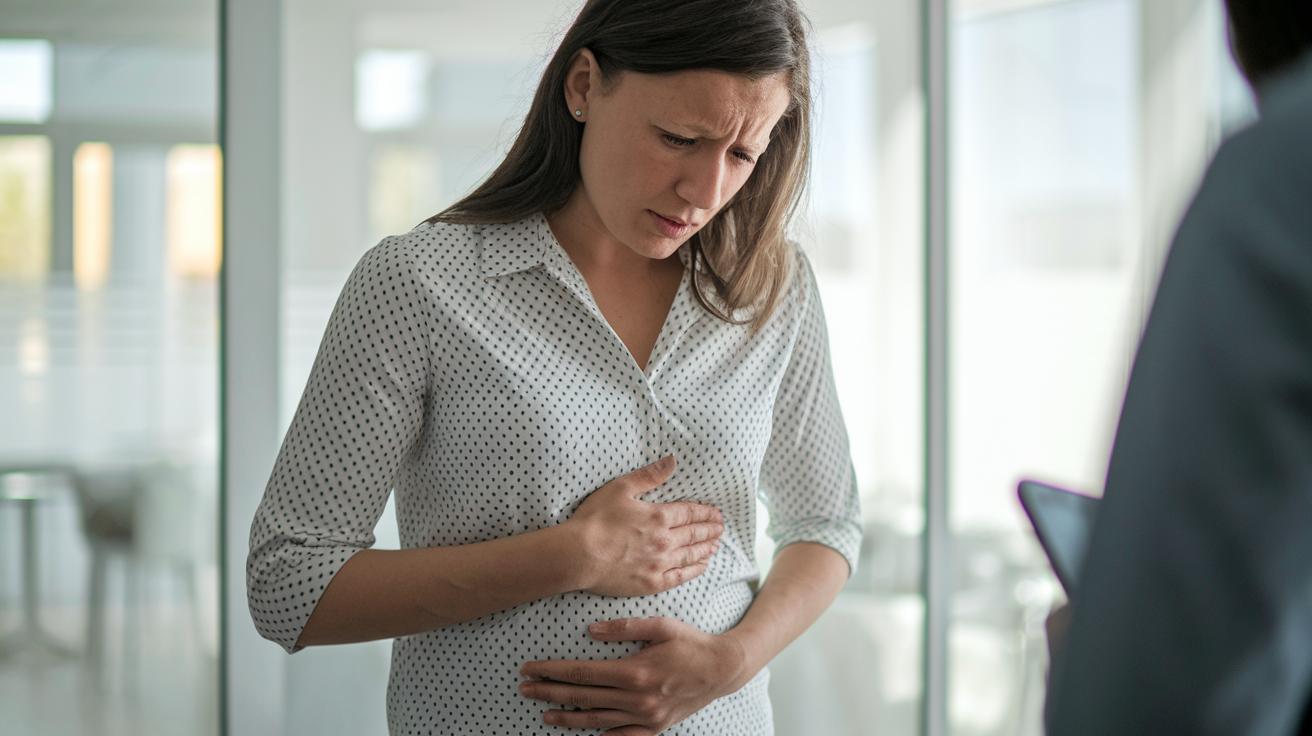
Quick take: Abdominal cramps and diarrhea can stem from a simple bug or a more serious issue.
If you have any of these emergency signs, call emergency services now:
• Severe sharp pain
• Bloody diarrhea
• High fever (102 F or above)
• Signs of dehydration (dizziness, faintness, very dry mouth)
Sometimes your belly cramping and sudden diarrhea can be very scary. These symptoms might occur with a minor infection or could signal something more serious. In this post, we explain common causes and share easy, step-by-step tips to help you feel better quickly. You’ll learn when it’s time to seek care and how to manage your symptoms safely at home so you can get back on track.
Understanding belly pain and diarrhea symptoms
Quick take: Belly pain and diarrhea can arise from a mild bug or food poisoning, but severe symptoms need urgent attention.
Triage Box:
• Call emergency services now if you have bloody stools, a high fever (above 102°F), severe dehydration (feeling dizzy or faint), or intense, unrelenting pain.
• Seek same-day care if your symptoms worsen or if you develop a very high fever.
• Otherwise, stay at home, rest, and keep well-hydrated while you monitor your symptoms.
Diarrhea means you are having frequent, loose, watery stools. In mild cases, the symptoms can clear up in about 24 hours. You may notice that your poop changes from its usual form to watery or even frothy. This shift shows your body is quickly trying to flush out something that is upsetting your stomach, like a mild infection or another trigger.
Belly pain often feels like cramping or a sharp, stabbing discomfort near your belly button. You might also feel nausea or a low fever along with this pain. Picture a dull ache or a sudden twist in your midsection after eating. The pain may last just a few minutes before easing. This kind of pain might be normal cramping from a viral bug, or it could point to more serious causes like food poisoning.
How long your symptoms last can help you figure out what might be causing them. A mild stomach bug (viral gastroenteritis) usually comes with cramps, watery stools, and a low fever that lasts 3 to 7 days. On the other hand, food poisoning often starts suddenly, with sharper and more intense pain. If your diarrhea comes with very strong pain, it might be a sign of foodborne toxins, which means you should take extra care while your body recovers.
Common causes of belly pain and diarrhea

Quick take: Belly pain and diarrhea can come from viruses, food poisoning, ongoing gut conditions, or reactions to food and medicines. Knowing the cause helps you get the right care.
If you have any of these emergency signs, call emergency services now:
- Very sharp or worsening pain
- High fever over 102°F
- Bloody diarrhea
- Signs of dehydration (dizziness, fainting, extreme thirst)
- Inability to keep fluids down
Belly pain and diarrhea can start for many reasons. Sometimes a virus (germ that makes you sick) or bacteria (tiny germs) can trigger these symptoms. You might also react to food toxins (poisons from contaminated food) or even to certain medications.
One common cause is viral gastroenteritis, known as stomach flu. This virus causes cramps, watery stools, and a low fever over 3–7 days. It spreads fast and can leave you feeling weak and dehydrated. Rest and plenty of water can help you recover.
Another frequent cause is food poisoning from bacteria like E. coli or Salmonella. After eating contaminated food, you may get severe cramps and diarrhea. These infections may need antibiotics (medicines to kill bacteria) and prompt care if symptoms get worse.
Some people have long-term issues such as irritable bowel syndrome (IBS) or inflammatory bowel disease. These conditions lead to recurring cramps, diarrhea, and sometimes other problems like bloating or weight loss. Managing these often means changing your diet and follow-up with your doctor.
Sometimes, your symptoms may be due to food intolerances or side effects from medications like antibiotics or antacids. For example, if you are lactose intolerant (trouble digesting milk) or sensitive to gluten, you might develop pain and diarrhea. Adjusting your diet and talking with your clinician can help.
Accurate diagnosis is key because each cause needs a different approach. A healthcare professional can review your symptoms and guide you to the best treatment plan.
| Cause | Common Symptoms | Notes |
|---|---|---|
| Viral gastroenteritis (stomach flu) | Cramps, watery stools, low fever | Typically lasts 3–7 days; rest and hydration are key |
| Food poisoning (E. coli, Salmonella) | Severe cramps, diarrhea | Starts quickly after eating contaminated food; may need antibiotics |
Chronic gut issues
Warning signs in belly pain and diarrhea requiring medical attentionQuick take: If you notice any of these warning signs, act now by calling emergency services or seeking same-day care. Red flags:
Signs of severe dehydration Indicators of appendicitis Red flags for inflammatory bowel disease At-home remedies for belly pain and diarrhea relief
Quick take: Home remedies can ease discomfort and help your body recover. If you notice signs like severe belly pain, blood in stools, or dizziness (a sign of dehydration), call emergency services now.
Keep track of your food, fluid intake, belly pain, and changes in your stool. If your symptoms continue for several days or get worse, get advice from a healthcare provider. Preventive lifestyle adjustments for belly pain and diarrheaTry eating and living in ways that protect your gut. First, make sure your food is safe. Always cook meats until they reach the right temperature, and throw away any food that is spoiled or past its date. Wash your hands well before and after handling food. A good, balanced diet full of fiber, vitamins, and probiotics (good bacteria for your gut) can keep your stomach strong. Add fruits, vegetables, and yogurt to your meals and avoid foods that seem to bother your stomach, like those high in fat or with many artificial additives. It also helps to keep stress in check and drink enough fluids. When you get stressed, your belly pain can get worse and diarrhea might start. Try deep breathing, meditation, or a quick walk to calm your mind. Stick to a regular routine for meals and drinking water. This consistency helps your body work well. Drinking water, herbal teas, or diluted juice can soothe your gut and ease discomfort if symptoms come back. Mixing good eating habits with ways to manage stress gives you a strong plan to prevent belly pain and diarrhea. Final WordsIn the action, we've mapped out key signs, likely causes, emergency red flags, home remedies, and lifestyle changes to manage belly pain and diarrhea. Every tip is designed to help you decide quickly whether you need urgent care or can safely monitor symptoms at home. A clear checklist and simple steps make it easier to record changes and share vital details with your clinician. Stay focused, follow the guidance, and keep track of your symptoms. Positive progress is built on informed, safe decisions. FAQHow to relieve stomach pain and diarrhea?The remedy for stomach pain and diarrhea involves using over-the-counter anti-diarrheals, following a gentle diet (like bananas, rice, applesauce, toast), staying hydrated with clear fluids, and resting to ease discomfort. What should I do if I wake up with stomach pain and diarrhea, especially early in the morning?Waking up with stomach pain and diarrhea means your body might be under stress. Start with hydration, a light diet, and rest. If the problem continues or worsens, consult a healthcare professional. How do I manage stomach pain that comes in waves along with diarrhea?When stomach pain occurs in waves with diarrhea, gentle remedies such as sipping water, trying rice water, and using probiotics may help ease the cramps. Monitor your pain and seek guidance if needed. What can cause lower abdominal pain with diarrhea?Lower abdominal pain with diarrhea often signals an upset in your intestines. This may be due to infections, food poisoning, or conditions like irritable bowel syndrome, which require attention if symptoms persist. What does upper middle stomach pain after eating with diarrhea mean?Upper middle stomach pain after eating with diarrhea can indicate food intolerance, mild inflammation, or a reaction to a viral infection. Paying attention to foods and tracking symptoms can help guide proper care. How long do stomach cramps and diarrhea usually last?The duration of stomach cramps and diarrhea can vary from a day to a week, often depending on whether it’s due to a mild infection or food poisoning. If symptoms persist longer, consult a clinician. Why am I experiencing diarrhea and stomach pain?Experiencing diarrhea and stomach pain may result from infections, foodborne toxins, intolerances, or medication side effects. Observing recent food choices and hydration levels can help, but speaking with your clinician is best for accurate diagnosis. What helps when I keep having stomach cramps and pain?Stomach cramps and pain may be alleviated by staying hydrated, resting, following a bland diet, and considering over-the-counter remedies like anti-diarrheals. Tracking your symptoms will help determine if medical attention is necessary. Subscribe Today GET EXCLUSIVE FULL ACCESS TO PREMIUM CONTENT SUPPORT NONPROFIT JOURNALISM EXPERT ANALYSIS OF AND EMERGING TRENDS IN CHILD WELFARE AND JUVENILE JUSTICE TOPICAL VIDEO WEBINARS Get unlimited access to our EXCLUSIVE Content and our archive of subscriber stories. Latest article |