


Quick Take: Abdominal bloating often comes from gas, but sometimes it can signal a gut problem.
Triage Box:
• Red flags: If you have severe pain, fever, or persistent vomiting, call emergency services now.
• Urgent: If your bloating comes with constant pain or blood in your stool, seek same-day medical care.
• Self-care: For mild bloating, keep an eye on your symptoms and try simple remedies at home.
Have you ever noticed your stomach swelling like a balloon after a meal? Bloating feels uncomfortable and may simply mean there is extra gas. But it can also be a clue that your gut needs attention. In this guide, we explain what bloating is, when it is normal, and when you might need to talk to your healthcare provider. We want to give you clear, practical advice so you can better understand your body and decide on your next steps.
Abdominal bloating definition: A Fresh, Simple Look
Bloating is when your belly feels full, tight, or swollen, especially after eating. It’s not just about feeling overly full, it can also make your stomach look bigger. Think of it like a balloon. One balloon might feel firm while another looks clearly inflated. Many people say, "After my meal, my stomach felt like it was bursting," to describe that uncomfortable feeling.
Bloating happens in about 10% to 30% of people and in more than 90% of those with IBS (a gut condition). It is common in those with IBS-C, where constipation is frequent. Women report this discomfort more often, even after accounting for menstrual issues. Knowing this can help you see what might be normal and when you should consult a healthcare provider for a closer look.
Abdominal Bloating Versus Distension: Clarifying the Difference

Quick take: Bloating is a tight, full feeling in your stomach, while distension means your belly looks visibly larger.
Triage Box:
- Call emergency services if you have severe pain, fever, or notice blood in your stool.
- Seek same-day medical care if your discomfort worsens or you feel unusually weak.
- For mild or occasional symptoms, try diet changes, over-the-counter remedies, and keep an eye on how you feel.
Bloating means your stomach feels full or tight, as if extra air is trapped inside. Even if you feel this way, your belly might not show any changes on the outside. Distension, however, means that your abdomen has actually expanded and can be measured.
About half of the people who feel bloated do not have a visibly larger belly. This is important because each condition can have different causes. Bloating often comes from gas buildup or a sensitive digestive system. Distension might be a sign of other gut issues that cause your abdomen to swell.
Understanding the difference can help guide how you treat your symptoms. If you only feel bloated without any visible swelling, it may be linked to what you eat or a temporary gas issue. But if your belly looks larger than usual, it could mean there’s an underlying digestive problem that might need a closer look by your doctor.
Recognizing Symptoms and Red Flags of Abdominal Bloating
Quick take: Bloating feels like a heavy, tight belly that sometimes causes discomfort after you eat.
If you have any of these emergency signs, call emergency services now:
- Bloody stools
- A high fever (over 102°F)
- Intense, unrelenting pain with continuous vomiting
Bloating usually shows up as a full, heavy feeling in your belly. You might feel pressure or tightness, and your stomach can look swollen after meals. It often comes with mild pain, cramping, or a sense that gas is pushing inside your intestines. This is normal from time to time. It helps to keep track of when these symptoms happen and what might trigger them.
However, if your symptoms get much worse, it could be a sign of something more serious. If you notice blood in your stool, a high fever, or very strong pain along with ongoing vomiting, you need to act now and seek medical help. Tracking your symptoms, like noting the time, what you ate, and how severe the pain was, can be useful when you talk with your doctor.
For more information, please review our red flag checklist for severe abdominal pain at the link provided.
Common Causes and Triggers of Abdominal Bloating
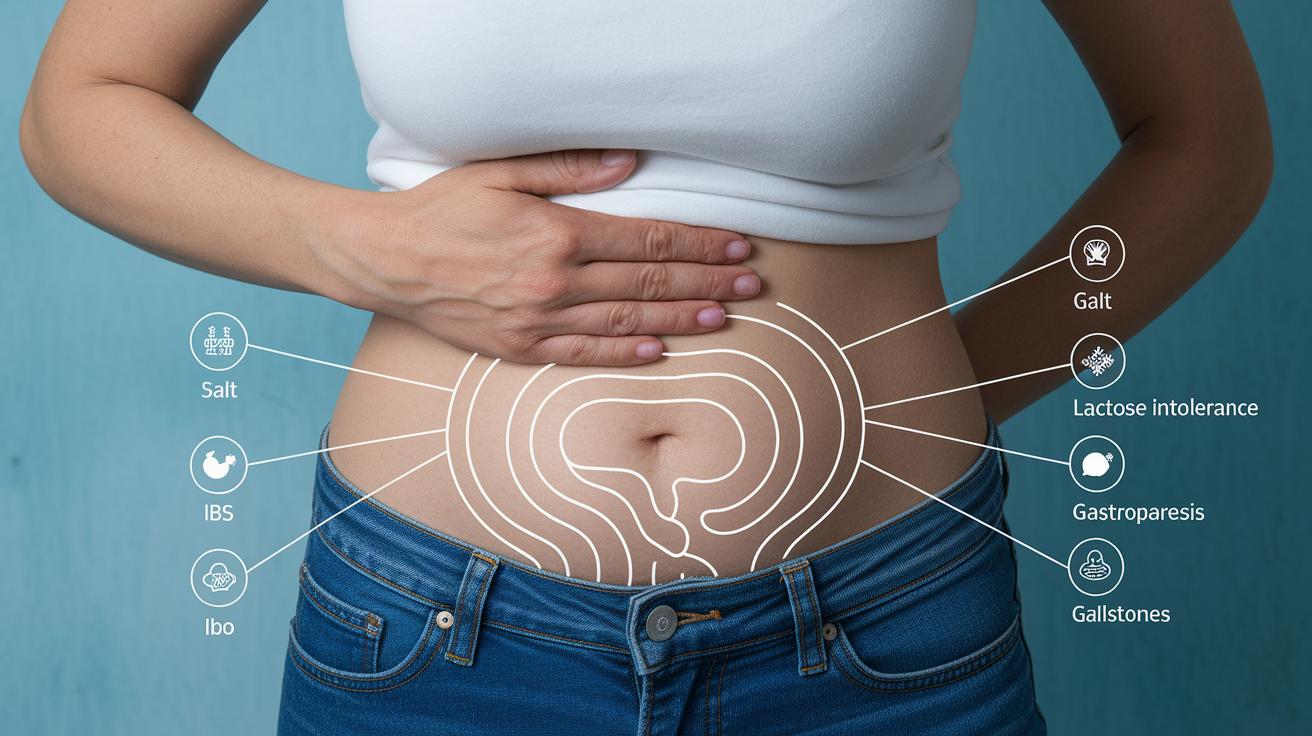
Bloating happens when gas or fluids build up in your belly. This can be due to several factors that often work together.
• Gas build-up in your stomach or intestines
• Fluid retention caused by hormones or too much salt
• Conditions like IBS (irritable bowel syndrome) and IBD (inflammatory bowel disease) that slow down digestion
• SIBO (small intestinal bacterial overgrowth), where extra bacteria cause gas
• Intolerances to lactose or gluten, or celiac disease
• Gastroparesis, which means your stomach empties slowly
• Menstrual or other gynecological issues
• Gallstones or gallbladder problems
These causes can mix together and make it hard to pinpoint one exact reason. Gas build-up is very common and may occur when your body struggles to move gas out or when food ferments in your gut. Fluid retention can come with normal hormone changes or eating too much salt. Digestive issues like IBS, IBD, and SIBO slow the passage of food and gas, adding to discomfort. Food intolerances add another layer of irritation. Gastroparesis makes you feel full for longer, and gallbladder issues can look a lot like bloating. Recognizing these patterns can help guide you on when to seek advice from a professional.
Home-Based Remedies and Rapid Relief Techniques for Bloating
Bloating can feel really uncomfortable and makes your belly feel tight from trapped gas. These simple home remedies can help ease that discomfort fast so you can feel better without rushing to see a doctor.
If you notice your stomach is starting to feel swollen or tense, try these easy steps:
- Sip a cup of peppermint or ginger tea.
- Drink plain water slowly throughout the day.
- Take a short walk after meals.
- Do gentle yoga stretches, such as the child’s pose or a twist.
- Place a warm heating pad on your belly.
- Massage your stomach with gentle, circular motions.
- Use over-the-counter products like antacids, Beano, or Lactaid.
- Practice deep-breathing exercises.
A warm tea not only calms your stomach but also boosts normal digestion. Light movement, like a walk or simple yoga, helps move gas along and relieves pressure. A gentle massage or warm pad can relax your muscles, giving trapped air a way out. Over-the-counter options work by neutralizing stomach acid or breaking down sugars that cause gas. Deep-breathing exercises further help relax your body and ease that tight feeling.
These remedies usually work well if your bloating is mild or comes on slowly. However, if you have frequent or very painful bloating, it’s best to talk to your healthcare provider.
Dietary Strategies to Prevent and Reduce Abdominal Bloating
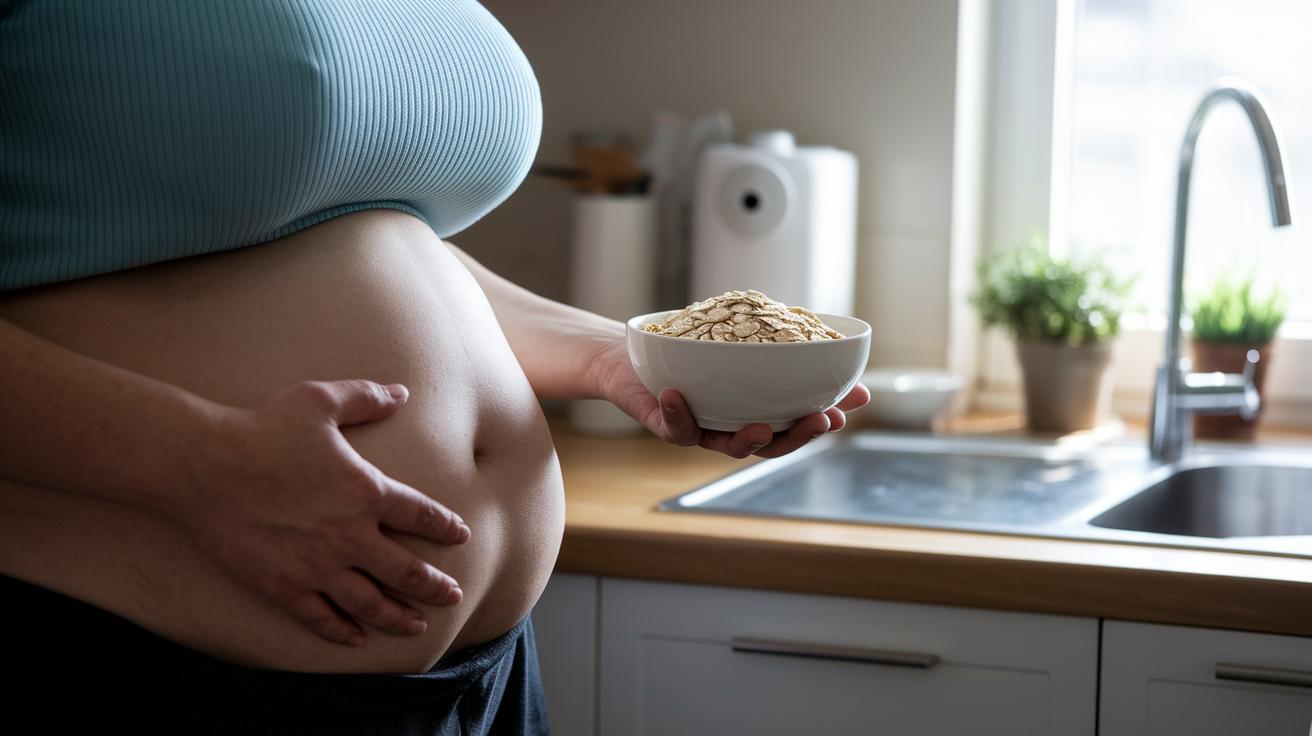
Quick take: Adjusting your diet can help ease a bloated stomach.
If you have severe pain, fever, or blood in your stool, call emergency services right away.
A low-FODMAP diet cuts out certain sugars that are hard to digest and create gas. When you avoid these sugars, your stomach may feel lighter and less swollen. One person even said changing their diet made a big difference with their bloating.
Slowly add more soluble fiber to your meals to help move food along without extra gas. Try foods like oats, bananas, and carrots. Add fiber gradually so your body can adjust without discomfort.
You might also consider probiotic supplements. Probiotics add good bacteria that can balance your gut and reduce gas. Fermented foods like yogurt or kefir work too and offer a tasty boost to your digestive health.
For those who struggle with lactose intolerance or gluten sensitivity, cutting back on dairy and wheat may lessen belly pressure and swelling. Finally, drink plenty of water. Staying well-hydrated supports smooth digestion and can help keep bloating at bay.
These simple dietary steps can provide lasting relief from abdominal bloating.
When to Seek Medical Evaluation for Persistent Bloating
Quick take: Persistent bloating lasting more than 3 months or coming with warning signs calls for a doctor’s check.
Triage Box:
Red flags – Call emergency services now if you have:
- Bloody stools
- High fever (102 F or above)
- Severe, sharp pain
Urgent concerns – Seek same-day care if you notice:
- Unclear triggers with worsening symptoms
- A sudden increase in frequency or intensity of bloating
Self-care & monitoring – In the meantime:
- Track episodes of belly pain in a simple diary
- Note any changes in how often or how severe your bloating is
Persistent bloating that lasts over 3 months or changes in its pattern should not be ignored. If you experience symptoms like bloody stools, high fever, or very intense pain, these could be signs that something is more serious. Many people share stories like, "My stomach’s been painfully swollen for weeks, and I knew I couldn’t ignore it any longer." If you notice a pattern, such as belly pain that comes and goes, be sure to tell your doctor.
Your clinician might run tests to get to the root of the problem. They could order blood tests (like a complete blood count or metabolic panels) or use imaging tests such as an ultrasound or CT scan. Sometimes, a breath test for small intestinal bacterial overgrowth (SIBO, an overgrowth of bacteria in the small intestine) is done, especially if your symptoms point to ongoing gut issues. These tests help determine if your bloating is just a minor irritation or a sign of something more significant.
A full checkup usually includes a detailed history of your symptoms and a physical exam. This helps your clinician tell the difference between simple, functional bloating and symptoms that might indicate an organic disease. In short, understanding the cause will lead to the right treatment plan built just for you.
Special Considerations: Bloating in Women, Children, and Seniors

Women often notice their belly feels tight or swollen around their period. This happens because of hormone shifts that lead to bloating before or during menstruation. One woman explained, "Every month around my period, my stomach feels like it’s bloated all day."
For babies and young children, the signs of bloating are different. Instead of talking about discomfort, they might cry or become fussy after feeding. Parents might see a baby clutching their tummy or an older child getting unusually irritable after meals, which may be a sign of gas or food sensitivity.
Older adults may experience more bloating due to slower digestion and fewer enzymes to break down food. This can make them feel full for hours after eating a heavy meal. A senior might mention, "I feel full for hours after dinner," which is common in this age group.
It is important to recognize that each group experiences bloating in its own way. Adjusting care and tips based on age and body changes can help manage and reduce discomfort.
Final Words
In the action, this post walked you through the abdominal bloating definition, the difference between bloating and distension, and common triggers like gas build-up and food sensitivities. It also outlined clear signal checklists and simple remedies you can try at home.
You now have practical steps, from dietary tips to knowing when to get help, to keep things in check. Stay informed and keep moving forward with a positive outlook.
FAQ
Why am I so bloated I look pregnant?
The question “Why am I so bloated I look pregnant?” means you may be experiencing excess gas, fluid retention, or digestive slowdowns that cause significant abdominal swelling. Consult a clinician if this condition persists or worsens.
What relieves bloating fast?
The question “What relieves bloating fast?” means quick relief can be achieved by sipping peppermint or ginger tea, taking short walks, using a warm heating pad on your belly, or trying over-the-counter remedies like antacids.
What does bloating mean and what are bloating symptoms?
The question “Bloating means” and “Bloating symptoms” indicates a feeling of fullness, tightness, or swelling, often with discomfort, visible distention, and cramping. It is the sensation of an overloaded stomach after eating.
My stomach feels heavy and bloated. What should I do?
The question “My stomach feels heavy and bloated” means that your body might be dealing with trapped gas or excess fluid. Try gentle movement, deep breathing, staying hydrated, and seek medical advice if symptoms continue.
What are female bloated stomach remedies and what is the meaning of bloating in a woman?
The question “Female bloated stomach remedies” and “What is the meaning of bloating in a woman” means women often suffer bloating from menstrual-related hormonal shifts or food intolerances. Remedies include herbal teas, light exercise, and proper hydration to help ease discomfort.
What organ failure causes bloating?
The question “What organ failure causes bloating?” means that issues like liver or kidney failure can lead to fluid retention, which in turn causes bloating. This situation requires urgent medical evaluation to address the underlying condition.
Why do I wake up bloated and gassy every morning?
The question “Why do I wake up bloated and gassy every morning?” means your body may accumulate gas or retain fluid overnight. Adjusting your eating schedule and light stretching in the morning might help, but consult a clinician if it persists.
What are 5 signs of bloating?
The question “What are 5 signs of bloating?” means common signs include a swollen or tight abdomen, discomfort or pain, a heavy feeling after eating, visible distention, and changes in bowel habits, all suggesting you might be experiencing bloating.