


Quick take: Cluster headaches strike suddenly and need fast action.
If you have any of these signs, call emergency services now:
• Severe confusion or loss of vision with the headache
• Uncontrolled pain that stops you from moving or speaking normally
These headaches can hit with a sudden, sharp pain that takes your breath away. The pain can come on fast, leaving little time to act. You might feel overwhelmed as each second counts.
There are treatments designed to stop the pain quickly. Options like oxygen therapy (breathing in high-flow oxygen) and fast-acting injections work to ease the pain almost immediately when every second matters.
Learn more about these rapid relief options so you can take control and feel better sooner.
Cluster Headache Medication Options: Relief Strategies and Efficacy
Quick take: Fast treatment matters when you feel sudden, one-sided eye or temple pain.
Triage Box:
• Red flags: If you notice new neurological signs like confusion or weakness, call emergency services immediately.
• Urgent: If your usual relief methods do not work within 15 minutes, seek same-day medical care.
• Self-care: Use your prescribed abortive treatments as soon as an attack starts.
Cluster headaches cause very sharp pain on one side of your head near the eye or temple. This pain can last from 15 minutes up to 3 hours and may happen several times in a day. Many patients describe the pain as a sudden lightning strike, with quick relief coming from oxygen therapy.
There are two main types of treatments. Abortive treatments help stop an attack quickly. High-flow oxygen therapy is one option. You breathe oxygen at 12–15 L/min through a non-rebreather mask for about 15–20 minutes, which often helps reduce the pain fast. Fast-acting medicines like subcutaneous sumatriptan (an injection under the skin) or intranasal zolmitriptan (a nasal spray) can ease pain in about 10–15 minutes.
Preventive medications work between attacks to lower both how often the headaches occur and the pain level when they do. These drugs start once your doctor confirms the diagnosis. Research shows that many patients wait around 5 years for a clear diagnosis because cluster headaches can look like migraines or sinus problems. Preventive drugs, such as certain calcium channel blockers, help reduce the daily frequency of these attacks. Always check your medication labels and follow your doctor’s instructions closely.
| Medication Type | Onset of Relief | Route of Administration |
|---|---|---|
| Oxygen Therapy | 15–20 minutes | Inhalation |
| Sumatriptan Injection | 10–15 minutes | Subcutaneous |
Working with your clinician to monitor and adjust these treatments can help you manage severe pain attacks more effectively.
Cluster Headache Medication for Acute Attacks: Oxygen and Fast-Acting Agents
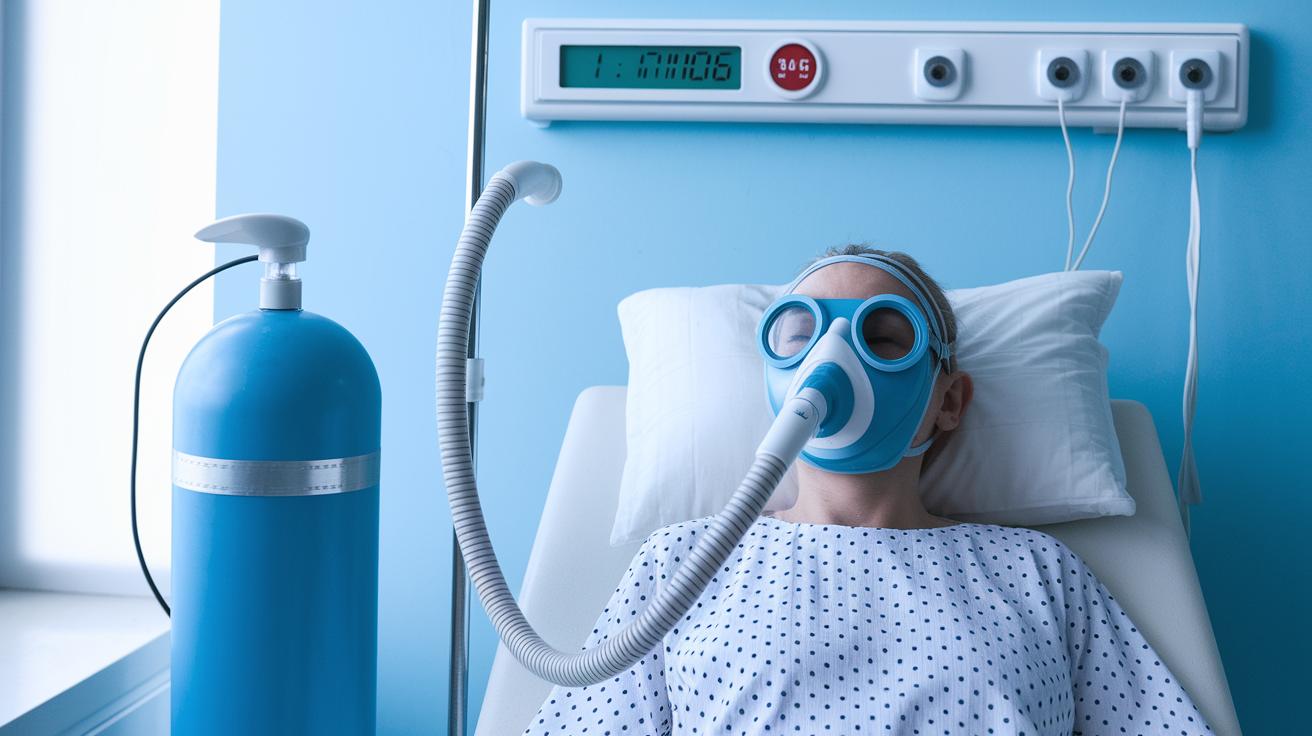
Quick take: Oxygen therapy and fast-acting medications can quickly ease the intense pain of a cluster headache.
High-flow oxygen therapy is a fast method to stop a cluster headache. You breathe 100% oxygen through a non-rebreather mask set at 12–15 L/min. This treatment typically works within 15–20 minutes and stops about 70% of attacks.
Fast-acting medications help by narrowing blood vessels and calming nerve signals. Subcutaneous sumatriptan (an injection under the skin) and intranasal zolmitriptan (a nasal spray) usually relieve pain in 10–15 minutes. One patient reported pain easing just after 10 minutes with a sumatriptan injection. Another shared that the nasal spray provided quick relief during a severe attack.
Use the guide below for a quick reference on treatment details:
| Treatment | How You Take It | Time to Help | Additional Info |
|---|---|---|---|
| Oxygen Therapy | Breathing via non-rebreather mask (12–15 L/min) | 15–20 minutes | Stops about 70% of attacks |
| Subcutaneous Sumatriptan | Injection | 10–15 minutes | Fast, direct relief |
| Intranasal Zolmitriptan | Nasal Spray | 10–15 minutes | An easy, non-invasive option |
Talk with your clinician about which treatment is best for you and act quickly as soon as an attack starts.
Preventative Cluster Headache Medication: Verapamil, Lithium, and Melatonin
Quick take: Verapamil is the go-to drug for keeping cluster headaches at bay. If you notice heart changes like new chest pain or an irregular beat, get help fast.
Triage Box:
• Call emergency services now if you have chest pain, severe dizziness, or a very irregular heartbeat.
• Seek same-day medical advice if you notice any new or worsening symptoms.
• Keep your treatment plan updated and follow your doctor's advice closely.
Verapamil is usually the first choice to prevent headaches during a cluster cycle. Your doctor starts you off at 80 mg three times daily and may gradually raise the dose. Sometimes the dose goes above 480 mg each day. This increase is done with careful heart monitoring (using an ECG test) to catch any rhythm changes early.
Lithium carbonate is sometimes added when verapamil alone doesn’t bring enough relief. Research shows that using lithium can help lower both the number and intensity of headache attacks. Many patients see a noticeable change within a few weeks when lithium is included.
Melatonin is another option that you take before bed. With doses ranging from 3 mg to 10 mg, melatonin can help regulate your sleep and lessen the headache pain. Its safe profile makes it a good addition to your treatment plan.
Short-term corticosteroids also play a role. They are used as a bridge, meaning they help control symptoms while preventive medicines like verapamil, lithium, and melatonin start working fully.
Below is a summary of the medications and key details:
| Medication | Starting Dose | Key Points |
|---|---|---|
| Verapamil | 80 mg TID | May increase up to >480 mg/day; ECG monitoring needed |
| Lithium Carbonate | Varies | Used when verapamil isn’t enough to reduce attacks |
| Melatonin | 3-10 mg at night | Helps regulate sleep and cut down headache pain |
Always talk with your healthcare provider about your treatment plan. Regular checks like ECGs are important to keep you safe as your doses change and your body adjusts.
Injection and Neuromodulation in Cluster Headache Medication

Quick take: These treatments can ease your cluster headache pain quickly when regular methods aren’t enough.
Triage Box:
• If you notice new or worsening symptoms, call your doctor immediately.
• If your pain becomes very severe and doesn’t slow down, seek same-day care.
• Keep using your regular track-and-treat plan and note any changes.
Greater occipital nerve blocks are a type of injection that mixes a corticosteroid (a medicine that reduces swelling) with a local anesthetic (a medicine that numbs pain). This combo can offer fast relief during times when your standard drugs take a little longer to work. One patient shared, "The injection eased my pain quickly while I waited for my usual treatment." Many people find this injection helpful, especially if oxygen therapy or quick-acting medications aren’t calming their headache fast enough.
Neuromodulation, like sphenopalatine ganglion stimulation, is another option when pills aren’t giving enough relief. This technique targets small nerve clusters to calm pain signals. Even though it’s still seen as an alternative, early results show it may help lower the number of headache attacks for people who struggle with regular treatments.
Benefits of these treatments include:
• Faster relief during tough, transitional times
• Fewer attacks when oral medication isn’t enough
• A helpful addition to your overall headache care plan
Comparative Analysis of Cluster Headache Medications
Quick take: New research shows that each drug for cluster headaches works differently in speed, side effects, and cost.
Recent studies and patient stories now provide extra details beyond basic ratings. These updates note not just how fast the medications work, but also how practical and affordable they are. For example, one patient said sumatriptan gave fast relief in emergencies even though it is more expensive. Another liked intranasal zolmitriptan because it is easy to use.
Current findings point out that regular oxygen therapy can reduce short-term expenses and lower the risk of side effects. Preventive medications like verapamil and lithium need regular checks, verapamil requires heart evaluations (tests to check heart function) and lithium needs kidney monitoring (tests to check kidney health).
Below is a table summarizing updated research, what patients have reported, and cost details:
| Medication | Latest Findings | Patient Feedback | Cost Info |
|---|---|---|---|
| Oxygen Therapy | Provides steady relief over cycles | “Fast relief with few side effects.” | Low short-term cost |
| Sumatriptan | Works quickly during acute attacks | “Reliable in emergencies.” | Higher unit cost; efficient for acute use |
| Zolmitriptan | Effective nasal delivery with good tolerance | “Easy and non-invasive.” | Slightly more expensive than oxygen |
| Verapamil | Works well long term but needs heart tests | “Improves headaches with regular heart checks.” | Extra cost due to monitoring |
| Lithium | Helps prevent clusters but requires kidney tests | “Better headache intervals over time.” | Moderate cost when monitoring is added |
| Melatonin | Shows mild preventive benefits | “Helps lessen nighttime clusters.” | Very low cost, very accessible |
Emerging Cluster Headache Medication Research and Innovations

Quick take: New studies are testing ways to ease cluster headache pain quickly and for the long haul. If you experience any severe or worsening symptoms, call emergency services immediately.
Researchers are trying different approaches to make cluster headache treatments work better for you. One idea is to slowly increase the dose of verapamil (a heart medication also used for cluster headaches) beyond the usual limits. One study even said that higher doses helped control the headache cycles better when the increases were done slowly and under expert care.
Other early trials are looking at mixing preventive drugs with devices that change nerve signals (neuromodulation). These tests show promise by not only shortening the headache period but also by cutting down the number of painful attacks. The goal is to use fast-acting medication tweaks alongside these devices for quicker relief.
Key research areas include:
- Adjusting verapamil dose plans for better outcomes.
- Combining preventive medications with nerve modulation devices.
- Using quick, specialist-led medication changes to shorten headache cycles.
The findings so far suggest that these new methods could soon give you faster relief and longer-term control over your cluster headaches. Always talk with your clinician before making any changes to your treatment plan.
Final Words
In the action, we reviewed key cluster headache medication options that tackle both acute attacks and preventive care. The article covered fast-acting treatments like oxygen and triptans, preventive strategies with verapamil, lithium, and melatonin, and advanced therapies including injection and neuromodulation. You now have a clear overview of effective headache pain relief and management of severe head pain attacks to guide home care, red-flag awareness, and clinician discussions. Stay optimistic knowing new research continues to improve these drug options for cluster headache medication.
FAQ
Q: Sumatriptan
A: The sumatriptan inquiry shows it is a fast-acting abortive treatment that relieves cluster headache pain quickly, working in about 10–15 minutes during an acute attack.
Q: Cluster headache treatment at home
A: The cluster headache treatment at home question means some individuals use high-flow oxygen therapy and self-administered sumatriptan, but you should always consult a clinician for safe, guided use.
Q: Is cluster headache dangerous
A: The question about cluster headache danger explains that while the pain is severe and disruptive, cluster headaches are generally not life-threatening, though proper treatment is crucial.
Q: Verapamil for cluster headaches
A: The query on verapamil indicates it is a first-line preventive medication for cluster headaches, usually started at 80 mg three times daily and increased under ECG monitoring by your clinician.
Q: Cluster headache relief massage
A: The massage for cluster headache relief question means that while massage may ease tension, it is not a substitute for medical treatments designed specifically to address the intense pain of cluster headaches.
Q: What causes cluster headaches everyday
A: The inquiry about everyday causes of cluster headaches shows that triggers may include changes in sleep, alcohol, or smoking, although the exact causes vary and remain not fully understood.
Q: Can cluster headaches kill you
A: The question on whether cluster headaches can kill you explains that they are not directly fatal, despite causing severe pain, but require prompt treatment and management to prevent complications.
Q: Best medicine for cluster headache
A: The query on the best medicine for cluster headache highlights that treatment often involves fast-acting abortive medications like oxygen or sumatriptan, alongside preventive options such as verapamil based on individual needs.
Q: What can trigger cluster headaches
A: The trigger inquiry indicates that factors like alcohol, smoking, sleep changes, and exposure to strong scents may set off cluster headaches, though triggers differ from person to person.
Q: What is the new medication for cluster headaches
A: The question on new medications for cluster headaches means that emerging treatments include refined dosage protocols and combination therapies, with ongoing research into higher verapamil doses and neuromodulation interventions.
Q: What can be mistaken for cluster headaches
A: The inquiry about mistaken conditions reveals that cluster headaches can be confused with migraines or sinus headaches due to similar symptoms, stressing the need for accurate clinical diagnosis.
Q: How do you get rid of cluster headaches fast
A: The query on quick relief indicates that using high-flow oxygen therapy and fast-acting treatments like subcutaneous sumatriptan can rapidly abort an attack when applied at the first sign of a cluster headache.