
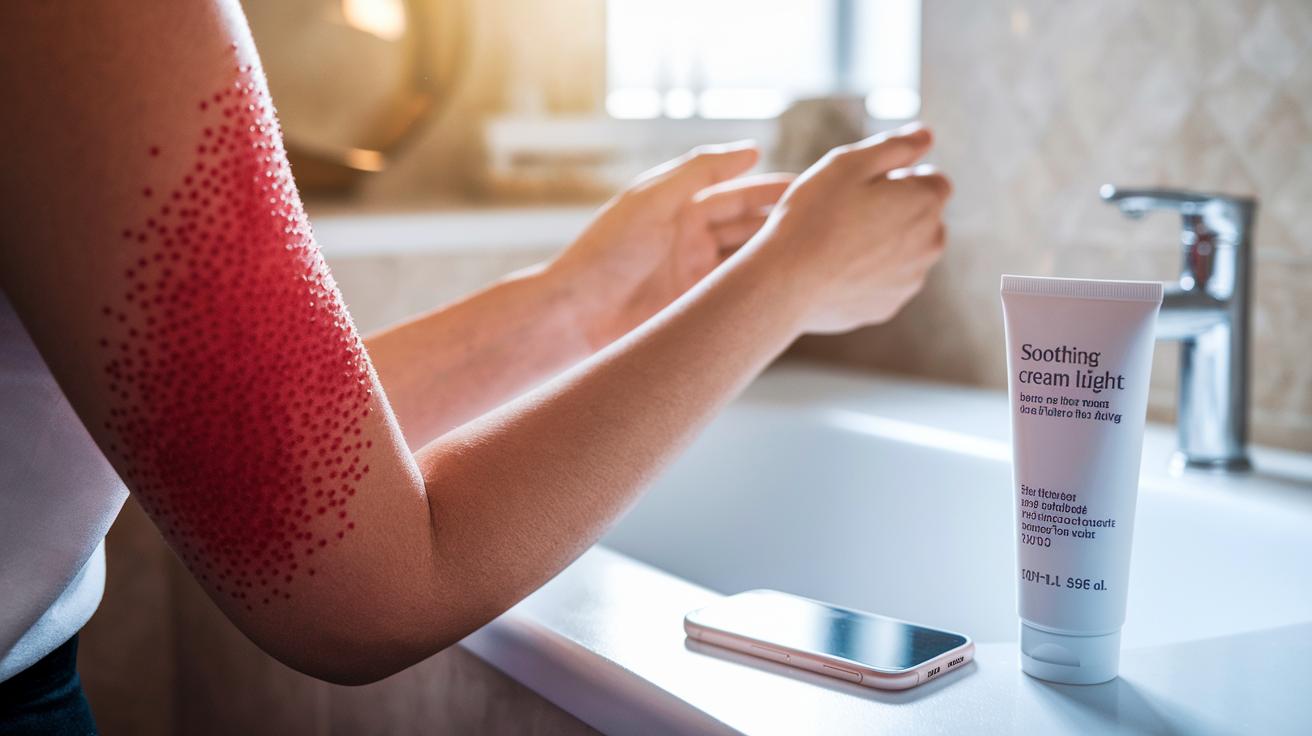

Quick take: Red, itchy bumps may be due to allergies, infections, or reactions to everyday irritants; follow the steps below to help soothe your skin.
If you notice any of these red flags, call emergency services now:
• Severe swelling or blistering
• Difficulty breathing
• Rapid spreading of the bumps
If you see urgent signs like intense pain, fever, or the bumps becoming warm to the touch, seek same-day medical care. Otherwise, try basic care at home:
• Gently wash the affected area with cool water.
• Apply a cool, damp cloth to ease the itch.
• Avoid using harsh soaps or known irritants.
You may spot red, itchy bumps on your skin and wonder what’s causing them. Although they might seem minor, these spots can signal allergies, infections, or reactions to everyday chemicals and other irritants. This guide explains what might trigger the bumps and offers simple, step-by-step actions to help relieve the discomfort. By following these tips, you can take quick, smart steps to calm your skin and feel better soon.
Skin Irritation with Bumps: Key Symptoms, Common Causes, and Initial Care
Quick take: Red, itchy bumps can signal a skin reaction from allergies, infections, or irritants. Check closely and act if symptoms worsen.
Triage Box:
If you have any of these signs, call emergency services now:
- Fever with chills
- Severe, worsening pain or burning
- Rapid spreading of the rash
For less severe symptoms, try these steps at home and monitor your skin.
What Might Be Causing This?
Your bumps could come from several sources. Here are some common causes:
- Atopic dermatitis (eczema): Often seen in people with allergies or asthma.
- Psoriasis: Shows as scaly, raised patches, especially on elbows, knees, or the scalp.
- Contact dermatitis: A reaction to things like poison ivy, nickel, dyes, or even Neosporin.
- Fungal infections: Such as athlete’s foot, jock itch, or ringworm.
- Drug eruptions: Skin reactions to new or long-term medications.
- Impetigo: Involves yellow crusts on the skin.
- Stasis dermatitis: Usually appears on swollen legs.
- Cellulitis: A skin infection accompanied by fever and chills.
- Scabies: Tiny bumps that often get worse at night.
- Viral rashes: From conditions like chickenpox or shingles.
- Lyme disease: Looks like a ring-shaped rash.
- Hives: Typically caused by an allergic reaction.
Steps for At-Home Care:
- Use a cold compress on the affected areas to reduce swelling and itching.
- Gently wash your skin with a mild cleanser and cool water.
- Avoid any known irritants or allergens.
- Keep a close eye on your symptoms. Track changes like intensity, spread, or new signs of infection.
- If your symptoms worsen or any red flags appear, contact your healthcare provider immediately.
Remember, while these steps can help relieve mild symptoms, worsening irritation or additional symptoms may require professional care. Stay safe and take care.
Identifying Common Bump Types in Skin Irritation
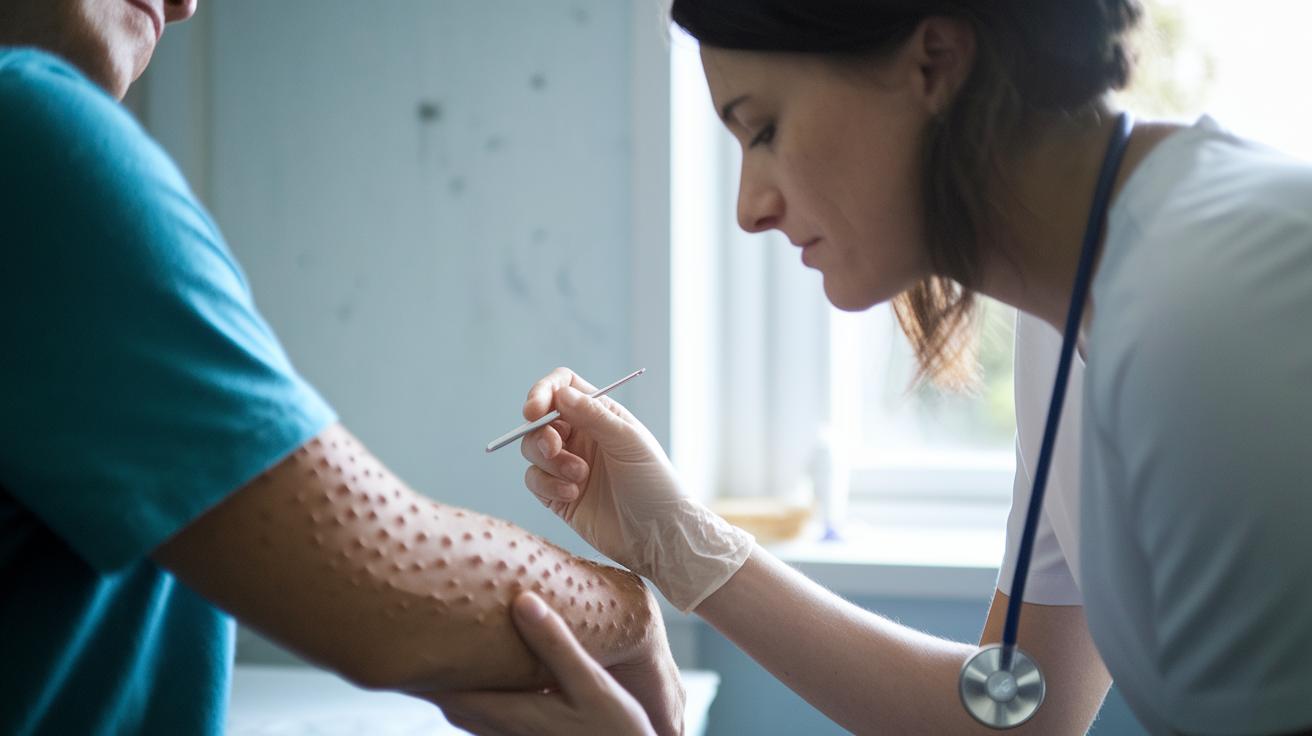
Quick take: Most bumps are not dangerous, but if they get bigger, change color, or start hurting, you should call your doctor.
If you see any of these red flags:
- Bumps that grow very fast
- Bumps that change color or feel painful
- Signs of infection like swelling or warmth
Call emergency services if you are very worried, or seek same-day care.
When you check your skin, the look of your bumps can give you clues about what might be causing them. They may appear as small, itchy spots, red irritated patches, or tiny welts with no clear reason. Looking closely can help you decide if a bump is harmless or if you need to talk to a healthcare provider.
- Acne: Small pus-filled bumps on your face, chest, or back that can be red or white.
- Keratosis pilaris: Rough, tiny bumps on your arms, legs, or buttocks that feel like sandpaper.
- Heat rash: Tiny blisters that develop in skin folds when sweat gets trapped.
- Bulla: A clear, fluid-filled blister that is larger than 1 cm.
- Cherry angioma: Smooth, bright red bumps, usually found on your torso or arms.
- Skin tags: Soft, flesh-colored skin growths up to 0.5 inch long, often on the neck or eyelids.
- Strawberry nevus: A small, red mark on your face or scalp that appears as a concentrated patch.
- Non-itchy follicular papules: Bumps that look like acne but are not inflamed or itchy.
If your bumps grow, change color, or start hurting, please call your doctor for a checkup.
Underlying Conditions Behind Bumpy Skin Irritation
Contact Dermatitis: Allergen List, Acute Management
Contact dermatitis happens when your skin reacts to substances like latex, certain metals, or perfumes. You may notice red, itchy bumps soon after contact. If you experience these signs, try these steps:
- Place a cold compress (a clean, damp washcloth) on the area for 10 minutes to reduce swelling.
- Take a soothing bath with calamine lotion to calm the irritation.
Eczema: Chronic Course, Barrier Repair
Eczema, also known as atopic dermatitis, often begins with red or purple bumps that may thicken into scaly or discolored patches over time. Common triggers include stress and dry air. To help your skin heal, follow these steps:
- Use gentle, fragrance-free moisturizers.
- Apply hydrating lotions daily to restore moisture.
A regular moisturizing routine can make a big difference in reducing irritation.
Psoriasis: Plaque Description, Treatment Overview
Psoriasis shows up as raised patches with silvery scales, often on the elbows, knees, or scalp. These chronic areas can worsen in your 20s–30s or in your 50s. Treatment focuses on easing inflammation and reducing scales. It may include:
- Topical medications to lower inflammation.
- Light therapy for some cases.
Keep an eye on any changes in your skin and discuss them with your doctor.
Other Autoimmune Eruptions: When to Test
Autoimmune conditions like lupus or dermatomyositis can also cause bumpy, textured skin. If the bumps persist or you notice new symptoms, it might be time to get tested. Your doctor may order immunologic tests (blood work or other exams) to check for an autoimmune cause.
Home Care and Natural Remedies for Bumpy Skin Irritation
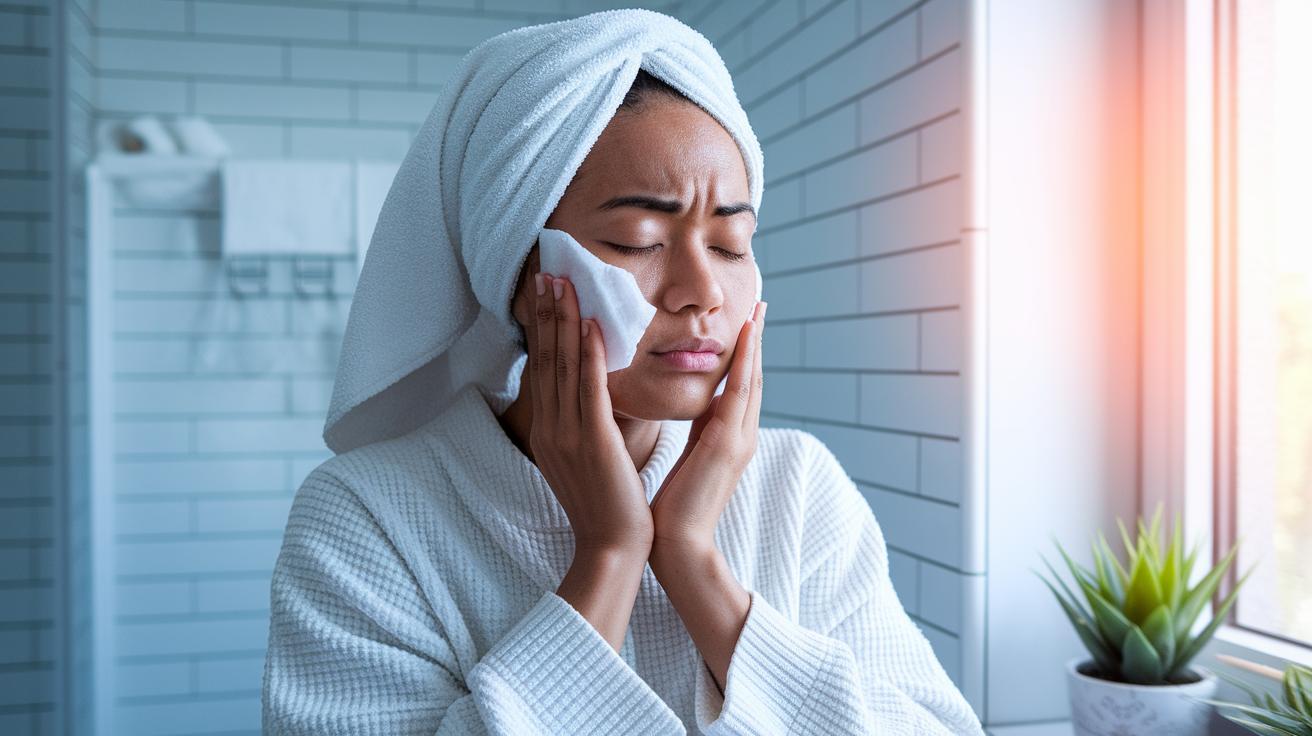
Start a gentle skin care routine to calm irritated, bumpy skin. These simple steps can help reduce discomfort and support your skin’s natural healing. Always try new products on a small patch first, and watch how your skin reacts.
- Cold compress: Place a clean, damp cloth on the affected area for 10 minutes a few times each day to ease contact rashes.
- Calamine lotion: Gently dab on hives or insect bites to cool the skin and soothe itching.
- Oatmeal bath: Mix colloidal oatmeal in lukewarm water and soak for 15 minutes to help with scaly dermatitis.
- Gentle exfoliation: Use a soft cloth or a lactic acid wash 2-3 times a week to clear clogged pores without causing extra irritation.
- Moisturizing lotion: Apply a fragrance-free lotion after cleansing to lock in moisture and protect your skin.
- Non-soap cleanser: Wash your skin once a day with a cleanser that does not strip away natural oils.
Remember, consistent care and monitoring can help you discover what works best for soothing your irritated skin.
Over-the-Counter and Prescription Treatments for Bumpy Rash Relief
If you have a bumpy rash, you can start with over-the-counter treatments that calm irritations and ease the itch. Try using 1% hydrocortisone cream to reduce swelling and soothe discomfort, antihistamine creams to help with allergic reactions, or calamine lotion for a soothing touch on red, bumpy skin. These options work best for minor flare-ups and can be paired with warm compresses for added relief. For more widespread hives (allergic bumps), a systemic antihistamine taken by mouth may be helpful.
If over-the-counter treatments do not ease your symptoms, your doctor might recommend prescription options. They may offer a stronger topical steroid (a cream to reduce inflammation) or a calcineurin inhibitor when steroids are not the best choice. For conditions like scabies, your doctor could prescribe permethrin lotion. If a skin infection such as impetigo (a common bacterial infection) is present, mupirocin may be suggested. Antifungal creams are also used to treat tinea or fungal infections. These treatments are reserved for when your symptoms persist, worsen, or show signs of infection.
When using any treatment, follow the instructions carefully. Apply creams or lotions consistently for at least 1 week before expecting to see improvement. Watch out for side effects like increased burning, thinner skin, or more irritation. Should these issues arise or if your rash does not get better, contact your healthcare provider right away.
When to Seek Professional Help for Persistent Bumpy Flare-Ups
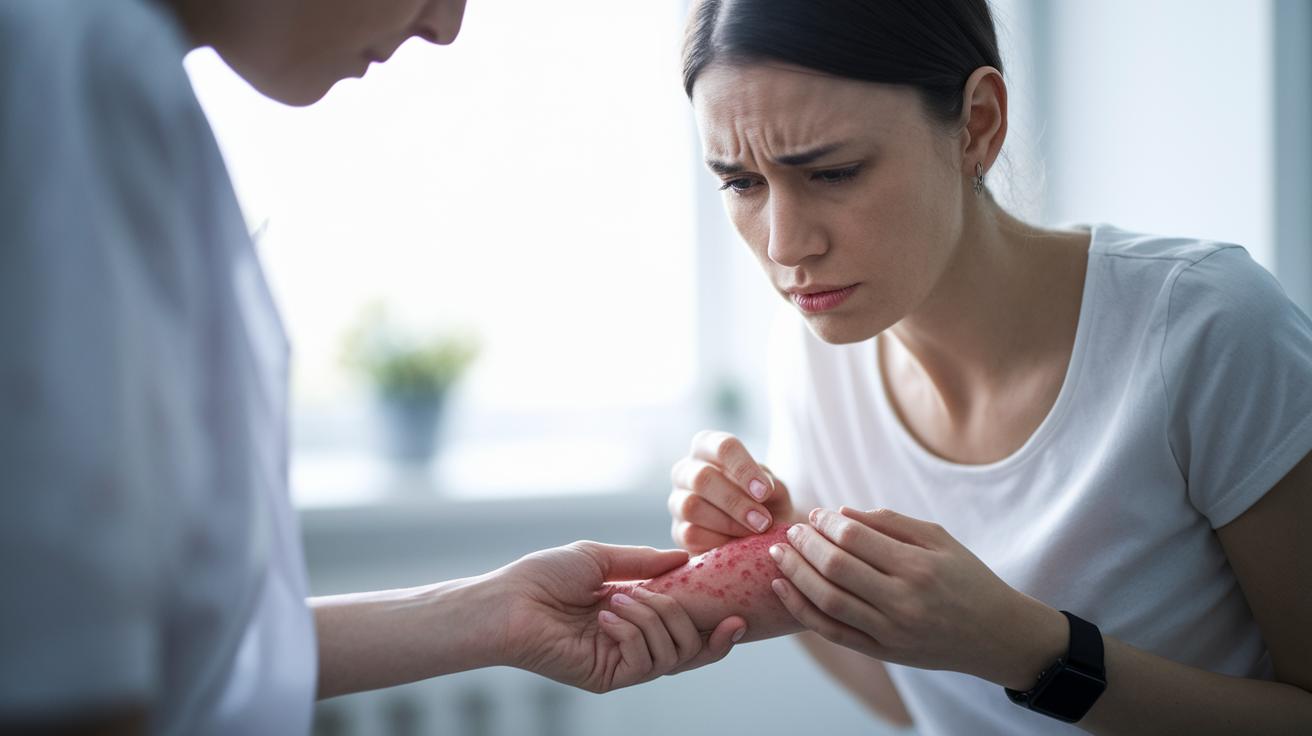
Quick take: If your bumps don’t fade after 2 weeks or start to change or hurt more, act now.
Triage Box:
• Emergency: If you notice fast-spreading redness with growing pain, warmth, or if you feel feverish, call emergency services immediately.
• Urgent: If you see sudden widespread hives or a drug rash, get same-day medical help.
• Watch and self-manage: If bumps persist for over 2 weeks or change in shape or color (for example, become irregular, multicolored, or larger than 6 mm), plan a visit with your doctor soon.
Your bumps might be more than just a minor irritation. When bumps worsen or change, it could mean an infection such as cellulitis (a skin infection) or even MRSA (a tough-to-treat infection) is developing. If you see high fever, chills, or if the rash messes with your daily routine, you must contact your healthcare provider.
A dermatologist (a skin specialist) should check bumps that come with systemic symptoms (signs that the whole body is affected) or odd-looking lesions. Early action helps prevent complications, ensuring you get care on time.
Preventive Measures to Avoid Future Bumpy Skin Irritation
Quick take: Simple changes in your environment and habits can help keep your skin smooth and calm.
You can lower the chances of skin bumps by avoiding known irritants. Notice if certain things like dust, pollen, or chemicals trigger your skin. Adjust your indoor air if it’s too dry or too hot. For example, use a humidifier in dry times and choose lighter clothes when it's warm.
Reducing stress is key. Try deep breathing or quiet time to help your body relax. A regular sleep schedule also supports your skin. Wearing loose, breathable fabrics helps protect your skin from irritants.
Caring for your skin inside is as important as outside. Use gentle, fragrance-free cleansers and a daily moisturizer to keep your skin soft and hydrated. Switch to mild laundry detergents that are less likely to irritate. Adding anti-inflammatory foods (like fish high in omega-3s and spices such as turmeric) to your diet can also support skin health.
- Wash daily with a non-soap cleanser and put on a fragrance-free moisturizer.
- Choose breathable fabrics and adjust your clothing as the weather changes.
- Practice stress-relief techniques and add anti-inflammatory foods to your meals.
Final Words
In the action of addressing skin irritation with bumps, we reviewed key signs, common causes, and essential first-care steps. We explored differences between conditions like eczema, psoriasis, and contact reactions. You learned simple self-care tips, including cold compresses and gentle cleaning. We also pointed out when to seek urgent or professional help. Keeping track of your symptoms and any changes will guide you toward the right care pathway. Stay confident and keep monitoring your skin for a smoother path to relief.
FAQ
What can I learn from pictures of skin rashes and bumps?
Pictures of skin rashes and bumps help you see differences in color, pattern, and texture. They offer clues about potential causes like allergies, infections, or irritant reactions that may require attention.
What do itchy bumps, including tiny, colorless, or mosquito bite–like bumps, indicate?
Itchy bumps resembling mosquito bites or appearing tiny and colorless may signal mild irritation, contact dermatitis, or allergies. Their appearance can guide you on whether self-care measures are enough or if you need professional advice.
How do skin allergy types appear in photos?
Photos of skin allergies show various patterns such as red, raised welts or small hives. These images help you recognize reactions triggered by substances like metals, plants, or chemicals so you can manage exposure.
When should I worry about a rash in adults?
You should worry if a rash lasts more than 2 weeks, spreads rapidly, or comes with fever, pain, or signs of infection. These red flags suggest that you need to have your rash evaluated by a clinician soon.
Why is my skin irritated and bumpy?
Skin irritation and bumps can result from allergic reactions, infections, or conditions like eczema or psoriasis. Noting changes and triggers can help determine if adjusting your care routine or seeking medical advice is appropriate.
How to treat contact dermatitis on kids?
Treating contact dermatitis in kids involves gentle cleansing, cool compresses to soothe itching, and applying fragrance-free soothing creams. Avoid the irritant and consult a clinician if the symptoms become more severe.