


Quick Take: A heavy chest and stubborn cough may signal more than a simple cold. If you have chest pain, trouble breathing, or feel very unwell, call emergency services now.
Have you ever woken up with a heavy chest and a cough that just won’t quit? At first, it might seem like allergies or a mild cold, but sometimes these signs can point to a more serious issue. This guide helps you spot warning signs and start tracking your symptoms so you can decide when to contact your doctor.
What to Watch For:
• Chest pain or a tight feeling
• Trouble catching your breath
• Dizziness or feeling faint
What to Do:
- Write down when your symptoms start and note how long they last.
- Record any changes in how you feel, like worsening pain or trouble breathing.
- If your symptoms get worse or you feel new, severe pain, seek medical care immediately.
Tracking your symptoms will help you share clear details with your doctor. Taking note of the time and changes in your condition can provide key clues about your health. Remember, this guide is here to help you feel more in control, so keep a close eye on any changes and act quickly if things get worse.
Reviewed by: [Clinician Name, Specialty] on [Date]. Sources: [1] reputable medical guideline.
Immediate Outlook on Chest Heaviness and Cough
Quick take: Chest heaviness with cough can be a sign of something common or something serious.
If you have any of these emergency signs, call emergency services now:
- Trouble breathing or shortness of breath
- A cough that brings up blood
- Chest pain that spreads to your arm, neck, or jaw
- A high fever over 100.4°F
- Feeling very lightheaded or dizzy
These signs mean you need urgent care.
Often, chest heaviness and cough come from a cold, muscle strain, or allergies. Mucus in your lungs can create pressure that feels like tightness in your chest along with a persistent, hacking cough. If you see signs like shortness of breath or coughing up blood, it may point to a heart attack or a blood clot in the lungs (pulmonary embolism).
For milder cases, the symptoms may be due to a viral infection or seasonal allergies. You might notice the cough gets worse at night or when the weather changes. However, if you suddenly experience severe chest discomfort or pressure, especially if it radiates to your arm or jaw, then it is important to stop managing this at home and seek immediate medical help.
If the signs remain mild, consider scheduling a telehealth session with a doctor. Before your call, note when your symptoms started, any medications or supplements you’ve taken, and any changes in how you feel. Tracking your symptoms can help ensure you get care at the right time.
Common Underlying Causes of Chest Heaviness and Cough
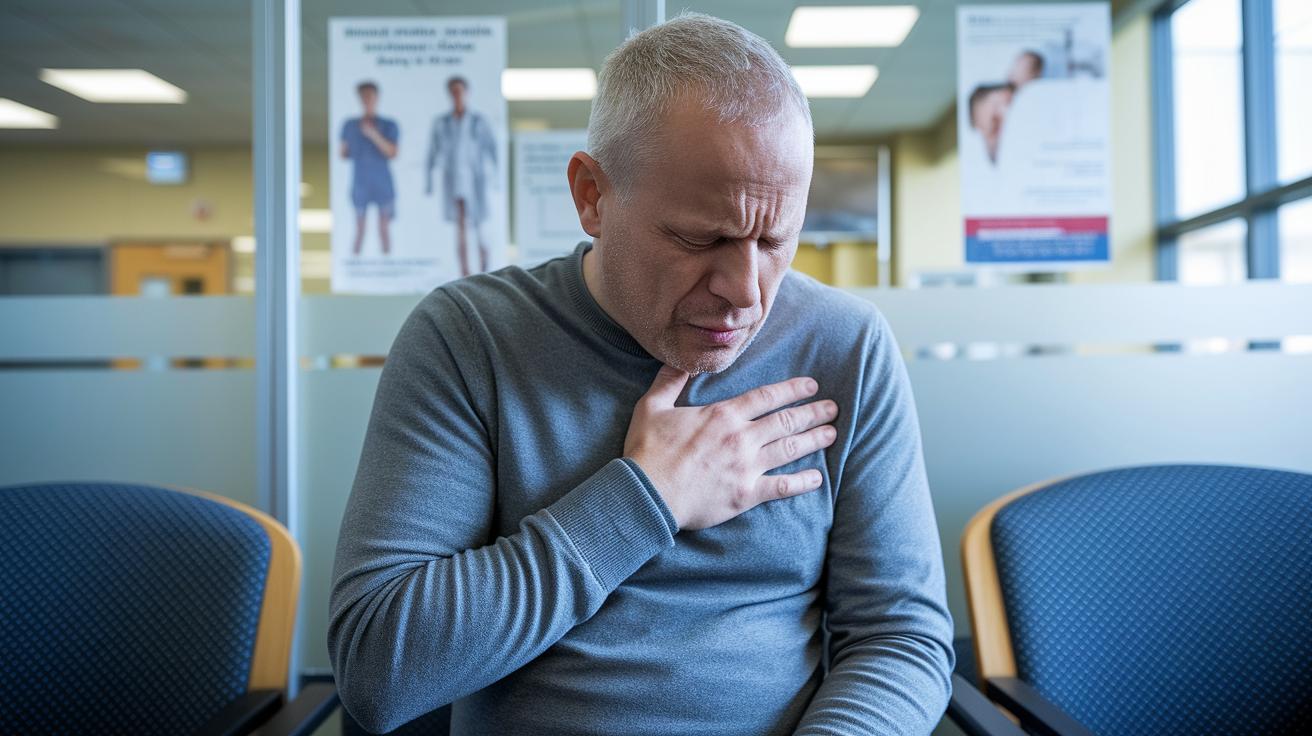
Quick take: Chest heaviness and cough usually come from infections or allergies, but sometimes they need urgent care.
If you have any of these emergency signs, call emergency services now:
- Sudden, sharp chest pain
- Difficulty breathing or severe shortness of breath
- Feeling of intense pressure in your chest
Many conditions can cause your chest to feel heavy and lead to a persistent cough. Often, viruses or allergies make extra mucus that builds up in your airways. Here’s a quick look at some common causes:
- Upper respiratory infections like colds and flu make extra mucus in your airways. This can cause chest tightness and a hacking cough.
- Allergies can irritate your nasal passages and lungs. This may lead to mild chest pressure and a cough because of extra mucus.
- Bronchitis is when your bronchial tubes (the airways that take air to your lungs) get inflamed. You will often have a productive cough and a heavy feeling in your chest.
- Pneumonia is a lung infection that often causes a deep cough and chest discomfort. It may also come with fever and trouble breathing.
- Asthma narrows your airways, which can cause wheezing, chest pressure, and shortness of breath.
- GERD (gastroesophageal reflux disease) lets stomach acid rise into your throat. This can cause a sore, tight upper chest and a long-lasting cough.
- Pulmonary embolism is a serious condition where a blood clot blocks blood flow in your lungs. It causes sudden, severe pressure in the chest and breathlessness. This is a medical emergency that needs immediate attention.
Notice your symptoms carefully. A mucus-filled, hacking cough with some chest pressure can point to a viral infection or allergies. A productive cough with strong chest discomfort, fever, or wheezing might be bronchitis or pneumonia. If you experience sudden, severe breathlessness, it could be a pulmonary embolism. Tracking when and how your symptoms change will help you share important details with your healthcare provider.
Red Flags in Chest Heaviness and Cough Requiring Urgent Care
Quick take: Some chest heaviness and cough symptoms may signal you need urgent care.
If you have any of these emergency signs, call 911 immediately:
- Crushing pressure in the chest that spreads to your arm or jaw. For example, if the pressure lasts for several minutes and comes with stress or discomfort, call 911.
- Sudden, severe trouble breathing even when you are resting. Rapid, labored breaths mean your lungs are struggling.
- Sharp chest pain that appears with very little activity. If pain starts unexpectedly during a calm moment, it could be a heart or lung crisis.
- Repeated dizziness or lightheadedness that makes it hard to stand or move. Feeling faint over and over is a sign your blood flow may be low.
- A high fever over 100.4°F coupled with a constant, hacking cough. When fever and cough stick around, it might mean a serious lung infection.
These signs show that your heart or lungs might be under stress. It only takes a short time for these symptoms to become a real emergency.
For more details on when to seek emergency care for chest pain, please see the linked guidelines.
At-Home Techniques to Relieve Chest Heaviness and Cough

Quick take: Gentle home care can ease chest tightness and a cough, but if you feel severe pain or trouble breathing, get help now.
If you have any of these emergency signs, call emergency services immediately:
- Severe chest pain or pressure
- Trouble breathing or gasping for air
- Dizziness or fainting
Urgent: If your cough worsens, you have a high fever, or the heaviness in your chest grows, seek same-day medical attention.
Watch and self-manage: For mild symptoms, try these simple steps and monitor your progress.
Sipping warm fluids like water or herbal tea can calm your irritated airways and help loosen mucus. Steam inhalation works too, lean over a bowl of hot water with a towel over your head for about 10 minutes to open your airways.
Keep a humidifier running in your room, especially at night, to add moisture to the air. This can ease chest tightness and make breathing easier.
Over-the-counter expectorants (mucus-thinning medicines) like guaifenesin can help clear mucus; be sure to follow the label directions.
Honey can be soothing. Mix 1 teaspoon of honey in warm water before bed to help calm your cough.
Practice deep-breathing exercises by inhaling slowly for 4 seconds, holding your breath for 4 seconds, then exhaling for another 4 seconds. Repeat this cycle several times to ease tension.
A gentle chest massage in circular motions may relieve tightness and help you feel more comfortable.
Some herbal infusions can soothe your airways as well. Explore options from trusted herbal cold remedies for natural support.
Stop any remedy if your symptoms get worse and consult your healthcare provider right away.
Monitoring Chest Heaviness and Cough: When to Consult a Professional
Quick take: Keep a detailed diary of your chest heaviness and cough so you and your doctor can see what’s happening and decide if you need help.
If you have any of these emergency signs, call emergency services now:
- Trouble breathing
- Coughing up blood
- Fever over 100.4°F
For less urgent symptoms, track your signs carefully at home.
A clear diary helps your healthcare provider understand your symptoms. Write down the time you first notice chest heaviness or a cough and note any patterns. This record is useful if your cough is harsh or if you feel chest pressure when you breathe.
Here’s what to record:
| What to Record | Details |
|---|---|
| Start Time | When the symptoms began |
| Severity | Label as mild, moderate, or severe |
| Medications | Both OTC and prescriptions and how they affected you |
| Extra Symptoms | Other issues like added pressure or discomfort when breathing |
This diary can help show whether your symptoms point to a simple cold, allergies, or something more serious. Share these details with your clinician so they can decide on the best next steps for your care.
Preventive Strategies Against Recurring Chest Heaviness and Cough

Quick take: Simple daily actions can help ease chest heaviness and cough.
If you have any of these emergency signs, call emergency services immediately:
- Sudden, severe chest pain
- Trouble breathing or feeling faint
If your cough gets worse or you develop a fever, seek same-day medical care.
Basic self-care steps:
- Change daily habits to boost lung function.
- Reduce exposure to smoke and pollutants since they irritate your airways.
- Keep your home clean to avoid allergy triggers.
- Quit smoking if you can.
- Drink plenty of water to help your body stay well hydrated.
- Eat a balanced diet with fruits and vegetables rich in antioxidants to lower lung inflammation.
- Do regular, light exercise like walking or cycling to increase lung capacity and improve blood flow.
Also, get enough sleep so your body can repair and recover. Spending time outdoors in fresh air and avoiding crowded places when pollution is high can further help your lungs stay strong. These small changes build your immune system and can reduce recurring chest heaviness and cough. Stay proactive with your health.
Final Words
In the action, we dove into the causes of chest heaviness and cough, outlined red flags for urgent care, shared practical home-care tips, and explained how to monitor symptoms effectively. We reviewed common triggers, self-care techniques, and strategies that help you decide when to seek professional help. Use symptom trackers and checklists to stay informed about your condition and manage your health with confidence. Keep a close eye on your symptoms and take charge of your well-being. Stay positive and proactive in caring for yourself.
FAQ
How can I relieve a tight chest associated with a dry cough?
The tight chest and dry cough can be eased by sipping warm fluids, inhaling steam, and resting. Gentle deep breathing and over‐the‐counter expectorants may also help relieve discomfort while you monitor symptoms.
How can I ease chest pain caused by coughing?
The chest pain from coughing can be lessened by using warm fluids, gentle chest massage, and periods of rest. These measures help reduce muscle strain, but if pain worsens, consult a healthcare provider promptly.
Why does my chest hurt or feel heavy when coughing up mucus?
The chest hurting or feeling heavy when coughing up mucus often results from muscle strain and irritation from inflammation. Tracking your symptoms can help you decide if further evaluation is needed.
How can I quickly reduce chest congestion?
Chest congestion may be relieved fast by drinking warm fluids, inhaling steam, and using over‐the‐counter expectorants. Deep breathing exercises and a humidifier can also help clear your airways efficiently.
What are the stages of a chest cold?
A chest cold often begins with irritation and a dry cough, then develops into mucus buildup and productive coughing, followed by gradual improvement. Monitoring how symptoms change helps determine if additional care is necessary.
When should I worry about chest pain or heaviness when coughing?
Worry is warranted if chest pain or heaviness is severe, persistent, or accompanied by shortness of breath or blood in mucus. These signs mean you should seek urgent medical evaluation immediately.
What does a cardiac cough feel like?
A cardiac cough typically feels persistent, with a heavy, pressure-like sensation in the chest and shortness of breath. This type of cough requires prompt evaluation to rule out heart-related issues.