
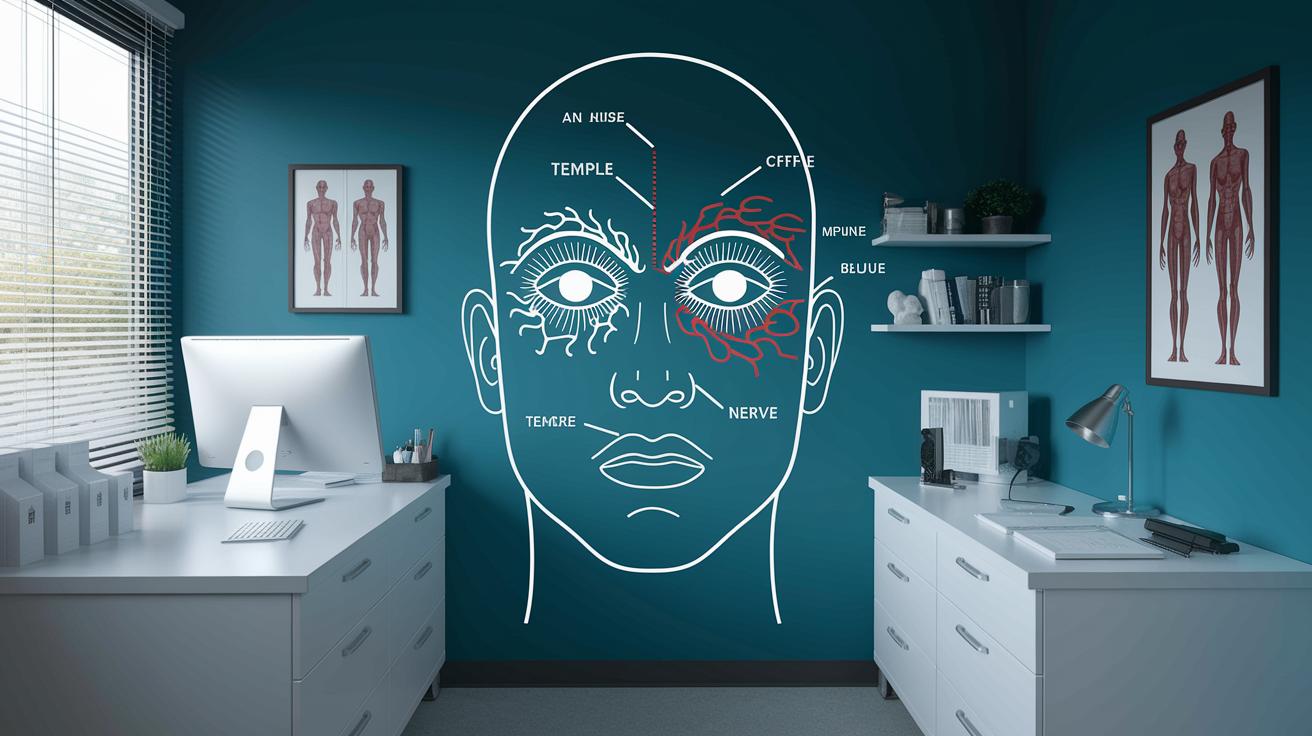

Quick Take: Cluster headaches bring sudden, sharp pain around one eye and need quick action.
If you have any of these signs, call emergency services now:
• Severe headache that comes on suddenly
• Changes in vision or confusion
• Pain that does not ease with rest
Cluster headaches are not your everyday headache. They burst on suddenly and hit one side of your head near the eye. The pain can feel intense and sharp, almost like a lightning strike.
Here’s what you need to know:
• These headaches often start out of the blue.
• They cause very strong pain that stays on one side.
• Many people describe the pain as burning or stabbing.
If you experience this kind of headache, note the time, any changes in your vision, and other symptoms. Write them down and share the details with your doctor. This can help you get the care you need quickly.
cluster headache definition: Simple, Clear Facts
Quick take: Cluster headaches cause very severe, one-sided eye pain that comes on suddenly.
Triage Box:
• If you experience sudden severe pain with vision changes, call emergency services now.
• If you notice red or swollen eyes or feel confused along with the pain, seek same‐day medical help.
• Otherwise, monitor your symptoms and note when and how the pain occurs.
Cluster headache is a condition that brings on extremely intense pain around the eye. This pain happens on its own, without another disease causing it. People often say the pain is sharp, burning, or piercing. They sometimes compare it to the pain of gunshot wounds, childbirth, or kidney stones.
This headache is rare, affecting about 0.1% of people, and it happens more often in men. Typically, symptoms start when you are in your 30s or 40s. The pain usually starts suddenly on one side of the head, near the eye. Many people see a pattern in their attacks, with the pain striking at about the same time each day.
Understanding these clear facts can help you and your doctor decide on the right care. Because the pain is very strong, it is important to check for any warning signs and get prompt evaluation.
Cluster Headache Clinical Symptoms and Autonomic Profile
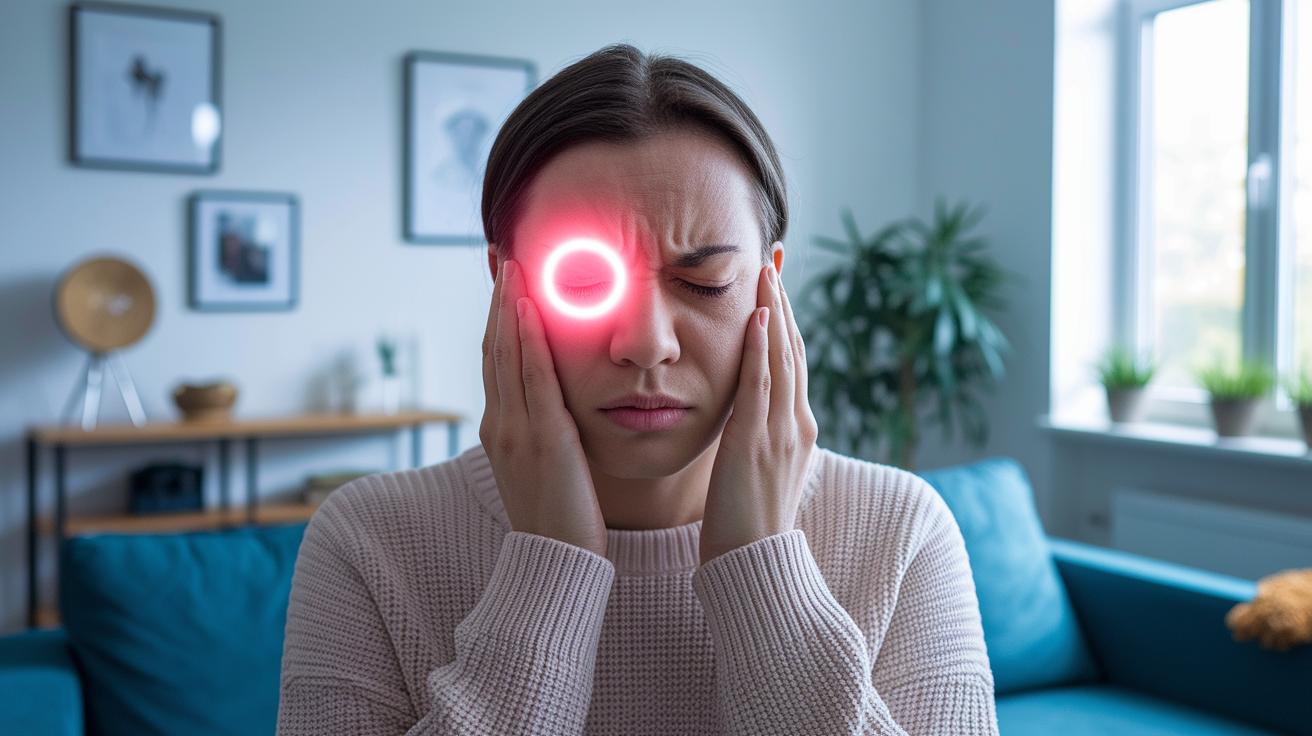
Quick take: Cluster headaches hit suddenly with sharp, one-sided eye pain and telltale signs on your face.
Triage:
• Call emergency services now if you develop new neurological symptoms like confusion, weakness, or trouble speaking.
• If you have these signs with severe headache, seek prompt medical help.
• Otherwise, track your symptoms and follow up with your healthcare provider.
Cluster headaches start with a sudden burst of intense pain near your eye. You might notice that your face or eye reacts during an attack. This happens because the nerves on the same side as the pain also trigger body signals.
Here are the common signs to watch for during an attack:
- Tearing on the side where the pain is.
- A blocked or runny nose.
- Swelling or drooping of the eyelid.
- Facial sweating.
- Pupil getting smaller (miosis).
- Feeling agitated or restless, often leading you to pace.
These body reactions occur along with the severe pain and help show that you might be experiencing a cluster headache. If you notice these signs, check in with a healthcare professional to review your symptoms and decide on the next steps.
Cluster Headache Attack Patterns and Natural History
Quick take: Cluster headaches strike suddenly with short, severe pain that often comes in cycles.
Triage Box:
- If you see new neurological signs like confusion or vision changes, call emergency services now.
- If your headache pattern changes or the pain becomes unmanageable, seek same-day medical attention.
- Track your symptoms by noting the date, time, duration, and intensity of each attack.
Cluster headache attacks begin abruptly. Each attack lasts from 15 to 180 minutes and may occur 1 to 8 times a day. One person described the pain as a sudden burst of burning sensation around the eye that hit so fast there was hardly any warning.
Many people notice that these headaches follow a regular schedule. They might wake up around 2 a.m. with intense pain, suggesting that your body’s internal clock may play a role.
These headaches also come in cycles. You might have periods where attacks happen almost daily for weeks or even months. Then you may enter a long pain-free phase that can last for months or years. Knowing this pattern can help you plan your care.
Keeping a simple log of your headache episodes can be very useful. Write down the date, time, how long each attack lasts, and any other details to share with your clinician.
Underlying Causes in Cluster Headache Definition: Pathophysiology Insights

Cluster headaches start because your pain system is overactive. Doctors believe that a group of nerves in your face that senses pain (the trigeminovascular system) and a body reflex that controls tears, a stuffy nose, and a fast heartbeat (the trigeminal-autonomic reflex) get triggered during an attack.
Brain scans show that the back part of the hypothalamus (often called the brain’s clock because it helps regulate sleep and daily rhythms) lights up when these headaches occur. This tells us the hypothalamus likely helps start the headache. Some patients even describe the pain like a sudden electrical storm in the brain that sets off all the symptoms.
Knowing how these nerve pathways work helps doctors treat cluster headaches as a problem involving both nerves and blood vessels. Even though we do not know the full cause yet, this information guides better care.
Diagnostic Criteria for Cluster Headache Definition
Quick take: Cluster headaches bring very severe, one-sided pain around your eye and often come with eye symptoms and restlessness. If you notice these signs happening frequently, you should talk with a doctor.
Triage:
- Call emergency services now if you have a sudden, very heavy headache with vision changes.
- Seek same-day medical care if these headaches occur repeatedly or get worse.
- Track your headache episodes by noting the start time, how long they last, and any symptoms like tearing or nasal congestion.
Doctors use these clear guidelines to make sure you get the right treatment:
• You must have had at least 5 severe headache attacks before a diagnosis is confirmed.
• The pain is usually on one side near your eye. If left untreated, this pain lasts between 15 and 180 minutes.
• Attacks may occur as rarely as once every other day or as much as 8 times a day.
• On the same side as the pain, you may experience tearfulness, a stuffy or runny nose, eyelid swelling, or you might feel very agitated and restless.
This structured approach helps doctors tell a cluster headache apart from other types of head pain so you can get proper and timely treatment.
Treatment Strategies in Cluster Headache Definition: Abortive and Preventive Approaches

Quick take: Use fast-acting methods during an attack and a long-term plan to reduce how often cluster headaches occur.
Triage Box:
• If you experience new or very severe symptoms, seek help immediately.
• If your pain worsens or does not improve with treatment, contact your healthcare provider.
When you have a cluster headache, you need both quick pain relief and steps to ward off future attacks.
For fast relief during an attack:
• Use high-flow oxygen at 10-15 L/min with a non-rebreather mask. This treatment can help ease the pain in just a few minutes.
• Consider injectable triptans (medications that reduce swelling in blood vessels), like subcutaneous sumatriptan, which can work quickly to lessen severe pain.
For long-term care, preventive treatments help lower the number of attacks:
• A short prednisone course (a type of steroid medication) taken over 10-14 days.
• Verapamil is often the first choice for ongoing treatment.
• In cases where initial treatments do not work well, your doctor may look at options like ACTH (a hormone therapy) or lithium.
By combining immediate pain relief with a preventive plan, you can manage both the sudden pain and the recurring nature of cluster headaches. Keeping a treatment log that records the medication, dosage, timing, and how you feel can be useful for you and your doctor in fine-tuning your plan.
Differentiating Cluster Headache Definition from Migraine and Other Headaches
Cluster headaches start very fast with intense, one-sided pain around the eye. You may feel so uncomfortable that you find yourself pacing or moving to get relief. Migraine pain usually builds slowly. It causes a throbbing headache that often affects both sides of your head. When you have a migraine, you might seek a quiet, dark room and try to lie still, especially if you see flashes or feel tingling (aura). Tension-type headaches give you a steady, dull pain that feels like a tight band around your head without extra signs like watery eyes or a blocked nose.
Key differences include:
- Cluster headache: Starts quickly with fierce eye pain and makes you restless.
- Migraine: Begins slowly with a pulsing headache on both sides that makes you want to be still.
- Tension-type headache: Causes a constant, dull ache with few other symptoms.
Knowing these differences can help you and your healthcare provider understand what type of headache you may be experiencing.
Final Words
In the action, this guide explains cluster headache definition as a painful primary headache syndrome with intense, unilateral orbital pain and clear autonomic signs. It outlines key symptoms, attack patterns, and underlying causes. We walked through diagnostic criteria and treatment steps using bullet lists and quick cues. The differences from migraine and other headaches were also detailed. Keep these steps in mind as you track symptoms and share notes with your clinician. Stay empowered and safe knowing you have a realistic, actionable plan for managing severe head pain.
FAQ
Cluster headache treatment
The treatment for cluster headaches includes acute methods like high‐flow oxygen and injectable triptans, along with preventive strategies such as verapamil to reduce attack frequency during bouts.
Is cluster headache dangerous
The fact that a cluster headache is not usually life‐threatening does not lessen its intense pain; professional treatment is needed to manage symptoms and reduce disruption in daily life.
Migraine vs cluster headache
The difference between migraine and cluster headache lies in their onset and behavior; cluster headaches occur suddenly with severe orbital pain and restlessness, while migraines develop gradually with a need for stillness.
What causes cluster headaches
What causes cluster headaches appears to involve trigeminal nerve activation and hypothalamic dysfunction, which trigger severe one‐sided pain and accompanying autonomic signs.
Cluster headache tablet
A cluster headache tablet typically refers to abortive medications like injectable triptans that rapidly reduce pain during attacks when used under a clinician’s guidance.
Can cluster headaches kill you
While cluster headaches themselves are rarely fatal, their extreme pain can lead to dangerous situations by severely impacting daily function, underscoring the need for proper management.
What causes cluster headaches everyday
What causes cluster headaches every day may include fluctuating hormonal or sleep patterns linked to hypothalamic issues, though triggers differ among individuals, requiring personalized clinical evaluation.
Cluster headache relief massage
Cluster headache relief massage can help ease muscle tension and encourage relaxation during or after an attack, but it should be used alongside clinically proven treatments like oxygen therapy.
What is a cluster headache?
A cluster headache is a primary headache syndrome marked by intense, one‐sided pain around the eye area, often coming with tearing, nasal congestion, and other autonomic signs.
What actually causes cluster headaches?
What actually causes cluster headaches involves the activation of the trigeminal nerve system and hypothalamic dysfunction, which work together to trigger severe pain and autonomic responses.
What is another name for cluster headaches?
Another name for cluster headaches is “suicide headache,” a term used to express the extreme severity of pain, though it highlights the impact of the condition rather than indicating lethality.
What triggers cluster headache attacks?
What triggers cluster headache attacks can include factors like alcohol, strong smells, or disrupted sleep patterns, though individual triggers vary and require careful tracking.