
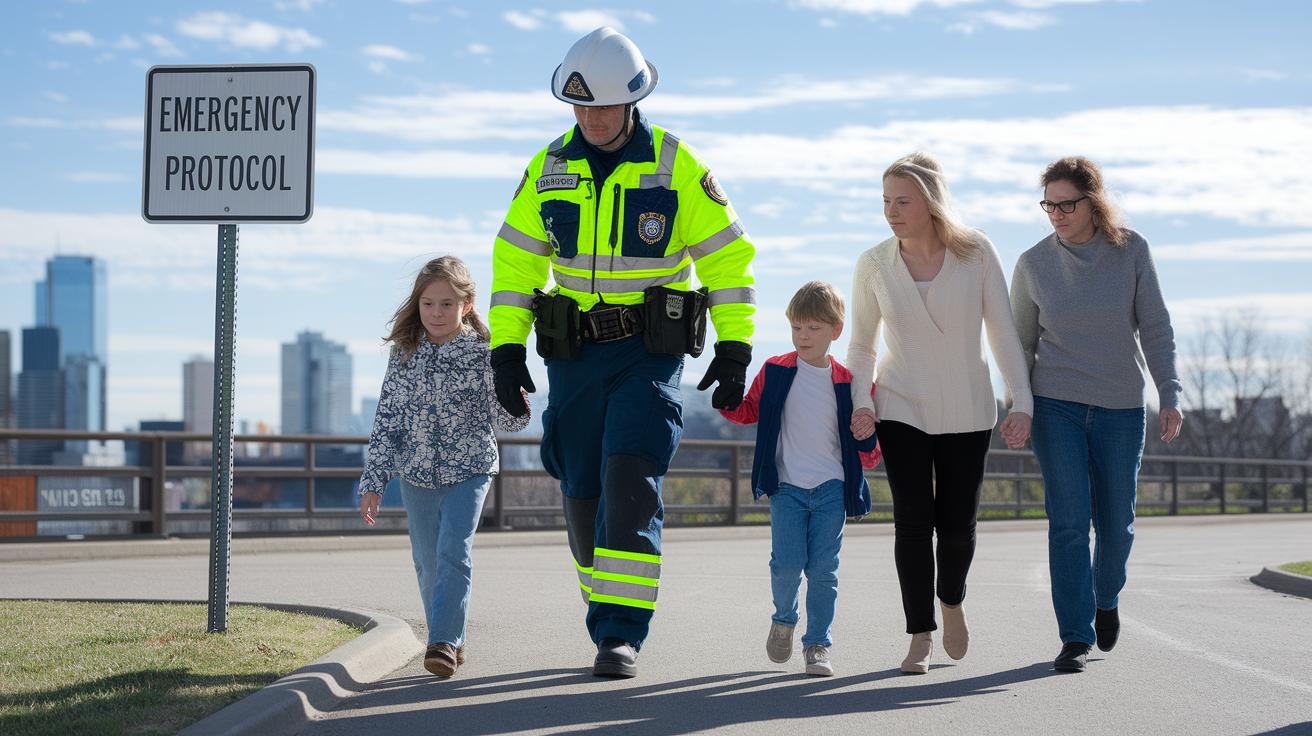

Quick take: In an emergency, every second counts, know your safe exits and act fast.
If you notice dangerous signs like heavy smoke or blocked exits, do the following:
• Emergency: Call emergency services now (911 in the US) if you or others are in immediate danger.
• Urgent: Follow directions from safe authority figures or signs to exit quickly.
• Self-Care: Only grab essential items to minimize delays.
When smoke fills a room or exits are blocked, focus on these steps:
- Quickly look for a safe exit.
- Follow instructions from emergency personnel or trusted safety signs.
- Only take what you need, avoid extra items that slow you down.
This guide is designed to help you remain calm and take effective action when a real emergency strikes. By preparing yourself with these clear steps, you can protect your life and the lives of those around you.
Emergency protocol: Be Safe, Act Now
Quick take: In an emergency, stay calm, know your exits, and follow trusted directions.
Triage: If you see signs of danger, smoke, flames, or blocked paths, call emergency services now.
- Find your exits. Quickly note your main and backup exit routes. Knowing the nearest stairwell can save your life if the main door is blocked.
- Stay calm and listen. Follow clear, official directions from emergency personnel.
- Use only trusted information. Avoid rumors and unverified details to prevent confusion.
- Limit your phone use. Keep calls for true emergencies to keep lines open for urgent help.
- Grab only your emergency kit and essentials. Take your pre-packed kit plus items like your wallet, and leave extra belongings behind.
- Take the stairs. Use stairs for a safe exit and reserve elevators for those who need help moving.
- Head to your assembly point. Once you exit, go straight to the designated meeting area so emergency teams can check that everyone is safe.
By acting quickly and following these steps, you help keep yourself and others safe during a crisis.
Context-Specific Evacuation and Assembly Procedures

When an emergency happens, adjust your safety plan to match your building's layout. This simple change can help everyone exit quickly and safely, especially during fires or when the structure is damaged.
If you see any of these signs, call emergency services now:
- Thick smoke that makes it hard to breathe.
- Broken windows or blocked hallways.
- Rapid fire spread or heavy debris blocking exits.
Building Evacuation Guidelines
First, know your building well. Look at exit maps posted in common areas. When there's a fire or structural hazard, locate the nearest safe exit and plan an alternate route. Use stairwells for evacuation; do not use elevators unless you need help or are helping someone with limited mobility. Follow exit signs along corridors and auditoriums to confirm the path is clear. On every floor, there should be clear marks for emergency exits. If smoke or debris makes your main exit unsafe, move calmly to an alternate route. Always obey instructions from emergency responders when the alarm sounds.
Assembly Area Procedures
Once you exit the building, go straight to your designated assembly point. For example, if Carlin Hall Basement is your meeting place, head there immediately. Check your name off and help others locate their meeting spot if they need support. A complete headcount is vital so responders know if someone is missing. If you notice someone is not there, alert the nearest official right away so a missing-person report can be started. You might use an official hotline or update through the emergency action notification channel at https://thequickesttips.com?p=1380 to provide accurate info. Stay at the assembly area until you receive an “all clear” signal before re-entering or leaving the zone.
Practice these steps regularly. Scheduled drills help everyone learn the routes, reduce panic, and improve communication.
Communication Protocol in Emergency Situations
In any emergency, clear, verified communication is crucial. Use only official channels to keep lines open for those who truly need help.
• Call only urgent contacts.
• Don’t share unverified messages.
• Use designated emergency hotlines.
• Avoid non-essential chatter that might clog the lines.
• Follow official social media posts and alert systems.
• Stick to the established information chain.
Following these steps helps reduce confusion and keeps communication clear for first responders. When you limit your calls to emergency matters, you give officials the time they need to save lives and keep you safe. Always check with proper authorities for the latest details and keep emergency contacts handy in your kit.
By sticking to this communication plan, you help create an organized, calm environment where everyone gets the right information at the right time.
Customized Emergency Protocols for Specialized Environments

Quick take: Tailor your emergency plans to your setting and update your checklists often.
If you are missing key steps, talk to your department head.
If you feel unsure about your procedures, review your risk analysis.
If your plan is in place, keep practicing and updating it regularly.
Every department must adjust its emergency plan to match specific rules and risks. Use your department checklist and follow the required safety guidelines to be ready when an emergency happens. Change your plan based on the unique hazards and needs of your work area. For clear definitions, visit the emergency management definitions page at emergency management definitions.
| Environment | Key Protocol Areas | Checklist Items |
|---|---|---|
| Clinical wards | Workplace Safety, Health Safety | Daily checks, PPE, quick patient review |
| Laboratories | Lab Safety, Environmental Health | Hazard logs, safety gear, emergency kits |
| Workshops and factories | Workplace Safety, Environmental Rules | Machine safety checks, fire drills, PPE |
| Youth program centers | Youth Safety, Program Standards | Sign-in sheets, evacuation routes, supervision |
| Vehicle fleets | Vehicle Guidelines, Emergency Response | Maintenance logs, safe driving steps |
| UAS/drone operations | Drone Procedures, Public Safety | Operator training, flight limits, emergency signals |
| Environmental compliance units | Environmental Rules, Workplace Safety | Inspection protocols, hazard checks |
| Insurance & claims offices | Claims Process, Worker Safety | Incident reporting, claims tracking |
| Travel and emergent deployment teams | Travel Guidelines, Workplace Safety | Deployment plans, emergency contacts |
| Public health outreach | Health Safety, Emergency Communications | Mass notification plans, headcount checks |
Regular drills and audits help keep every team’s checklist up to date. Practice exercises and review sessions let you check performance and adjust plans quickly. Sharing feedback across departments improves readiness and speeds up emergency response when every second counts.
Personal Emergency Protocol Kits and Evacuation Drills
Quick tip: Keep your kit ready and know your meeting spot so you can act fast when trouble strikes.
If you see life-threatening hazards, call emergency services immediately. If you feel unsafe at home, grab your kit and leave without delay. Make sure every family member understands the meeting point.
Keep your emergency kit updated by checking it often. A complete kit helps you respond quickly when every second counts. Pack the kit ahead of time and include items that each person might need.
Training, Drills, and Protocol Review for Emergency Protocol Maintenance
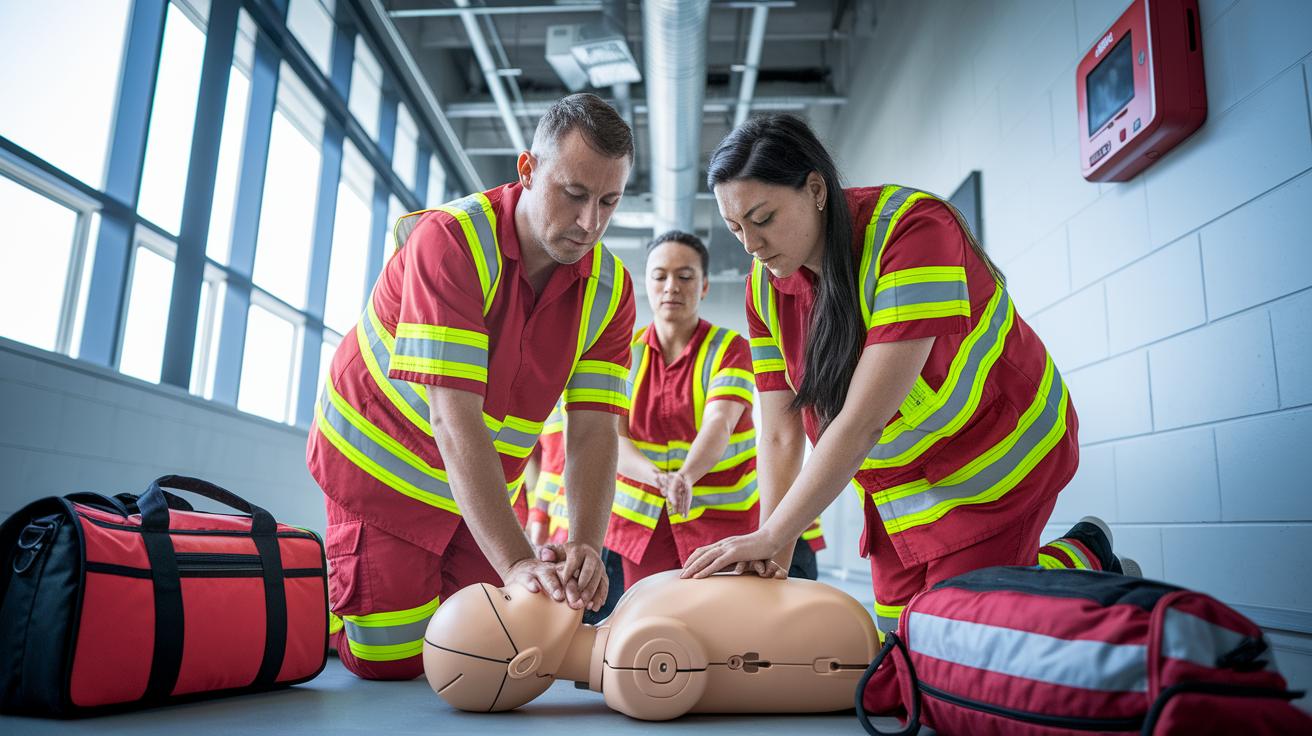
Quick take: Regular drills help everyone act fast and safely during emergencies.
If you notice any major training gaps, act now:
- Call on your training lead to address issues.
- Review any missed steps immediately.
- Update your emergency plan with new lessons.
Realistic drills boost confidence and sharpen response times. They let teams practice in conditions that feel like real emergencies. When you run simulations, you can learn lifesaving skills like CPR, AED (a machine that restarts a stopped heart) use, and mass casualty triage (sorting patients by how urgent their needs are). This hands-on training makes sure everyone is ready when every second counts.
Simulation Exercises
Schedule regular simulation exercises so every team member gets ready for real events. These drills range in size from small group practices to full-scale scenarios. You will follow step-by-step procedures under time pressure, play different roles, and test your coordination. Such exercises help uncover gaps in planning and ensure you know your job when a real emergency hits.
Audit and Evaluation
After each drill, hold a review session to capture feedback and learn from the experience. Track key details like response times, clarity of communication, and how closely you followed the plan. Use these performance checks to spot strengths and see where you can improve. Then, update your protocols based on what you learn. Continuous review and adjustment help make sure you are always ready for any emergency.
Final Words
In the action, you’ve seen how following clear, step-by-step emergency protocol steps boosts your safety during crises. The article covered quick exit strategies, phone guidelines, and gathering essential items, plus detailed building evacuation rules and communication tips. It also explained kit preparation and regular drills to keep everyone ready. All these points come together to help you act fast, reduce panic, and keep calm. Stay confident and prepared as you follow your emergency protocol and ensure a safe response in any situation.
FAQ
What does an emergency preparedness plan PDF provide?
An emergency preparedness plan PDF outlines clear safety steps, exit routes, essential kit contents, and communication procedures. It serves as a quick reference during a crisis to keep you safe.
What does an emergency preparedness plan for the workplace include?
An emergency preparedness plan for the workplace details designated exits, assembly points, roles, and communication steps to ensure a swift, coordinated response during emergencies.
What do family emergency plan PDFs typically include?
A family emergency plan PDF includes designated meeting spots, escape routes, emergency contact details, and a checklist of vital items to pack, ensuring family coordination during crises.
What do emergency response procedure PDFs typically contain?
Emergency response procedure PDFs provide step-by-step instructions, roles, emergency contacts, and checklists to help coordinate a timely and organized response during an emergency.
What are some emergency response and preparedness examples?
Emergency response examples include following a step-by-step evacuation plan and limiting nonessential phone use, while preparedness examples involve maintaining an emergency kit and scheduling regular drills.
What are emergency procedures in the workplace?
Emergency procedures in the workplace guide you to locate primary and alternate exits, follow safety instructions, restrict phone use, gather essential items, and proceed to a designated assembly area promptly.
What are the basic emergency protocols, including the 5 P’s and 7 steps?
Basic emergency protocols involve planning, practicing, and executing critical actions. They cover 7 steps—from locating exits to assembling—and incorporate the 5 P’s to help you prepare, protect, and respond effectively.