


Quick take: A twinge in your testicles or lower belly might be a serious sign that needs quick care.
If you have any of these emergency signs, call emergency services now:
• Severe, sudden pain
• Swelling that worsens fast
• Fever or nausea with the pain
You may notice a sharp or aching pain in your lower belly and testicles. It might seem like a small annoyance, but it could be a sign of testicular torsion (when the testicle twists and cuts off blood flow), an infection, or a hernia. Knowing these signs and acting early can help protect your health.
Comprehensive Overview of Lower Abdominal and Testicular Discomfort
Quick take: Pain in your lower abdomen and testicles may be a sign of several conditions. If you notice severe or changing symptoms, act now.
If any of these emergency signs show up, call emergency services immediately:
- Severe, twisting pain (could mean testicular torsion, where blood flow is blocked)
- Sudden swelling or color changes in your scrotum
- Sharp, cramping pain that starts in your back, moves across your abdomen, or goes into your testicles
- A bulge in the scrotum that appears when you stand or lift something heavy
Lower abdominal and testicular pain can start slowly or hit all at once. Sometimes mild discomfort can quickly become serious. A sudden twisting pain may mean testicular torsion, which is a true emergency. Other issues, like infections or injuries, can cause reddish skin, swelling, or a dull ache that lasts for days.
For example, kidney stones can cause sharp, cramping pain that moves from your back to your abdomen and testicles. With an inguinal hernia, tissue can push into the scrotum, creating a visible bulge when you’re active.
Common causes include:
- Testicular torsion (twisting of the testicle)
- Epididymitis (inflammation of the tube that stores sperm)
- Inguinal hernia (tissue pushing into the scrotum)
- Kidney stones (sharp, cramping pain, sometimes with blood in urine)
- Varicocele/hydrocele (a dull ache or heaviness)
If you experience any of these signs, please contact your healthcare provider immediately. Early review can help rule out emergencies and set you on the right treatment path.
Infectious Causes of Testicular and Lower Abdominal Discomfort: Epididymitis and Orchitis
Quick take: Infections in the testicle area can cause pain and swelling, so prompt check-up matters.
Triage Box:
If you have any of these signs, call emergency services now:
- Severe, sudden pain
- High fever (above 102°F)
- Vomiting or feeling faint
- Rapid swelling or redness
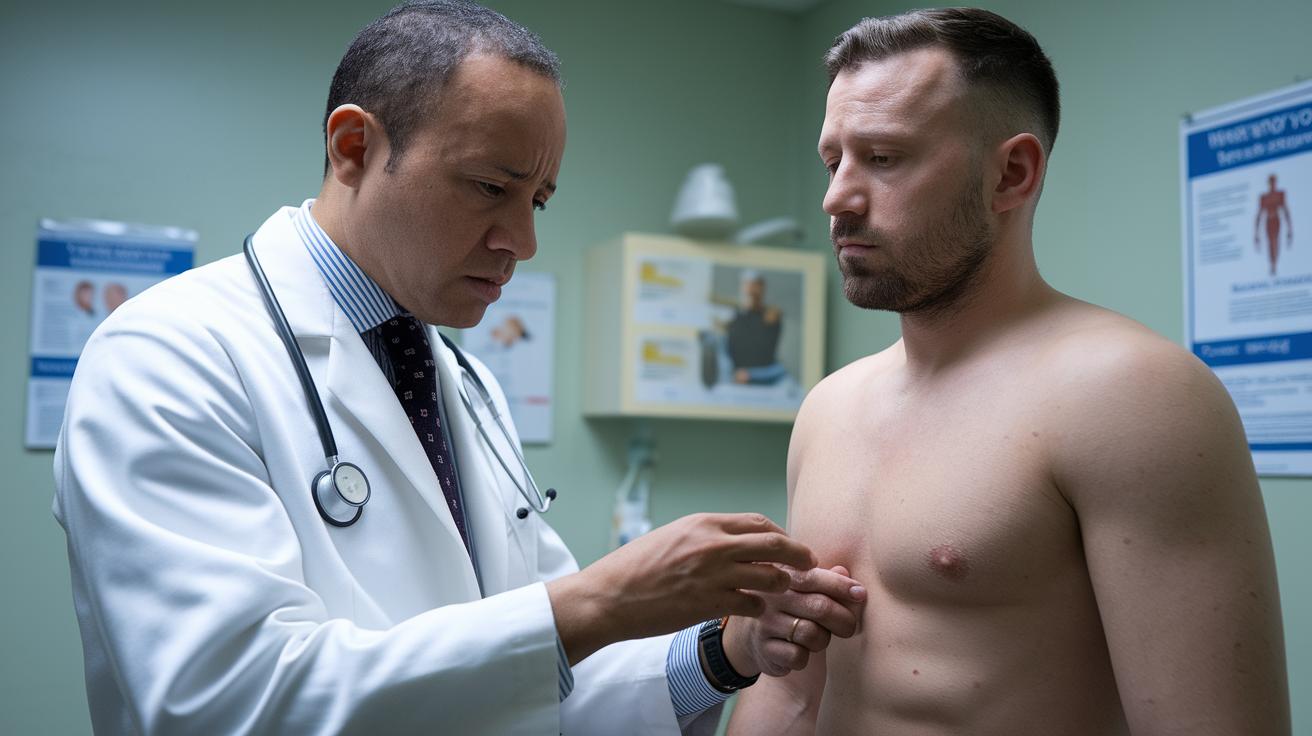
Epididymitis is when the tube that stores sperm becomes inflamed, causing pain, redness, warmth, and swelling around your scrotum and lower abdomen. In younger men, germs like Chlamydia or gonorrhea often cause this, while older men usually get it from bacteria in the urinary tract. Orchitis, an inflammation of the testicles, is most often due to a virus like mumps and looks very similar. Both can make your daily routine really uncomfortable.
Your doctor will ask about your symptoms and review your medical history, including any issues with urination or recent sexual encounters. They often order a urine test (urinalysis and urine culture) to pinpoint the infection. A color-Doppler ultrasound (an exam that checks blood flow) is also used to make sure the testicles aren’t twisted, a twist (testicular torsion) needs emergency treatment.
Treatment generally means taking antibiotics for 10–14 days and using NSAIDs (pain relievers) to ease discomfort and lower swelling. Rest and supporting your scrotum with special underwear or even a rolled-up towel can help a lot. Most men see a big improvement in 2–4 weeks when they follow these steps.
Vascular Emergencies and Testicular Torsion: Recognizing a Surgical Emergency
Testicular torsion is a serious emergency that causes sudden, severe pain in one testicle. You may notice that one testicle sits higher than the other and the usual cremasteric reflex (a quick muscle response) is missing. Nausea, vomiting, and rapid swelling often follow these signs. Even a short delay in treatment can reduce the chance of saving the testicle.
If you have any of these emergency signs, call emergency services now:
- Sudden, sharp, one-sided scrotal pain
- A testicle that sits abnormally high
- Missing cremasteric reflex
- Nausea or vomiting
- Rapid swelling
Time is critical. If you are trained, quick manual detorsion (untwisting the testicle by hand) may help until you reach urgent care. Surgery to secure the testicle (orchiopexy) should occur within 6 hours to preserve function. When treated promptly, over 90% of testicles can be saved, but if treatment is delayed, the success rate drops to below 50%.
Follow these steps immediately:
- Recognize the signs: severe one-sided pain, a high-riding testicle, and a missing cremasteric reflex.
- If you are trained, perform manual detorsion without delay, but ensure you contact emergency services right away.
- Seek urgent medical evaluation. A Doppler ultrasound (an imaging test that checks blood flow) may be used if it does not delay treatment.
- Undergo surgical orchiopexy within 6 hours to maximize the chance of saving the testicle.
Act quickly. Your prompt response can help prevent long-term damage.
Mechanical and Obstructive Factors: Hernias, Kidney Stones, and Related Pain
Quick take: These mechanical issues can cause lower belly and testicular pain. Check for emergency signs and act if they appear.
If you have any of these emergency signs, call emergency services now:
- Severe, sudden pain that worsens quickly.
- High fever or chills.
- Inability to keep fluids down or persistent vomiting.
- Extreme swelling or a hard, bulging mass.
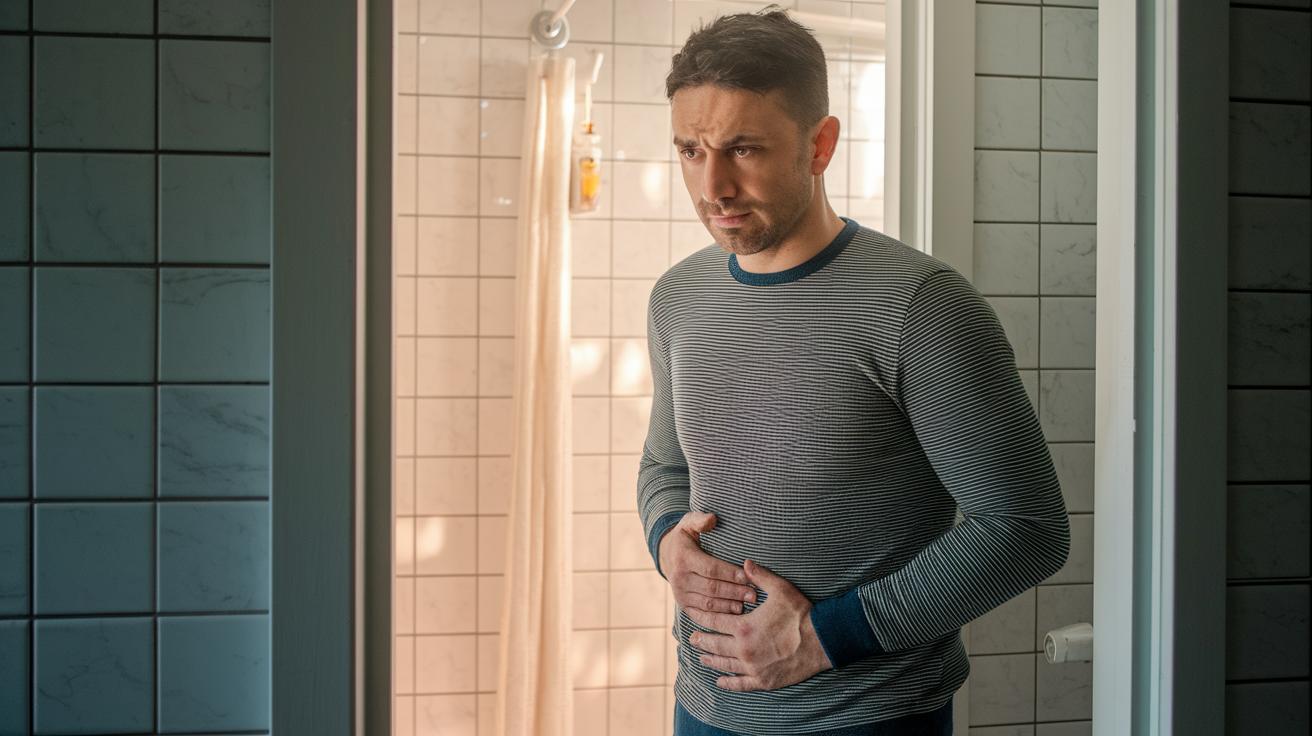
An inguinal hernia happens when tissue pushes through a weak spot in your groin. You may notice a bulge that hurts more when you stand or lift heavy items. The pain is usually a dull ache and can reach your testicle. A doctor confirms this by doing a physical exam or an ultrasound.
Kidney stones are small, hard deposits that form when minerals in your urine crystallize. They often cause sharp, cramping pain in your side that can radiate down to the groin or testicle. You might also see blood in your urine and feel nauseous. Treatment usually starts with IV fluids and pain relievers (NSAIDs) to ease the discomfort. For stones larger than 5 mm, procedures like shock wave lithotripsy may be needed. This pain can disrupt daily activities and basic comfort.
Varicocele and hydrocele also contribute to lower abdominal and testicular discomfort. Varicocele occurs when the veins in the scrotum become enlarged, while hydrocele is when fluid builds around your testicle. Both conditions often cause a steady, dull ache or a feeling of heaviness, especially after a long day on your feet. Many times, these issues are managed with careful observation. However, if the pain continues or you have concerns about fertility, a doctor might suggest surgery.
Understanding these mechanical issues helps you know what to watch for and guides proper treatment so you can get back to your normal routine.
Diagnostic Approach for Lower Abdominal and Testicular Discomfort
Quick take: Your discomfort might be from an infection, injury, or blockage. Always check for red flags and seek help if needed.
Triage:
If you have any of these emergency signs, call emergency services now:
- Sudden, severe pain that gets worse quickly.
- High fever (above 102°F) or confusion.
- Noticeable swelling or blood in urine.
Start by talking with your doctor about your pain. You should note when it began, how long it lasts, and rate it on a scale from 0 to 10. Mention if the pain spreads to other areas, if you have changes in your bladder or bowel habits, or if your sexual activity might relate. Also, tell your doctor about any recent injuries or heavy lifting that might have triggered the pain.
Your doctor will then do a focused exam. They will look at your lower abdomen and check your scrotum for swelling and tenderness. They will gently feel the spermatic cord (the tube that sends signals and blood to the testicle) and check for any signs of a hernia. They will also test your cremasteric reflex (a muscle reaction in the scrotum) to help understand the cause of your pain.
Next, lab tests can help. A complete blood count (CBC) checks for infection signs. A urinalysis and urine culture help find any infections in your urinary system.
Imaging tests confirm what is going on. A color-Doppler ultrasound checks blood flow to your testicles and nearby areas, helping to show if a twist (torsion) is present. If there is a worry about kidney stones or a complex hernia, a CT scan of your abdomen and pelvis might be ordered.
This clear, step-by-step approach helps doctors pinpoint the cause of your pain and guide the right treatment.
Home Care and Non-Surgical Management of Lower Abdominal and Testicular Discomfort
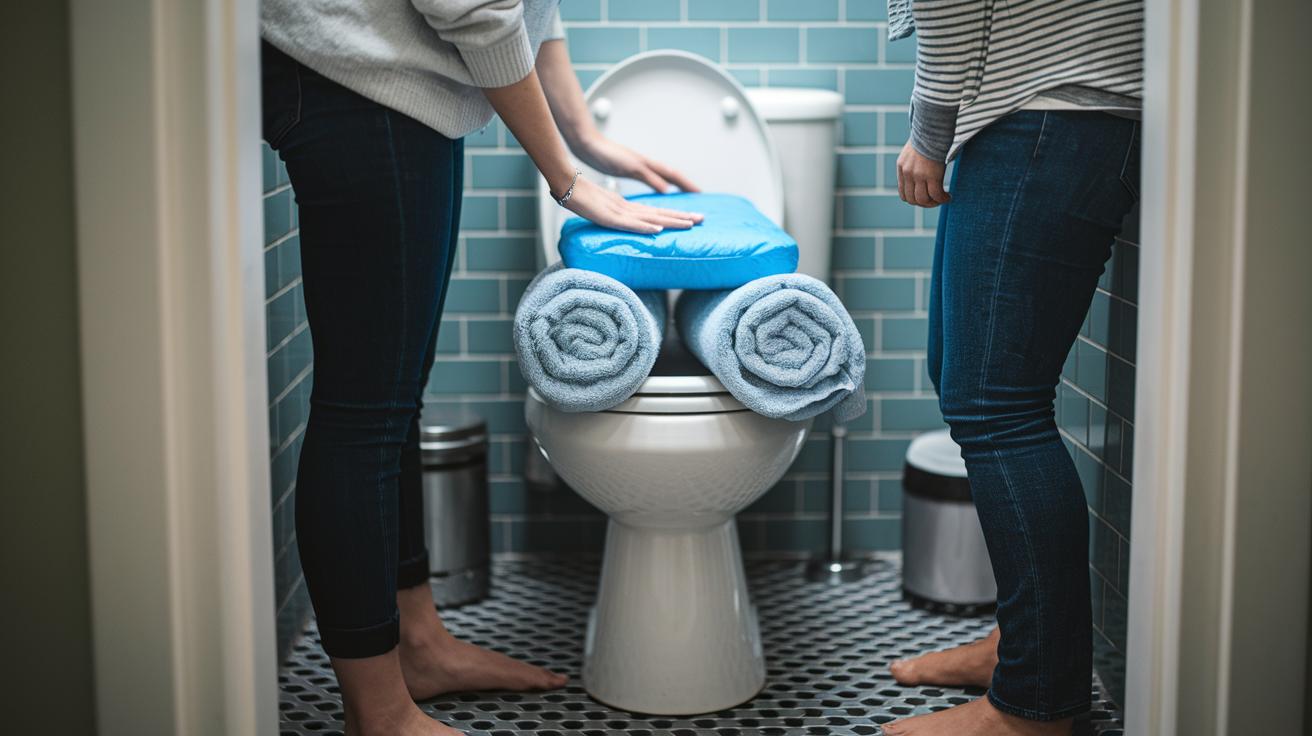
Rest is crucial for easing your discomfort. Try supportive underwear or place a rolled towel under your scrotum to help lower swelling. When pain hits, use a cold pack for 10–15 minutes every 1–2 hours to quickly relieve pain and calm inflammation.
For pain relief, nonsteroidal anti-inflammatory drugs work well. You can take ibuprofen at 400–600 mg every 6–8 hours or naproxen at 250–500 mg twice daily to reduce your pain. A warm sitz bath (a bath that soaks only your lower body) can also relax pelvic floor muscles and ease abdominal cramps. This blend of medicine and gentle heat often soothes both lower belly pain and scrotal discomfort.
Staying well-hydrated is another important step. Drinking 2.5–3 liters of water each day can help prevent kidney stones, which might worsen your pain. Consider simple dietary changes too, try cutting back on foods high in oxalates and sodium. Gentle pelvic floor stretches or yoga poses focused on the abdomen and groin can ease discomfort and boost muscle flexibility.
Some people also find that herbal options like turmeric and bromelain (an extract from pineapples with anti-inflammatory effects) help reduce pain. Always check with your doctor before adding any new herbal remedies. These self-care steps not only aim to ease your current discomfort but also help lower the risk of future episodes, keeping you active and well.
Red Flags and Triage: When to Seek Immediate Medical Attention for Abdominal and Testicular Pain
Quick take: If you have sudden, intense pain in your testicle or lower belly along with fever, swelling, nausea, or trouble peeing, act now.
If you notice any of these signs, call emergency services immediately or go to the nearest emergency room:
- Sudden, severe pain in your testicle or lower abdomen
- A fever above 101°F
- Fast swelling or redness in the area
- Constant nausea or vomiting
- Difficulty urinating or not being able to pass urine
- Visible blood in your urine
Before you seek help, please review the Triage flowchart for abdominal pain for more guidance.
Final Words
In the action, this guide covered key factors behind lower abdominal and testicular discomfort and shared clear next steps. We reviewed causes like torsion, infections, hernias, and kidney stones. It laid out home care measures and steps to follow red flags quickly.
Stay alert to sudden changes. Monitor your symptoms and seek immediate care if needed. By tracking details and acting decisively, you help yourself get the right treatment fast. Keep focused on your care and bounce back strong.
FAQ
Q: What does pain in the left or right testicle with lower abdominal pain indicate?
A: The pain in your testicle paired with lower abdominal discomfort may point to conditions such as epididymitis, inguinal hernia, kidney stones, or torsion. Seek prompt evaluation if the pain worsens or is severe.
Q: How can testicle pain be relieved instantly?
A: Relieving testicle pain quickly can include using a cold pack on the area for 10–15 minutes and resting with scrotal elevation. If the pain is sharp or sudden, contact emergency services immediately.
Q: What does right testicle pain with leg or inner thigh pain suggest?
A: Right testicle pain accompanied by leg or inner thigh discomfort might indicate nerve referral or a related muscular or hernia issue. Monitor the pain, and seek care if it intensifies.
Q: How should lower back pain when sitting with testicle pain be viewed?
A: Experiencing lower back pain with testicle discomfort while sitting may result from nerve compression or muscle strain. Adjust your posture and stretch, but get checked if the pain continues.
Q: What is testicular torsion and why is it urgent?
A: Testicular torsion occurs when the spermatic cord twists, cutting off blood flow to the testicle. This condition causes sudden, severe pain and requires immediate medical intervention to save the testicle.
Q: What are red flags and why might my testicle feel uncomfortable?
A: Red flags include sudden severe pain, swelling, fever over 101°F, nausea, or urinary issues. Feeling uncomfortable in your testicle can signal infection or injury, and you should seek immediate help if these signs appear.
Q: Can a lower abdominal strain cause testicular pain?
A: A lower abdominal strain can sometimes refer pain to the testicle due to shared nerve pathways. If the pain persists or worsens, it is important to consult a clinician for proper diagnosis.