


Quick take: Unusual chest discomfort can be a sign to take action.
If you have any of these emergency signs, call emergency services now:
- Severe chest pain that won’t go away
- Trouble breathing or shortness of breath
- Feeling dizzy or faint
Women often experience chest pain differently. Instead of a heavy, crushing pressure, you might feel a sharp, tight, or burning sensation. These symptoms can be confusing, but they deserve attention.
This guide explains why these unusual signs matter and provides simple steps to help you act fast when needed. Stay heart-savvy: track your symptoms and seek help if they worsen or keep coming back.
Chest discomfort in women: Stay Heart-Savvy
Quick take: Chest discomfort in women can feel different from typical heart pain and may need quick evaluation if it lasts longer than 5 minutes or comes with other warning signs.
If you have any of these emergency signs, call emergency services now:
- Pressure or tightness that does not ease with rest
- Pain spreading to your neck, jaw, back, or arms
- Severe fatigue, nausea, or sweating
Women may notice chest discomfort as a burning, sharp pain, or tightness that runs from the neck down to the stomach. This isn’t always the heavy, crushing pain many expect. Even if the feeling seems similar to heartburn or indigestion, lasting discomfort needs to be checked.
There are many causes behind these symptoms. Sometimes the heart shows trouble with unusual signs like pressure or an aching feeling under the breastbone. Other times, lung or digestive issues can cause a burning sensation or discomfort that feels like indigestion. Even if the pain seems mild, unexplained or persistent symptoms deserve attention.
Keep an eye out for these signs:
| Sign | Description |
|---|---|
| Central chest tightness | A feeling of pressure or squeezing in the middle of your chest |
| Aching under the breastbone | A heavy, uncomfortable feeling beneath the center of your chest |
| Sharp, stabbing pain | Sudden, intense pain on one side of your chest |
| Burning sensation | Feels like indigestion or heartburn |
| Radiating pain | Pain that spreads to the neck, jaw, back or arms |
Acting quickly if these symptoms stick around is key. You can help protect your heart by tracking your symptoms and letting your healthcare provider know what you experienced. Your safety is important, and prompt evaluation can mean better care and outcomes.
Cardiac causes of chest discomfort in women

Quick take: Women can have heart pain that may not feel like the typical heavy chest pain.
If you experience any of these red flags, call emergency services now:
• Severe pain that spreads to the neck, jaw, or shoulder
• Extreme tiredness, sweating, or nausea
• Pain that lasts longer than a few minutes or comes with lightheadedness
Women may feel heart pain as pressure, aching, or discomfort in areas such as the back, neck, jaw, or shoulders. For some, a condition called microvascular angina (reduced blood flow in tiny heart vessels) causes a steady ache or pressure instead of sudden, sharp pain. In other cases, a heart attack may show up with intense tiredness, like you just ran a marathon, excessive sweating, and nausea that might seem like a bad stomach upset. Inflammation of the heart’s outer lining, known as pericarditis (irritation of the tissue around the heart), can also lead to chest pain.
| Cardiac Condition | Description | Key Symptoms |
|---|---|---|
| Typical angina | Lowered blood flow in the main heart arteries | Chest pressure and tightness during activity |
| Microvascular angina | Reduced flow in the smallest heart arteries | Mild, lasting discomfort that can spread to the neck or jaw |
| Heart attack | Sudden blockage that harms heart muscle | Severe pain along with extreme tiredness, sweating, and nausea |
| Pericarditis | Inflammation of the heart’s lining | Sharp or burning pain that might change with different positions |
These heart issues can be hard to spot because the pain is often mild and looks similar to non-heart problems. When pain spreads to the neck, jaw, or shoulder, or comes with severe tiredness and nausea, you might not think of a heart problem at first. This delay in noticing the warning signs can postpone needed treatment and may harm the heart. Knowing how these symptoms show up can help you seek care in time to protect your heart.
Noncardiac origins of chest discomfort in women
Quick Take: Chest pain in women may come from lung, digestive, or muscle issues rather than a heart problem.
Triage Box:
• If your pain starts suddenly and makes breathing hard, seek urgent help.
• If the pain gets much worse with movement or deep breaths, call your clinician.
• Monitor any burning or sharp pain that does not improve.
Sometimes, chest pain is not linked to the heart. Lung issues like pleurisy (inflammation of the lung lining) or a pulmonary embolism (a blood clot in the lung) can cause a sudden, sharp pain, especially on the right side during deep breaths. This pain usually gets worse with movement, which sets it apart from the pressure-like chest pain of heart problems.
Other causes can come from the digestive system or chest muscles. For example, acid reflux (stomach acid coming up into the esophagus) and esophageal spasms may create a burning pain that feels a lot like heartburn. Conditions like costochondritis (inflammation of the cartilage between the ribs and breastbone) or a muscle strain lead to pain in a specific spot that worsens with certain movements. Noticing whether your pain feels like pressure or a sharp sting can help decide what to do next.
Gender-specific risk factors and influences on chest discomfort in women
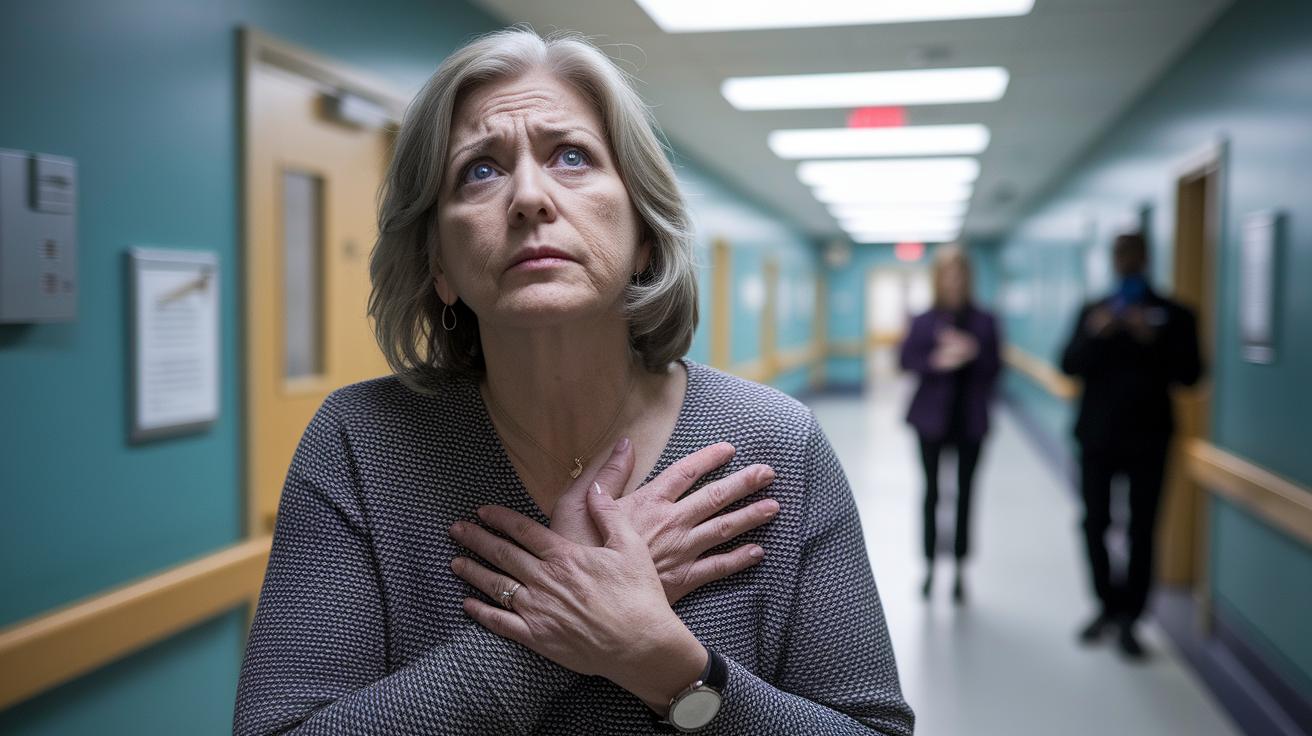
Quick take: Hormone shifts during menopause can change how chest discomfort feels, so it may not always seem like classic heart pain.
If you feel strong chest pain, experience shortness of breath, or feel dizzy, call emergency services immediately.
Hormonal changes play a big role. When estrogen drops, your blood vessels can change, and the way you feel pain might also shift. For many women, mild discomfort can become more noticeable during menopause, even if it doesn’t feel like the typical heavy pressure.
Other factors matter too. Conditions like high blood pressure, diabetes, and obesity tend to affect women more strongly. Add in female-specific issues such as autoimmune disorders and pregnancy complications like preeclampsia, and your risk goes up further. Mental stress can also worsen discomfort.
Chest pain in women may show up as a steady ache in the back, neck, or jaw instead of the expected tight pressure on the chest. This can make it harder to spot heart trouble. It is important to track any new or unusual symptoms and seek care promptly if things change.
Diagnostic approaches for chest discomfort in women
Quick take: Chest discomfort in women can mean many things, and a careful check is needed.
If you have severe chest pain, shortness of breath, or sudden weakness, call emergency services right away.
Your doctor starts by asking when your discomfort began, how long it lasts, and whether you feel tired, nauseous, or lightheaded. This careful conversation, with questions about any unique symptoms women might experience, helps decide which tests are most needed.
One basic test is the EKG. This test checks your heart’s electrical signals. Because women’s heart recovery (repolarization) can look different, doctors read the EKG in a special way. Stress tests, using exercise or medicine to raise heart activity, also adjust for female differences. These tests look at your heart rate, blood pressure, and any symptoms that come with the increased workload.
Blood tests are done too. A common example is checking troponin (a protein that rises when the heart is stressed). Women may show more subtle changes in these markers.
Advanced tests like an echocardiogram (a moving picture of the heart using sound waves) or a cardiac MRI (an in-depth scan with magnets) help examine your heart’s structure and performance. These tests can reveal small areas of trouble that an EKG might miss. Then, your doctor looks at your risk profile and how your symptoms change over time to decide if more testing is needed.
For more details on how symptoms lead to diagnosis, see “How doctors go from symptoms to diagnosis” (https://spiritsocietyofpa.com?p=186).
When to seek medical attention for chest discomfort in women

Quick take: Chest pain may be a warning sign. If you see any urgent changes, act immediately.
If you have any of these emergency signs, call 911 now:
- Chest discomfort for longer than 5 minutes.
- Pain that does not ease with rest or nitroglycerin.
- Pain that spreads to the neck, jaw, back, or arms.
- Accompanied by sweating, dizziness, or nausea.
- A steady heaviness or pressure in your chest.
For more details, see When to seek emergency care for chest pain.
If your symptoms are mild or come and go, jot down key details:
- When the pain starts.
- How long it lasts.
- Any triggers you notice.
- How the pain changes (for example, from a quick sharp pain to a dull, steady ache).
These notes can help you decide if you should schedule a routine check-up with your healthcare provider.
Lifestyle and self-care strategies for women’s heart health
Quick Take: A few simple daily changes can ease chest discomfort and boost your heart’s strength.
• If you have any severe chest pain or trouble breathing, call emergency services now.
• Otherwise, try these self-care steps to help your heart every day.
A healthy lifestyle can make a big difference. Staying active, eating well, and managing stress all support your heart and may reduce discomfort over time.
• Walk briskly or cycle regularly to strengthen your heart.
• Eat a Mediterranean-style diet full of fruits, vegetables, lean meats, and whole grains.
• Avoid tobacco and work on quitting smoking to ease stress on your heart.
• Practice stress-relief activities like yoga or meditation to keep your mood steady.
• Include some light strength training to build muscle without straining your heart.
• Get enough sleep and choose balanced meals and snacks to help keep blood sugar levels stable.
Programs like cardiac rehabilitation can also help. These guided exercise plans and personalized routines build strength, reduce stress, and teach you lasting habits for a healthy heart. Working with specialists can be a great way to customize your routine and feel more confident about your heart health.
Final Words
In the action, this article broke down what chest discomfort in women might mean. It explained differences between cardiac and non-cardiac causes, pointed out key gender-related risk factors, and outlined how doctors diagnose these symptoms. Steps for when to call 911 and ways to care for your heart were clear and direct.
We hope these insights help you act decisively. Remember, early recognition of chest discomfort in women can lead to better outcomes and a healthier heart.
FAQ
Where does chest pain occur in women?
The chest pain in women typically appears in the center below the breasts and may radiate to the neck, jaw, or arms. It often feels like pressure, tightness, or a burning sensation.
When should a woman worry about chest pain?
You should worry when chest pain lasts more than five minutes, is unrelieved by rest, or is accompanied by sweating, dizziness, or nausea. Acting quickly can prevent further heart damage.
What can cause chest pain on the left side in women?
Left-side chest pain in women can be caused by heart-related issues such as coronary artery disease or heart attack, but it may also result from muscle strain or gastrointestinal reflux.
How is chest pain treated in women?
Chest pain treatment in women depends on its cause. Serious symptoms require emergency care, while milder discomfort is managed with medications, lifestyle changes, or therapy as advised by a clinician.
What causes chest pain in women?
Chest pain in women may be due to heart issues like angina or heart attack, or non-cardiac factors such as acid reflux, muscle strain, or lung conditions. A proper evaluation helps determine the cause.
What causes chest pain in men?
Chest pain in men is often linked to coronary artery disease or heart attack, though it can also come from muscle strain, acid reflux, or lung issues. A careful evaluation is needed to pinpoint the cause.
What are the symptoms of a mild heart attack?
A mild heart attack may present as chest pressure, discomfort, shortness of breath, fatigue, and sometimes pain in the arm or jaw. Sweating and nausea can also occur alongside these symptoms.
Why might chest pain occur on and off for a week?
Intermittent chest pain over a week can be due to muscle strain, acid reflux, or minor heart issues. Ongoing or worsening symptoms should prompt a consultation with a healthcare provider.
How can you tell if chest pain is muscular or heart related?
Heart-related chest pain usually comes with pressure, shortness of breath, and sweating, while muscular pain is sharp, localized, and worsens with movement. A healthcare provider’s evaluation is key for an accurate diagnosis.