


Quick Take: Chest tightness can come from simple causes like muscle strain or heartburn, but it may also signal something more serious.
If you have any of these signs, call emergency services now:
• Severe chest pain that spreads to your arm or jaw
• Trouble breathing or shortness of breath
• Dizziness, fainting, or extreme weakness
If you notice milder chest tightness without these red flags, here’s what you can do:
• Rest and sit down until the sensation eases
• Take slow, deep breaths to help calm your body
• Note when the pain happens, how long it lasts, and what makes it better or worse
• If the discomfort does not improve or gets worse over a few days, reach out to your clinician
Chest tightness can be caused by many things. Sometimes it’s just a strained muscle from overexertion. Other times, it could be heartburn (a burning feeling in your chest caused by stomach acid) or stress. However, if a heavy or squeezing pain comes on suddenly, or if it is accompanied by other symptoms like sweating or pain that spreads to other parts of your body, it may be a sign to act fast.
Keep track of your symptoms and follow these steps. By taking note of the details, you can help your clinician figure out the cause and decide what treatment you need. Remember, it’s important to trust your body. If something feels off, don’t hesitate to seek help.
Mid-chest tightness: main causes and red-flag signs
Quick take: Chest tightness can show many causes. Watch for warning signs and act fast if they appear.
Triage checklist:
- Call emergency services now if you have a sudden, severe pain.
- Seek urgent care if the pain spreads to your arm, neck, or jaw.
- Get help immediately if you have trouble breathing, feel faint, or seem confused.
Chest tightness may come from simple muscle strain or heartburn (a burning sensation from stomach acid irritating your throat). Sometimes, the pain follows a mild injury or overexertion. Even if the cause seems minor, do not ignore the pain if it keeps coming.
Heart-related pain usually feels like steady pressure behind your chest bone. It might also spread to your arm, neck, or jaw. You could feel tired, nauseous, or short of breath. These signs may mean your heart is not getting enough blood or oxygen, as seen with angina or coronary artery disease (narrowed blood vessels).
Lung problems may also cause a tight chest. For example, a pulmonary embolism happens when a blood clot blocks blood flow in the lungs. This can cause sudden tightness, breathing problems, and sometimes a cough with blood.
Doctors worry when chest tightness occurs during physical activity, while resting, or alongside lightheadedness. If you notice any of the red-flag signs above, please seek urgent medical help. A healthcare professional will check your symptoms to rule out any serious condition.
Cardiac causes of mid-chest tightness
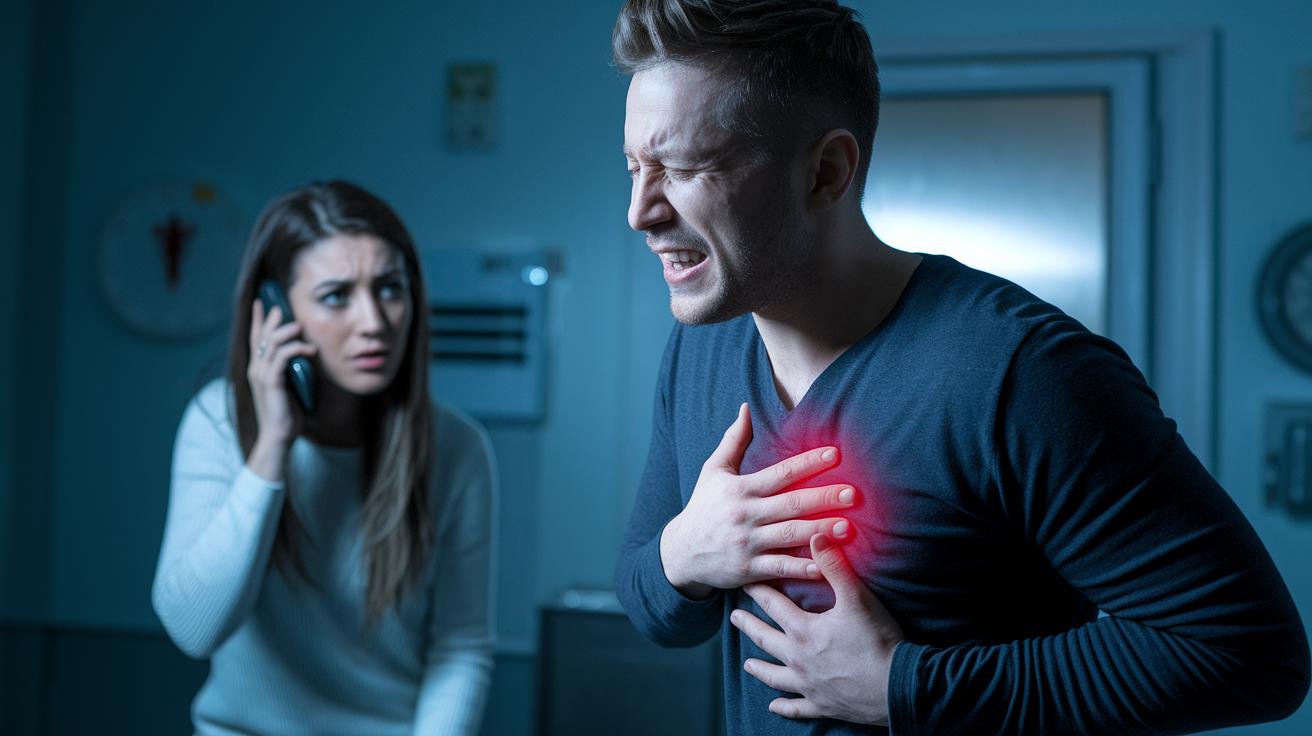
A heart attack is a serious emergency that happens when a sudden blockage cuts off blood flow to your heart. You might feel a heavy pressure behind your breastbone that can turn into a tight squeeze, leaving your chest very sensitive. If your chest feels heavy and tight without a clear reason, it could mean your heart isn’t getting enough oxygen.
Coronary artery disease is a common cause of these symptoms. It occurs when plaque (a buildup of fatty deposits) and inflammation narrow your arteries, reducing the oxygen your heart gets. This can lead to angina, which is chest discomfort or pain that feels like a squeeze in the center of your chest. Often, the pain is right behind the breastbone but can also spread to your arm, neck, or jaw. Because of this, it’s important to get checked by a healthcare professional.
Other conditions can cause similar chest tightness. For example, pericarditis is when the sac around your heart gets inflamed, leading to pressure and pain. Irregular heart conditions, such as hypertrophic cardiomyopathy (a thickened heart muscle) and mitral valve prolapse (a leaky valve), can also create mid-chest tightness. If you experience these symptoms, seek medical advice right away as they might signal a serious heart problem.
Pulmonary triggers of mid-chest constriction
Quick take: Lung issues can cause a strong, deep pressure in your chest that isn't related to the heart.
Triage:
- If you have sudden, severe chest tightness, call emergency services now.
- If you experience rapidly worsening shortness of breath, seek immediate care.
- If you cough up blood or feel sharp, one-sided pain, get help right away.
Lung problems can make you feel an intense pressure in the center of your chest. This is not a heart problem but may signal something serious in your lungs.
A pulmonary embolism is when a blood clot stops blood flow in your lung. It can cause a sudden tightness in your chest, fast shortness of breath, and sometimes a cough with a little blood. This is an urgent situation needing prompt medical evaluation.
A collapsed lung (pneumothorax) usually brings sharp pain on one side of your chest. The pain is clear and should be treated without delay because waiting can make breathing harder. This problem can start suddenly during exercise or even while resting.
Infections such as pneumonia or pleuritis (inflammation of the lung lining) may bring on ongoing chest pressure. These conditions can cause constant discomfort and trouble breathing. Chronic lung issues like asthma or pulmonary hypertension (high blood pressure in the lungs) might also lead to persistent chest tightness, especially with heavy activity.
Keep an eye on these signs. If you notice any of them, get urgent medical help.
Musculoskeletal and digestive sources of mid-chest tightness
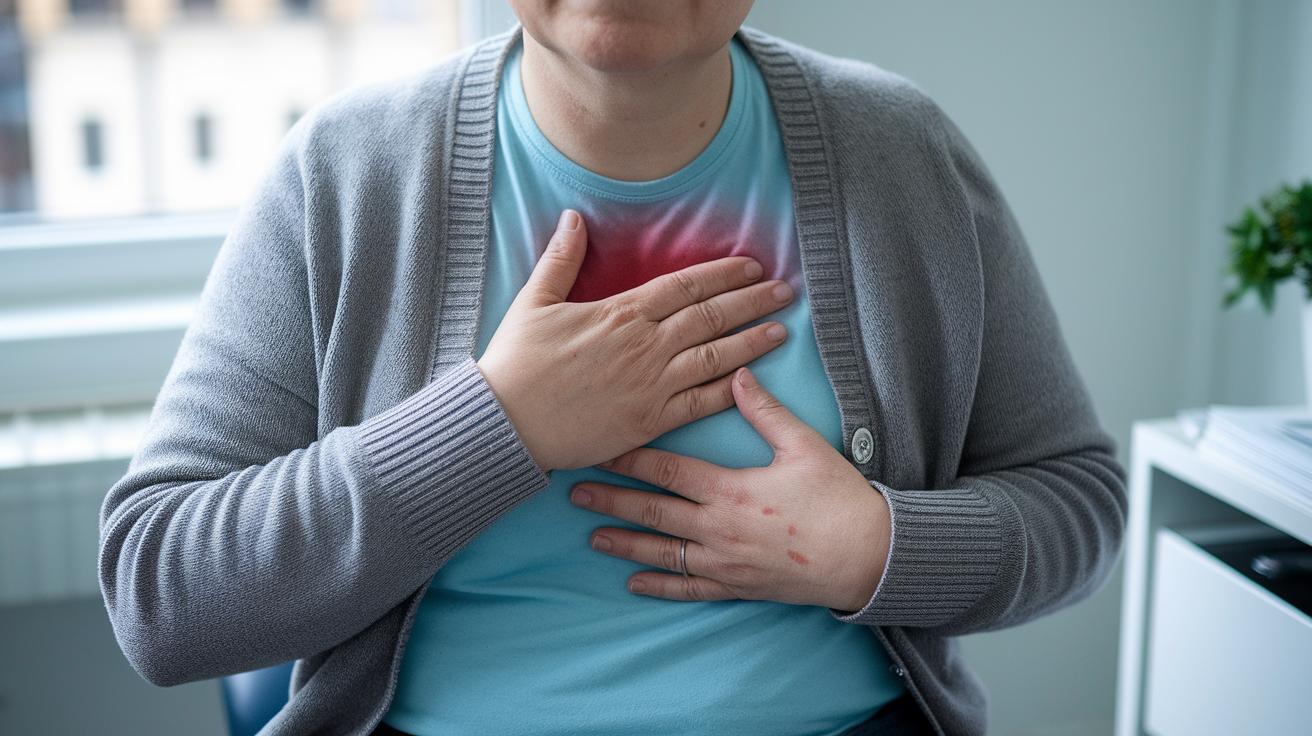
Costochondritis happens when the cartilage that joins your ribs to your breastbone gets inflamed. You may feel a sharp, tender tightness in one spot. It often starts after overuse or a small injury. For example, if you feel a sharp pinch while twisting during exercise, it could be costochondritis.
Intercostal muscle strains occur when the muscles between your ribs are overworked. Heavy lifting or repetitive movements can cause these strains. The pain usually gets worse with movement and eases with rest, suggesting a muscle problem rather than a heart issue.
Acid reflux may also cause chest tightness. Conditions like heartburn, hiatal hernia (a shift of the stomach through the diaphragm), or ulcers can make you feel a burning, squeezing pain below your breastbone, especially after a meal or when lying down. For instance, after a spicy meal, you might feel your stomach acid backing up and triggering discomfort in your chest.
- Rest and do gentle stretches to ease muscle strain.
- Stay upright after meals and avoid trigger foods to help with acid reflux.
- Note if your pain relates to movement or eating. This can help your healthcare provider figure out the cause.
Recognizing these differences can help you manage your symptoms at home. If your pain lasts or gets worse, be sure to see a doctor for an evaluation.
Stress, anxiety, and psychological mid-chest tightness
Quick take: Stress can create chest tightness that feels like heart trouble, but it is often linked to anxiety.
If you have any of these signs, call emergency services now:
- Severe, crushing chest pain that does not go away
- Pain with shortness of breath or confusion
- Pain that spreads to your arms, neck, or jaw
If you notice a strong, steady chest tightness that comes with stress, seek same-day care if it gets worse.
Stress can make your chest feel tight and heavy. When you are anxious or having a panic attack, you might also feel a fast heartbeat and sweating. It may seem like a heart event, but these signs often come with anxiety. Imagine a sudden squeeze in your chest that feels almost crushing. It is alarming, but it is usually a response to stress rather than a heart problem.
Over time, ongoing stress can make your chest and upper back muscles tense up. This muscle tension builds slowly and causes a tight feeling. You may experience this pressure even though your heart is fine. Your mind can create a real sensation of tightness even when there is no physical damage.
Watch for these signs:
- The tightness shows up during stressful moments.
- Slow, deep breaths help ease the pressure.
- Relaxation techniques lower the muscle tension.
If your chest feels tight during stress and improves with deep, slow breathing, it is likely a psychosomatic response (meaning your mind causes a real physical feeling) and not a heart problem. However, always check with your trusted healthcare provider if you find that these symptoms do not improve or seem unusual.
Diagnostic approach for persistent mid-chest tightness

Quick take: Persistent chest pressure may come from heart, lung, or chest wall issues.
If you have any of these emergency signs, call emergency services immediately:
- Severe pain that spreads to your arm or jaw
- Shortness of breath or difficulty breathing
- Sudden dizziness or fainting
Your doctor will start by asking about your medical history, checking you physically, and taking your vital signs like heart rate and blood pressure. This helps decide if your discomfort comes from a heart problem, lung issue, or chest wall inflammation (swelling around the rib area).
They usually perform an ECG (a test that measures your heart’s electrical activity) to look for signs of reduced blood flow. Next, a chest X-ray or an echocardiogram (a picture of your heart using sound) can show heart abnormalities.
Blood tests to check troponin levels (a marker for heart muscle injury) may also be done. An ultrasound can look at the area where your ribs meet your breastbone to find costal cartilage inflammation, which can mimic heart trouble.
For lung causes, doctors use pulmonary function tests to see how well your lungs work and CT angiography to detect blood clots or blockages.
Checklist:
- Review your medical history, do a physical exam, and measure vital signs
- Use an ECG, chest X-ray, and echocardiogram to screen the heart
- Check troponin levels for heart muscle injury
- Use ultrasound to assess costal cartilage inflammation
- Run lung tests and CT angiography for lung evaluation
These steps help your doctor tell the difference between heart strain and other causes, so you can get the right treatment.
Self-care and home remedies for mid-chest tightness
Quick take: Mild chest tightness may ease with simple home care.
If you have any of these emergency signs, call emergency services now:
- Severe chest pain
- Shortness of breath
- Pain spreading to your arm, neck, or jaw
- Fainting or lightheadedness
Urgent: If your symptoms get worse or do not improve soon, seek same-day medical advice.
Watch and self-manage: For mild discomfort, try these steps and keep track of your symptoms.
Start by taking a break. Sit or lie down and rest your chest. Rest helps your muscles relax. If you feel some tightness, gently hold a cool compress against your upper torso. A clean, cool cloth on your chest for about 10 minutes may reduce the discomfort.
It may help to use an over-the-counter pain reliever like an NSAID (a common medicine for aches, such as ibuprofen) if your chest feels sore from muscle strain.
Move slowly into gentle stretching. Stand tall and extend your arms to the side. Then carefully pull one arm across your chest and hold it with the other hand for about 20 seconds. Switch arms and repeat. These basic stretches can help loosen tight muscles that might be causing the pressure.
Try slow breathing exercises if stress is a factor. Lie down, place one hand on your belly, and slowly breathe in through your nose so your belly rises. Then exhale gently through your mouth. Some guided relaxation, like listening to calm music or doing a mild stretching session, can further ease your tension.
Also, look at your diet. If you have acid reflux (a burning feeling from stomach acid), avoid foods that trigger it. Cut back on spicy or fatty foods and try not to eat a heavy meal near bedtime. Elevating your head when you sleep can also help ease nighttime discomfort.
- Rest and use a cool compress
- Do gentle upper-body stretches
- Practice slow, deep breathing
- Adjust your diet to reduce acid reflux
These steps may help you manage mild mid-chest tightness until you can talk with a healthcare provider.
Emergency warning signs for mid-chest tightness

If you feel a sudden, heavy tightness in your chest that won’t go away, call 911 right away. This may be a sign of something serious.
If your chest pain lasts more than 2 minutes, if it spreads to your arm, neck, or jaw, if you start sweating, feel nauseated or lightheaded, or if you have trouble breathing or a fast, irregular heartbeat, seek help immediately.
For example, if your chest tightness moves up to your jaw and comes with nausea, don’t wait – dial 911 now.
| Warning Sign | What to Do |
|---|---|
| Severe chest tightness lasting over 2 minutes | Call 911 immediately |
| Pain moving to the arm, neck, or jaw | Call 911 immediately |
| Sweating, nausea, or feeling lightheaded | Call 911 immediately |
| Extreme shortness of breath or fast, irregular heartbeat | Call 911 immediately |
Final Words
In the action, we broke down mid-chest tightness and its potential causes. We looked at heart, lung, muscle, digestive, and stress-related sources. The guide explained how symptoms differ and when you need help immediately, especially if you see warning signs like severe pain or trouble breathing. We shared practical tips for home care and clear steps to track your symptoms. Remember, tightness in middle of chest should always be taken seriously. Stay calm, record your signs, and seek help when urgent features appear. Stay safe and positive.
FAQ
Q: What causes chest pain in women?
A: Chest pain in women may be due to heart problems, lung conditions, muscle strain, or acid reflux. It typically feels like pressure in the center of the chest and sometimes radiates to the arm, neck, or jaw.
Q: What causes pain or tightness in the middle of the chest between the breasts?
A: Pain or tightness between the breasts might stem from conditions such as heartburn, costochondritis (inflammation of rib cartilage), or heart-related issues, as well as lung and stress effects. Always have persistent symptoms evaluated by a clinician.
Q: Why does my chest feel tight and heavy?
A: A chest that feels tight and heavy may result from heart strain, lung issues, digestive disturbances, or stress-induced muscle tension. Seek medical help if the heaviness comes with shortness of breath or other concerning symptoms.
Q: What does it mean if I experience chest tightness with no other symptoms or a weird feeling in my chest?
A: Experiencing chest tightness or an unusual chest sensation without other symptoms can be linked to muscle strain, mild reflux, or anxiety. Monitor the situation, but consult a professional if it worsens or new symptoms develop.
Q: How can I relieve chest tightness?
A: You can ease chest tightness by resting, applying a cool compress, doing gentle stretches, and practicing deep breathing exercises. Over-the-counter anti-inflammatory medication may also help, but follow up with your clinician if symptoms persist.
Q: When should I worry about a tight chest and what are early warning signs of heart failure?
A: A tight chest that starts suddenly and comes with pain radiating to the arm or neck, shortness of breath, nausea, or lightheadedness requires urgent care. These signs may indicate a heart issue, warranting immediate medical attention.