


Quick take: Your body may be warning you of overheating, act quickly if you notice these signs.
• If you have a severe headache, confusion, or lose consciousness, call emergency services right away.
• If you experience a high fever, rapid heartbeat, or persistent dizziness, seek urgent medical care.
• If you only have mild signs like muscle cramps or extra thirst, take steps to cool down and keep an eye on your symptoms.
Your body sends clear signals when it starts to overheat. A sudden headache or unexplained dizziness isn’t just a bad day in the sun, it can be an early alarm. Even small signs such as cramps or increased thirst mean you should cool off soon. Recognizing these hints early gives you the chance to lower your body temperature safely and avoid more serious problems later.
Identify Early Heat Stroke Warning Signs
Quick Take: Early signs of heat stroke mean you need to cool off and drink fluids right away.
Triage Box:
• If you have any of these emergency signs, call emergency services now: severe confusion that worsens, seizures, or loss of consciousness.
• If you feel very dizzy or have trouble staying awake, seek same-day medical care.
• If you notice a persistent headache, extreme thirst, muscle cramps, nausea, or an upset stomach, get to a cool place and drink water immediately.
Your head may pound with a steady, throbbing ache. This pain warns you that your body is heating up and under stress.
You might feel unusually thirsty with a dry mouth. This shows that you could be dehydrated. Drinking water early can help.
Sudden, painful muscle cramps can be an early sign that your body isn’t cooling properly.
Feeling lightheaded or dizzy means you might be losing balance in the heat. It can signal that your body is struggling.
Unusual tiredness or weakness might mean your body is overheating, even when you haven’t exerted yourself much.
An upset stomach or feeling like you might vomit shows that your internal systems are stressed by the heat.
Changes in your mood, like confusion or irritability, indicate that your brain feels the effects of high temperatures.
Watch your symptoms closely. If they worsen or more dangerous signs appear, get help right away.
Recognize Severe Heat Stroke Warning Signs

Quick take: Your body may overheat fast and need immediate help if you see these signs.
If your body stops cooling itself, serious trouble can follow. Your temperature may rise above 104°F and even hit 106°F. These high numbers can cause lasting harm or death.
Call emergency services now if you or someone else shows any of these signs:
- Stop sweating even when it's very hot
- Skin feels hot, dry, and red instead of cool
- Shivering or chills occur even with a high body temperature
- You feel very confused or disoriented
- There is a sudden collapse or loss of consciousness
- You notice rapid breathing, extreme weakness, or other organ problems
These red flags show that your brain and body are under heavy stress from the heat. Delaying treatment can lead to permanent damage or life-threatening problems. Stay alert and act fast when these signs appear.
heat stroke warning signs: Stay Alert & Safe
Quick take: Thirst is your body's early warning.
If you have any of these emergency signs, call emergency services now:
- Fainting or loss of consciousness
- Persistent confusion
- Very rapid heartbeat (over 120 beats per minute)
- No sweating on a hot day
When you don't drink enough water, your body loses its cooling power. This dehydration can kick off heat exhaustion and even lead to heat stroke. Not drinking water when it's very hot puts you at risk of serious heat issues.
High-risk groups include:
| Who is at Risk | Why |
|---|---|
| People over age 65 | Older bodies handle heat less well. |
| Infants and young children | They lose fluids faster. |
| Outdoor workers | Long hours in direct sunlight raise risk. |
| Endurance athletes | Intense exercise in heat stresses the body. |
| People with chronic illnesses | Medications and conditions can affect hydration. |
For example, an outdoor worker might say, "I thought a quick sip of water was enough until I felt dizzy and confused." That shows how easy it is for dehydration to turn dangerous.
Also, if you're not used to the heat, your body finds it harder to cool down. Gradually getting used to warm temperatures can help. Keep an eye on any early signs and drink water often. This simple habit can be lifesaving.
Heat Stroke Warning Signs vs. Heat Exhaustion Cues

Heat exhaustion makes you sweat heavily, leaves your skin pale and cool, and can cause painful muscle cramps and weakness that usually get better within about 30 minutes if you rest in the shade and drink cool water. In contrast, heat stroke happens when your body can’t cool itself down. Your skin may feel dry and hot, your internal temperature can go above 104°F, and you might feel confused or disoriented.
| Symptom | Heat Exhaustion | Heat Stroke |
|---|---|---|
| Sweating | Sweats heavily | Sweats little or not at all; skin feels dry and hot |
| Skin Temperature | Pale or cool | Hot when touched |
| Muscle Cramps | Yes, painful cramps | Usually not present |
| Mental Status | Normal | Confused or disoriented |
| Core Temperature | Not much change | Above 104°F |
If your skin turns dry and hot or you start to feel confused, move to a cool area immediately and get medical help. When you notice that your body stops sweating and your skin quickly feels unusually hot, it is a sign you might be shifting from heat exhaustion to heat stroke.
Immediate Actions for Heat Stroke Warning Signs
Quick take: Act fast if you see signs of heat stroke.
If you notice warning signs such as dry, hot skin, deep confusion, or a sudden collapse, call emergency services right away. Begin by taking steps to lower body heat and support your brain.
Follow these four steps to help a mild heat stroke:
-
Cool Down Fast
- Start cooling immediately when symptoms appear. Use methods like an intranasal evaporative chiller for under 30 minutes. Even a short burst of cooling can help keep your body temperature safe.
-
Keep Your Brain Safe
- Watch for changes in thinking. If you become more confused or disoriented, seek urgent medical help. Calmly lower your core temperature and keep a close eye on your symptoms.
-
Monitor Your Symptoms
- Write down any physical changes and note the time and how severe the symptoms are. For example, record if your headache gets worse or if muscle cramps spread. This record can be useful for the doctor later.
-
Recover Gradually
- Once you feel more stable, start a gradual recovery process. Follow your doctor’s advice to reduce further heat stress.
Also, start hydrating with neuroprotective fluids. Drink 150 ml (about 5 ounces) of an electrolyte drink with magnesium glycinate every 20 minutes. This helps your brain function well and supports recovery.
These steps can save your life. If severe warning signs appear at any stage, do not wait, call emergency services immediately.
Monitoring and Prevention of Heat Stroke Warning Signs
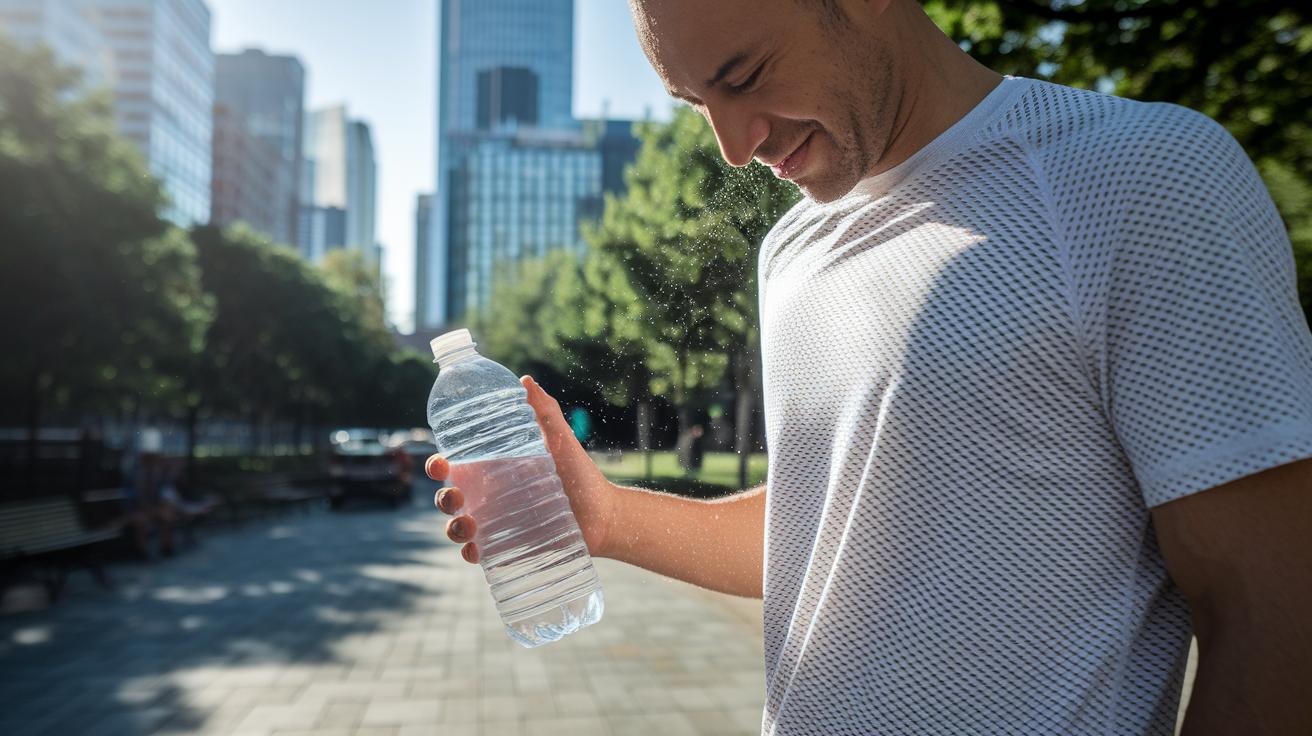
Quick take: Watch your body closely in the heat and act fast if you notice any serious signs.
If you have any of these emergency signs, call emergency services now:
- Confusion or severe dizziness
- Fainting or loss of consciousness
- Seizures or convulsions
If your symptoms aren’t as severe but still concerning, seek same-day medical care.
Keep an eye on how your body feels when it’s hot. Drink 8 oz of water every 20 minutes even if you’re not thirsty. This steady hydration helps keep your body cool. Choose lightweight clothing that lets your skin breathe. Over time, try to get used to warmer conditions gradually over several weeks.
A simple way to stay on top of your wellness is to use a symptom tracker app. You can log your water intake, temperature readings, and any signs of discomfort like extra thirst, lightheadedness, or a warm, dry feeling on your skin. For example, one person noticed fewer headaches when tracking every 8 oz of water.
Plan your day around cooler times. Try to be active early in the morning or later in the afternoon. Taking breaks in the shade helps reduce heat stress. When you notice signs such as increased thirst or dizziness, slow down and find a cool spot.
Keeping a daily record of small changes can help you spot patterns and adjust your routine. Monitor these signals every day and act now if your symptoms worsen.
Final Words
In the action, you learned to spot early heat stroke warning signs, severe hyperthermia symptoms, and differences between heat stroke and heat exhaustion. You also saw key risk factors and first aid steps for managing a thermal emergency. Keeping track of symptoms and staying well-hydrated are practical ways to prevent worsening conditions. Remember, if any red flags appear, call emergency services now. Stay vigilant and proactive in managing your health to keep safe in warm conditions.
FAQ
What are common heat exhaustion symptoms?
The heat exhaustion symptoms include heavy sweating, pale and cool skin, muscle cramps, and weakness. These signs usually improve with rest and cooling measures when the body begins to recover from overheating.
What are common heat stroke symptoms in adults, including mild cases?
The heat stroke symptoms, even in mild cases, involve a rising core temperature, dry hot skin, headache, confusion, and sometimes loss of consciousness. In adults, these signs can progress quickly and require urgent action.
How is heat stroke treated, both medically and at home?
The heat stroke treatment involves immediate cooling, hydration with electrolyte fluids, and rest. At home, apply cooling measures like ice packs while monitoring for worsening symptoms, and call emergency services if significant signs appear.
How do heat stroke symptoms differ from heat exhaustion signs?
The heat stroke symptoms include a failure to sweat, very high body temperature, and altered mental status, while heat exhaustion signs show heavy sweating and muscle cramps. The difference guides the need for urgent care in heat stroke.
How can heat stroke be prevented and monitored?
Heat stroke prevention relies on staying hydrated, wearing lightweight clothing, limiting exposure during peak heat, and using tools like symptom trackers. Monitoring early signs and fluid intake can help you act before symptoms worsen.
Can heat stroke go away on its own, and can heat cause vomiting?
Heat stroke does not resolve on its own and requires prompt cooling to prevent complications, while overheating can trigger vomiting due to dehydration and the body’s stress response during high heat exposure.
What are the five stages of heat stress?
The five stages of heat stress typically progress from heat cramps, heat syncope (fainting), heat exhaustion, heat stroke, and finally the recovery stage, with each stage calling for a different level of care and vigilance.
Can the onset of heat stroke be delayed?
Heat stroke signs usually appear quickly with high exposure. In some cases, symptoms may develop gradually as the body struggles to cool down, so it is important to monitor your condition closely in hot conditions.