
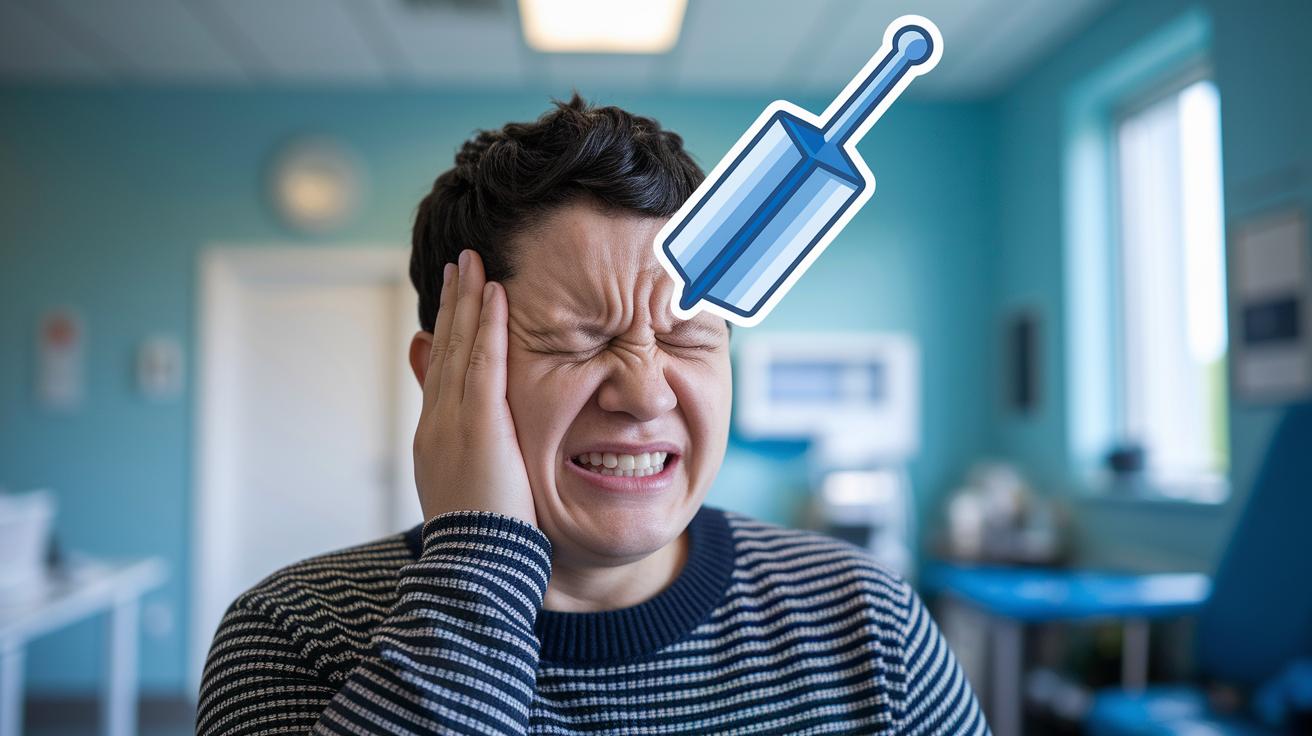

Quick take: Ice pick migraines bring sudden, sharp pain that can catch you off guard. If the pain gets worse or you notice new symptoms, call your clinician.
Ice pick migraines are brief, stabbing pains that may strike without warning. They can make you feel uneasy, especially around bright lights or loud sounds. In this guide, you’ll learn what these attacks are, why they occur, and how to track your episodes step by step.
What to do:
• Write down the time the pain starts and ends.
• Note if bright lights or loud sounds seem to trigger the pain.
• Record other symptoms you feel during the attack.
These simple steps help you watch your symptoms and share clear details with your clinician. Remember, knowing what to do can give you a better sense of control. Read on for practical tips to manage these sudden migraines safely.
Ice Pick Migraine Explained: Definition & Common Symptoms
Quick take: Ice pick migraines cause sudden, sharp head pain that feels like a brief stab, and while they are usually short, they can be unsettling.
If you have any of these emergency signs, call emergency services now:
- Severe, new, or worsening head pain
- Changes in vision, balance, or consciousness
What to do next:
- Monitor the number of episodes and their duration.
- Note if the pain spreads or if you become unusually sensitive to light or sound.
- If the pattern changes or the pain becomes more frequent, seek advice from a healthcare provider.
Ice pick migraines are a type of headache that hits you unexpectedly with a very sharp pain, much like an ice pick jab in your head or near your eye. The pain usually lasts around 3 seconds but might stretch up to 2 minutes. Some people experience as many as 50 attacks in one day.
These migraines affect about 2% of people worldwide, and they can start at any age. The pain might show up in one small spot or move around, and during an attack, you might find bright lights or loud sounds make things worse. Imagine sitting in a bright room and suddenly feeling a sharp, quick pain that makes you want to shut your eyes immediately.
Key points to remember:
- Ice pick migraines are uncommon and different from other headaches.
- Each episode is very brief, so you might not have time to take medicine that works fast.
- The pain does not damage your brain. However, if your attacks become more frequent or change in nature, it’s important to get a check-up.
Keep a simple log of:
- When the pain happens.
- How long each episode lasts.
- How strong the pain is.
- Any triggers you notice (like bright light or loud sounds).
This log can help your healthcare provider decide if further tests or treatments are needed. Remember, these quick stabs of pain might be short, but keeping track of them can provide you with peace of mind and help guide the next steps in your care.
Ice Pick Migraine Triggers & Underlying Factors
Quick take: Ice pick migraines can be triggered by everyday factors like stress, sleep issues, and certain foods.
Triage Box:
If you experience any of these emergency signs, call emergency services now:
- New vision problems
- Severe or unusual dizziness
- Confusion or trouble speaking
These sudden, sharp head pains may seem random, but your daily habits often play a role. Stress and anxiety can set off these brief, piercing headaches. Not getting enough sleep or having an erratic sleep schedule can upset how your brain controls pain. Additionally, drinking too much caffeine or alcohol might lead to an attack.
Other common triggers include:
- High stress or anxiety levels
- Lack of sleep or inconsistent sleep patterns
- Dietary choices, especially too much caffeine or alcohol
- Physical or emotional tension that disrupts your normal pain control
- Hormonal ups and downs in some people
Keep track of your daily habits and note when the pain occurs. This helps you see patterns and take simple steps, such as improving your sleep routine or finding ways to reduce stress. Recognizing these triggers can be a useful part of managing your migraines.
Ice Pick Migraine vs. Other Headache Disorders
Quick take: Ice pick migraines are brief, sharp head pains that occur suddenly and differ from other types of headaches.
Triage Box:
• Red flags: If you experience additional symptoms like confusion, vision changes, or weakness, call emergency services now.
• Urgent: If your headache pattern changes or you have new neurological signs, seek same-day medical attention.
• Watch and self-manage: Track each headache’s start, duration, and location, and follow up with your clinician if they worsen.
Ice pick migraines hurt differently. They give you a quick, stabbing pain that lasts only seconds. You might feel these pains up to 50 times in a day. In contrast, tension headaches cause a steady, pressing pain on both sides of your head and may last anywhere from 30 minutes to several days. Cluster headaches bring a burning or piercing pain around one eye and may come with other signs like tearing and a stuffy nose. Occipital neuralgia creates sharp pain at the back of your skull that can spread to your scalp or behind your eye, sometimes looking like an ice pick migraine. Trigeminal neuralgia makes your face feel a sudden, electric shock–like pain, often triggered by light touch.
Recognizing these differences helps when you track your symptoms. Write down when the pain starts, how long it lasts, where it hurts, and any extra features you notice. This record is valuable for your clinician to figure out the cause and decide if further tests or treatment are needed.
| Condition | Pain Quality | Duration | Location | Extra Signs |
|---|---|---|---|---|
| Ice pick migraine | Stabbing | Seconds (up to 2 minutes) | Small area | May cause light or sound sensitivity; can happen up to 50 times/day |
| Tension headache | Pressing/Tightening | 30 minutes to days | Both sides | Little sensitivity |
| Cluster headache | Burning/Piercing | 15–180 minutes | One side, around the eye | Tearing, blocked nose |
| Occipital neuralgia | Stabbing | Variable | Back of the head, can spread to scalp or behind eye | May mimic ice pick migraine |
| Trigeminal neuralgia | Electric shock–like | Seconds to minutes | Facial areas (V2/V3 areas) | Triggered by light touch |
Ice Pick Migraine: Swift Symptom and Relief Info
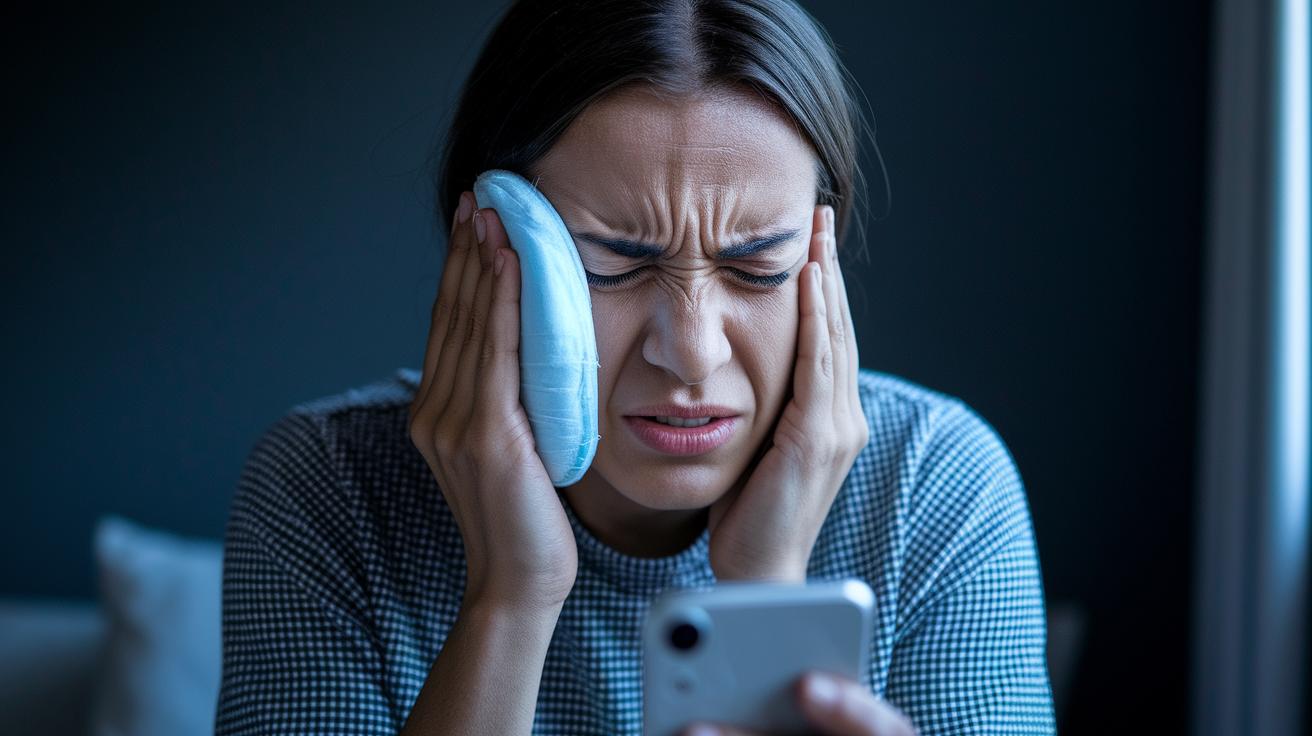
Quick take: Ice pick migraines hurt fast but can be eased quickly with simple steps if no red flags are present.
Triage Box:
Call emergency services now if any of these occur:
• New weakness or numbness
• Vision loss or sudden vision changes
• Confusion or slurred speech
If your pain lasts longer than expected or worsens, seek same-day care.
For mild symptoms, follow the self-care steps below.
When a sudden sharp head pain hits, act fast. Take a break in a dark, quiet room. Dimming lights can lessen the stabbing pain.
Gently press a cool compress on the painful spot. The coolness soothes irritation and numbs the pain. You can use a cold pack or a damp, chilled washcloth pressed softly against your head.
Over-the-counter pain relievers like ibuprofen or acetaminophen might help. Note that triptans (a type of headache medicine) often work less well because the pain lasts only seconds. If you have frequent episodes, keep your medication nearby for quick relief.
Staying hydrated matters too. Sipping water or an electrolyte drink can help rebalance your body. Sometimes just a glass of water can ease the tension.
Slow, deep breathing can also calm your nerves. Try taking a slow inhale for 4 counts, hold for 4 counts, then exhale for 4 counts. This may reduce the attack's severity.
If you experience many episodes that interfere with your daily routine, talk to your doctor about short-term preventive options. Keep a simple log with the time, duration, and any triggers you notice. This record can help tailor your care.
Practice these steps when an ice pick migraine strikes and note which ones help you most.
Ice Pick Migraine Prevention & Long-Term Strategies
Quick take: Build healthy daily habits to lower your risk of ice pick migraines.
If you have any warning signs, act quickly:
- Call emergency services now if you notice a sudden, severe headache with confusion, vision changes, or weakness.
- Seek same-day care if your migraine attacks become more frequent (for example, more than 3 times a week) or worsen over time.
- Otherwise, keep tracking your symptoms and stick with your prevention steps.
For long-term care, change your daily routine to help keep migraines at bay. Start with a steady sleep schedule and aim for 7-9 hours each night. A balanced diet that limits extra caffeine and processed foods can help keep your energy steady and reduce migraine episodes. Regular exercise and drinking plenty of water are simple ways to support your health.
Reducing stress is important. Try setting aside 10 minutes a day for guided meditation or yoga. These activities create a calm moment in your busy day. Breathing exercises can also help your body handle tension better.
Alternative therapies may offer extra support. You might try acupuncture for sharp pain or massage therapy to relieve tight neck and
Ice Pick Migraine Red Flags & When to Seek Help

Quick take: If your ice pick migraines change or worsen, you need to act fast.
If you notice any of these warning signs, contact a specialist right away:
-
Pain that lasts longer than 2 minutes or more than 50 episodes in one day
Frequent or prolonged pain can mean your nerve activity is changing and deserves a detailed check. -
New neurological signs like weakness, vision changes, numbness, or confusion
These symptoms may signal that your brain’s pathways are affected and need urgent review. -
Systemic signs such as fever, a stiff neck, or unexplained vomiting
These could indicate an infection or other body-wide issue affecting your brain. -
No relief with your usual home care or over-the-counter remedies
If your migraine keeps coming despite treatment, it might be time to see your doctor.
Keep a simple log of your symptoms. Note the date, time, duration, pain intensity, and any other signs. This record will help your healthcare professional see patterns and decide the best next steps.
| Date/Time | Duration | Pain Intensity (mild/moderate/severe) | Associated Symptoms |
|---|---|---|---|
| MM/DD/YYYY, HH:MM | e.g., 3 minutes | e.g., severe | e.g., blurred vision, nausea |
Share this log with your neurologist or headache specialist to help them understand your situation better.
Final Words
In the action of managing sudden head pain, we covered what ice pick migraines feel like, possible triggers, and how they differ from other headaches. We walked you through acute relief steps and longer-term prevention strategies. Each point offers quick, practical solutions to help you decide when to act now or seek professional advice. Remember, clear tracking and sharing your symptoms with a clinician can make a big difference in managing ice pick migraine effectively. Stay proactive and positive.
FAQ
FAQ
What is ice pick headache treatment including home remedies?
The ice pick headache treatment starts with quick methods like resting in a dark, quiet room, using a cold compress, and taking over-the-counter pain relievers to help ease the sudden, brief pain.
What does it mean if ice pick headaches last for days or even 3 days?
The idea of ice pick headaches lasting days suggests an unusually high frequency of episodes. Such persistent pain may indicate an underlying issue, so it’s wise to consult a healthcare provider.
When should I worry about ice pick headaches and are they dangerous?
Worry arises when ice pick headaches become more frequent, last longer than usual, or are accompanied by neurological changes. Typically, these brief pains are harmless, but new or worsening patterns need medical review.
What causes ice pick headaches and can aneurysms be responsible?
The causes of ice pick headaches are mostly unclear, with factors like stress, sleep issues, and dietary influences potentially triggering attacks. Aneurysms rarely produce these short, stabbing pains.
Can a migraine feel like an ice pick headache?
A migraine can sometimes mimic ice pick pain. In such cases, the stabbing sensation occurs along with longer-lasting throbbing pain and symptoms like light sensitivity or nausea.
What insights are shared on platforms like Reddit about ice pick headaches?
Discussions on Reddit show that many individuals experience sudden, sharp head pains and share personal self-care tips. However, these experiences should be followed by professional consultation if symptoms worsen.