


Quick take: Changing moles or new spots on your skin can signal a problem, even if your skin is dark.
If you notice any of these signs, contact your doctor right away:
• A mole that changes shape, color, or size
• A new spot that quickly appears or grows
Many people think dark skin is safe from skin cancer. But research shows that cancer in darker skin is often found later and can be more severe because it goes unnoticed. Keep a close watch on your skin, and don’t ignore changes. Early detection can make a big difference in staying healthy.
Recognizing Early Skin Cancer Signs in Darker Skin
Quick take: New or changing skin growths on darker skin can hide cancer. It’s important to watch closely and act if something looks different.
Triage Box:
• Call your doctor immediately if a spot grows rapidly, starts bleeding, or becomes painful.
• Seek same-day care if you notice new marks that seem unusual.
• Keep track of any small changes and mark them for future check-ups.
Darker skin does not mean you are safe from skin cancer. In fact, cancer in pigmented skin is often found later, which can lead to worse outcomes. Even if you haven’t had sunburns, the sun can still damage your skin and cause harmful changes.
It’s key to examine your skin regularly. Look carefully at moles and spots. Compare any areas that look different in size, shape, or color with marks that have stayed the same over time.
The ABCDE rule works well on dark skin. Check if one half of a spot does not match the other. Look for borders that seem uneven or blurred. Notice if a spot has several colors mixed together. These differences might mean the mole is changing and need a closer look.
What to Watch For:
- New or changing growth on your skin.
- Spots with uneven halves.
- Areas with irregular or blurred borders.
- Lesions that show a mix of colors.
- Any growth that is 6 mm (about 1/4 inch) or larger.
Differentiating Skin Cancer Types on Darker Skin
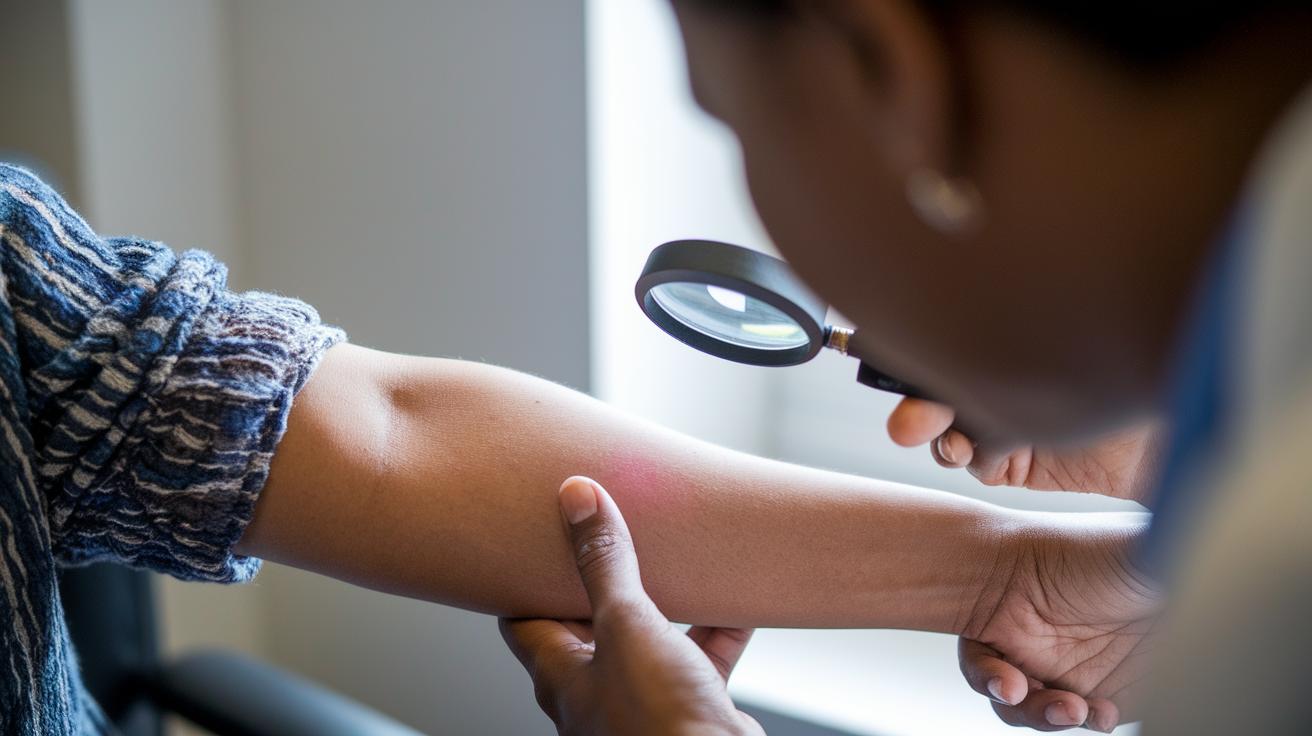
Quick Take: Any new or changing spot on your skin deserves closer attention.
Triage Box:
• If a spot bleeds, doesn’t heal, or grows fast, call emergency services now.
• If you notice a mole that changes shape, size, or color quickly, see a dermatologist today.
• Otherwise, track any changes daily and share details with your doctor soon.
Skin cancer may show up differently on darker skin. It is important to know what to watch for. Basal cell carcinoma, squamous cell carcinoma, and melanoma each have unique signs. They can appear on areas usually exposed to the sun or in unexpected spots. Knowing the differences helps you decide when to get a skin check.
| Cancer Type | Key Features | Presentation on Darker Skin |
|---|---|---|
| Basal Cell Carcinoma | Flat or raised, pearly spot; may look like normal skin or be a bit darker | Often appears on the face or neck with smooth edges that might blend into darker skin |
| Squamous Cell Carcinoma | Red, scaly patch or bump that can look wart-like | May be mistaken for a harmless skin problem and usually shows on sun-damaged skin with a rough texture |
| Melanoma | Moles with uneven, irregular borders and mixed colors such as brown, black, pink, or red | Can appear on palms, soles (acral lentiginous melanoma), or other areas; watch for uneven color spread |
Even small changes in a mole’s shape, size, or color matter. If you observe subtle shifts or shifts that are hard to notice at first, record the details and consider seeing a dermatologist. A doctor experienced with diverse skin tones can spot the early signs that might otherwise be missed. Regular skin checks with good lighting and a mirror can help you catch these changes early. Acting quickly makes all the difference in treating skin cancer and keeping your skin healthy.
Evaluating Atypical Lesions: ABCDE Rules for Dark Skin
Use a bright light and a mirror to check if your mole is uneven. Even dark skin spots can hide small differences between their halves. If a spot seems balanced at first, look at each side closely. For example, a mole might look the same overall but reveal a tiny difference when you inspect it in good light.
Examine the mole's edges and colors at the same time. Look for irregular or blurry borders that stand out from your natural skin tone. If your mole blends in with your skin but has a rough or faded edge, note it for future checks. Also, watch for areas of different colors like brown, black, red, or blue. Even a slight hint of another color, such as a faint blue tint, should not be ignored.
Keep track of any changes in your mole's size or shape over time. If it grows larger than 6 mm (roughly the size of a pencil eraser) or its appearance changes over a few weeks, write down the date and describe what changed. This record helps your doctor notice early signs of any problems.
Advanced Diagnostic Tools for Skin Cancer Signs on Darker Skin
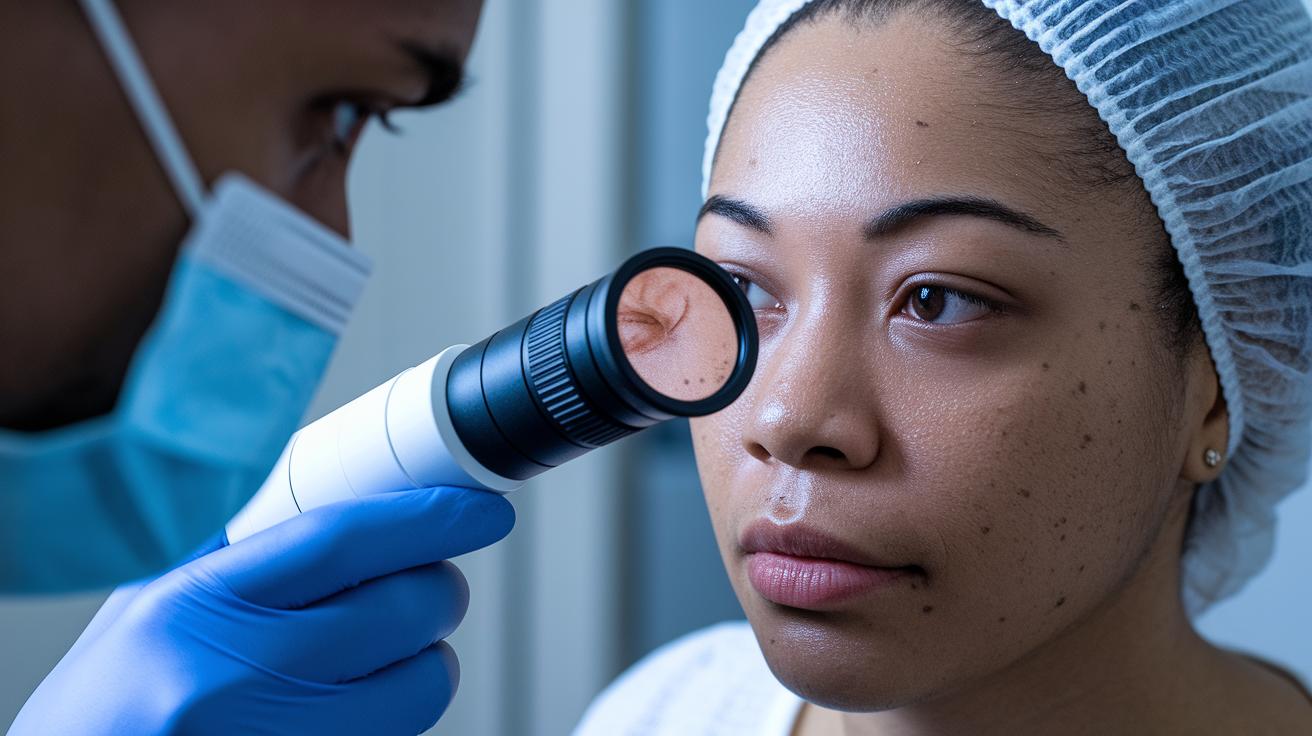
Board-certified dermatologists often use a tool called dermoscopy to check skin beneath dark pigment (melanin). This tool makes a small spot on your skin appear larger so doctors can spot tiny irregularities like uneven edges or light and dark color patches that may hint at early skin cancer. Even spots that blend in with dark skin can be seen clearly with dermoscopy. Catching these changes early makes treatment simpler. That’s why a yearly skin exam with dermoscopy is very important for anyone with darker skin.
Teledermatology lets you get expert skin checks from home. High-quality images of your skin are sent securely to specialists, making it easier for people in remote areas or those who have trouble getting to a dermatologist. This remote review works well with in-person dermoscopy to catch problems early. When doctors see slight changes in dark skin quickly, it leads to faster care and better outcomes. These advanced tools are key for modern skin cancer screening.
Self-Examination and Preventive Steps for Skin Cancer Signs on Darker Skin
Quick take: Use sun protection every day and check your skin monthly for any changes.
Triage Box:
• Red flags: If you see spots that bleed, hurt, or change color dramatically, call a doctor right away.
• Urgent: If a spot grows fast or changes shape quickly, seek same-day medical care.
• Watch and self-manage: Regularly note any new or evolving spots and discuss them with your clinician at your next visit.
Protect your skin by using smart sun habits. Every day, apply a sunscreen with an SPF of 30 or higher, even on cloudy days. Wear long sleeves and a wide-brim hat to cover your skin. Try to stay indoors when the sun is brightest, from 10 am to 4 pm. These steps help lower your UV exposure, which can cause harmful skin changes even in darker skin types that naturally have more melanin.
Make self-checks a regular part of your routine. Once a month, take a close look at your skin using a mirror or ask someone you trust for help. Look for any new marks or spots that change in shape or color. Write down what you see, including the date and any details about size or color, to help you track changes over time. Keeping a record makes it easier to notice any small changes that might need a closer look by a professional.
Avoid tanning salons and any artificial UV light sources since they can increase your risk. Stay attentive to rough, scaly patches, especially during dry weather. These could be early signs of skin issues like actinic keratosis. If you notice anything unusual, make an appointment with a dermatologist for a thorough check.
Professional Screening: When to Evaluate Skin Cancer Signs in Darker Skin
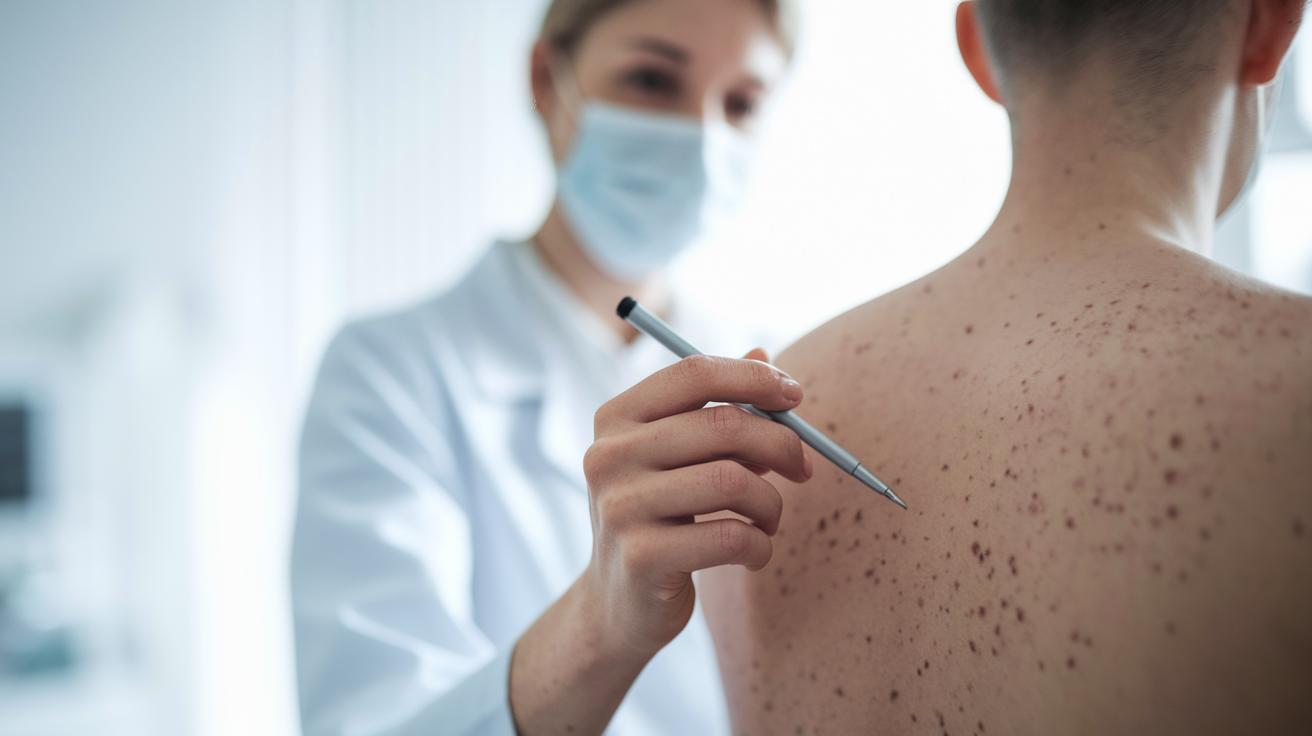
Quick take: If you notice any skin spots that don’t heal or change, get a professional exam right away.
If you have darker skin, skin cancer can be harder to spot and may be found later. That makes yearly full-body checks by a board-certified dermatologist who knows skin cancer surgery very important.
Look closely for signs like spots that do not heal, become painful, or change in size or color. If you see these changes, contact a skin specialist immediately.
Special care is needed in communities where people may not get regular checkups. Many experts learn to spot unusual signs, which helps find cancer early and avoid mistakes when diagnosing conditions like melanoma and other skin cancers.
Following these guidelines can protect your health by catching possible issues early. Always remember: Your skin matters. Act quickly when you notice changes.
Overcoming Barriers in Detecting Skin Cancer Signs on Darker Skin
Quick take: Fewer cases and low awareness make skin cancer detection hard for people with darker skin.
Detecting skin cancer in darker skin can be tough. Even though only about 1-2% of skin cancer cases are seen in Black individuals, mostly squamous cell carcinoma (a type of skin cancer), that low number can give a false sense of security. Many people wrongly believe that darker skin is immune to skin cancer. This misunderstanding, along with cultural stigma, hides the real danger.
Economic challenges and limited access to specialized screening also delay diagnosis. Misinformation and cultural differences in reporting symptoms make early detection even more difficult.
Efforts are now in place to bridge these gaps:
- Use mobile screening units that bring services to local communities.
- Run education campaigns tailored to underserved groups.
- Offer telederm programs for virtual evaluations when in-person care isn’t easy.
These steps help you learn what unusual skin changes to watch for and when to seek help. By offering culturally sensitive education and better access to care, these initiatives empower individuals to take charge of their health.
Policy changes and more resources can further break down these barriers. Programs that include diverse participants in clinical trials and focus on targeted education help build trust in the healthcare system. Cooperation between community leaders and healthcare providers is key. Working together, they can encourage regular skin checks that lead to early detection and better outcomes.
Final Words
In the action, we broke down key ways to spot unusual moles and changing lesions on pigmented skin. We reviewed how to adapt the ABCDE rule, compared different skin cancers, and shared self-check and professional screening tips.
• Watch for asymmetry and color shifts
• Note new or evolving growths
• Examine lesion edges
• Measure spot size
• Consider professional evaluation if changes persist
By learning skin cancer signs on darker skin, you’re empowered to act early and protect your health.
FAQ
Pictures of skin cancer on black skin
Pictures of skin cancer on black skin show lesions that may appear as dark, irregular areas or patches blending with natural skin tone. These images help you learn what to look for during self-checks.
Early stage skin cancer on Black skin
Early stage skin cancer on Black skin may display subtle changes such as new, uneven patches or spots that differ from your normal skin. Noticing these early signs can lead to quicker evaluation.
Black skin cancer spots
Black skin cancer spots are unusual moles or patches that change in size, shape, or color compared with typical birthmarks. Tracking these differences helps with early detection.
Famous Black people with skin cancer
Famous Black individuals have shared their experiences with skin cancer to boost awareness. Their stories remind everyone that skin cancer can affect all skin tones and prompt regular checks.
Can Black people get skin cancer from the sun
Black people can get skin cancer from the sun. Prolonged UV exposure can damage skin cells over time, so using sunscreen and protective clothing is a smart precaution.
What causes skin cancer in Black people
Skin cancer in Black people can be caused by sun exposure, genetic factors, and sometimes by chronic skin injury or inflammation. These factors stress the importance of regular skin exams.
Skin cancer in Black people statistics
Skin cancer in Black people is less common but often found at later stages, leading to poorer outcomes. Understanding these statistics highlights the need for improved self-monitoring and medical screenings.
Skin cancer symptoms
Skin cancer symptoms involve new or changing moles, spots with uneven color, irregular borders, and lesions that do not heal. Recognizing these signs early can lead to prompt medical evaluation.
What does skin cancer look like on darker skin
Skin cancer on darker skin may present as irregular patches or spots that blend with natural pigment. Changes in size, shape, or color can signal the need for professional skin evaluation.
Can cancer cause a rash on the chest
Cancer itself usually does not cause a rash, but some treatments or related conditions can lead to skin changes on the chest. Any unusual or persistent rash should be checked by a clinician.
What is the 2 week rule for skin cancer
The 2-week rule for skin cancer means that if a new or changing lesion does not improve or heal after 2 weeks, you should get it checked by a doctor promptly to rule out cancer.
What are the 7 warning signs of skin cancer
The 7 warning signs of skin cancer include asymmetry, irregular borders, color variation, a diameter over 6 mm, evolving size or shape, new lesion appearance, and sores that do not heal. These cues help guide early detection.