


Quick take: Triage is a fast system that ensures those with dangerous issues get help first.
Triage Box:
• If you see signs of a life-threatening problem, call emergency services right away.
• If your symptoms are severe, seek same-day medical attention.
• For mild symptoms, follow simple check-ups and monitor carefully.
Have you ever wondered how emergency rooms decide who gets help first? They use a system called triage. Triage is a quick process that checks your heart rate (the number of beats per minute), blood pressure (the force of blood in your vessels), and pain level (how much it hurts) to spot the most serious cases. With millions of ER visits each year, this smart system acts like a filter that saves lives by ensuring that those in danger are seen without delay. In this post, you’ll learn how fast and careful triage turns chaos into organized care when every second counts.
How Triage Prioritizes Patient Care in Emergency Departments
Quick take: Triage sorts patients fast so that the most dangerous issues get help first.
If you have these emergency signs, call emergency services now:
- Trouble breathing
- Confusion or altered alertness
- Severe, unrelenting pain
Triage is how emergency teams decide who needs help right away. Nurses quickly check your heart rate, blood pressure, and pain level when you arrive. They use these simple steps to figure out who has a life-threatening problem and who can wait a little longer.
In busy emergency rooms, staff look for clear signs like difficulty breathing, confusion (when you seem disoriented), and severe pain. This way, patients with real emergencies get immediate care, while others are watched and treated in order. With over 139 million visits to U.S. emergency departments each year, sorting patients by how serious they feel is crucial. This method stops delays in treatment and helps prevent further complications.
Triage Methodologies for Patient Prioritization
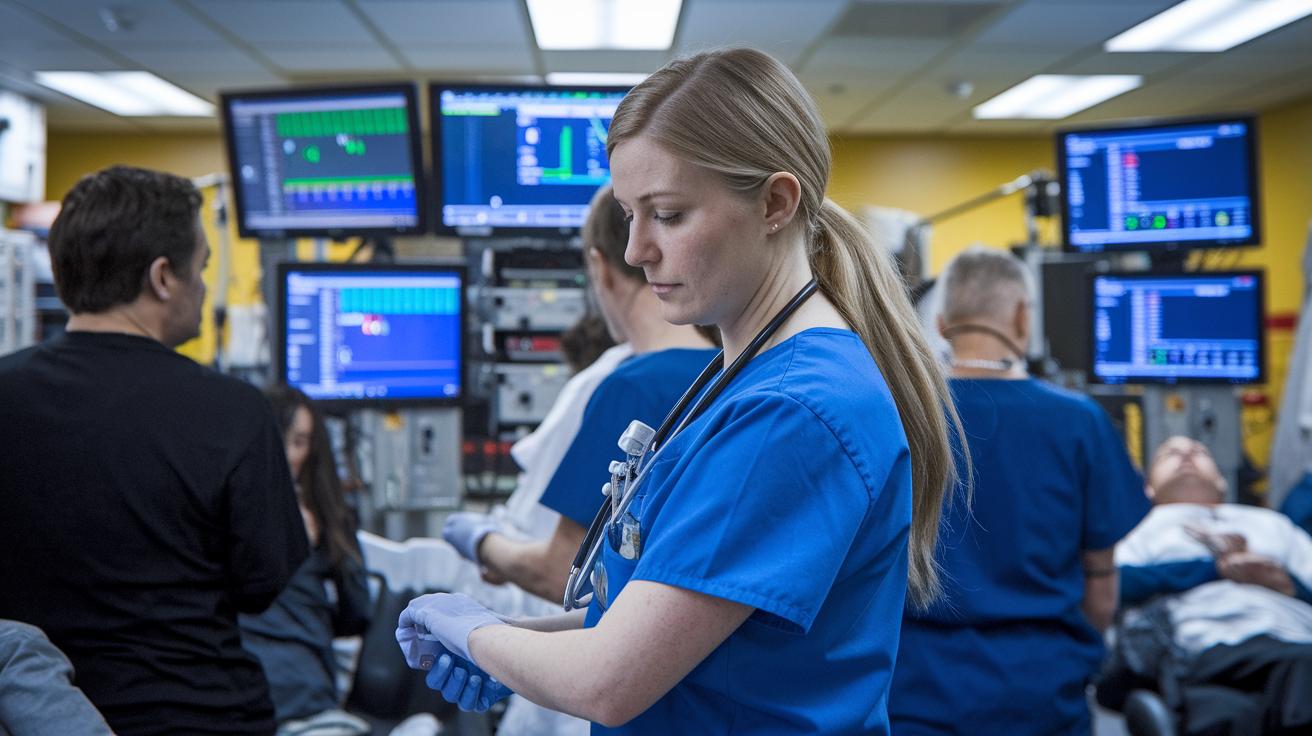
Quick take: These methods help you quickly see who needs attention first.
In busy emergency rooms, doctors and nurses use different systems to decide who needs help fastest. They look at things like body temperature, heart rate, pain, and medical history. They also trust their own judgment. This mix of clear rules and experience makes sure that patients with life-threatening issues are seen immediately while others wait safely.
One common method is the five-level Emergency Severity Index (ESI). More than 80% of U.S. emergency departments use it. It categorizes patients by how serious their symptoms are and how many tests or treatments they might need. Another approach uses a color code, red, yellow, or green, to show urgency at a glance. A third method gives a number score. It weighs signs like vital numbers and main complaints to sort patients by risk.
These methods work together to match objective measurements with real-time judgment. This clear, step-by-step process helps care teams quickly spot high-risk patients and decide what to do during emergencies.
| Methodology | Description | Primary Use |
|---|---|---|
| Emergency Severity Index | A five-level scale based on resource needs | General use in emergency departments |
| Color-Coded System | Uses colors (red, yellow, green) to show urgency | Fast visual sorting |
| Numerical Scoring | Scores based on key signs like vitals and symptoms | Detailed risk assessment |
By combining clear numbers with clinical judgment, these systems guide the care team to treat the most urgent cases first.
Patient Classification Criteria in Triage Prioritization
When you arrive at the ER, nurses quickly collect key information to decide who needs care right away. They check things like your heart rate, blood pressure, and breathing rate along with details from your medical history. This clear process sets a priority from level 1 (most urgent) to level 5 (less urgent), so those with life-threatening issues get help first.
Key areas they review include:
- Vital signs (heart rate, blood pressure, respiratory rate)
- Oxygen levels and signs of trouble breathing
- Your pain score and any symptoms you mention
- Your main complaint and past medical history
- Risk factors such as age, other health issues, or details of any injury
By measuring these factors carefully and listening to what you report, nurses can quickly decide how severe your condition is. This thorough process uses clear scoring to ensure you and others receive the right care at the right time.
Roles of Healthcare Providers in Triage Decision-Making

ER nurses are the first to see you in an emergency. They quickly check your vital signs (like heart rate and temperature) and ask how you feel. They use hands-on skills to see who needs help fast. These nurses compare the numbers they get with what you say so they can decide who needs care immediately.
Once the nurses finish their checks, doctors step in to verify what was found. They review the nurse's notes and fine-tune the order of treatment. For more details on these roles, refer to Emergency Management Definitions. This process makes sure you get the care you need based on how severe your condition is.
Both nurses and doctors keep watching your condition. They communicate with each other and adjust care plans if your symptoms get worse or better. Working together like this helps make sure that everyone receives timely and proper care during emergencies.
Triage Flowcharts and Tools for Structured Patient Ordering
Quick take: Flowcharts help you sort patients quickly in busy emergency settings.
Triage Box:
• If a patient shows life-threatening signs such as unresponsiveness, abnormal breathing, or shock, call emergency services now (in the US, dial 911).
• If a patient has urgent issues, seek same-day medical help.
• For stable patients, follow routine steps and monitor closely.
Hospitals use these simple visual guides to decide care fast. They rely on step-by-step decision charts (algorithms that guide choices) to help the care team sort patients. These tools work for in-person checks and even for some remote assessments with digital flowcharts.
Follow these steps:
- Check the patient’s vital signs (for example, heart rate, blood pressure) and ask about their main problem.
- Work through decision points based on how severe their signs are.
- Give each patient an acuity level along with a color or number code.
- Record this priority and share it clearly with your emergency team.
Using these flowchart systems keeps patient ordering consistent and speeds up critical care. They help you quickly decide who needs immediate action and who can safely wait. With both paper and digital versions in use, hospitals can manage high patient volumes and limited resources more effectively when every second counts.
Impact of Effective Triage Prioritization on Patient Outcomes: Swift & Effective

Quick take: Fast triage saves lives by getting help to the sickest patients right away.
When arrival in the emergency room matters, quick triage makes a real difference. Patients classified as Level 1 often receive life-saving care within minutes. This prompt care is linked to fewer deaths and better overall health outcomes.
Good triage cuts waiting times and keeps precious resources ready for those in urgent need. Fast action can help prevent further complications, which means patients recover faster.
Studies show that hospitals using clear, structured triage systems see shorter wait times, fewer complications, and more satisfied patients. When medical teams know exactly which patients need immediate care, they can work more effectively. In short, a well-organized triage process not only saves lives but also makes the whole emergency care system work smoother.
Challenges and Innovations in Triage Prioritization
Emergency departments often face hard choices when staff and resources are low. Limited resources and staff shortages sometimes mean decisions are made quickly, with less than full information. Different clinicians may see symptoms differently, which can lead to uneven triage decisions. This makes it tough to direct care to those who need it most. Work is in progress to fix these issues with new triage technology that promises to streamline processes and improve accuracy.
Key Challenges in Triage Prioritization
When resources are tight, the process slows down. Shortages often force quick decisions that may not always have all the details needed. Differences in judgment between clinicians can mean that even seasoned teams struggle to keep patient care priorities straight when every second counts.
Emerging Innovations in Triage Systems
New technology is changing the way emergency teams work. AI-driven decision support uses data to flag patients who need urgent care. Tele-triage platforms let clinicians assess patients remotely when onsite staff are stretched thin. Real-time predictive analytics helps guide where to send resources so care gets to the right patient at the right time. These advances are designed to cut down on human error and ensure quicker, more accurate care during critical moments.
Final Words
In the action, the article broke down the step-by-step triage process and detailed how triage prioritizes patient care in emergency settings. It covered the different methodologies, from simple color codes to the Emergency Severity Index, that help sort patients based on urgency.
The discussion highlighted key criteria like vital signs and patient history while outlining clear roles for nurses and physicians. This practical overview shows that smart, structured approaches can save lives and improve outcomes. Stay proactive and confident in your decisions.
FAQ
How do you triage patients in a clinic?
Triage in a clinic involves quickly assessing patients’ symptoms and vital signs to sort them by urgency, ensuring those with severe conditions receive care first.
How do you do a triage assessment?
A triage assessment gathers key data like vital signs and symptom details, allowing clinicians to evaluate severity swiftly and decide on the order for treatment.
What is triage in hospitals and how does it work?
Triage in hospitals sorts patients based on severity using systems such as the Emergency Severity Index. It ensures that life-threatening issues get immediate attention rather than following a first-come, first-served order.
What are the triage levels and which patients receive the highest priority?
Triage levels range from one to five, with the highest priority given to patients showing critical, life-threatening symptoms that require immediate intervention before others.
Does triage mean prioritizing patient care and what are the guidelines?
Triage means prioritizing patient care by rapidly assessing condition severity according to established guidelines, ensuring that emergencies receive the fastest, most focused care.
How do triage systems work to prioritize patients requiring treatment?
Triage systems use protocols such as the Emergency Severity Index to evaluate symptoms and vital signs, ensuring that patients with the most critical needs receive prompt treatment.
Is there a guide or PDF for the triage system in the emergency department?
A triage system PDF typically outlines protocols like the Emergency Severity Index and other detailed guidelines, providing a practical resource for understanding emergency department prioritization.