


Quick Take: Some illnesses come on slowly while others hit suddenly.
If you experience high fever (102°F or above), severe breathing trouble, or feel extremely weak, call emergency services now.
A cold often sneaks up on you. The flu can attack quickly, and COVID-19 may show mixed signs. This guide explains the different timelines from the first hint of illness to moments when you need quick help.
We break down when symptoms usually start and how they progress so you can track changes and know when to act. This way, you feel more in control of your health.
Early Symptom Onset and Initial Timelines for Cold, Flu, and COVID-19
Quick take: Cold, flu, and COVID-19 start at different speeds – watch your body and act if things feel severe.
If you have any of these emergency signs, call emergency services now:
- Trouble breathing or severe shortness of breath
- Chest pain or pressure
- Confusion or inability to stay awake
If you notice urgent signs like a very high fever (over 104°F) or intense headache that worsens, seek same-day medical help.
Symptom onset means the moment you first feel sick after coming in contact with the virus. This gap between when you're exposed to the virus and when you notice signs, called the incubation period, can be short or long. It depends on the type of virus and how your body fights it off.
For a common cold, you usually start to feel a blocked or runny nose and a sore throat within 1 to 3 days of exposure. In contrast, the flu tends to hit you fast. Many people feel chills, headaches, muscle aches, and a fever between 100.4°F and 104°F on the very first day.
COVID-19 behaves a bit differently. Its incubation period can last anywhere from 2 to 14 days. Around Day 3, you might feel a low fever and a bit of tiredness, even if the symptoms seem mild at first. This means a cold often has bothersome but manageable symptoms, the flu strikes hard and fast, and COVID-19 may start subtly but can become more serious quickly.
In the days that follow, symptoms might get worse or they may start to ease. Cold symptoms often peak with more congestion and a cough due to postnasal drip. With the flu, the high fever and body aches can continue beyond the first day. COVID-19 may progress by causing more breathing trouble and deeper fatigue. Tracking these patterns can help you decide when to reach out to a clinician for advice as your symptoms change.
Timeline for Symptom Escalation and Recovery Phases
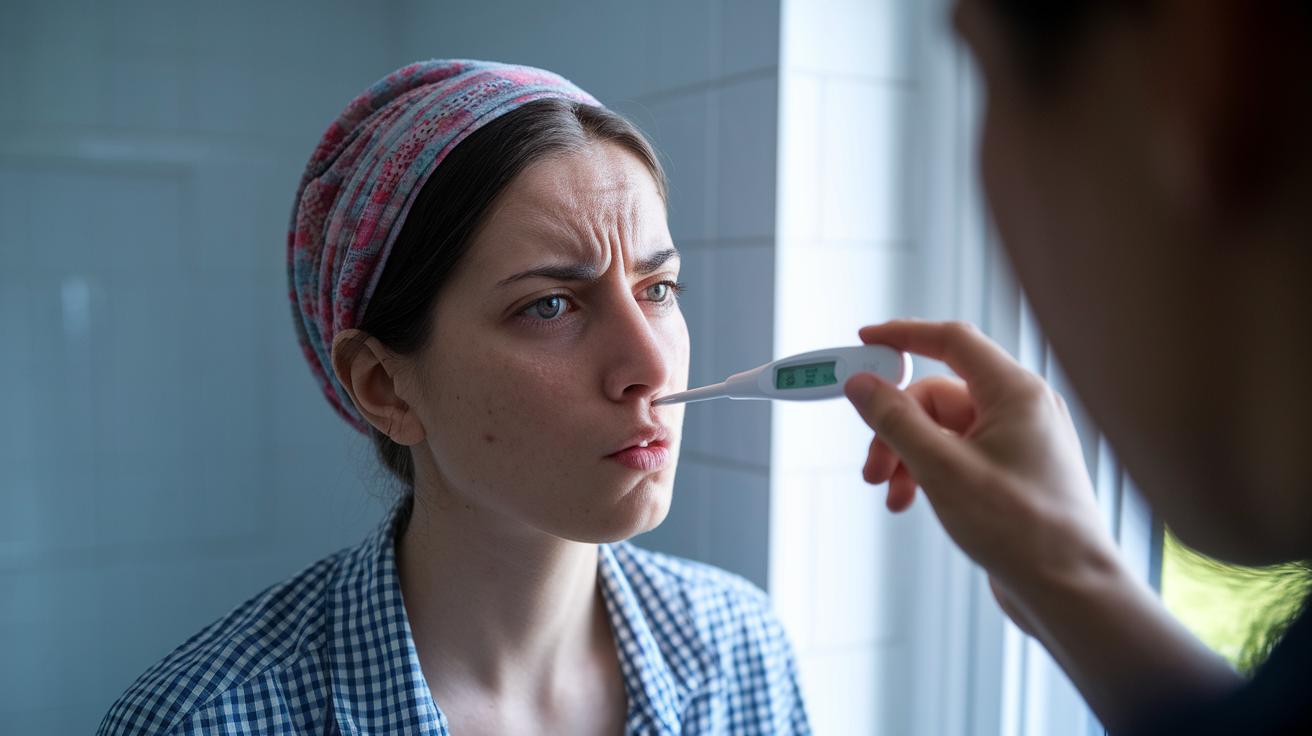
Your symptoms often come in two phases: escalation and recovery. In the escalation phase your signs may get worse as your body fights the virus. In the recovery phase the symptoms ease and your body starts to heal. Different illnesses show these phases over different timeframes.
| Phase | Timeframe | Common Symptoms |
|---|---|---|
| Escalation | Days 3-7 |
|
| Recovery | Days 8-14 for cold/flu; Days 15-21 for COVID-19 |
|
In the escalation phase, cold symptoms usually peak between Days 3 and 5 with worsening coughs that show mucus buildup. Flu symptoms can start as early as Day 2 with high fever and body aches that affect your daily routine. COVID-19 symptoms tend to worsen from Days 4 to 7 with a stronger fever and deep fatigue, along with a changing cough. During the recovery phase, cold and flu often improve by Days 6 to 10 as your body clears the infection and congestion goes down. For COVID-19, recovery is generally longer, from Days 15 to 21, and you might feel tired even after other symptoms have eased. Recognizing these phases can help you understand if your illness is following a normal pattern or if it is time to reach out to a healthcare professional.
Differentiating Initial Versus Advancing Stages in Symptom Progression
Quick take: Early symptoms like a mild cough and low fever can quickly shift to more serious signs. If you notice difficulty breathing or a fever of 100.4°F or above, seek care.
At first, you might experience a dry cough, a low fever under 100.4°F, and a bit of tiredness. These early signs may barely disrupt your day. Later on, you may start coughing up mucus along with increasing fatigue and trouble breathing.
As your body works harder to fight the virus, the symptoms change. Your everyday routine might be affected as these signs become more prominent.
Tracking your temperature is key. A fever under 100.4°F suggests the illness is still in its early phase. When your temperature reaches or exceeds 100.4°F, it signals that the condition is getting worse. Keep a close eye on your temperature and note any changes.
In COVID-19 cases, what starts as slight tiredness can turn into labored breathing around Days 8 to 10. A simple cough or mild fatigue may not be concerning at first, but if you develop clear shortness of breath or notice more mucus, it’s time to get evaluated.
Monitoring Shifts in Clinical Presentations: Techniques for Tracking Cue Transitions

Quick take: Track your symptoms daily to spot changes early and know when to act.
Triage Box:
If you notice any of these signs, contact a healthcare professional immediately:
• Your temperature or fatigue steadily rises
• Your cough changes in sound or grows more frequent
• Your oxygen level drops or you feel suddenly short of breath
Keeping a daily log of your symptoms is key. When you write down how you feel throughout the day, it becomes easier to see patterns and decide if you need help.
• Take your temperature three times a day (morning, afternoon, and evening).
• Count your coughs and notice if the sound or strength changes.
• Rate your fatigue on a simple 1 to 10 scale.
• Record any medications you take along with the dose and time.
• Check your oxygen level if you have a pulse oximeter.
• Note any other symptoms or changes and write down the time they happen.
Using a symptom diary helps you spot trends over time. For example, if your temperature or fatigue steadily increases during days 8 to 14 in COVID-19, it may be time to check in with a doctor. A step-by-step guide on setting up your diary, whether you prefer an app or paper notes, is available at https://thequickesttips.com?p=1347. Recording your symptoms daily gives you clear insights into how your body is doing and helps you manage your health more effectively.
Potential Indicators of Worsening Symptom Progression: Recognizing Severe Red Flags
Quick take: Some signs mean you need urgent care.
If you have any of these emergency signs, call emergency services immediately:
- A fever above 104°F that lasts after Day 7
- Trouble breathing or a feeling of pressure in your chest
- A cough that gets worse and brings up blood
- Signs of severe dehydration (feeling very thirsty, weak, or dizzy)
- Confusion or any changes in your mental state
- Oxygen levels dropping below 94% (using a pulse oximeter)
- Extreme fatigue that goes on for more than 2 weeks (this could be Long COVID)
These red flags need quick action. If you see any of them, contact your healthcare professional right away to get the care you need.
Detailed guide to symptom onset and progression shines

When you feel under the weather with a respiratory illness, rest and plenty of fluids matter most. Try to drink 64 to 96 oz of water every day to help thin out mucus and boost your immune system, and aim for 8 to 10 hours of sleep each night so your body can heal. These easy steps may help ease your discomfort and improve how you feel.
You can also add simple home remedies to tackle specific symptoms. Over-the-counter pain relievers like NSAIDs (medications that reduce fever and ease aches) can help when you have a fever or body pain. Using saline nasal rinses can clear stubborn congestion, and warm salt-water gargles may soothe a sore throat. You might also try natural options like turmeric tea or a cool compress to reduce inflammation and pain. A warm saline gargle works much like a trusted home remedy, helping to calm throat pain in between medication doses.
Remember, home care can work well for common symptoms. However, if your condition worsens or you develop a persistent high fever, a severe cough, or trouble breathing, it is important to seek help from a healthcare professional right away.
Case Studies on Symptom Onset and Progression: Illustrative Examples for Better Understanding
Quick Take: Illness symptoms can start off mild then quickly worsen before gradually improving.
Triage Box:
Red Flags – If you have severe trouble breathing, a very high fever (over 102 F) that won’t go down, or sudden confusion, call emergency services now.
Urgent – Seek same-day medical care if your symptoms rapidly worsen or stop you from doing everyday activities.
Monitor – Track your symptoms daily. Write down the date, time, what you feel (such as cough, fever, or body aches), and note if anything helps or makes it worse.
A 25-year-old with a cold noticed mild signs on Day 2. By Day 4, his runny nose and sore throat got worse, and he developed a bothersome cough at night. Thankfully, by Day 7, his breathing was normal and his energy had returned.
In another case, a 40-year-old flu patient experienced a sudden onset on Day 1 with chills and sharp body aches. His fever spiked on Day 2, leaving him very weak. By Day 6, his fever had dropped and he was back to his normal activities, showing how quickly flu symptoms can hit and then improve.
A 60-year-old with COVID first felt tired on Day 1. His condition worsened between Days 8 and 10, with breathing difficulties and a changing cough becoming the main problems. Although he began to improve between Days 15 and 21, he still battled tiredness until Day 30, highlighting how COVID can have a longer recovery period.
Charting Symptom Recovery and Progression Phase Shifts

Quick take: Most people start to feel better gradually, but if you notice new or worsening symptoms, contact your doctor right away.
For colds and flu, you often feel relief as congestion clears and your fever drops. Your appetite returns and you gain energy. You might say, "After a few days of feeling sick, I was ready for a light breakfast and some gentle movement."
COVID-19 recovery can be slower. Some people keep a mild cough or feel tired even after you see some improvement. This can mean that symptoms may continue longer than you expect.
Your recovery speed can depend on your age, other health problems, or the treatment you receive. Younger people without chronic issues typically get better quicker. Those with conditions such as diabetes or heart problems may need extra care. Drinking plenty of water, resting well, and tracking your symptoms can help you decide if you need to adjust your care.
Final Words
In the action, we've outlined early signs, timelines, concerning shifts, and safe home-care tips for cold, flu, and COVID-19. This guide breaks down symptom onset, escalation, and recovery into clear steps to help you spot causes and decide on care promptly.
Keep tracking your symptoms, and don’t hesitate to act on red flags. This detailed guide to symptom onset and progression gives you the insight to stay safe and confident in your next steps.
FAQ
What are the day-by-day COVID-19 symptoms, including day 3, day 4, day 5, and day 6 signs in 2024–2025?
The COVID-19 progression typically starts with low-grade fever and fatigue by day 3, progresses to worsening cough and higher fever on day 4, and by days 5 to 6 some people notice improvement while others experience intensified symptoms.