


Quick take: A monthly skin check can catch early warning signs before they become serious.
Triage:
• If you notice a spot with uneven edges, shifting colors, or a growing size, contact your doctor.
• If the spot changes quickly or comes with other unusual signs, seek same-day medical advice.
Each month, take a moment to check your skin, especially areas you rarely see in the mirror. Look closely for spots that aren’t smooth, colors that change, or any marks that seem larger than before. These signs can mean you need prompt care. Team up with your doctor for an early check-up, and remember, a simple skin exam might be the step that saves your life.
Self Examination for Skin Lesions: Complete Monthly Checklist
Quick take: A monthly full-body skin exam can help you catch warning signs of skin cancer early, when treatment works best.
If you have any of these signs, call emergency services now: spots that are quickly changing, bleeding, or causing severe pain.
If you notice several spots with uneven edges, multiple colors, sizes over 6 mm, or changes over time, seek same-day medical advice.
Watch and self-manage if you spot any unusual changes and mark them for your next professional exam.
Set aside one day each month for a skin check. Use a full-length mirror along with a handheld mirror to see all areas of your body.
Begin by examining your head, neck, and face. Use the small mirror to see spots that are hard to reach. Then check your arms, torso, legs, and feet. Look carefully at spots usually hidden by clothing. This routine is your first step in self-care.
Follow the ABCDE rule for each spot:
• Asymmetry: one side does not match the other.
• Border: edges that are uneven or notched.
• Color: presence of different shades.
• Diameter: spots larger than 6 mm (about the size of a pencil eraser).
• Evolution: any clear change in size, shape, or color.
Also, watch for spots that do not heal, rashes that persist, itching, bleeding, or crusting around a mole. These may be signs that need further evaluation by a doctor.
Take clear photos of any spots that concern you. Write down the date and what you notice. This record helps your doctor track any changes over time. Your self exam adds to your regular check-ups with a professional. If you see several concerning signs, act now and get guidance from a dermatologist.
Preparing for At-Home Self Examination of Skin Lesions

Start by gathering your tools in a calm, quiet space. You’ll need a full-length mirror along with a small handheld mirror to see areas that are hard to view. Use a bright lamp or natural daylight in a tidy room with dry skin. Keep your camera or phone handy to snap pictures of any spots that seem unusual, and use a millimeter ruler to track any changes. Disposable gloves can help keep things clean.
Choose a well-lit bathroom or bedroom where you feel at ease. Remove makeup and jewelry to avoid any distractions from your skin’s true appearance. Wear loose clothing so you can easily check all parts of your body. If you need to inspect your back or other tricky spots, sit on a chair or stool for support while using your mirrors.
Think of it like clearing your workspace before a big project. Clear away any obstacles so that nothing blocks your view. This careful setup makes your self-exam more effective and helps you keep track of any changes in your skin.
Visual Inspection Techniques in Self Examination for Skin Lesions
Quick take: Check every part of your skin systematically. If you notice a mole that looks different, talk to your doctor.
Start by dividing your body into clear zones: face, scalp, neck, torso, arms, hands, legs, feet, nails, and the genital area. Begin at your scalp. Use a comb to part your hair so you can see any spots that might be hiding. Then, move down one side of your body and finish with the other side. This pattern helps you see every inch without missing any spot.
For areas you cannot see well, like your back, shoulders, and lower legs, use a handheld mirror. Also, grab a small mirror to check between your toes and under your fingernails. These spots can hide changes that you might otherwise miss.
As you examine each area, look closely at any new marks or changes in your existing moles. Check for differences in shape, smoothness of the borders, color, and size. If a mole becomes irregular or changes quickly, it could be a red flag, and you should seek advice from your doctor.
Taking these steps can help you catch any suspicious skin changes early and get the care you need.
Applying the ABCDE Rule in Self Examination for Skin Lesions
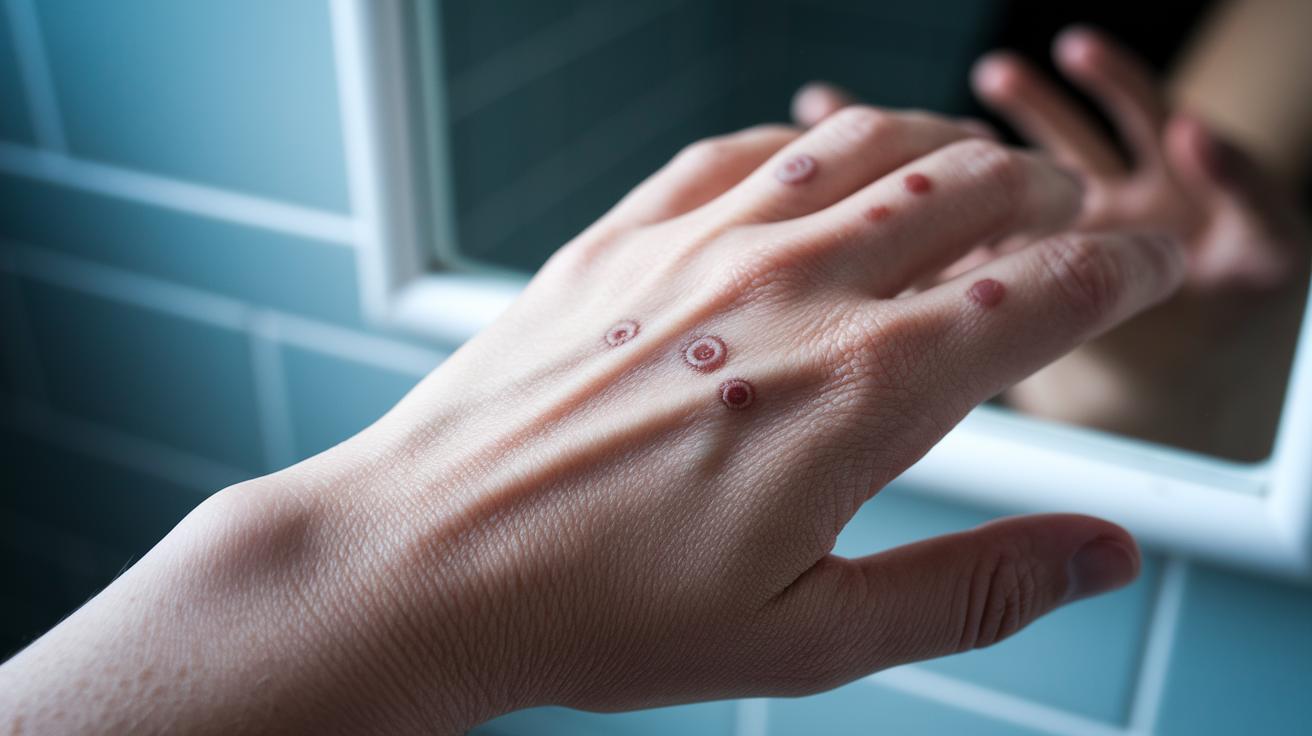
Use this checklist to quickly check your spots and see when you should get advice from a professional.
Asymmetry: Look at each spot. Does one half look different from the other? For example, a mole that looks lopsided or uneven should be noted.
Border: Check if the edges of the spot are wavy, notched, or irregular. A mole with blurry or uneven edges might hide early signs of skin change.
Color: See if the spot shows more than one color. If you notice different tones like tan, brown, black, red, or blue, it is a sign to be cautious.
Diameter: Use a ruler or a small guide (a pencil eraser is about 6 millimeters) to measure the spot. If it is larger than 6 mm, it deserves extra attention.
Evolution: Keep track of any changes. If a spot changes in size, shape, or color or starts to itch, bleed, or ooze, write it down. Changes like these mean you should talk to your doctor.
Scheduling and Tracking Your Self Examination for Skin Lesions
Quick take: Check your skin every month to catch changes early.
If you notice new, enlarging, or oddly colored moles, call your doctor right away.
Set a fixed day each month for your self exam. Use your smartphone to take clear photos of each mole, and include a small ruler next to them for size reference.
Keep a simple log. Write down the date, the body area you checked, a mole number or note, and any changes you see in size or color. For example: "04/15, right arm, mole #2, larger and darker."
If you have a family history of skin cancer or have had lots of sun exposure, add a professional exam every 3 months.
| Action | Details |
|---|---|
| Self Exam | Once each month on a fixed day |
| Photo | Take clear pictures with a small ruler for scale |
| Log | Date, body area, mole ID, size and color changes |
| Professional Check | Every 3 months if you are high-risk |
Recognizing Red Flags and When to Consult After Self Examination for Skin Lesions
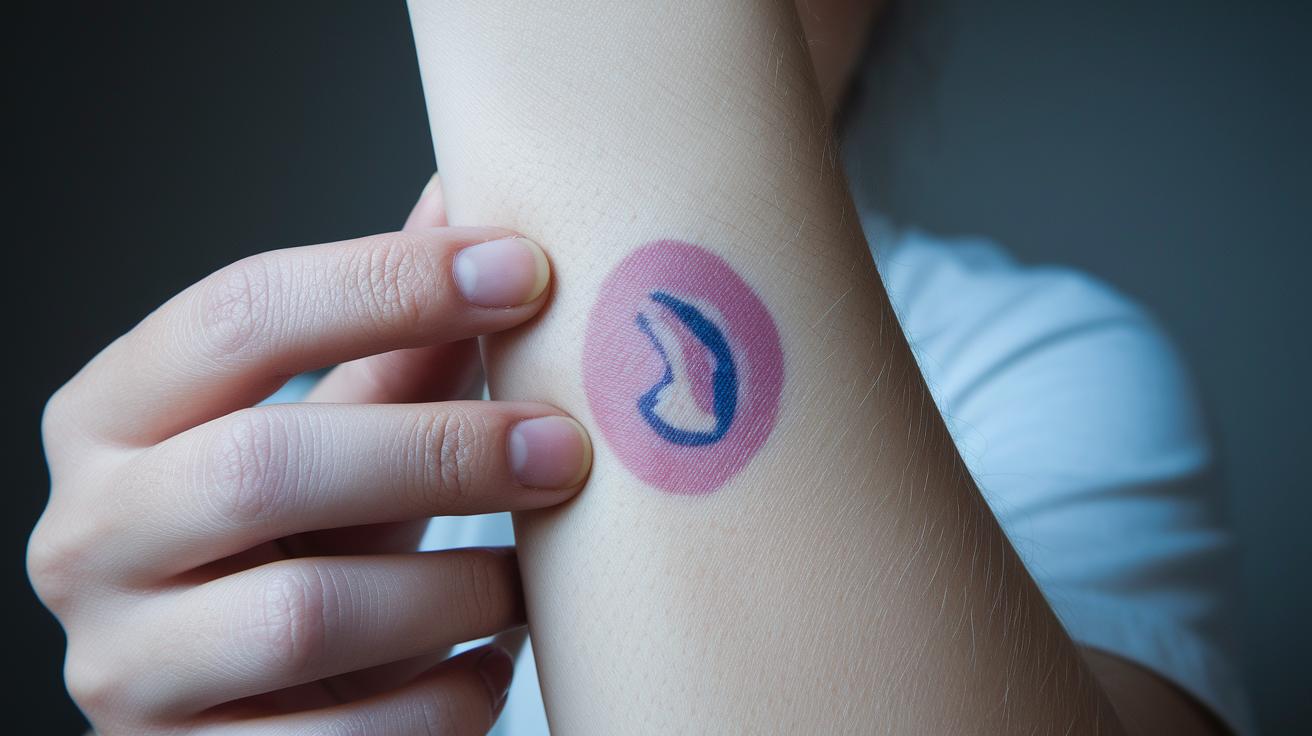
If you notice a spot with uneven borders, mixed colors, larger than 6 mm, or any change in how it looks, you should call your dermatologist right away.
- If you are over 30 and see a new or quickly changing mole, get it checked.
- If you have a history of melanoma, light skin, a weak immune system (low body defense), or many unusual moles, even small changes mean you should see a doctor.
For example, if you’re over 30 and a mole starts to grow or change shape, it’s best to have it examined immediately.
Final Words
In the action, you now have a clear monthly checklist to guide you through your self examination for skin lesions. You learned to prepare your space, use a full-length mirror with a handheld mirror, and apply the ABCDE rule to spot warning signs. Regular tracking helps catch changes early. Keep a log and know when to seek help. Stay proactive about your skin health and feel confident in your ability to detect issues early and act safely.
FAQ
How to check for skin cancer at home?
Checking your skin at home means doing a thorough monthly review with a full-length mirror and a handheld mirror in a well-lit space, ensuring you inspect all body areas including the back and difficult spots.
How to check your skin for skin cancer on YouTube?
Watching a YouTube video for skin cancer screening offers visual guidance on using mirrors and inspecting your skin correctly. Use clinician-reviewed sources to ensure you follow safe, accurate methods.
How to perform a face skin examination?
A face examination involves using a mirror to look for unusual moles, spots, or changes in shape, color, or border. Check areas around your eyes, nose, cheeks, and jawline carefully.
What should I expect from a full-body skin cancer screening?
A full-body screening means a head-to-toe check using mirrors, where you note any new or changing moles. Expect a systematic review of all areas and proper follow-up with your dermatologist if needed.
How to examine skin lesions?
Examining skin lesions involves checking for asymmetry, irregular borders, color variations, diameter over 6 mm, and any evolution in appearance. Use a bright light, mirrors, and a millimeter ruler to document changes.
What is a skin cancer check app?
A skin cancer check app offers digital tools to photograph, measure, and track changes in moles over time. These apps can help you maintain a history for review by your doctor.
What does the ABCDE of skin cancer stand for?
The ABCDE rule stands for Asymmetry, Border irregularity, Color variation, Diameter greater than 6 mm, and Evolution. It is a practical guide to spot warning signs of melanoma and other skin cancers.
What are three cancers that can be detected through self-examination?
Self-examination can help detect melanoma, basal cell carcinoma, and squamous cell carcinoma. Early recognition through regular checks may prompt timely evaluation and treatment.
What are the 4 C’s of skin cancer?
The 4 C’s of skin cancer is a term sometimes used to describe clinical signs. However, it is less established than the ABCDE rule, so it’s best to consult a clinician for the most accurate evaluation.
What is the 7 point checklist in skin cancer screening?
The 7 point checklist is a clinician tool that evaluates moles based on key features, similar to the ABCDE rule. It guides professionals in identifying signs of melanoma for early detection.