

Quick Take: A sharp pain in your lower left belly might come from something simple like constipation, a pulled muscle, or an infection such as diverticulitis (when small pouches in your colon become inflamed).
If you notice any of these red flags, call emergency services now:
• High fever (102 F or above)
• Pain that gets worse quickly or feels unbearable
• Fainting or feeling very dizzy
Most of the time, this pain is not an emergency. Common causes include:
• Diverticulitis (inflamed pouches in the bowel)
• Constipation (difficult or infrequent bowel movements)
• Muscle strain (overuse or injury)
Here’s what you can do at home:
- Rest and apply a warm compress to your belly.
- Drink plenty of water and choose light, easy-to-digest foods.
- Keep a simple log of your symptoms, note the time, how long the pain lasts, and if it gets worse.
If your symptoms continue to worsen or you see any red flags, call your healthcare provider right away.
Reviewed by a clinician on [MM/DD/YYYY]. Last updated [MM/DD/YYYY].
Identifying Causes and Symptoms of Lower Left Abdominal Discomfort
Quick take: Lower left belly pain can come from several issues, you need to act if red flags appear.
If you have any of these signs, call emergency services now:
- Very high fever
- Severe pain that makes you pass out
- Blood in your stool
Common causes include gastrointestinal problems. For example, diverticulitis (inflamed pouches in your colon) is a frequent culprit. Constipation from a low-fiber or low-fluid diet can also lead to pain, as can gas buildup from certain foods or swallowing air. Sometimes chronic conditions like irritable bowel syndrome (IBS) or inflammatory bowel disease (IBD) cause recurring pain and changes in digestion.
Other issues may mimic digestive pain. A strained muscle in your abdomen can cause a dull, steady ache. In contrast, a kidney stone in the left tube (ureter) may trigger intense, stabbing pain that may extend toward your groin. Urinary tract problems might show up as a burning or tingling feeling in the lower belly.
Watch for these signs:
- Is the pain sharp or dull?
- Does it come and go or stick around?
- Do you also feel nauseous, bloated, or have a slight fever?
Some people find that cramp-like pain easing with rest, gentle stretching, or extra fluids may be less worrisome. But if you have pain that lasts for 48 to 72 hours or more, or if it comes with high fever or blood in your stool, it’s time to see a healthcare provider.
Anatomy and Functional Overview of the Lower Left Abdomen
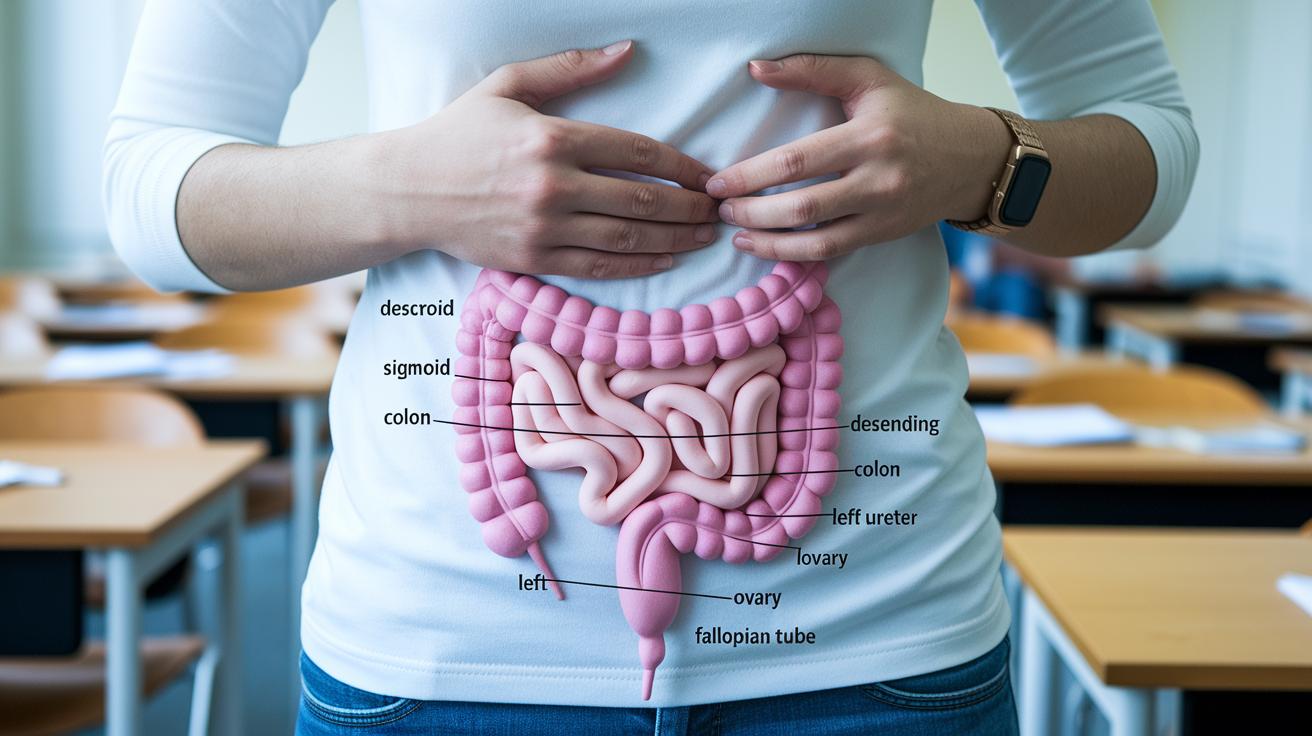
This overview shows you what makes up the lower left side of your belly. It runs from just below your rib cage down to your pelvis. Here, you'll find parts of your large intestine, the descending and sigmoid colon, which help move waste and absorb water. You can read more about how the digestive system works here: how does the digestive system work.
Also in this area is the left ureter, a small tube that carries urine from your kidney to your bladder. For women, the left ovary and fallopian tube are here and play key roles in hormone balance and reproduction. Some parts of your small intestine (where many nutrients are absorbed) are also in this spot. The muscles around your abdomen add extra support and protect your organs.
Another important feature is the splenic flexure, a bend in your colon right under your left rib cage. Sometimes, pressure can build up at this bend and cause discomfort. Any issues like inflammation, a blockage, or muscle strain in these parts may lead to pain that feels sharp, dull, or cramp-like. Understanding this basic anatomy can help you know why you might feel pain in this area.
Common Gastrointestinal Conditions Leading to Lower Left Abdominal Discomfort
Lower left tummy pain can come from different gut issues. It might help if you keep a diary. Write down the time you feel pain, what the pain feels like (sharp, cramping, or aching), what seems to trigger it, and any other signs you notice.
• Diverticulitis: This happens when little pouches in your colon become inflamed. You might feel pain, fever, nausea, or bloating. For example, jot down if you experience sharp pain along with a fever of 102°F.
• Constipation: When waste builds up because you don’t get enough fiber, fluids, or exercise, you might feel cramping or discomfort. Note how often you have a bowel movement and any changes in your routine.
• Gas: Trapped air from certain foods or swallowing can cause a quick, sharp pain. Keep track of what you eat and see if your pain lines up with specific foods.
• IBS (Irritable Bowel Syndrome): This condition leads to recurring pain with changes between diarrhea and constipation. Write down your meal times and any patterns you see with your symptoms.
• IBD (Inflammatory Bowel Disease): Conditions like Crohn’s disease and ulcerative colitis can cause ongoing pain along with signs like fatigue or weight loss. Recording how long your symptoms last and how severe they are can help guide your next steps.
Non-Gastrointestinal and Musculoskeletal Sources of Left Lower Abdominal Discomfort
Quick Take: Pain in your lower left side might not be from your stomach. It can come from strained muscles, hernias, kidney stones, or shingles.
Triage Box:
• Emergency: If you feel sudden, sharp pain that shoots toward your groin, call emergency services now.
• Urgent: If movement makes your pain worse or you notice a lump near your side, seek care the same day.
• Watch and Self-Manage: If your pain only hurts with activity or gets better when you rest, monitor your symptoms and follow up with your clinician if things don’t improve.
Your pain might be from muscles or bones and not your digestive system. Sometimes, heavy lifting or sudden movements strain your abdominal or pelvic floor muscles. This type of strain can cause a deep, steady ache that worsens when you move.
A hernia happens when tissue pushes through a weak spot in your abdominal wall. This can cause both a dull ache and sometimes a sharp pain, especially when you move. You might see a small lump near the pain.
Kidney stones in the left ureter (the tube that connects your kidney to your bladder) can cause strong, stabbing pain that moves toward your groin. This pain usually starts very quickly and can feel very severe.
Shingles usually begins with pain and tenderness on one side before a rash appears. Recognizing these early signs helps you decide if you need immediate care or if you can watch your symptoms for a bit.
Red Flags and Risk Factors for Lower Left Abdominal Discomfort
Quick Take: Certain warning signs in your lower left belly mean you need urgent care.
If you see these signs, call emergency services right away:
- A fever above 100.4°F
- Pain that lasts more than 48–72 hours
- Blood in your stool or urine
- Unexplained weight loss
- Intense tenderness in your lower left belly
- New pain during pregnancy, even if it seems mild
These symptoms could point to a serious issue that needs fast attention. It might be a sign of an infection or another problem that can quickly worsen. If you have a weaker immune system or a history of gut issues, you are at higher risk for complications like an abscess (a pocket of infection) or peritonitis (inflammation in the belly lining).
For a clear plan of what to do next, check out our triage flowchart for abdominal pain at https://thequickesttips.com?p=1459.
Monitoring these signs closely and getting help soon can make a big difference.
Home-Based Self-Care Strategies for Lower Left Abdominal Pain
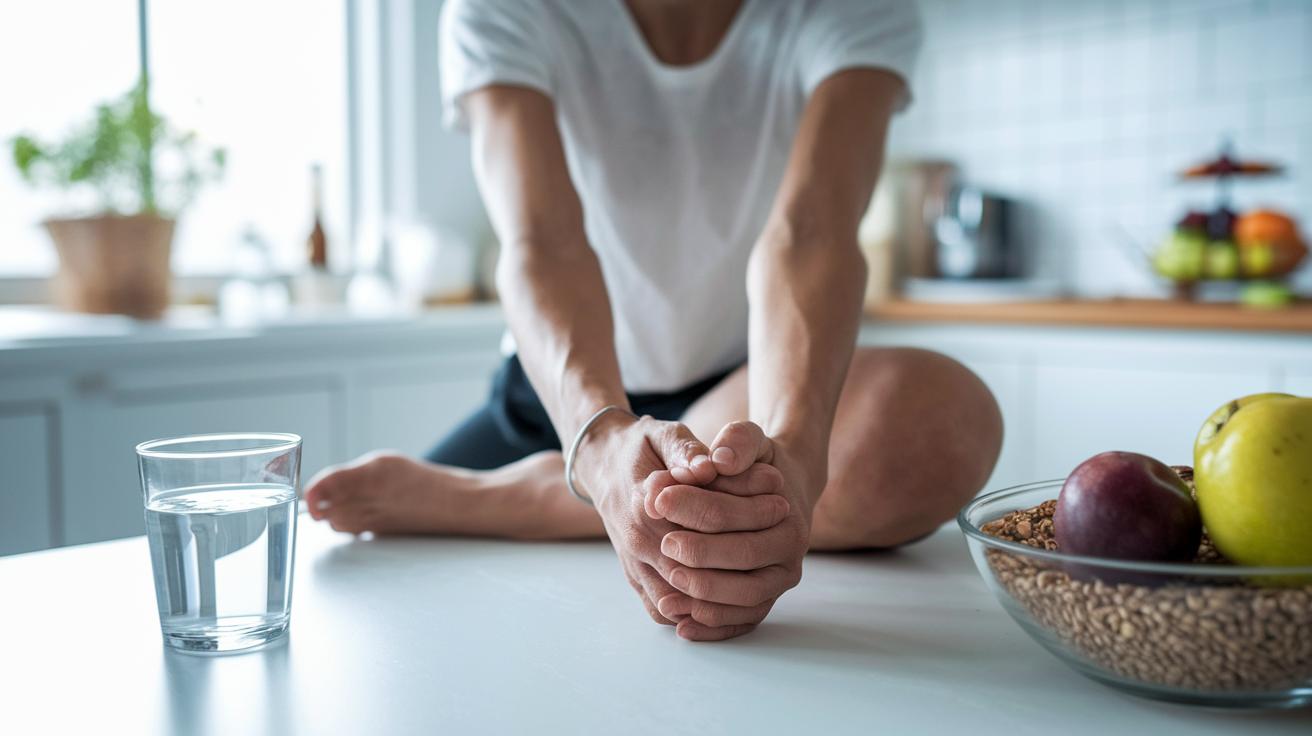
Quick tip: You can often ease mild to moderate lower left pain at home with a few simple steps. If you notice worsening pain, fever, vomiting, or trouble keeping food or fluids down, seek urgent care.
Start by drinking plenty of water. Staying well hydrated helps reduce cramps and supports your digestion. Eat more fiber by adding fruits, vegetables, and whole grains to your meals. This can help your bowels work better.
Try gentle stretches to relax your abdominal muscles. Simple movements like slow twists or side bends can ease tension without straining the area. If gas is making you uncomfortable, over-the-counter antacids or simethicone (an anti-gas medicine) may help clear up the bloating and sharp pain.
Heat can also soothe tight muscles. Placing a warm pack on the painful area for 15 to 20 minutes might relieve muscle spasms. If you think inflammation is a factor, try an anti-inflammatory diet with foods like leafy greens, fatty fish, and nuts or use over-the-counter NSAIDs if they are safe for you.
Keep track of your symptoms in a simple diary. Note the time, your pain level, and any activities that seem to affect your discomfort. This journal can be very helpful when discussing your condition with a healthcare provider.
Diagnostic Approaches and Specialist Referrals for Persistent Lower Left Discomfort
Quick take: If your lower left pain lasts or worsens and you notice any serious signs, contact your doctor right away.
If you have any of these emergency signs, call emergency services now:
• Sudden, severe pain
• High fever (102°F or higher)
• Persistent vomiting or fainting
If your self-care measures do not help or if red flags appear, your doctor may order tests to find the cause of your pain. These tests help spot issues in your kidneys, ovaries, or bowel and guide treatment.
Your doctor might use an abdominal ultrasound. This noninvasive test uses sound waves to create images of your organs (like the kidneys and ovaries) to check for problems. A CT scan gives detailed cross-sectional images, which can show signs of infections like diverticulitis or detect changes in your bowel. In some cases, a colonoscopy is recommended. This test uses a flexible tube with a camera to look for inflammation or irregular areas in the colon.
Other tests include blood tests and urinalysis. Blood tests (like a complete blood count or CBC) and checks for inflammatory markers help identify infections or systemic problems. Urinalysis can reveal urinary tract infections or kidney stones that might cause pain that you feel in the lower left area.
Each test may need different steps before you go. For instance, you might have to fast or change your medications before a colonoscopy, while an ultrasound often needs little to no special preparation.
Keep track of your symptoms while you wait for test results. Write down the time your pain started, how strong it is, and what makes it worse or better. This record can help you explain your condition to a specialist. You might find it useful to use a step-by-step guide to keeping a symptom diary.
| Test | Purpose | Preparation |
|---|---|---|
| Ultrasound | Checks organs like kidneys and ovaries | Usually minimal; may need a full bladder |
| CT Scan | Finds infections or structural issues in the abdomen | May require fasting or a contrast dye |
| Colonoscopy | Inspects the colon lining for inflammation or abnormalities | Needs dietary restrictions and bowel prep |
Final Words
In the action, this guide broke down key causes and symptoms of lower left abdominal discomfort. It explained the anatomy of the area and highlighted common gastrointestinal and non-digestive sources. Red flags were outlined to help you know when to seek care. Actionable home-care strategies and diagnostic tests were also covered, giving you simple steps to track your symptoms. This clear approach makes it easier to manage abdominal discomfort lower left and move forward with confidence. Stay proactive and take charge of your health.
FAQ
What causes lower left abdominal pain in females?
The causes of lower left abdominal pain in females can include gastrointestinal issues like diverticulitis or constipation, reproductive organ issues (such as ovarian problems), and muscle strains.
What causes lower left abdominal pain and sharp pain in males?
Lower left abdominal pain in males may result from digestive problems like gas or constipation, kidney stones in the left ureter, or a strain in the abdominal muscles.
What might cause pain near the hip bone in the lower left abdomen in females?
Pain near the hip bone in the lower left abdomen for females can be linked to ovarian issues, irritation of the descending colon, or musculoskeletal strain around the hip area.
What does discomfort in the lower left abdomen mean?
Discomfort in the lower left abdomen can indicate problems with the digestive system, such as constipation or gas, inflammation in the colon, or a strained muscle, and should be evaluated if it persists.
Which organ is in the lower left abdomen area?
The lower left abdomen contains part of the colon (sigmoid colon), the left ureter, and in females, reproductive organs like the ovary and fallopian tube, along with muscles and segments of the small intestine.
Why have I got a dull ache in my left side?
A dull ache in your left side might be due to mild digestive issues like gas or constipation, or from muscle strain, and you should monitor the pain; seek medical advice if it worsens or lasts longer than a few days.